Plastic Surgery and Its Basis
Plastic Surgery According to Muhammadiyah's Tarjih

Plastic surgery is a medical surgical procedure aimed at reconstructing, repairing, and altering the shape of certain body parts. Plastic surgery is generally performed on parts of the body such as facial skin, cheeks, nose, jaw, and breasts.

However, plastic surgery raises both support and objection among Muslims. People generally ask whether plastic surgery is permissible, given that it changes the form of Allah's creation.

The Islamic ruling on plastic surgery is conditional. The Head of the Master of Islamic Economic Law at Universitas Muhammadiyah Surakarta, Dr. Isman, S.H.I., S.H., M.H., said this depends heavily on the purpose of the plastic surgery in question.

"The ruling on plastic surgery depends heavily on the motive and the form of maslahah [benefit] one is trying to achieve. There is no single ruling on plastic surgery that applies equally to every case," Isman said when contacted on Thursday (10/9/2026).

Plastic Surgery and Its Basis

The Islamic ruling on plastic surgery is not explicitly regulated in Al-Qur'an. However, Isman explained that Al-Qur'an does explicitly address several related matters, including the prohibition against altering Allah's creation and against throwing oneself into ruin.

"These scriptural bases prohibit plastic surgery according to what sharia requires," Isman added.

Surah An-Nisa, verses 118–119, explain the prohibition against altering Allah's creation, which reads:=

لَّعَنَهُ اللّٰهُۘ وَقَالَ لَاَتَّخِذَنَّ مِنْ عِبَادِكَ نَصِيْبًا مَّفْرُوْضًاۙ ۝١١٨ وَّلَاُضِلَّنَّهُمْ وَلَاُمَنِّيَنَّهُمْ وَلَاٰمُرَنَّهُمْ فَلَيُبَتِّكُنَّ اٰذَانَ الْاَنْعَامِ وَلَاٰمُرَنَّهُمْ فَلَيُغَيِّرُنَّ خَلْقَ اللّٰهِۚ وَمَنْ يَّتَّخِذِ الشَّيْطٰنَ وَلِيًّا مِّنْ دُوْنِ اللّٰهِ فَقَدْ خَسِرَ خُسْرَانًا مُّبِيْنًا ۝١١٩

Meaning: (118) Allah has cursed him [Satan]. He said, "I will surely take a portion of Your servants. (119) I will surely mislead them, arouse in them empty hopes, command them so that they will slit the ears of cattle, and command them so that they will alter the creation of Allah." Whoever takes Satan as a protector instead of Allah has certainly suffered a manifest loss.

Meanwhile, Surah Al-Baqarah verse 195 forbids Muslims from throwing themselves into ruin. The verse reads:

وَاَنْفِقُوْا فِيْ سَبِيْلِ اللّٰهِ وَلَا تُلْقُوْا بِاَيْدِيْكُمْ اِلَى التَّهْلُكَةِۛ وَاَحْسِنُوْاۛ اِنَّ اللّٰهَ يُحِبُّ الْمُحْسِنِيْنَ ۝١٩٥

Meaning: Spend in the way of Allah, and do not cast yourselves into ruin, and do good. Indeed, Allah loves those who do good.

Beyond Al-Qur'an, there are several hadith that touch on the matter of altering the body's form. A hadith narrated by Al-Bukhari, relayed from Mu'awiyah bin Abu Sufyan, explained the prohibition against hair extensions and tattoos, which reads:

عَنْ سَعِيدِ بْنِ الْمُسَيَّبِ قَالَ قَدِمَ مُعَاوِيَةُ بْنُ أَبِي سُفْيَانَ الْمَدِينَةَ آخِرَ قَدْمَةٍ قَدِمَهَا فَخَطَبَنَا فَأَخْرَجَ كُبَّةً مِنْ شَعَرٍ فَقَالَ مَا كُنْتُ أُرَى أَنَّ أَحَدًا يَفْعَلُ هَذَا غَيْرَ الْيَهُودِ وَإِنَّ النَّبِيَّ صَلَّى اللهُ عَلَيْهِ وَسَلَّمَ سَمَّاهُ الزُّورَ يَعْنِي الْوِصَالَ فِي الشَّعَرِ

Meaning: From Sa'id bin al-Musayyab, he said: Mu'awiyah bin Abu Sufyan visited Medina on his final visit and delivered a sermon while holding a tuft of hair, then said: "I have never seen anyone do this except the Jews, and indeed the Prophet ﷺ called it az-zuur [falsehood], meaning attaching false hair to one's own." (Narrated by Al-Bukhari, no. 3229)

This hadith is reinforced by a narration from Abu Hurairah in a hadith of Al-Bukhari that curses hair extensions and tattoos.

عَنْ أَبِي هُرَيْرَةَ رَضِيَ اللهُ عَنْهُ عَنْ النَّبِيِّ صَلَّى اللهُ عَلَيْهِ وَسَلَّمَ قَالَ لَعَنَ اللهُ الْوَاصِلَةَ وَالْمُسْتَوْصِلَةَ وَالْوَاشِمَةَ وَالْمُسْتَوْشِمَةَ


Meaning: From Abu Hurairah ra. from the Prophet SAW, he said: "Allah has cursed the woman who attaches false hair to her own and the woman who asks for it to be attached, and the woman who tattoos and the woman who asks to be tattooed." (Narrated by Al-Bukhari, no. 5477)

Meanwhile, a narration from Abdullah bin Mas'ud in a hadith of Al-Bukhari explicitly explained the prohibition against altering Allah's creation.

عَنْ عَلْقَمَةَ قَالَ عَبْدُ اللهِ لَعَنَ اللهُ الْوَاشِمَاتِ وَالْمُسْتَوْشِمَاتِ وَالْمُتَنَمِّصَاتِ وَالْمُتَفَلِّجَاتِ لِلْحُسْنِ الْمُغَيِّرَاتِ خَلْقَ اللهِ تَعَالَى مَا لِي لَا أَلْعَنُ مَنْ لَعَنَ النَّبِيُّ صَلَّى اللهُ عَلَيْهِ وَسَلَّمَ وَهُوَ فِي كِتَابِ اللهِ وَمَا آتَاكُمُ الرَّسُولُ فَخُذُوهُ

Meaning: From Alqamah, Abdullah said: "Allah has cursed those who tattoo and those who ask to be tattooed, those who pluck their eyebrows, and those who file gaps between their teeth for beauty, altering the creation of Allah Ta’ala. Why should I not curse those whom the Prophet SAW cursed, when it is written in the Book of Allah: 'Whatever the Messenger gives you, take it'" (Qur'an, Al-Hashr [59]:7). (Narrated by Al-Bukhari)

Plastic Surgery According to Muhammadiyah's Tarjih

The Islamic ruling on plastic surgery according to Muhammadiyah's Tarjih (Council for Islamic Legal Deliberation) depends on the intention, purpose, and medical condition involved. Isman explained that plastic surgery is haram (forbidden) when carried out without a valid sharia-based reason or legitimate need. Some examples of plastic surgery considered forbidden include:

1. Plastic surgery undertaken purely for cosmetic gratification.

An example of this type of surgery is narrowing the nose or widening naturally narrow eyes. According to Isman, surgery of this kind reflects an attitude of ingratitude toward one's God-given physical form and destiny.

2. Hymen restoration.

This surgery is carried out to give the appearance of restoring virginity.

3. Sex-reassignment surgery on genitalia that function normally.

This is considered to alter the form Allah created. Isman explained that such an act is the result of Satan's temptation.

However, plastic surgery is permitted when there is a clear and compelling reason that makes the procedure necessary. "The Tarjih Council itself has on several occasions explained the permissibility of plastic surgery, among other things due to the presence of a legitimate need, whether medical or psychological, and not merely for gratification or to follow a trend," Isman stressed.

Some examples of plastic surgery that are permitted include:

1. Sex clarification surgery for khunsa.

Khunsa refers to the condition of a person born with ambiguous or non-functioning genitalia. This type of plastic surgery, Isman said, serves as a form of treatment and provides clarity regarding a person's sex.

2. Cleft lip surgery.

Babies born with a cleft lip are permitted to undergo plastic surgery. This is intended to make it easier for the child to communicate, as well as to recite the Qur'an fluently.

3. Corneal surgery to restore eyesight.

This surgery remains permissible on strong medical grounds, namely to restore vision affected by impaired sight.

Muhammadiyah's Tarjih Council uses a causal method to determine the 'illat, or underlying legal cause, of a ruling. Accordingly, whether plastic surgery is permissible or forbidden comes back to the individual's intention in undertaking the procedure.

"That is why what determines whether plastic surgery is permissible or not is whether the alteration is being made to a creation that is already sound, or whether it is an alteration meant to restore a creation that has a defect," Isman said firmly.


Writer: Gede Arga Adrian

Translator: Farizal Luqman Majid

Editor: Al Habiib Josy Asheva

Alumni Stories

image-featured
8 September 2026

Rumah Lentera, founded by Puger Mulyono, has become a national reference point for the care of children with HIV. Once met with rejection from local residents, it now has widespread support from many quarters.

sdgs-label
sdgs-badge
sdgs-badge
image-featured
7 August 2026

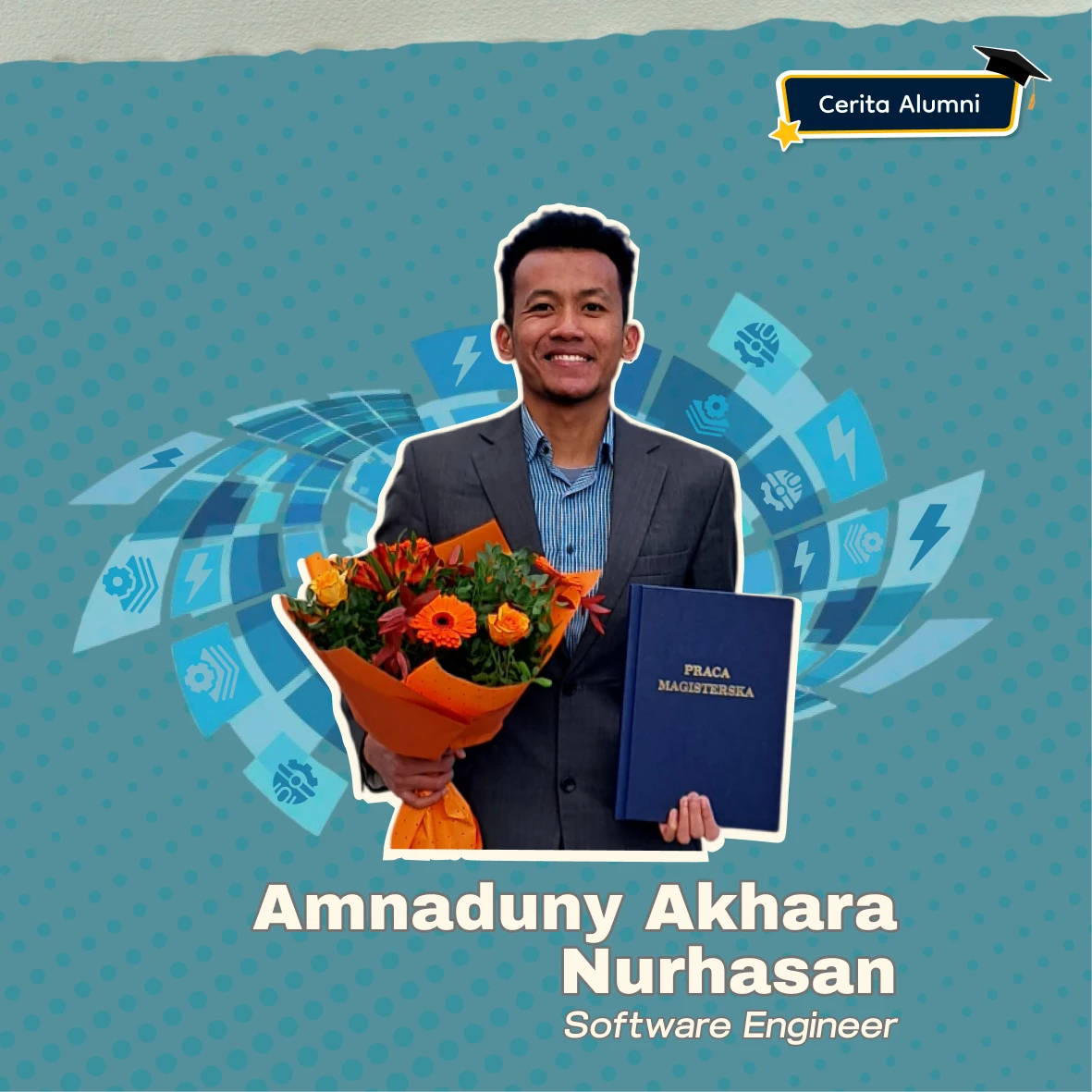
His fearlessness in chasing every opportunity earned Amnaduny Akhara Nurhasan postgraduate scholarship in Poland. Today he holds a well-paying position at Rockwell Automation.

sdgs-label
sdgs-badge
sdgs-badge
image-featured
30 June 2026

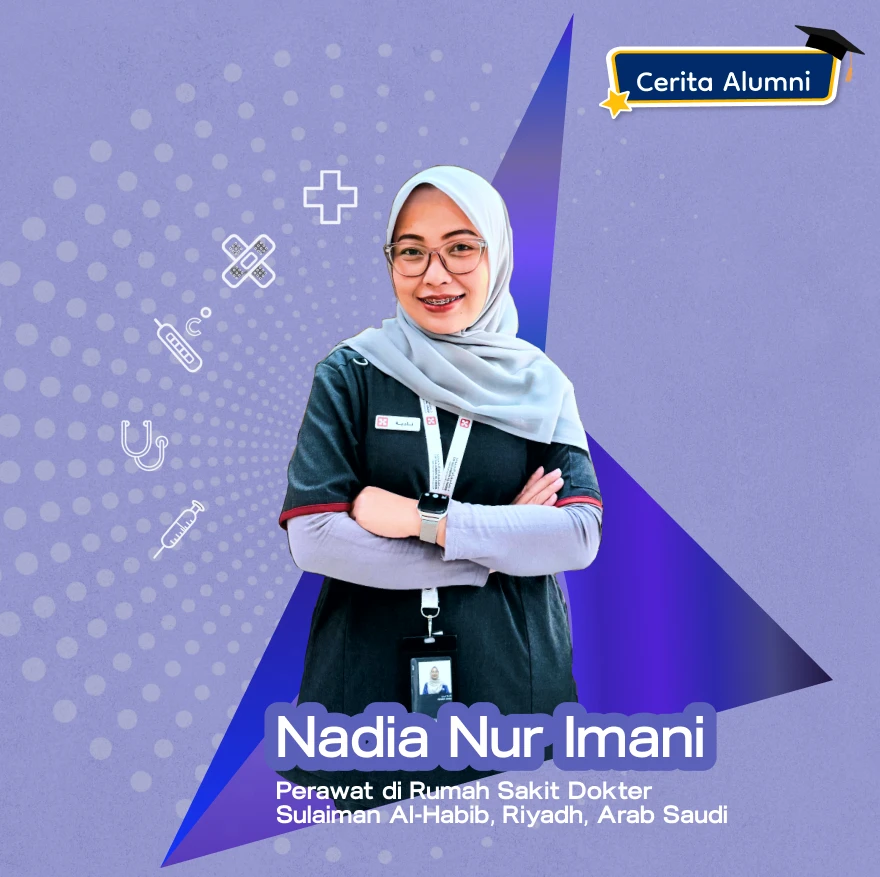
Nadia Nur Imani is determined to fulfill her mother's dream by becoming a nurse, opening a new path to The Land of the Two Holy Mosques

sdgs-label
sdgs-badge
sdgs-badge

UMS Newsletter

Nothing’s more special than reading curated news just for you.
Subscribe to the UMS Newsletter for free today.

Explore our newsworthy articles on ums.ac.id

icon

Research

Featured articles unpacking research by UMS lecturers.

icon

Global Pulse

In-depth articles featuring infographics.

icon

Academia Star

Profiles of outstanding UMS lecturers and students.

icon

Alumni Stories

Inspiring stories of UMS alumni building their careers.