Far From Home, Closer to the Dream
6 Juli 2026
Sili built a good life as a government engineer in Fiji. To answer his father's promise, he had to leave all of it behind


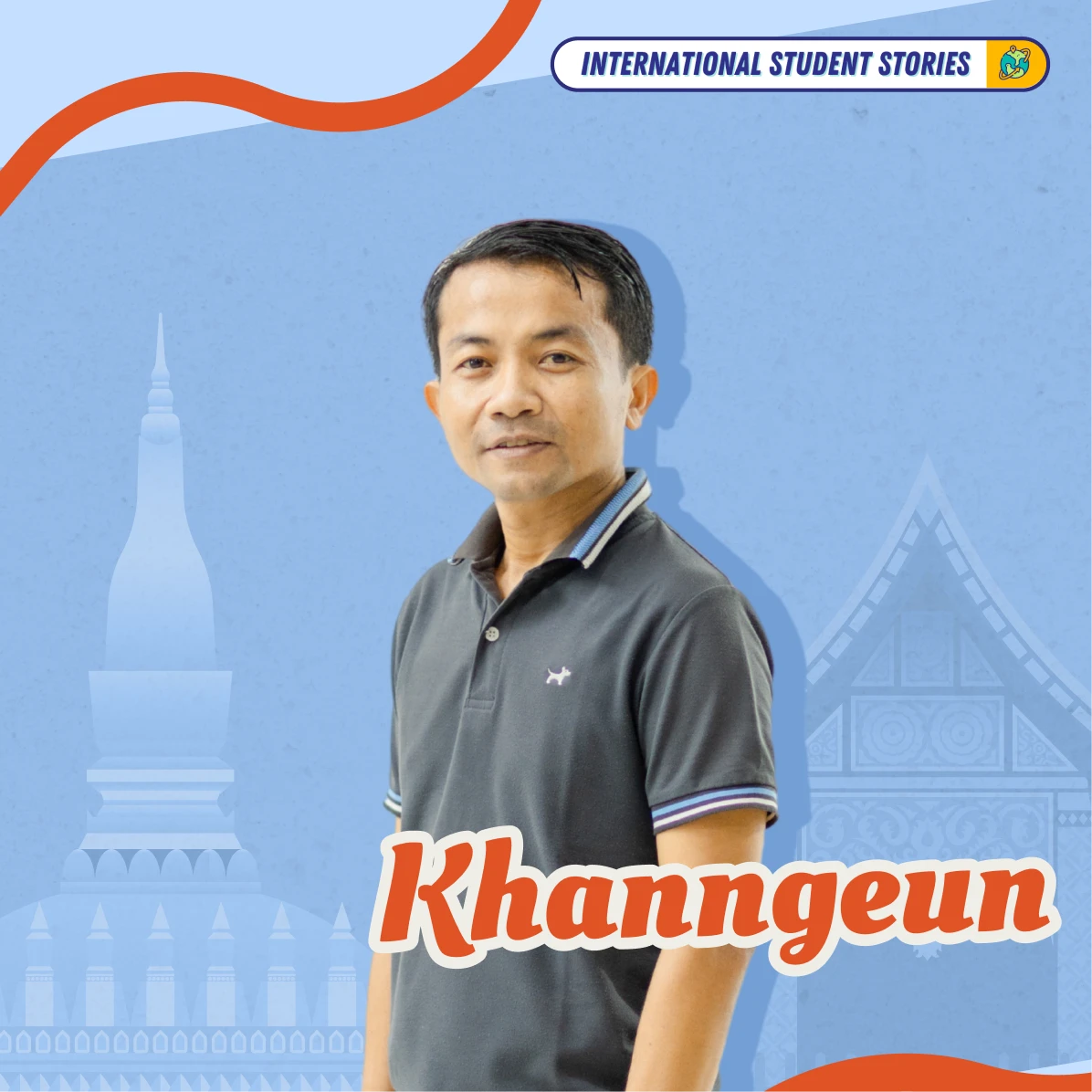
Since time immemorial, the Mekong River has shaped the livelihoods of those who depend on its ever-changing waters. Though difficult to traverse, the river offers an abundance of fish and fertile soil that sustain the people living along its banks, giving rise to communities nourished by its life-giving currents.
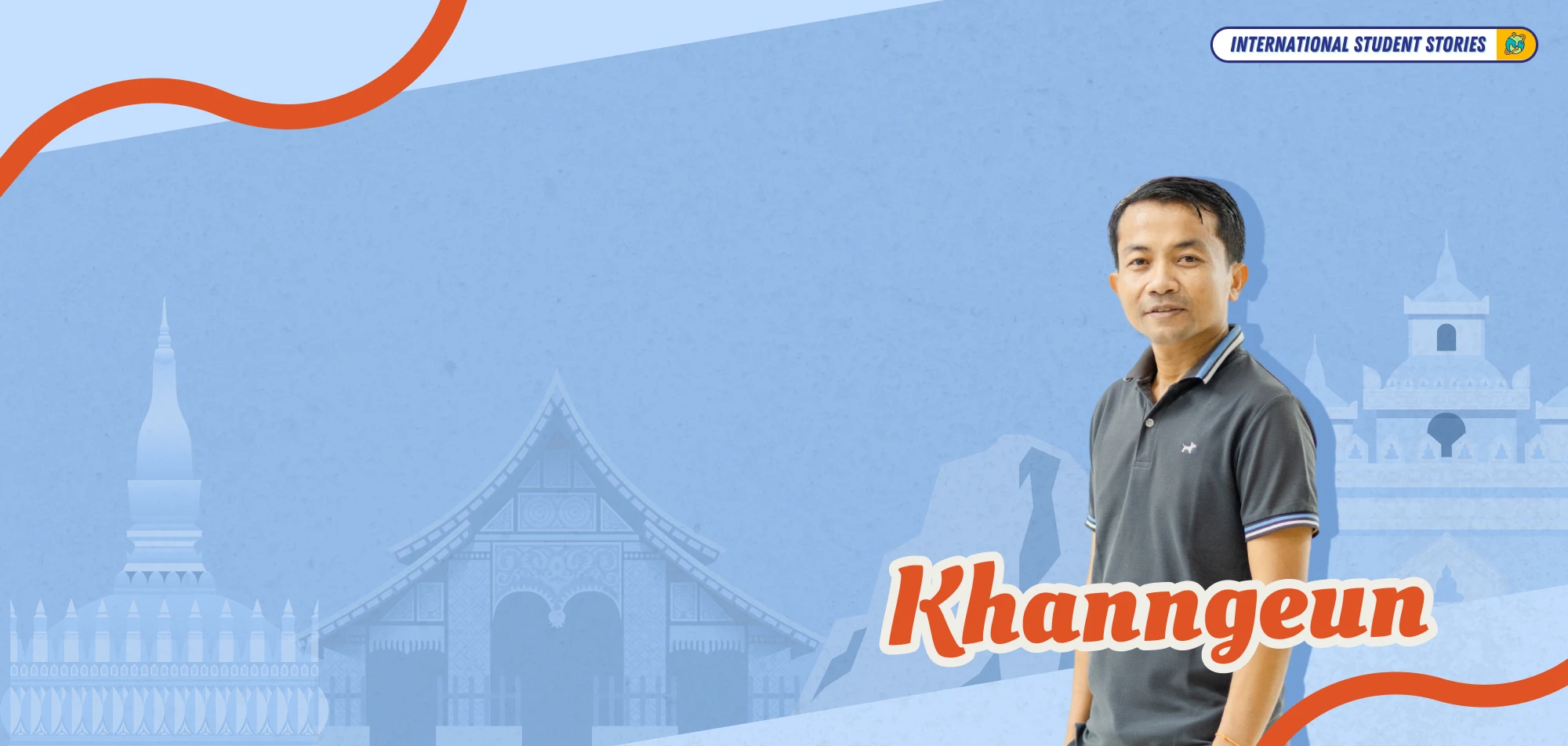
One such town is Pakse, nestled at the confluence of the Xe Don and Mekong rivers. This prime location transformed Pakse into a gateway, connecting Laos with neighboring countries through trade and culture. It was in this town that Khanngeun grew up, his life bound by both the river’s bounty and his family’s humble farming traditions.
“Every Sunday I would go with my family and do gardening on our lemon orchard. When it's the rainy season we grow rice and plant cassava,” Khanngeun recalled with a smile.
While the river shaped his skills in farming and fishing, it was his father's belief in education that planted the seeds for a different kind of growth. “My father knows the importance of language. He taught me Chinese and pushed me to study English, ” Khanngeun shared.
When his father passed away in 2021, Khanngeun felt a deep responsibility to continue his education and fulfill the dreams they had spoken of. He enrolled in a bachelor’s program in English education at the Champasak University, knowing that mastering English would open doors not just for him, but for his entire community.
Determined to take this vision even further, Khanngeun sought out opportunities abroad, eventually landing a spot at Universitas Muhammadiyah Surakarta (UMS) in Indonesia to pursue a master’s degree in English Education.
His decision to study at Universitas Muhammadiyah Surakarta wasn’t made overnight. He confessed to having done extensive research. He had heard of UMS’ international reputation and decided to take a chance.
“Although I’m Buddhist, I still chose UMS. I knew it was an Islamic university, but to me, education is universal, regardless of religion,” he explained.
Khanngeun appreciates the educational system of UMS where the lecturers guide students, and students are also encouraged to take initiative and learn independently. “In the classroom we are not only taught by lecturers, they also facilitate our independent learning which is very good.”
Among the many courses offered at English Education UMS, Khanggeun is particularly drawn to curriculum development, particularly in resource-limited environments. From his experience traveling, many schools still lacked access to modern educational technology, projectors, for example, were rare.
“In some schools, they don’t have access to the latest technology. This can be a challenge, but it also means we need to create curricula that fit these situations. We have to work with what we have and make learning as effective as possible.”
His goal is to take the knowledge he gains from Indonesia and apply it to reform education particularly in the teaching of English. “To connect with the world, communication is key, and that’s why English plays such an important role,” Khanngeun said.
“In the future, I hope to contribute to making English learning more interactive and engaging for students.”
Although only in his first semester, Khanngeun was already active in many competitions and seminars, during first year he attended a KNB Scholarship Recipient Summit, and also competed in Festival Handal in Bali.
“It was nerve-wracking but so rewarding. I didn’t win, but the experience was unforgettable. It’s something I never thought I’d do, competing in a language that was foreign to me just a year ago.” said the man who loves traveling.
Living in Surakarta was full of surprises for Khanngeun. “One time I only had 12,000 rupiahs in my pocket,” Khanngeun said with a laugh, recalling his experience in Surakarta. A friend had given him a small sum, but it wasn’t enough to buy bread. “I tried to buy it, but it was 20,000 rupiahs yet the seller just gave me the bread for free!” he added with a grateful smile.
That small act of kindness was a sign of the warmth and generosity he would come to experience throughout his time in Indonesia. “Indonesians are incredibly friendly,” Khanngeun said. “Even though I didn’t speak Bahasa Indonesia very well at first, people were patient. They helped me.”
Despite the language barrier, Khanngeun quickly adapted to life in Surakarta. He realized that, apart from the absence of the giant river running through the city, there wasn’t much difference between Surakarta and Pakse. Both places were rich in culture and community, and the people were always willing to lend a helping hand.
“Language was definitely the biggest hurdle at first,” he admitted. “Learning Bahasa Indonesia was tough, but it’s getting better. The more you use it, the easier it gets.”
To help ease communication with the locals, Khanngeun often headed to the football field in the afternoons to jog or just hang around. Whenever he noticed a group getting ready for a game, he’d casually ask if he could join. “I love football, but I don’t have a team here,” he said with a chuckle. “So I just wander around the field and ask if I can jump in.”
While his approach often worked, Khanngeun admits that his ability to communicate with the locals still has a long way to go.
“It’s still hard to have a real conversation,” he said, “but at least we’re having fun, and that’s what matters.”
One particularly memorable moment came when Khanngeun, eager to experience local life, offered to help a farmer plant rice paddies. I didn’t know much about Bahasa Indonesia at the time, and he didn’t speak English, but we worked together, communicating with gestures.
“It brought back memories of working alongside my father on the farm.” Khanngeun held onto a remembrance of their time together.
As he looks ahead, Khanngeun is determined to bring the lessons he’s learned in Indonesia back to his community, with the hope of using his education to make a difference. In doing so, he continues to honor his father, who first sparked his love for learning.
“You know, my father was right,” Khanngeun reflects. “In the past, it was the river that connected people, but now it’s language and knowledge.”
Writer: Farizal Luqman Majid
Editor: Al Habib Josy Asheva
Sili built a good life as a government engineer in Fiji. To answer his father's promise, he had to leave all of it behind
Tak ada yang lebih spesial dari membaca berita pilihan redaksi hanya untukmu.
Langganan gratis UMS Newsletter sekarang.