Far From Home, Closer to the Dream
6 Juli 2026
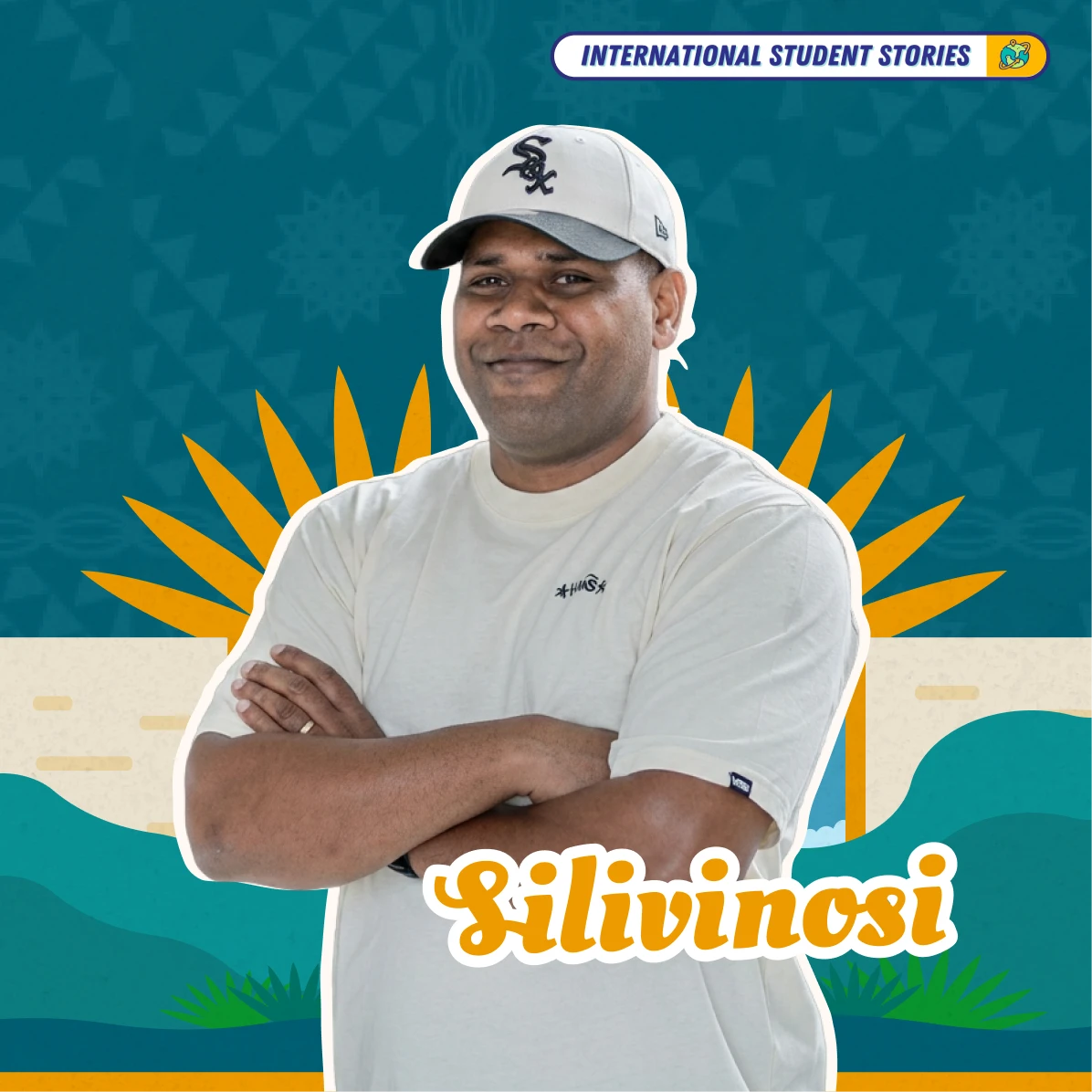
Sili built a good life as a government engineer in Fiji. To answer his father's promise, he had to leave all of it behind


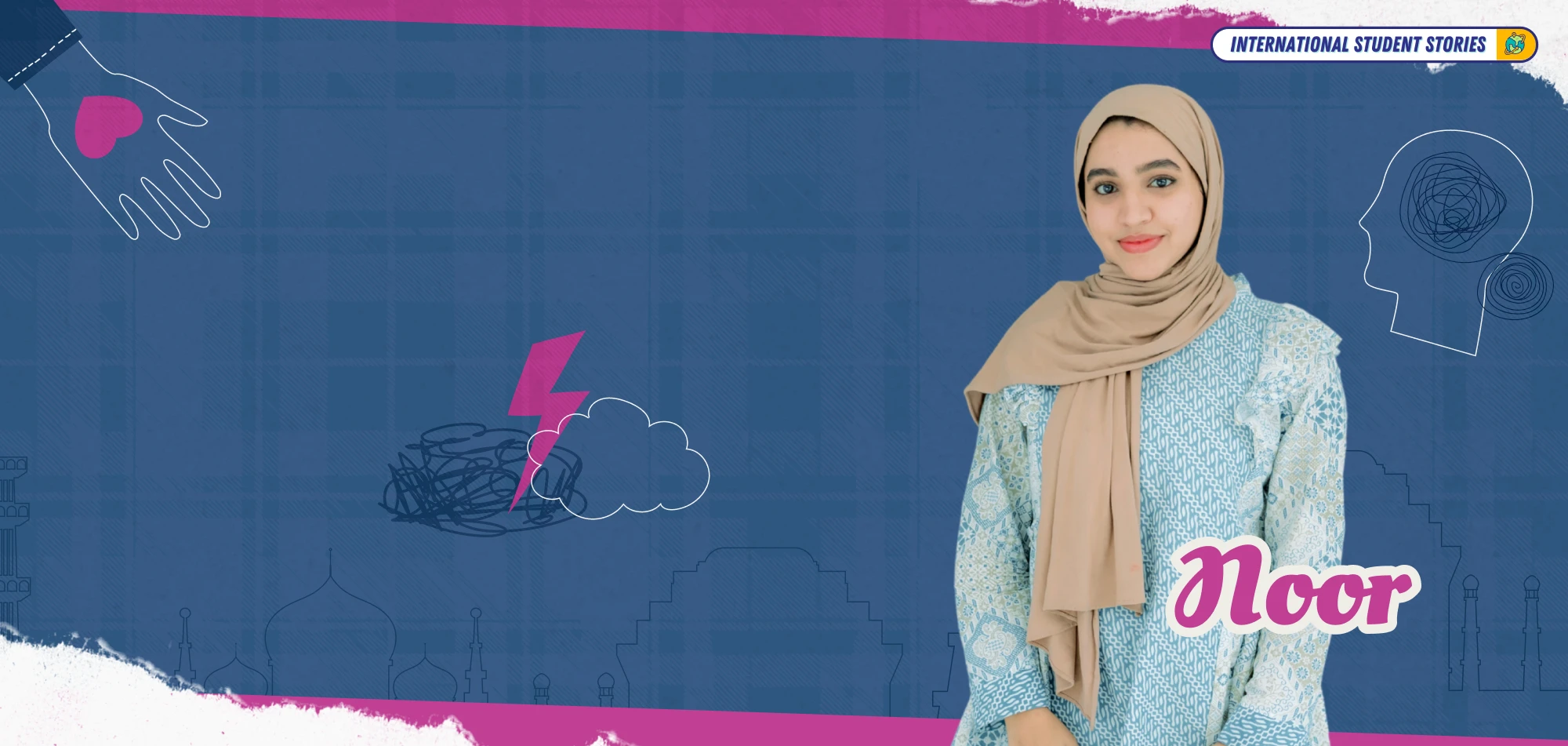
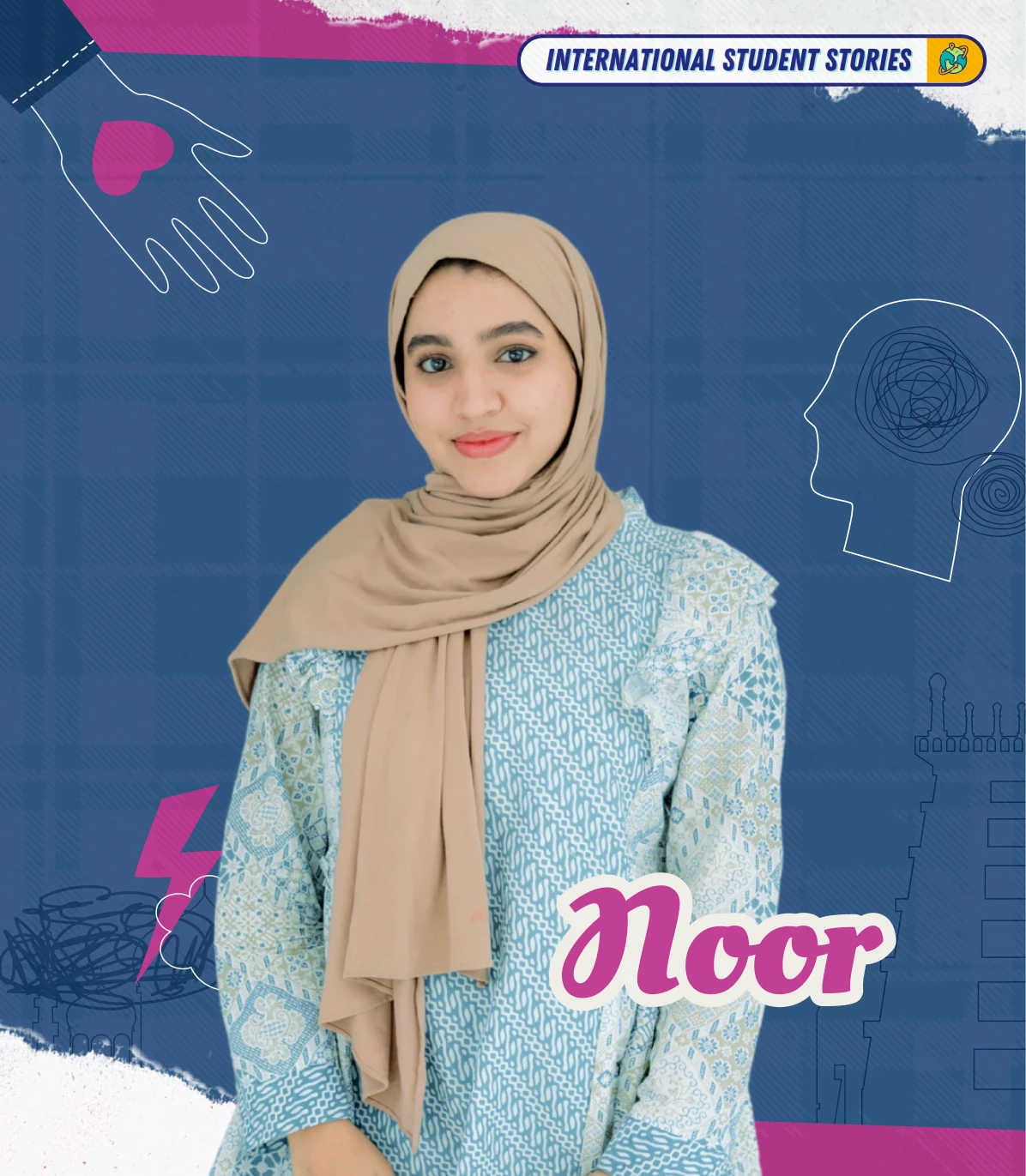
Noor Fathima Thottungal was seventeen the first time she walked into a drug rehabilitation center. She was terrified.
“Society made you believe that addicts are dangerous,” said the Calicut-born student.
She had signed up to volunteer during her gap year in Calicut, India, part of a stretch that also took her through cancer wards and state hospitals. The rehab center was supposed to be an observation, a chance to watch professionals at work.
Instead, she found herself sitting with patients who wouldn't make eye contact. Men and women convinced that no matter how long they stayed clean, they'd always be seen as addicts. One patient told her his family had visited that morning but barely spoke to him. The silence hurt more than withdrawal, he said.
“That experience never left me, they were just people. Normal people dealing with things most of us can't imagine,” said Noor.
She watched what happened when someone finally got treatment. Progress came slowly, then visibly. But she also saw the ones who came too late, who had let shame win for so long that recovery became harder than it needed to be.
Four years later, that memory is still driving her. It pushed her to look beyond the standard paths, eventually leading her to a scholarship in a country she had never planned on visiting.
Noor didn’t exactly have Indonesia pinned on her map when she started planning her future. Like so many looking in from the outside, her image of the archipelago started and ended with Bali.
“My friends were genuinely panicked, telling me, 'Why Indonesia? There will be tsunamis! Think twice!'” she laughed, looking back on the skepticism. Her family was equally baffled, with uncles pressing her on why she wasn't aiming for the UK or the US.
While scouring the internet for opportunities, she discovered the IPS scholarship at Universitas Muhammadiyah Surakarta (UMS). The scholarship was the hook, the curriculum sealed the deal. She had been hunting for a Nursing program taught entirely in English, a rarity that had proven impossible to find at other Indonesian universities until she clicked on the UMS website.
Now 21 and in her third semester, Noor found that UMS offered an environment that matched her values. The transition was smoothed by lecturers who had studied abroad themselves.
“You could say they care about students' mental health,” she said. “They don't pressure us unnecessarily.”
True to her experiences, moving abroad did not stop her volunteerism. Just two months after arriving, she was in Bandung for a week-long volunteer camp, teaching English to children. She sat for this interview just moments after stepping out of a cultural exchange event.
“It gets pretty hectic during some months, but I’m used to it,” she said.
The Mental Health Nursing course this semester made the connection sharper. She learned how small symptoms can grow into something that swallows a life. “I can't look past even mild symptoms anymore,” she said.
She didn't wait to settle in before getting to work. By her second semester, she was already co-authoring a book with a lecturer on hypertension and cholesterol and preparing for clinical rotations. She also discovered new dimensions to the field, such as digital nursing.
“I never knew you could develop a website about nursing care that anyone can access,” she noted.
Noor is already eyeing a PhD program in neuroscience at Harvard Medical School, focusing on mental health nursing.
"Mental illness is a broad spectrum,” she said. “It includes behavioral addictions, mobile phone addiction, attention disorders like ADHD, anxiety, depression. Many people suffer silently because they feel ashamed or afraid to seek help.”
Her goal is simple: access.
She envisions a healthcare landscape where the fear of asking for help simply doesn't exist. By bringing services to underserved and remote communities, she hoped to create a world where checking on your mind is just as normal as checking on a physical injury.
She believed it's possible because she’s seen what a simple human presence can achieve. She wanted to replicate that moment of the nurse staying by the side of a disconnected patient, listening until the isolation begins to crack.
But to carry the weight of others' stories, Noor learned she needed to find her own center first.
That balance is what she found in Solo. On weekends, she climbs mountains. On weekday mornings, she runs. When homesickness hits, she makes plans with friends, coffee, food, her usual spot on Menco Street
"I dreamed of this kind of life," she said. "Peaceful. Solo gave me that."
She is learning to sit with the quiet now, so that one day, she has the strength to sit with those who have no one else.
Writer: Farizal Luqman Majid
Editor: Al Habiib Josy Asheva
Sili built a good life as a government engineer in Fiji. To answer his father's promise, he had to leave all of it behind
Tak ada yang lebih spesial dari membaca berita pilihan redaksi hanya untukmu.
Langganan gratis UMS Newsletter sekarang.