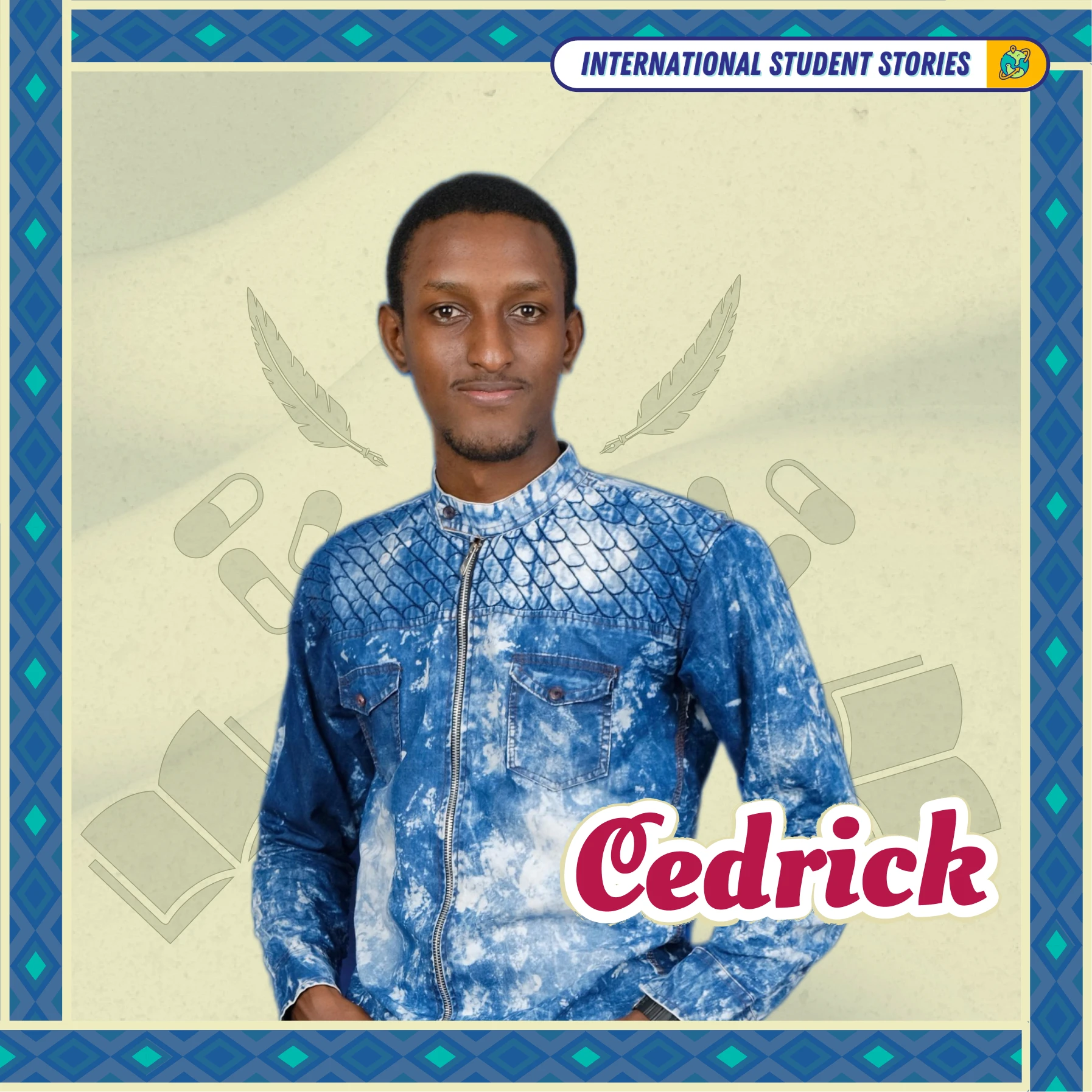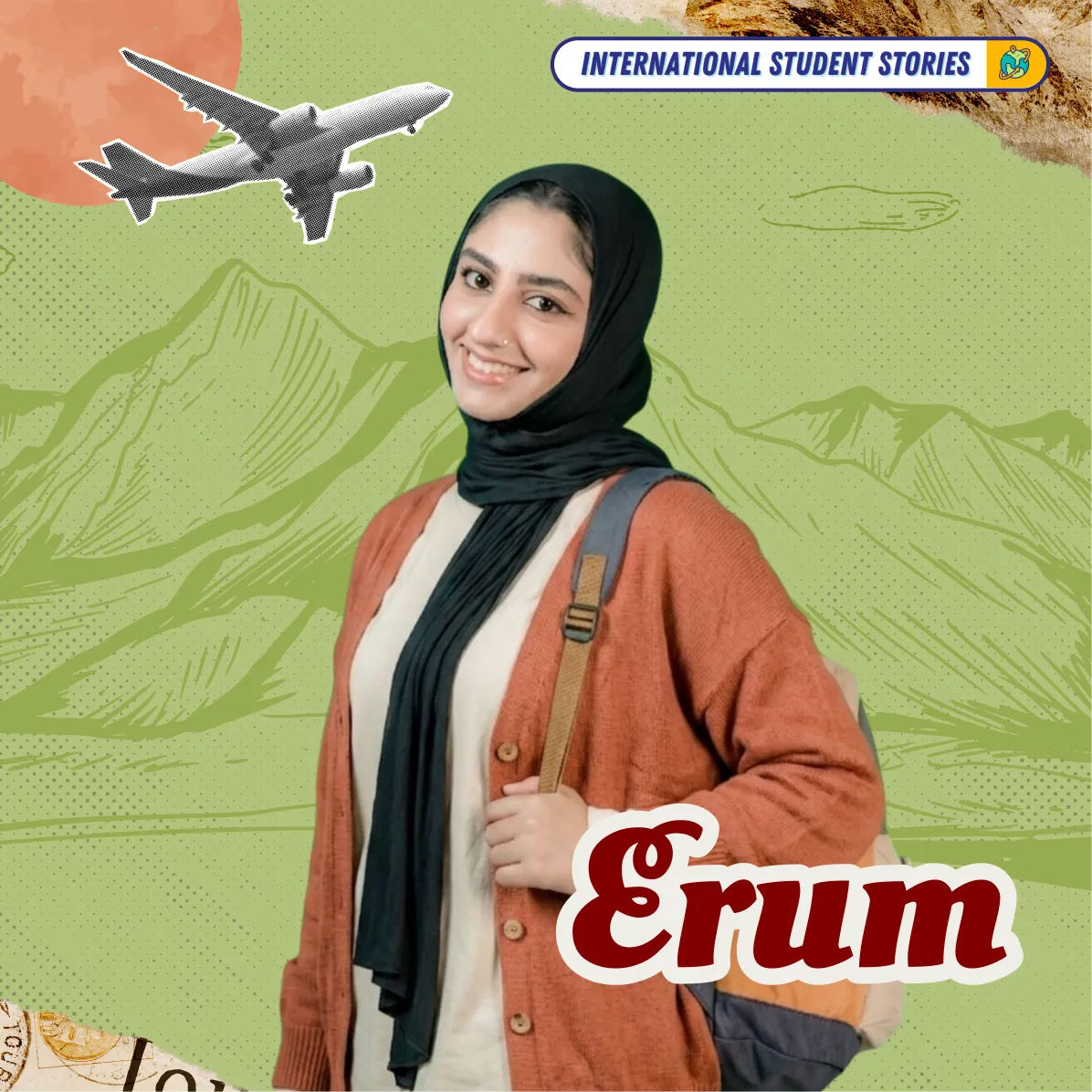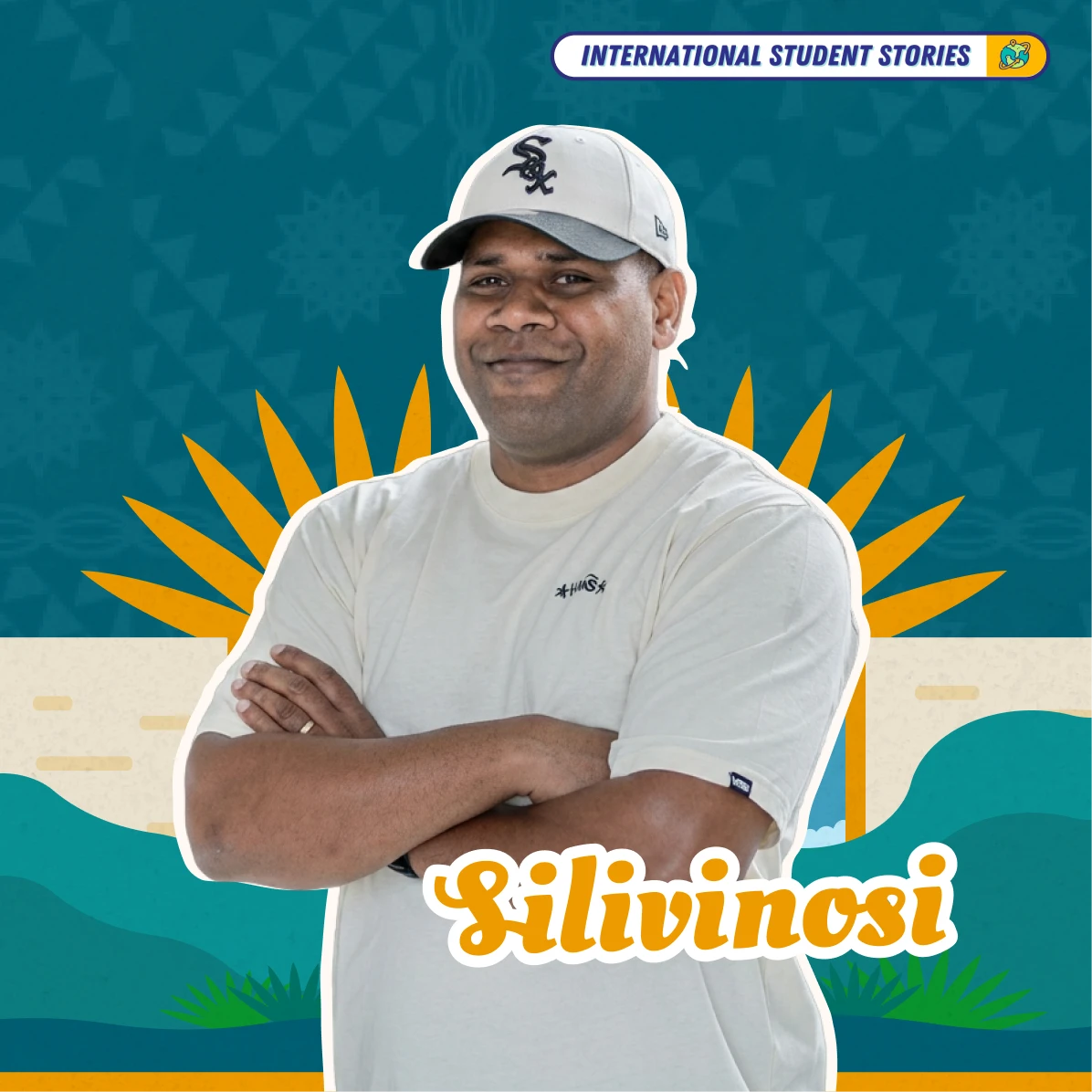
Far From Home, Closer to the Dream
6 Juli 2026
Sili built a good life as a government engineer in Fiji. To answer his father's promise, he had to leave all of it behind


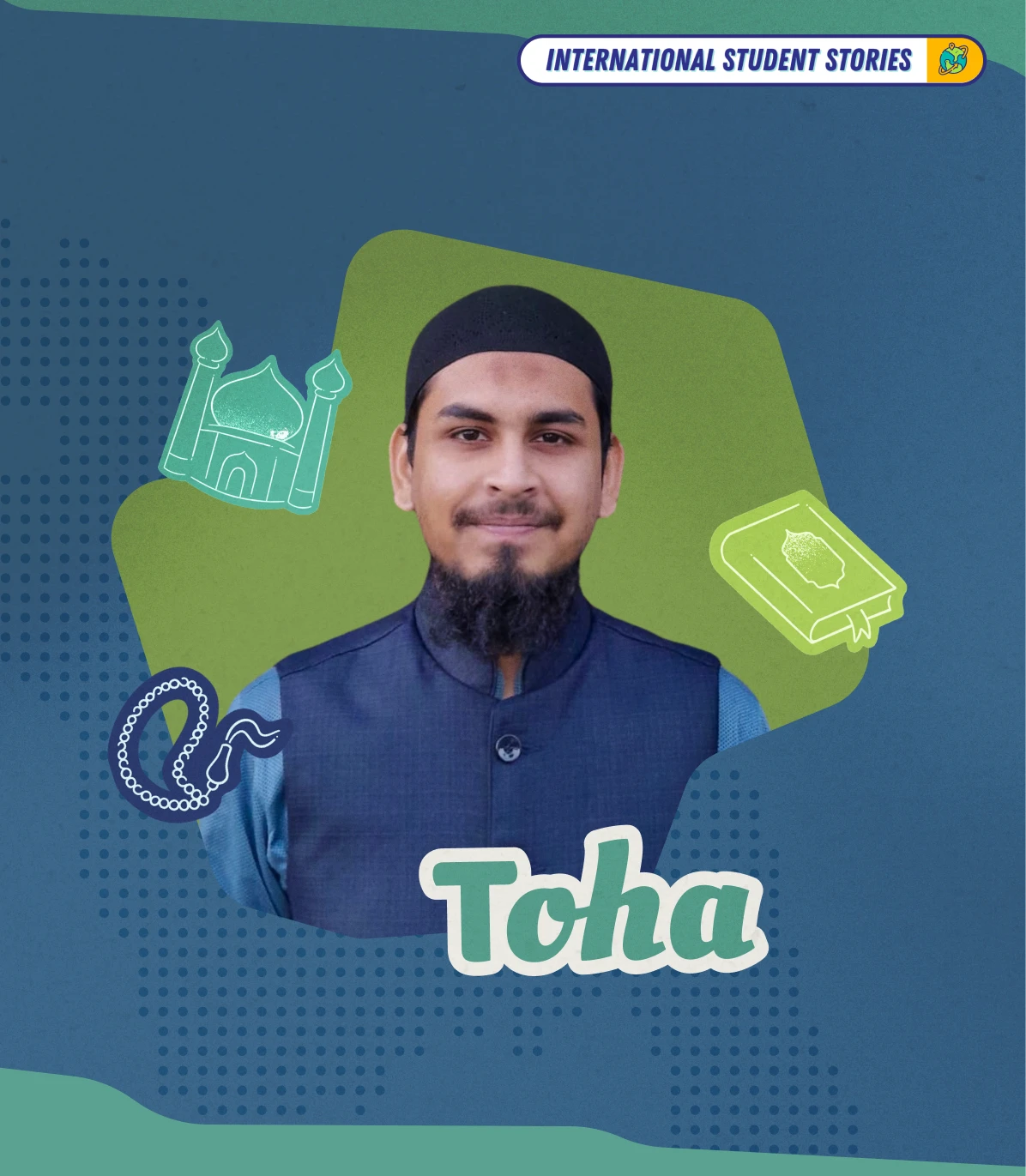
In an era when the global Muslim community is increasingly seeking platforms that blend religious education with cultural openness, the story of Sheikh Abu Toha Md Saky stands out as both timely and inspirational.
Toha comes from Bagerhat, a coastal city in southern Bangladesh where the Ganges meets the Bay of Bengal. It's a region known for its dense mangroves, humid climate, and deep-rooted religious traditions. Raised in this environment, Toha grew up immersed in faith and community life.
Fast forward three years and we met him in a quiet corner office at Universitas Muhammadiyah Surakarta (UMS), where he now studies. Dressed in a taqiyah, long tunic, and sandals, Toha looks every bit the devout scholar.
These days, he zips through the streets of Solo on a motorbike, speaks good Indonesian with a sprinkle of Javanese, and increasingly acts as an informal bridge between Bangladeshi students and Indonesian campuses.
“During the pandemic, I was scrolling on my phone and found that Indonesia offered visa-free or visa-on-arrival entry for Bangladeshi citizens,” he recalled.
He had been considering countries like Turkey or Saudi Arabia. But it was UMS that came through with a scholarship under its International Program for Students (IPS).
“My family was excited when I got the scholarship. I’m the first in our family to study abroad,” he shared proudly.
Before arriving in Indonesia, Toha had studied in a madrasa in Bangladesh, forming a strong foundation in Islamic education. This background naturally guided his decision to major in Islamic Education under UMS’ Faculty of Islamic Studies, where courses are delivered in Arabic and English.
“I chose this major because I wanted to understand how Muslims in Southeast Asia practice Islam. It’s slightly different from what we have in Bangladesh, India, or Pakistan. That curiosity brought me here,” said the 22-year-old student.
Toha has grown into an academic. He’s published several papers, many of which began as class assignments, covering topics such as Contribution of Muhammadiyah Organization in the Field of Islamization of knowledge and comparative studies of Islamic values in Bangladesh and Indonesia. He regularly published his research on ORCID, Scopus, SINTA, Google Scholar and DOAJ.
One paper he’s particularly proud of explores the Islamization of knowledge, a concept pioneered by scholars like Dr. Syed Naquib al-Attas and Ismail Al-Faruqi. “It’s about interpreting modern knowledge through an Islamic lens,” Toha explained. “Muhammadiyah’s approach is compelling. They’re not afraid to engage with modernity.”
He credits several UMS lecturers for encouraging him to write and publish early in his academic journey. “I didn’t think I’d enjoy writing papers this much,” he laughed. “At first, I just wanted to pass the course. But then my lecturer, Mohammad Zakki Azani, S.Th.I, M.Ed, Ph.D said, ‘you should write scientific articles from now on.’ That changed my academic journey.”
What’s especially remarkable is Toha’s dedication, even during semester break. “I think research is not something you switch on and off,” he said. While many students take a break, Toha is heading home to Bangladesh with a plan of launching a collaborative research project with local universities.
“My research aligns with the UN Sustainable Development Goals, especially quality education for all,” he said. “Indonesia has done well integrating tech in schools. I want to explore how Bangladesh can adapt to these successes.”
One of the most enriching aspects of Toha’s experience has been observing the diversity of Islamic practice across cultures. Having grown up in Bangladesh and now studying in Indonesia, he’s developed a deep appreciation for the different ways communities live out their faith.
“In Bangladesh, the role of the Imam is very formal,” he explained. “They’re usually appointed by the government or mosque committees, and it's considered a formal, paid profession.”
In Indonesia, he’s noticed a more community-centered approach. “Here, it’s common for someone from the congregation to lead the prayer if needed. There’s more room for participation from everyday members of the community.”
These differences, he emphasized, aren’t about one system being better than the other, but about cultural context. “In Bangladesh, we mostly follow the Deoband school of thought, which has a long history rooted in the Indian subcontinent. It’s structured in a particular way. In Indonesia, I’ve seen various traditions, Muhammadiyah, Nahdlatul Ulama, and others, each with their own interpretations and emphasis.”
He also sees these expressions of faith as shaped by historical experience. “I’ve heard of Wali Songo,” he said, referring to the nine ustaz credited with spreading Islam in Java. “Their approach was very integrative. They brought Islam in a way that blended with local culture and traditions. I think that influence is still felt today.”
Rather than drawing lines between traditions, Toha sees his exposure to both as something that has deepened his understanding of Islam as a diverse and dynamic religion. “Each place brings its own strength,” he said. “Being in Indonesia has expanded my view of what it means to live as a Muslim in today’s world.”
Toha’s experience reflects a cross-cultural Islamic education, where students are not only learning about religion but also engaging with how it’s practiced across different societies. His academic and personal journey highlights the value of exposure, dialogue, and research in shaping a more connected and contextual understanding of faith.
“If my story helps someone else take a similar step, then alhamdulillah,” he said with a smile.
Writer: Farizal Luqman Majid
Editor: Al Habiib Josy Asheva
Sili built a good life as a government engineer in Fiji. To answer his father's promise, he had to leave all of it behind
Tak ada yang lebih spesial dari membaca berita pilihan redaksi hanya untukmu.
Langganan gratis UMS Newsletter sekarang.