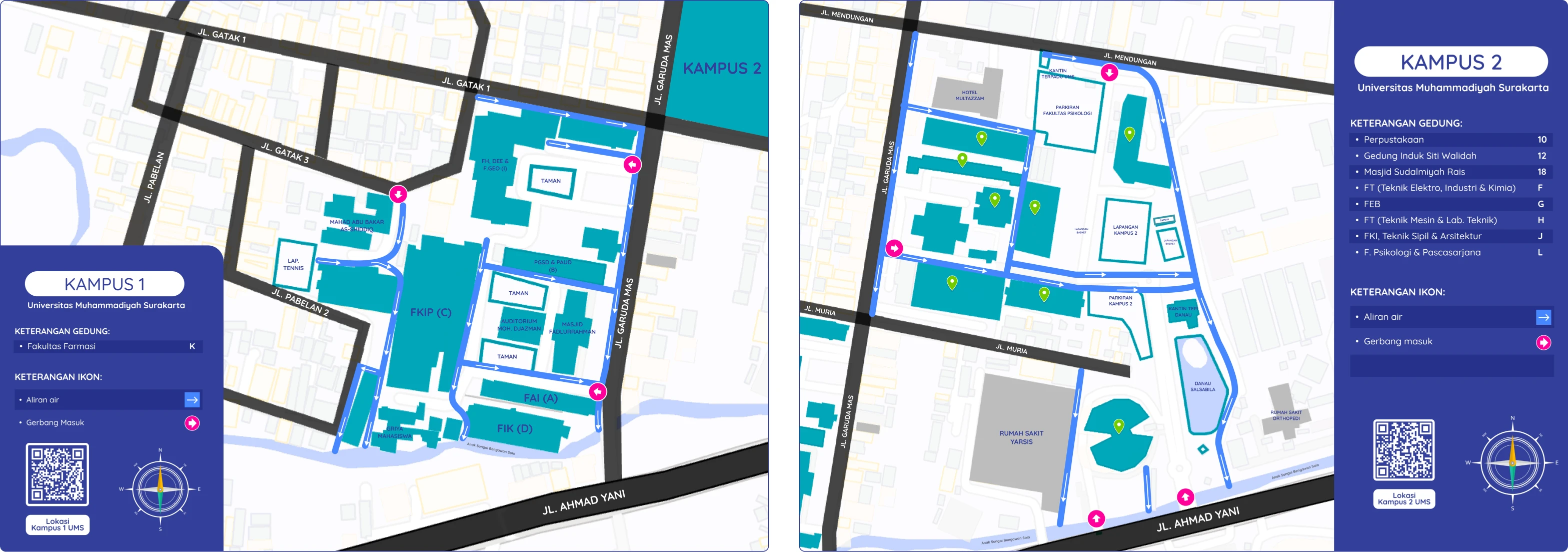
Area for Water Absorption
UMS provides extensive water absorption areas, including reservoirs, lakes, grass fields, infiltration parking areas, and permeable paving, to support sustainable stormwater management. The total water catchment zone at UMS reaches 182,991 m2 or 50% of the total campus area.
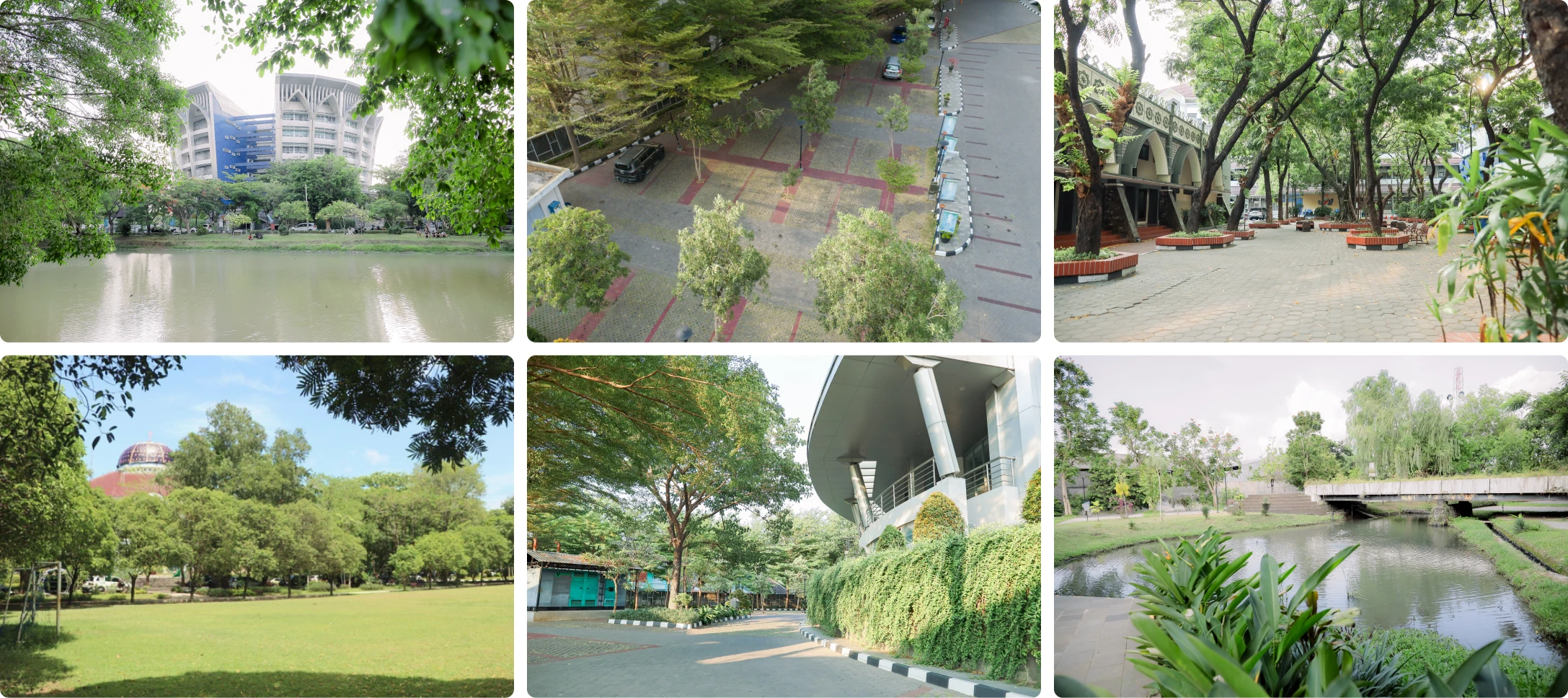
Map of area for water absorption:
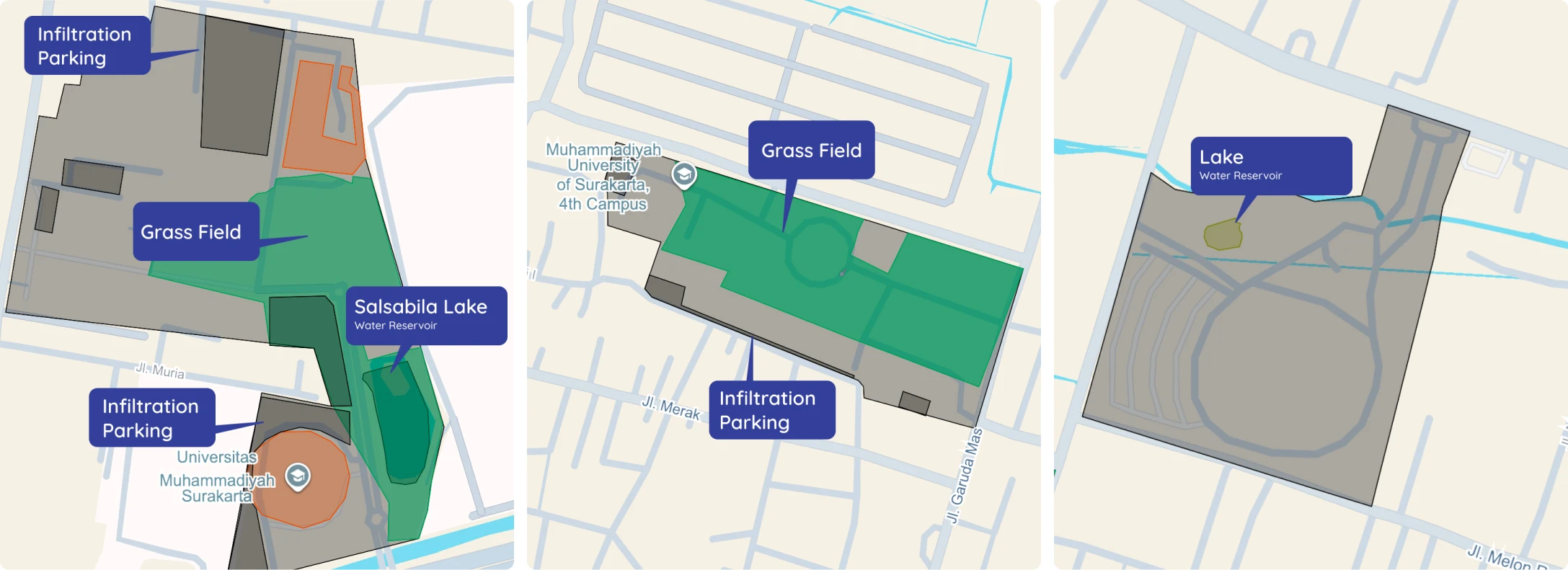
Water Conservation Program and Implementation
UMS implements integrated water conservation programs through reservoirs, lakes, infiltration systems, rain gardens, permeable infrastructure, biopore and wastewater reuse. As a result, the majority of water resources generated and utilized on campus are conserved and managed sustainably, supporting long-term water security and sustainable campus management.
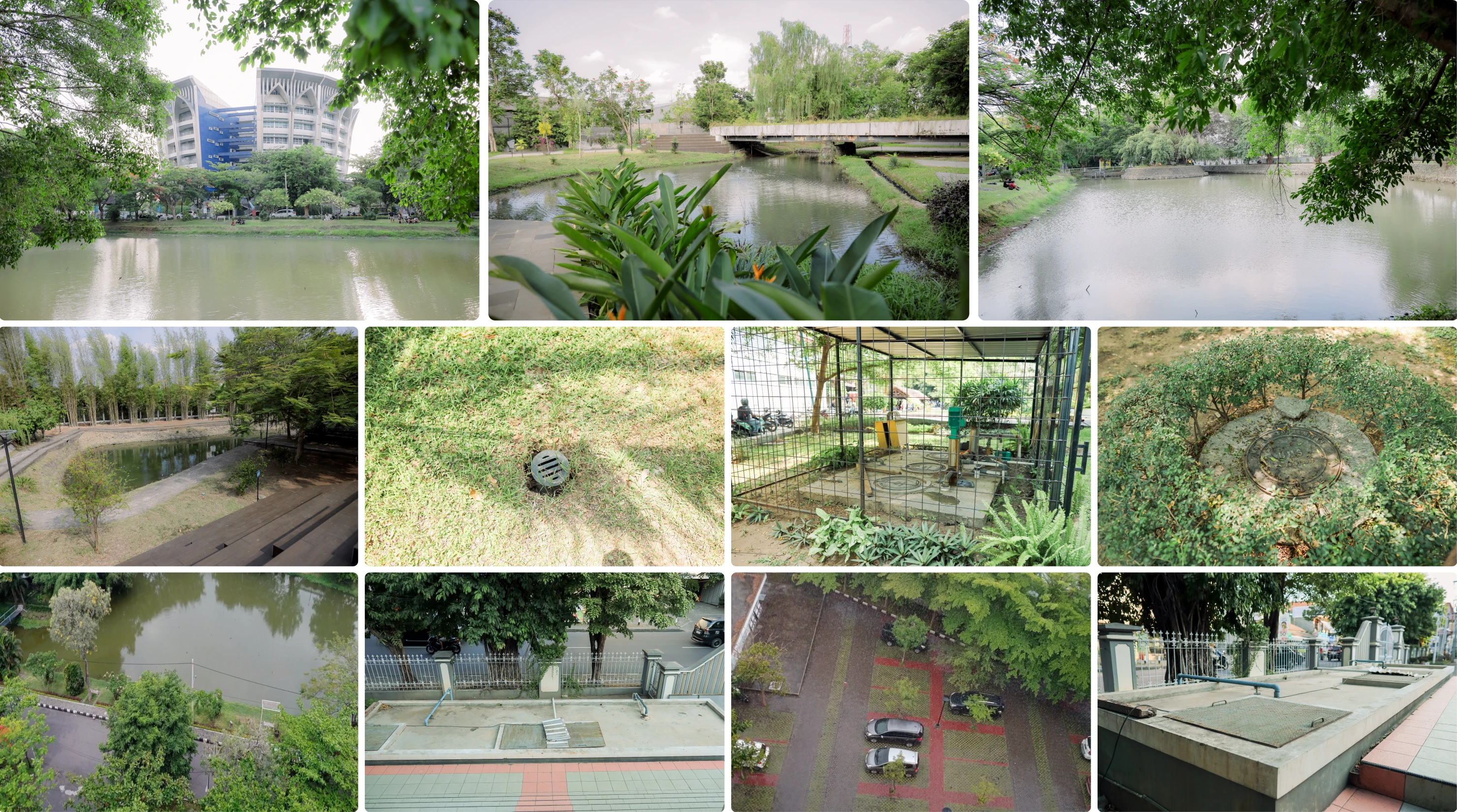
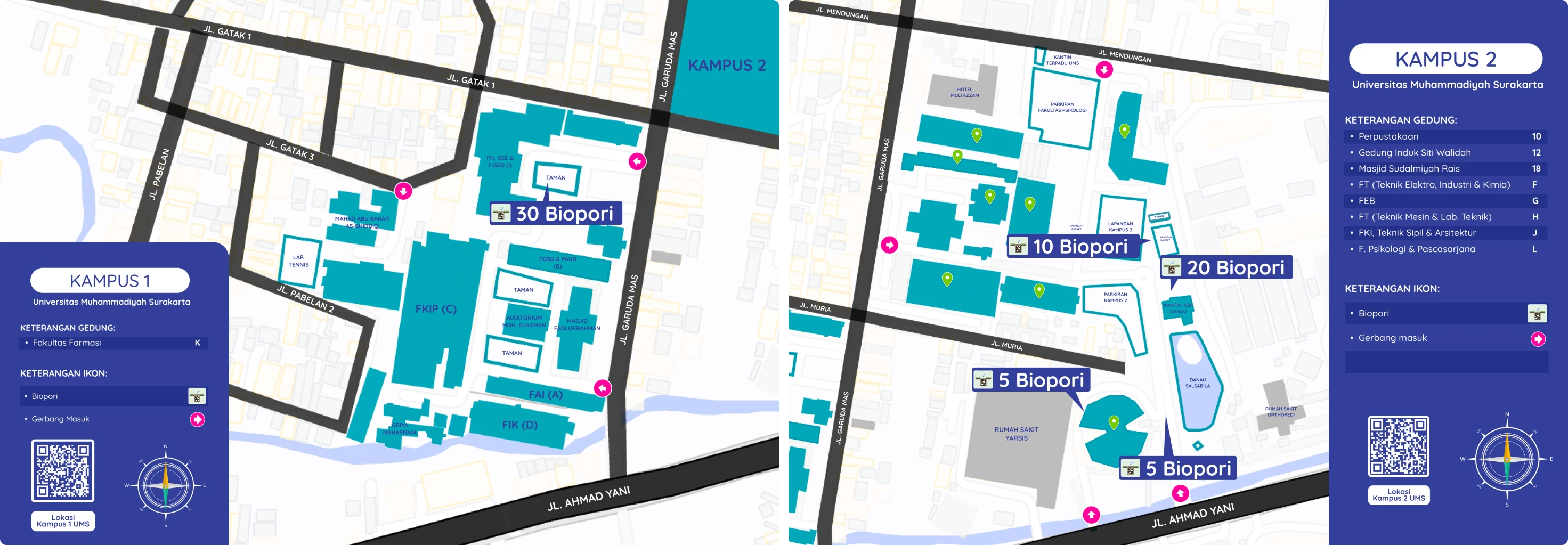
Map of biopore infiltration hole distribution at Universitas Muhammadiyah Surakarta:
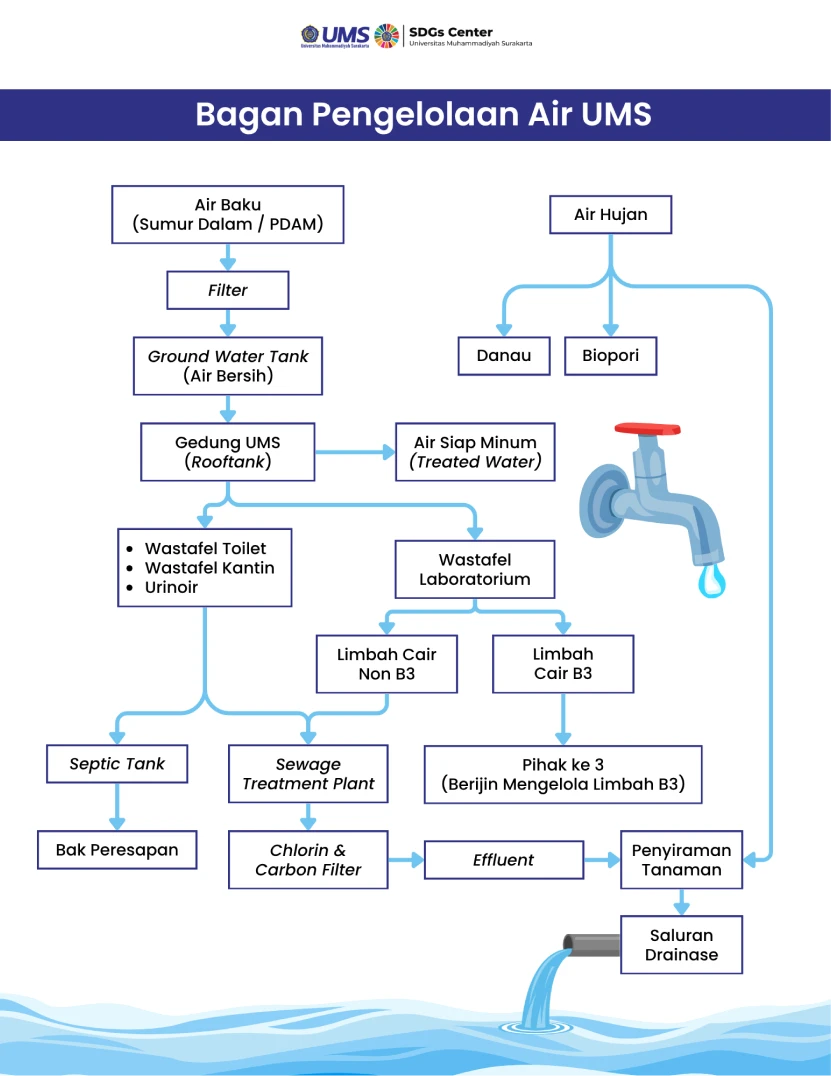
Integrated Water Management Flow Diagram at Universitas Muhammadiyah Surakarta. The diagram illustrates the complete water cycle implemented on campus, including raw water treatment, drinking water distribution, domestic and laboratory wastewater treatment, hazardous wastewater management, rainwater harvesting through lakes and biopores, and the reuse of treated effluent for landscape irrigation. This integrated approach supports water conservation, pollution prevention, and sustainable campus operations.
Water Recycling Program
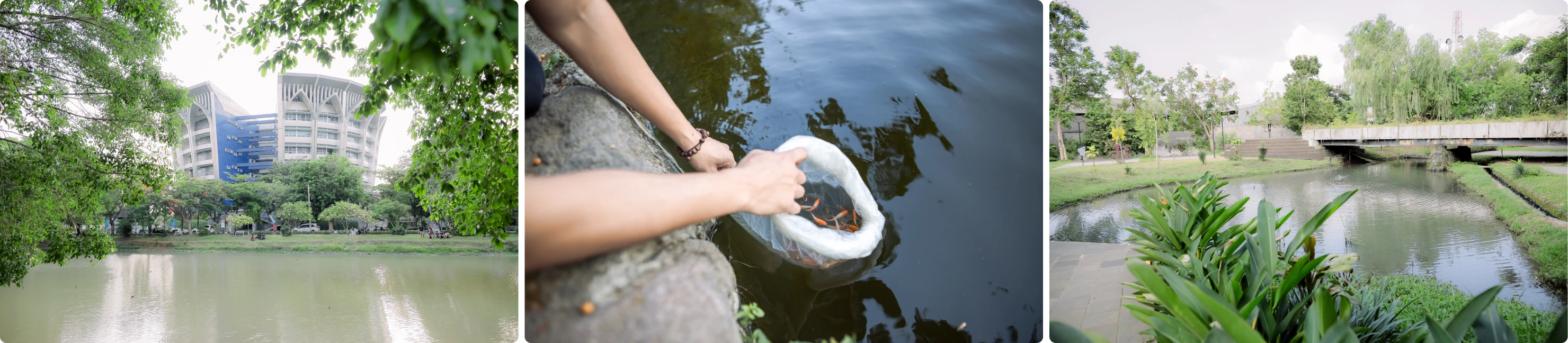
UMS implements an integrated water recycling system by reusing both harvested rainwater and treated domestic wastewater for non-potable purposes, supporting sustainable water resource management.
- Rainwater Recycling: Rainwater is collected and stored in campus reservoirs, naturally filtered through retention ponds and small dam structures, and reused for landscape irrigation, flood mitigation, and aquaculture and aquaponics activities.
- Wastewater Recycling: Domestic wastewater is treated at the Sewage Treatment Plant (STP) through carbon filtration and chlorination before being reused to irrigate campus gardens and green open spaces, reducing the consumption of potable water.
Water Efficient Appliance Usage
Universitas Muhammadiyah Surakarta (UMS) has implemented water-efficient appliances to replace conventional ones, enhancing sustainability and water conservation across the campus. This includes using high-efficiency toilet flush systems, which significantly reduce water wastage. Specifically, 90% of the toilets could be water-saving devices, reflecting UMS's commitment to environmental responsibility. UMS uses a type of Basin faucet, where some faucets become water-efficient appliances because they are equipped with a water-saving feature, namely an aerator.
Consumption of Treated Water
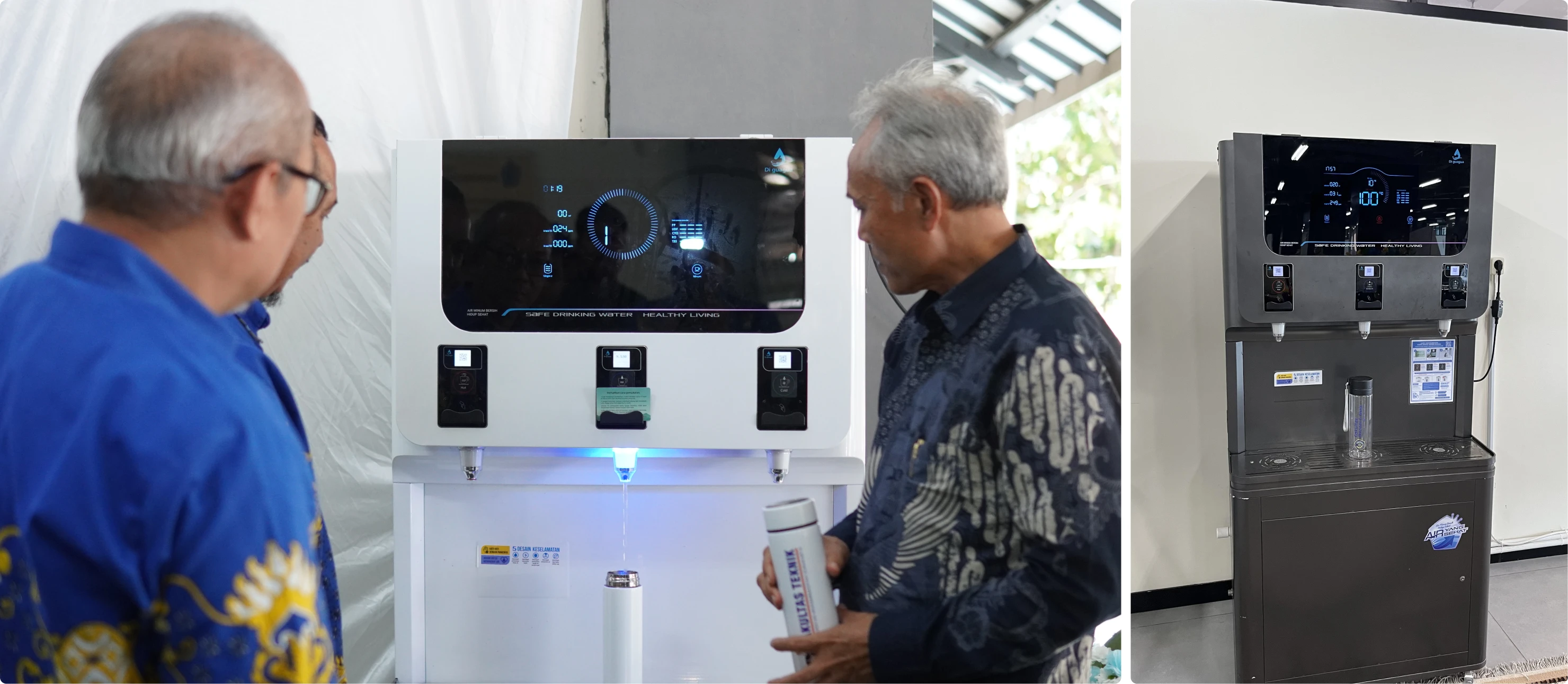
UMS promotes the consumption of treated drinking water by collaborating with PT Cahaya Bumi Intanpari to supply treated water across the campus and by operating Reverse Osmosis (RO) drinking water systems at the Faculty of Economics and Business and the Faculty of Engineering.
These initiatives provide students, academic staff, administrative staff, and visitors with access to safe drinking water, encourage sustainable water consumption, reduce reliance on bottled water, and support the university's sustainability goals.
Water Pollution Control in Campus Area
Universitas Muhammadiyah Surakarta (UMS) implements comprehensive water pollution control measures to protect surface water and groundwater through integrated monitoring, treatment, filtration, and waste management practices.
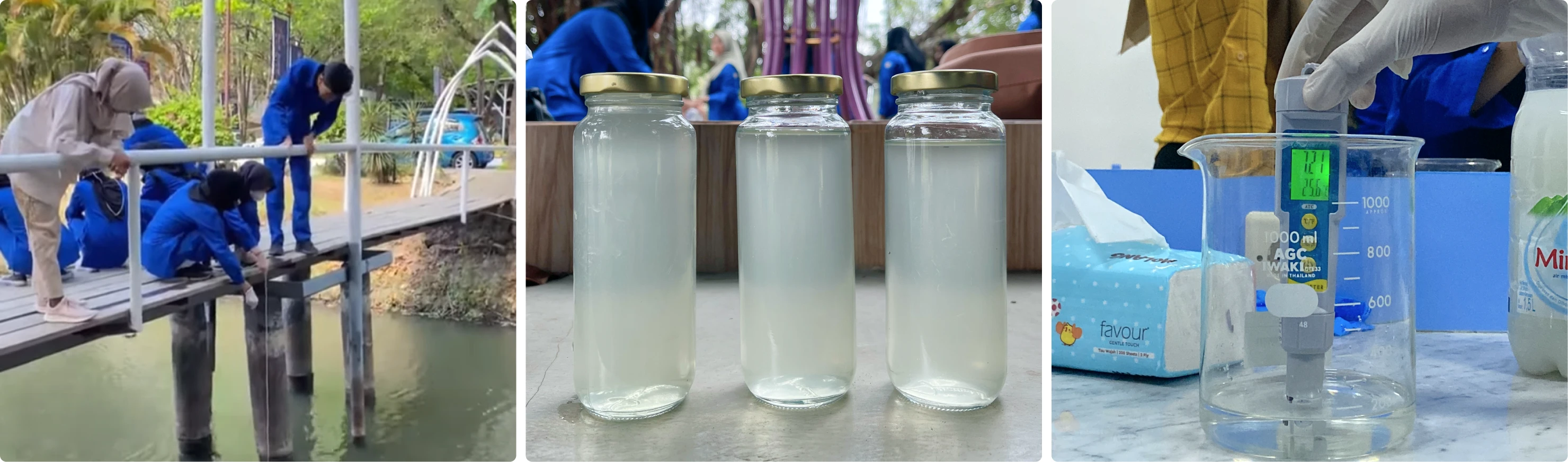
- Water Quality Monitoring: Water quality is monitored every semester through laboratory analysis of Salsabila Lake, including pH, BOD, COD, and TSS parameters to evaluate water conditions and pollution risks.
- Wastewater Treatment: Wastewater from campus facilities, including the teaching hospital, is treated in Wastewater Treatment Plants (WWTP/IPAL) to meet environmental standards before discharge, reducing pollutants and protecting public health and aquatic ecosystems.
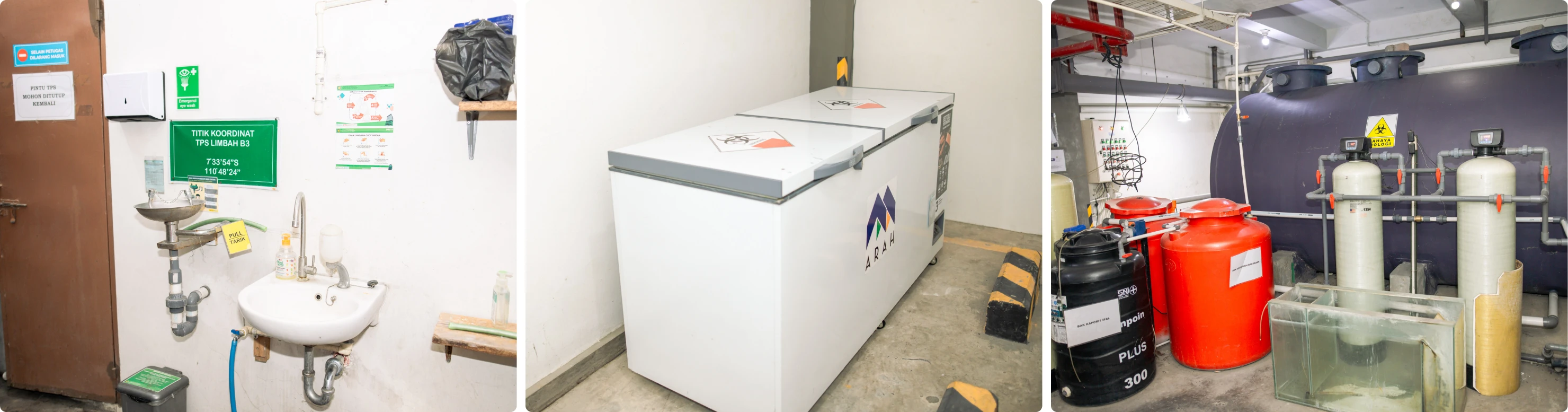
- Hazardous Waste Management: Hazardous and toxic (B3) waste is managed through SOPs, certified personnel, and licensed third-party contractors, ensuring safe collection, transportation, treatment, and regulatory compliance.
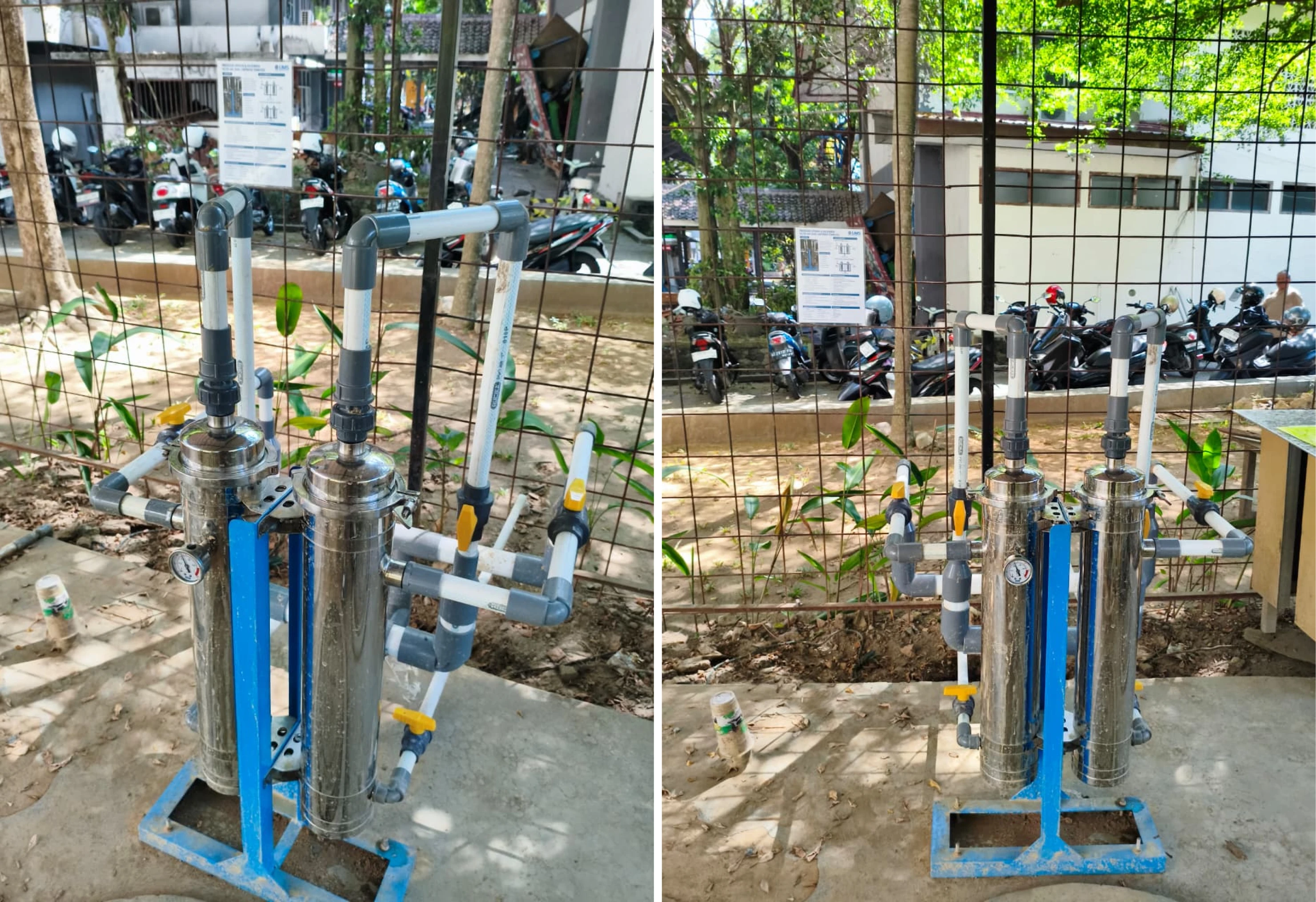
- Water Filtration System: Stainless steel cartridge filtration systems are installed at selected campus facilities and monitored weekly, with routine cartridge cleaning or replacement to maintain water quality.
- Campus Drainage System: An integrated drainage network and regular maintenance help manage stormwater, reduce runoff and erosion, and prevent pollutants from entering surrounding water bodies.