Nano Liquid for Healing Diabetic Ulcers
21 July 2026
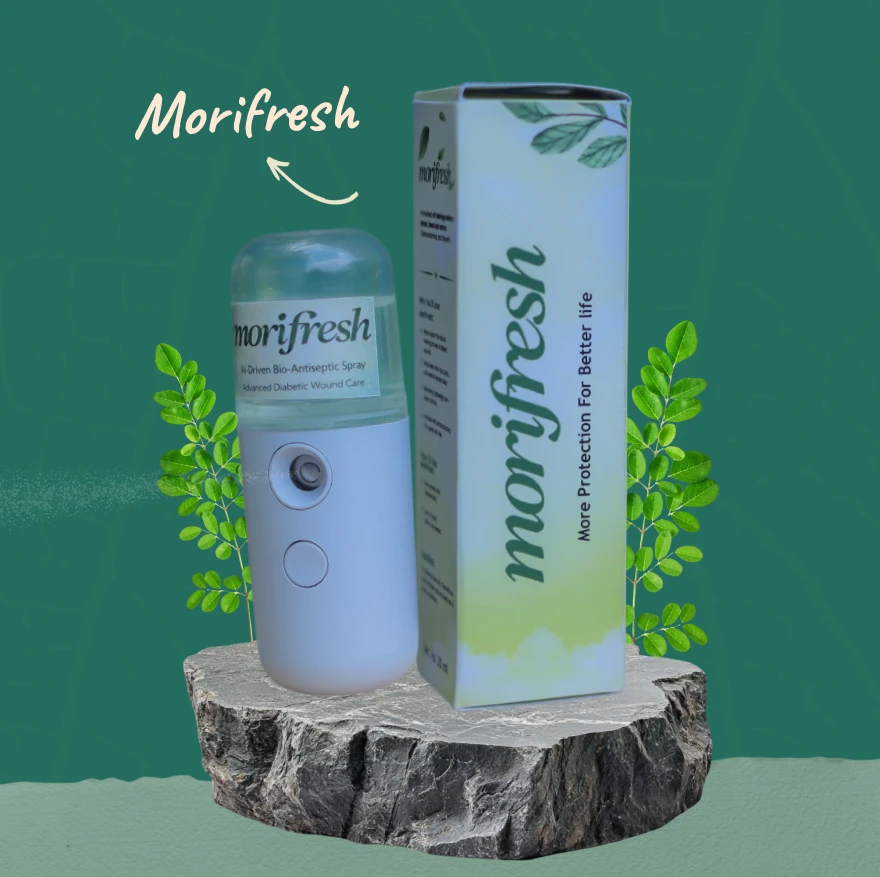
UMS students have formulated a treatment for diabetic wounds from moringa and neem leaves, and carried home gold at WYIE 2026 in Malaysia.


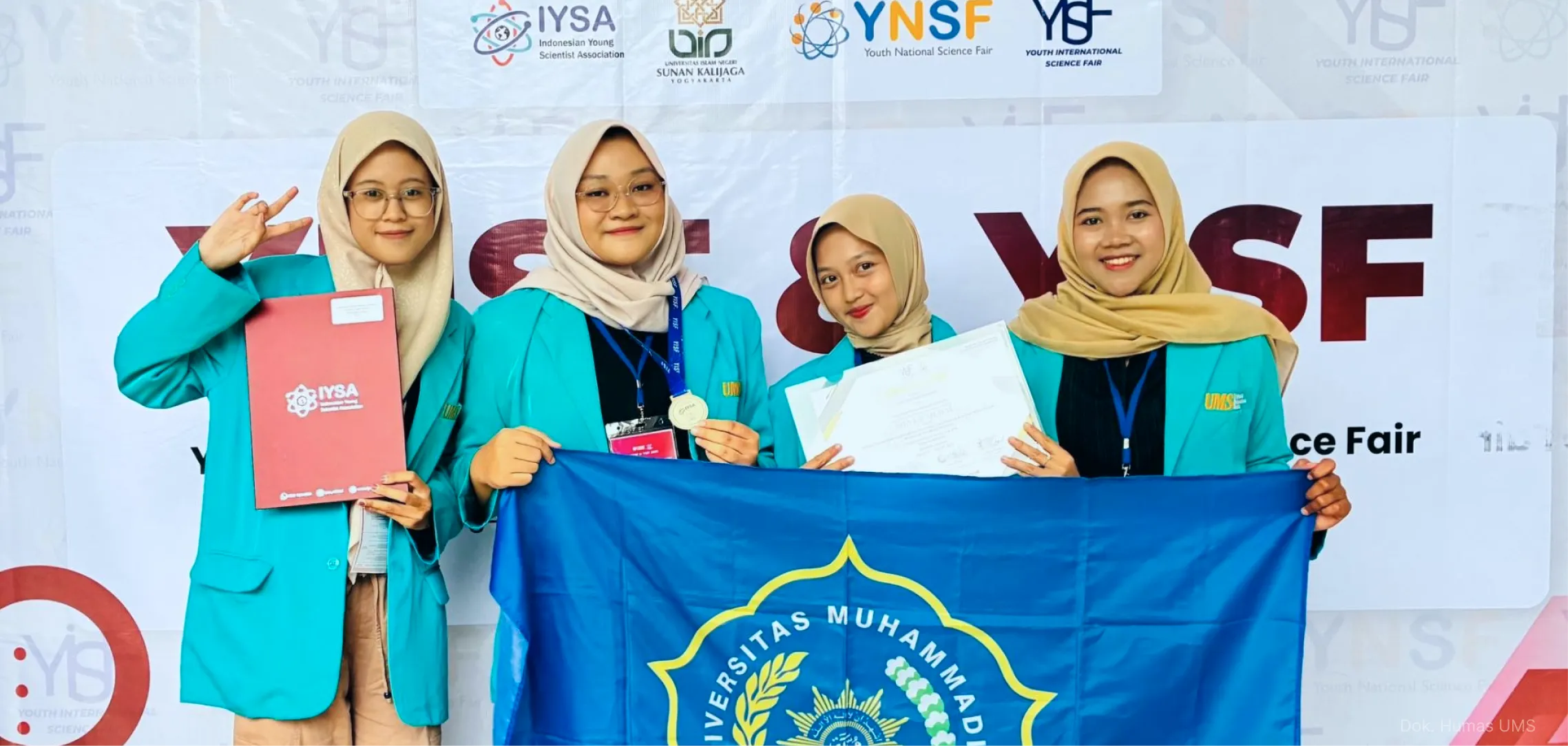
Students from Universitas Muhammadiyah Surakarta (UMS) have once again made their mark on the international stage. The RehaDex team won a silver medal at the International Science Fair held at UIN Sunan Kalijaga, Yogyakarta.
The team presented an innovation titled "RehaDex System: Smart Finger Extension Monitoring System Based on Real-Time Muscle Strength Detection for Rehabilitation Therapy." The team is led by Tsannina Saida Lathifa, with members Najwa Citamajida, Dinaya Ulfah, and Tutut Setya Linda Mahandini, under the supervision of Adnan Faris Naufal, S.Fis., M.Biomed.
Najwa Citamajida, representing the team in an interview, explained that RehaDex System is a tool for measuring muscle strength in real time through a more objective approach. She highlighted that muscle strength measurement in physiotherapy has long been prone to subjectivity.
"Muscle measurement typically still relies on the Manual Muscle Testing (MMT) method, which is subjective in nature. Different physiotherapists can arrive at different assessments. That is what drove us to develop a tool capable of turning subjective evaluations into objective ones," Najwa said in an interview on Sunday (19/4/2026).
The idea for the device originated from a pediatrics coursework assignment. However, the team identified a real problem in the field that pushed them to develop a technology-based solution. RehaDex System is designed to deliver accurate, real-time muscle strength data, helping make the rehabilitation therapy process more measurable.
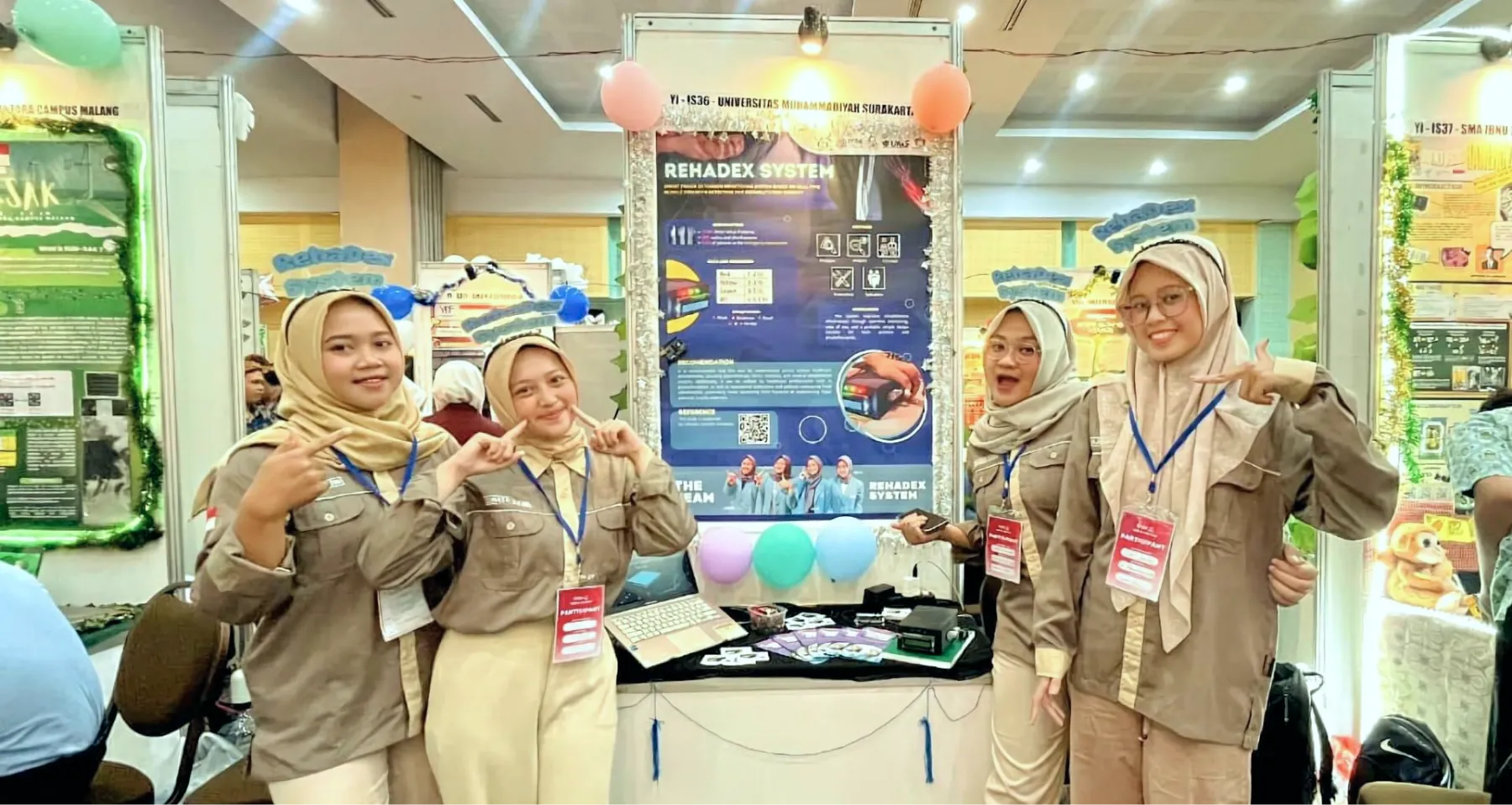
During development, the team faced a number of challenges, including a technical setback just before the competition. Najwa revealed that the device experienced an error due to a short circuit the day before the event.
"The day before the competition, our device had an error from a short circuit. We had to fix it through the night without sleep. Thankfully, by the time we presented, the device was back to normal and working well," she said.
The competition process began with the submission of a scientific article, followed by a presentation and judging session at the exhibition booth. At this stage, the team walked judges through their product development and demonstrated the prototype.
Through the competition, the team said they received a great deal of valuable feedback from the judges, which they plan to use as a basis for further development to strengthen the product's validity.
Looking ahead, the RehaDex team plans to develop a web-integrated version of the system. At the same time, they are mindful of inclusivity and intend to keep an offline version available.
"We want this device to be usable across different regions, including areas without internet access. So there will be a web-based and a non-web version to make it more flexible," Najwa added.
This, she continued, reflects the team's commitment to delivering meaningful innovation in healthcare, particularly in supporting rehabilitation therapy that is more accurate and technology-driven.
Writer: Fika Annisa Sholihah
Editor: Maysali Sudarwati
Translator: Farizal Luqman Majid
UMS students have formulated a treatment for diabetic wounds from moringa and neem leaves, and carried home gold at WYIE 2026 in Malaysia.
Nothing’s more special than reading curated news just for you.
Subscribe to the UMS Newsletter for free today.