Quiet Until the Bell Rings
14 August 2026
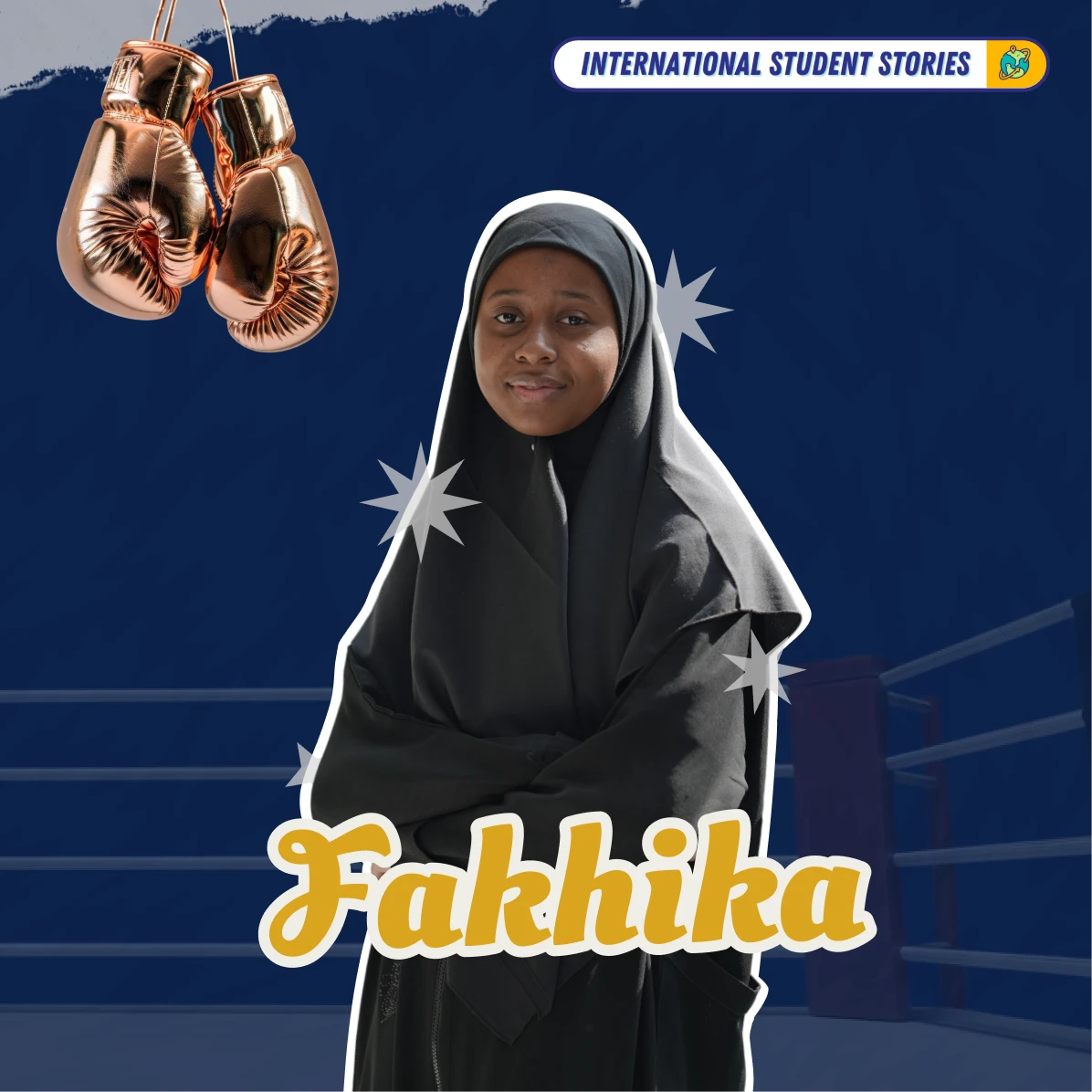
A life far from home reshaped Fakhika Shehe Haji in unexpected ways.



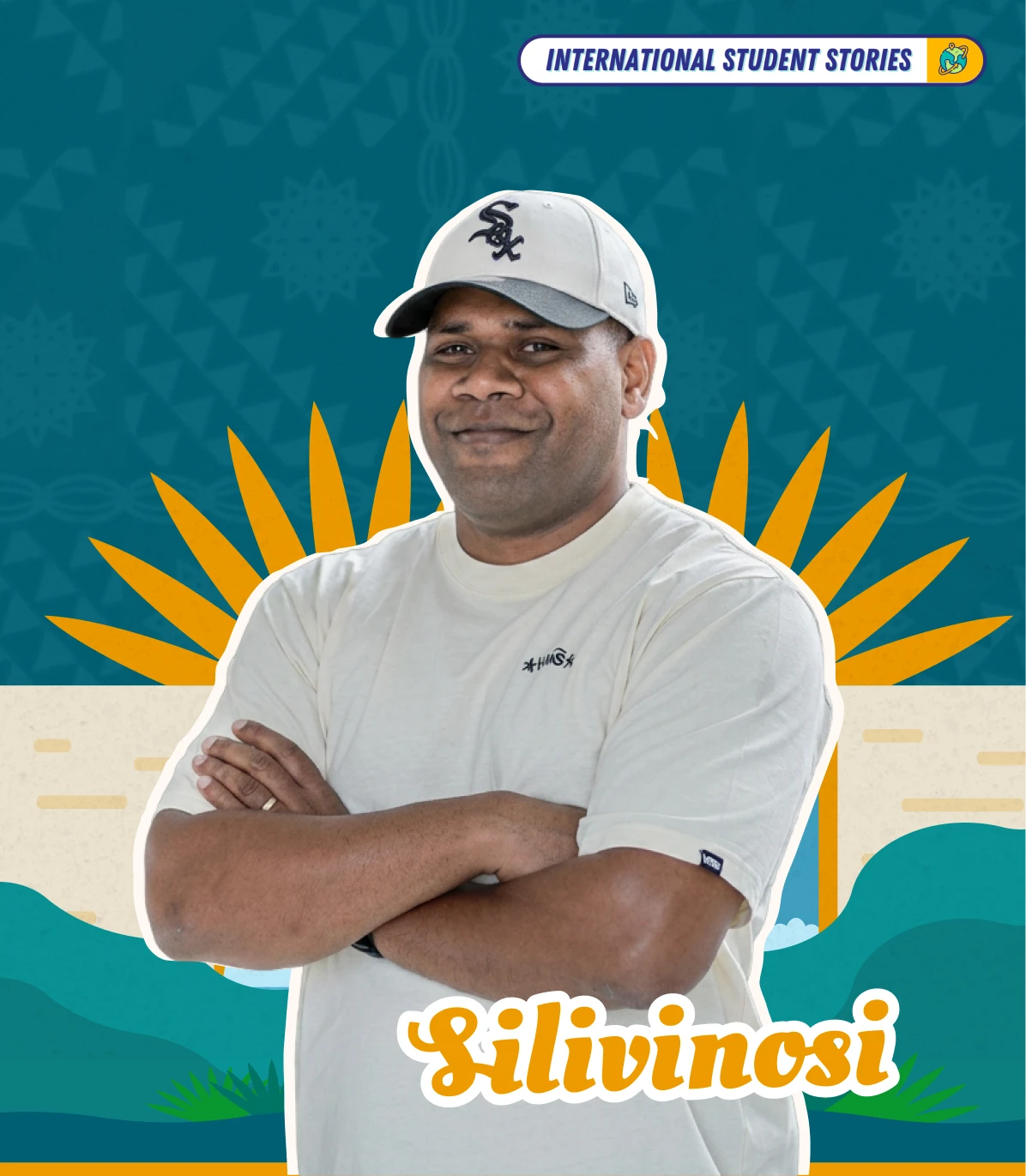
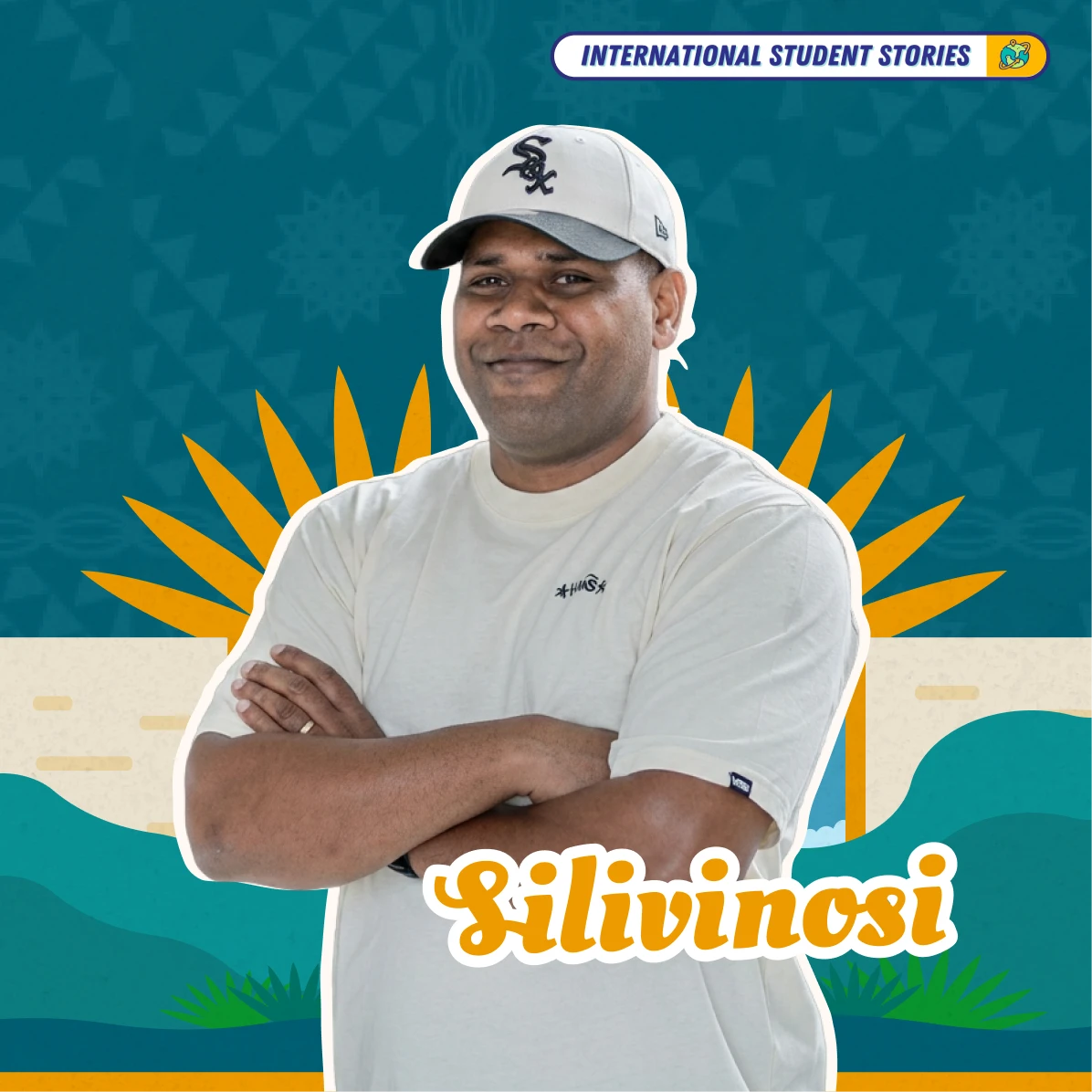
By thirty, Silivinosi Tikoinadramaki Naulumatua had the life his parents never had.
After completing a diploma in engineering, Sili worked as a technical officer at Fiji's Ministry of Agriculture, Waterways and Sugar. The government sent him across the islands to build drainage systems, irrigation lines, and seawalls.
The work kept him on site three or four nights a week. He had a good salary. He had married, and his wife was working through her own degree in early childhood education. When their daughter was born, the picture was complete.
But life wasn't always this kind to Sili. Long before he worked in the government, he grew up in Buitua Settlement, in the interior of Wainibuka district in Tailevu province, part of Naveicovatu village. The roads there are gravel and turn to mud in the rainy season. Like many families in the settlement, Sili's parents were farmers who left school behind to work the land.
The third of five siblings, little Sili sometimes wanted to go with his father to sell their crops at the market, hauled out of the settlement by horse or by small craft down the river. Every time, his father said no. At the time Sili didn't understand. Once he grew up, he realized his father didn't want his children seen on a street corner selling crops, and didn't want them labeled as poor kids hawking vegetables.
"I'm not shy," Sili said, leaning back, a grin spreading across his face. "I'm not ashamed to say that I was brought up in a farming family. So I'm proud to say that I'm a farm boy.”
Though Sili's parents had left school early, they understood what an education could do.
Sili still remembered a dinner, years ago, when his father gathered all his children and told them: "I want all of you guys to have a crown on your head." It was a call to pursue education wherever they could find it.
His two sisters had answered the call already, both in accounting, with degrees and careers of their own. Sili had answered it too. Where his sisters had turned toward numbers, Sili had turned toward the physical world.
Buitua had no proper roads and no reliable water, and no one nearby with the training to build either. Civil engineering was the answer to that, the concrete and design that could fix the problems he had grown up inside, at home and across Fiji.
However, for Sili the crown his father spoke about was never a single thing you collected and set down. "I feel like the crown is not a destination, it's the journey, it sets us on a path of staying hungry," said Sili.
By then, Sili had everything his father could have wanted for him. The job was steady, the salary good, the family whole. But the diploma had taken him only so far.
"My job is not complete," Sili said. "My dream is not being completed. So you have to push." The hunger from that dinner table had not quieted just because the life around it was comfortable.
A degree would also change things when he got home. He expects it to move him into a higher position at the ministry, with better pay. "With that I will be able to give back to my family," he said.
Read more: A Thousand Miles to Herself
So he went looking for the way further, and found it across the ocean, at Universitas Muhammadiyah Surakarta in Central Java. He was the first Fijian the The Indonesian Aid Scholarship (TIAS) chose, out of twenty-four who sat through the psychology tests and the video interviews
To take it, he had to leave everything he held dear, The job, his wife, to finish her own degree without him beside her, and a daughter who would turn three while he was gone.
The cost of chasing a dream is more than the distance. His wife used to do the cooking; now he cooks for himself. He used to eat in large portions, but the portions in Solo are smaller, and his body has learned to want less.
Those are the small adjustments. The one that does not shrink is the daughter, who will be three years older by the time he comes home, growing up in the spaces between video calls.
His wife asked him, sometimes, why he had to go at all. He repeated her question the way she put it to him: you have a good job in Fiji, you have a family, and still you want to go.
Asked about the hardest part, he went quiet, he went quiet for a moment. "Of course it weighs on me," he said. "She is small. I will miss things I cannot get back." Then, almost catching himself: "But this is for her. I have to believe that."
It is the same thing his father did, in a different shape. His father shouldered the market road alone so his children would not carry the shame of it. Now Sili carries the distance alone so his daughter will inherit something further along than where he started.
A standard set early, both parents reaching past the generation before them, so that one day when he tells his daughter to study, he can point to himself and her mother and say it has already been done.
"We have to set the standard ourselves first," he said. "So our children have something to follow."
Sili’s dream was never separate from his family. "I want to be a good role model for my children," he said. It is for them, and the years away are what it costs to build it.
Writer: Farizal Luqman Majid
Editor: Al Habiib Josy Asheva
A life far from home reshaped Fakhika Shehe Haji in unexpected ways.
Nothing’s more special than reading curated news just for you.
Subscribe to the UMS Newsletter for free today.