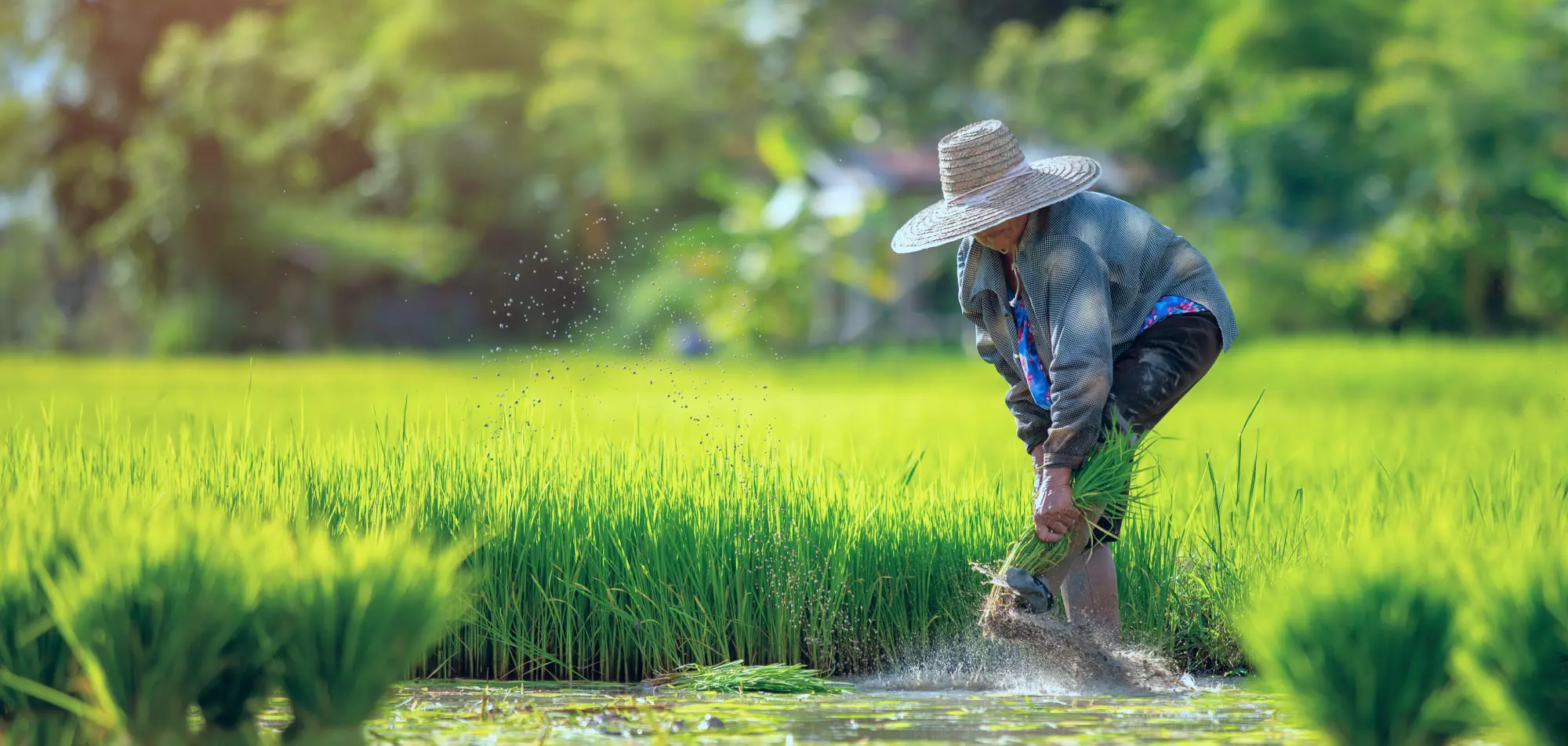
The Head of the Master of Mechanical Engineering Study Program of Universitas Muhammadiyah Surakarta (UMS), Dr. Ir. Ngafwan, M.T., has successfully conducted research by utilizing seemingly mundane materials to have a positive impact on the environment.
Starting from observing the abundance of natural resources in Indonesia that are often seen as mundane and underutilized by the community (such as papaya latex and rice husk), Dr. Ngafwan took the initiative to make them into something highly beneficial for the advancement of science and technology in the fields of energy, catalysts, agriculture, and environmental sustainability.
About Extract Product
In previous research, high-quality porous material (such as silica (SiO2)) have been successfully developed on a nano scale (very small scale) with the hope of addressing the sustainable production of silica, utilization in a research on energy storage technology, crop drought resistance and many agricultural run-off issues. In this regard, rice husk which is an agricultural byproduct was chosen as it can produce silica and easily obtainable
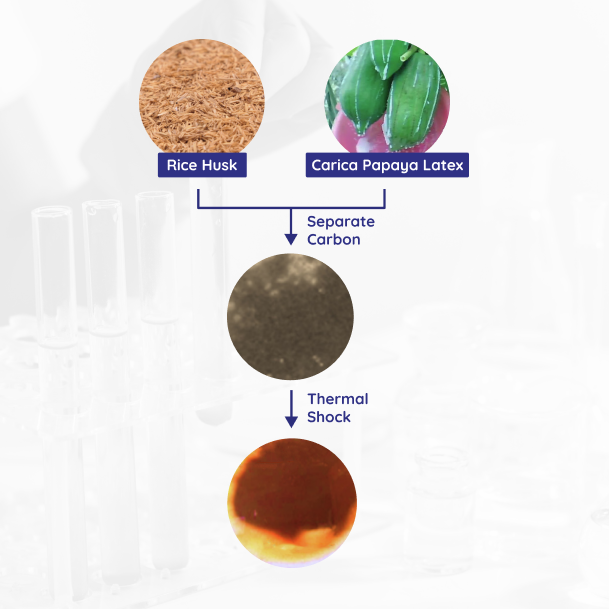
However, most of the silica extract products from rice husks have not considered the potential of magnesium which can play a significant impact on the production of hydrogen for sustainable industry. Therefore, Dr. Ngafwan thought of extracting rice husks and combining it with young papaya latex through several processes until it yielded two beneficial products which are carbon nanoparticles and magnesium silica oxide carbide from rice husks and young papaya latex respectively. These two products can be utilized for many purposes, such as treating wastewater, accelerating rice plants photosynthesis, acting as pesticide and even serving as fertilizer.
Impact
When interviewed, the Head of the Master of Mechanical Engineering Study Program explained that the research's applications are widespread, ranging from improving the production quality of rice and cassava plants to serving as a pest control method.
“The experiment was conducted seven times during one semester and the final result is as expected. It also has widespread implementation, it can be beneficial for the environment and serve the community in the agricultural sector,” he expressed on Monday (15/5).
Dr. Ngafwan collaborated with UMS and the Faculty of Agriculture of Universitas Muhammadiyah Yogyakarta (UMY) throughout the research process, which is still ongoing.
“This research has been a long-term endeavor, starting from 2014 until now (2023), and it's still in development to maximize its potential,” he added.
As a result of this research, Dr. Ngafwan's work has been recognized, and he has achieved a ranking of 24 in the international chemistry journal and is indexed in Quartile 1 (Q1).
Writer: Gede Arga Adrian
Editor: Genis Dwi Gustati
Translator: Farizal Luqman Majid
Featured News
UMS Newsletter
Nothing’s more special than reading curated news just for you.
Subscribe to the UMS Newsletter for free today.