Energy-Efficient Appliances Usage
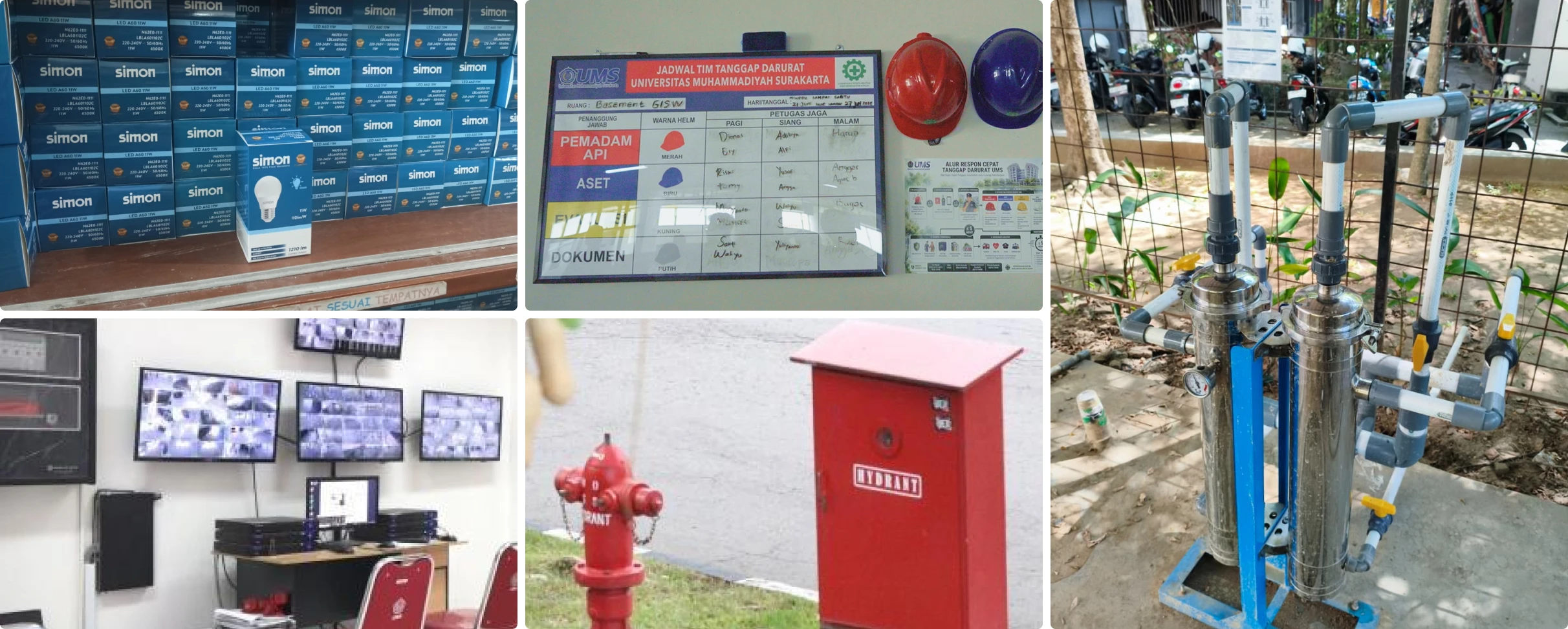
Universitas Muhammadiyah Surakarta (UMS) implements comprehensive energy management practices to improve energy efficiency across campus operations. Energy consumption is regularly monitored and evaluated at the unit level to identify opportunities for energy conservation and optimize resource utilization. To support these efforts, UMS has implemented various energy-saving initiatives, including the replacement of conventional lighting with LED lamps, the installation of inverter-based air conditioning systems, and the use of energy-efficient electrical appliances such as water dispensers, televisions, refrigerators, and other supporting equipment.
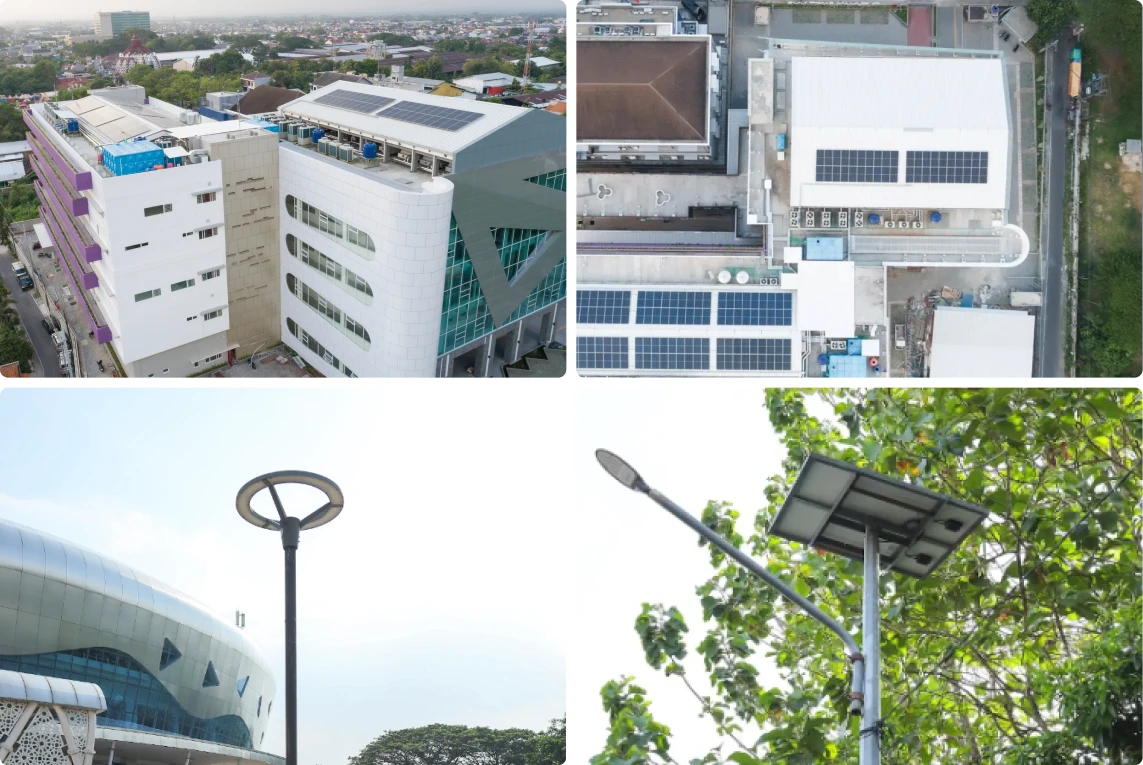
All campus streetlights use energy-efficient lighting technology. In addition, approximately 25% of the campus street lighting system is powered by solar photovoltaic (PV) energy. UMS is committed to gradually increasing the number of solar-powered streetlights as part of its long-term strategy to expand the use of renewable energy, reduce dependence on conventional electricity sources, and support sustainable campus development. Currently, 91% of all electrical appliances used across the UMS campus are classified as energy-efficient, demonstrating the university's strong commitment to reducing energy consumption and improving environmental sustainability.
| Appliance | Total Number | Total Number Energy Efficient Appliances | Percentage |
| LED lamp (Bulb&TL) | 5400 | 5250 | 97% |
| Air conditioners (Split, Cassete, Central | 1250 | 1128 | 90% |
| Household appliances (water dispensers, televisions, refrigerators, and other supporting equipments) | 1026 | 875 | 85% |
| Average percentage | 91% |
As an effort to transform sustainable energy, UMS has begun to seek the use of renewable electricity sources. We use street lighting using solar panels, and install solar panels for the electricity needs of UMS buildings.
Smart Building Implementation
Universitas Muhammadiyah Surakarta (UMS) continuously develops smart building technologies to improve operational efficiency, occupant comfort, safety, and environmental sustainability. Through the integration of digital technologies and sustainable infrastructure, UMS is committed to creating a modern, safe, and energy-efficient campus environment.
1. Building Automation
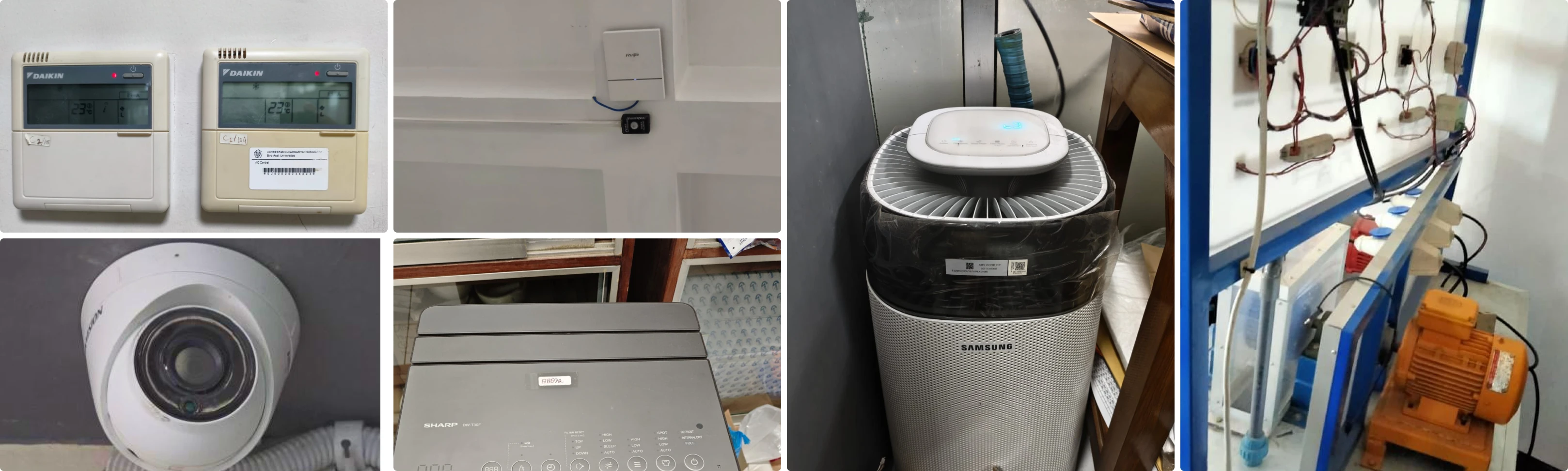
UMS has begun implementing smart building technologies in several pilot buildings through application-based control systems integrated with the Internet of Things (IoT). These systems enable the monitoring and control of lighting and air conditioning in classrooms, contributing to improved energy efficiency and operational effectiveness. The implementation is being carried out in phases and will be expanded gradually across the campus.
2. Safety and Security
Campus buildings are protected by dedicated security personnel operating in three shifts to provide continuous surveillance. The Main Administration Building (Gedung Induk Siti Walidah) is monitored 24 hours a day. CCTV cameras have also been installed in strategic locations throughout the campus to strengthen security, support incident monitoring, and improve emergency response.
3. Energy Management
Campus buildings are supplied with electricity from the national power grid (PLN) and are supported by backup diesel generators to ensure business continuity during power interruptions. Preventive inspections and routine maintenance of the generators are conducted weekly to maintain operational reliability.
4. Water Management
To ensure a reliable water supply, campus buildings are equipped with ground water tanks and rooftop water storage tanks. Water is supplied from deep wells and the local water utility (PDAM), providing sufficient capacity for sanitation, domestic use, and daily campus operations.
5. Indoor Environmental Quality
Classrooms, laboratories, meeting rooms, and staff offices are equipped with air conditioning systems to maintain thermal comfort and support a productive learning and working environment. Regular maintenance of HVAC systems is carried out to ensure optimal performance, indoor comfort, and energy efficiency.
6. Energy-Efficient Lighting
UMS utilizes energy-efficient LED lighting across campus buildings to reduce electricity consumption while maintaining adequate illumination levels. The Directorate of Assets and Infrastructure conducts routine inspections and maintenance to ensure lighting systems remain functional and comply with recommended lighting standards of approximately 250–500 lux, depending on the function of each space.
Renewable Energy Sources in Campus
Universitas Muhammadiyah Surakarta (UMS) is committed to increasing the use of renewable energy as part of its strategy to support sustainable campus development, improve energy resilience, and reduce greenhouse gas (GHG) emissions. The university currently utilizes renewable energy through the installation of solar photovoltaic (PV) systems and a microhydropower system.
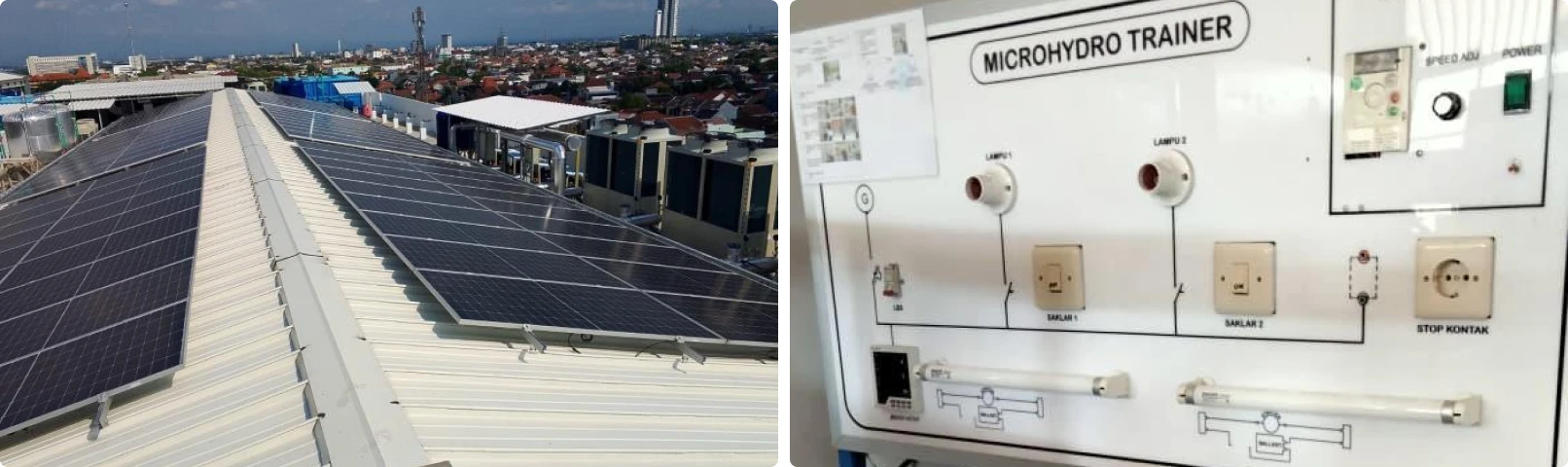
Solar photovoltaic (PV) systems have been installed at the Edutorium and UMS Hospital, generating an average of 403 kWh of clean electricity per day, equivalent to approximately 147,095 kWh per year. This renewable energy production contributes to reducing electricity consumption from the national grid while lowering the campus's carbon footprint. UMS plans to progressively expand the installation of solar PV systems to additional campus buildings as part of its long-term renewable energy strategy.
In addition, the Faculty of Engineering operates a Microhydropower Trainer, which functions both as a renewable energy generation system and as an educational and research facility. The system produces an average of 2.74 kWh of electricity per day, equivalent to approximately 1,000 kWh of clean electricity annually. It also provides students with practical experience in renewable energy technologies, supporting hands-on learning, research, and innovation in sustainable energy systems.
Overall, these renewable energy initiatives generate approximately 148,095 kWh of clean electricity per year, contributing to reduced dependence on conventional electricity sources, lower greenhouse gas emissions, and enhanced campus sustainability. They also demonstrate UMS's commitment to advancing renewable energy adoption and supporting the achievement of the Sustainable Development Goals (SDGs) through responsible energy management and environmental stewardship.
Electricity Usage per Year
Universitas Muhammadiyah Surakarta (UMS) continuously monitors and evaluates electricity consumption across all campus buildings as part of its energy management strategy. The collected data provides valuable information for assessing energy performance, identifying consumption trends, and supporting the implementation of energy efficiency and renewable energy initiatives.
Monthly Electricity Consumption Trends (2020–2025)
Electricity consumption at UMS has changed in line with the level of campus activities and the utilization of university facilities.
During 2020 and 2021, monthly electricity consumption remained relatively low, ranging from approximately 250,000 to 500,000 kWh. This reduction was primarily associated with limited on-campus activities during the COVID-19 pandemic, when most teaching, learning, and administrative activities were conducted remotely.
With the gradual resumption of face-to-face learning in 2022, electricity consumption increased significantly, averaging 600,000 to 800,000 kWh per month as classrooms, laboratories, offices, and supporting facilities returned to normal operation.
Electricity demand reached its highest level in 2023, reflecting the full recovery of campus activities and the increased utilization of university facilities. Although electricity consumption remained relatively high in 2024, a slight decrease was observed compared to the previous year, indicating the positive impact of ongoing energy efficiency measures implemented across the campus.
In 2025, electricity consumption decreased further. This reduction was influenced by renovation activities in several campus buildings, particularly within the Faculty of Economics and Business, where a combination of online and face-to-face learning was implemented during the construction period. Consequently, lower building occupancy and reduced operational intensity contributed to the decline in electricity consumption.
| Year | Electricity Consumption (kWh) |
| 2020 | 4.172.000 |
| 2021 | 4.211.754 |
| 2022 | 8.371.484 |
| 2023 | 9.581.376 |
| 2024 | 9.263.537 |
| 2025 | 8.014.394 |
The annual data indicate a substantial increase in electricity consumption following the recovery of campus operations after the COVID-19 pandemic. Consumption peaked in 2023 before gradually declining in 2024 and 2025. Despite this reduction, electricity use remained significantly higher than pre-pandemic levels due to the continued operation of campus facilities and the growing demand for academic and administrative services.
Energy Management and Sustainability Initiatives
To improve energy performance and reduce environmental impacts, UMS has implemented various energy conservation measures across the campus. These include the replacement of conventional lighting with LED lamps, the installation of inverter-based air conditioning systems, the use of energy-efficient electrical equipment, routine monitoring of electricity consumption, and the gradual adoption of renewable energy technologies.
UMS has also installed solar photovoltaic (PV) systems at the Edutorium and UMS Hospital, generating clean electricity that helps reduce dependence on the national electricity grid and supports the university's transition toward a more sustainable energy system.
Through continuous monitoring, regular evaluation, and ongoing investment in energy-efficient technologies and renewable energy, UMS remains committed to improving energy performance while supporting sustainable campus development and contributing to the achievement of the Sustainable Development Goals (SDGs).
Elements of Green Building
Several new buildings at Universitas Muhammadiyah use rosters as natural ventilation, such as those implemented in the Siti Walidah Main Building, Pesma KH Mas Mansyur, and the Sudalmiyah Rais Mosque. Natural lighting has been applied in some buildings at Universitas Muhammadiyah Surakarta by utilizing glass windows to allow sunlight during the day and limit electricity usage. The UMS Faculty of Medicine building has been designed with a natural ventilation concept and serves as a model for eco-friendly buildings at UMS.