Shuttle Services
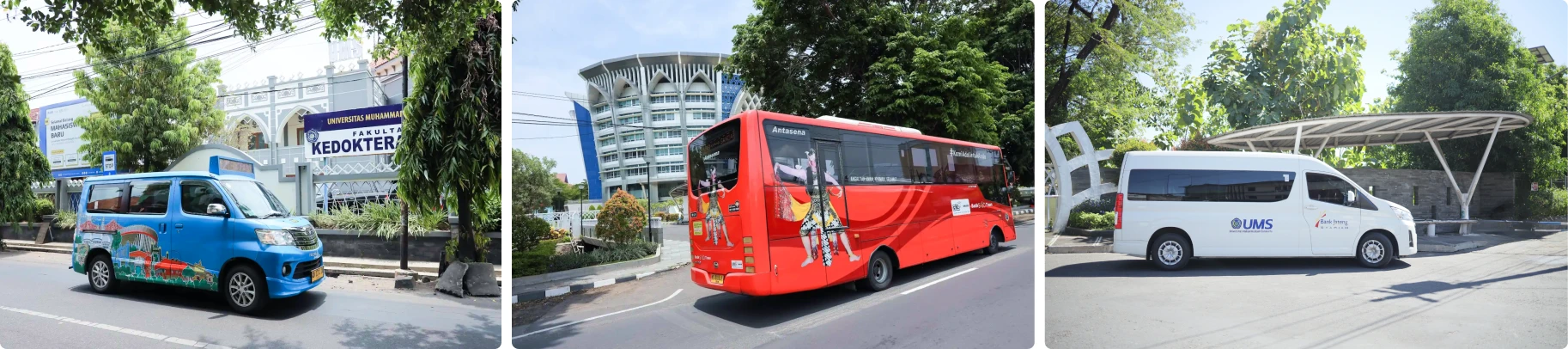
UMS campuses are well connected to the city's Bus Rapid Transit (BRT) network, which is operated by the Ministry of Transportation of the Republic of Indonesia (Kementerian Perhubungan). BRT Corridor 1 (K1S) serves Campus 2, while BRT Corridor 3 (K3S) serves Campus 3 (Faculty of Dentistry). These public transportation services provide affordable and convenient access to the university from various parts of Surakarta, helping reduce traffic congestion and carbon emissions generated by private vehicles.
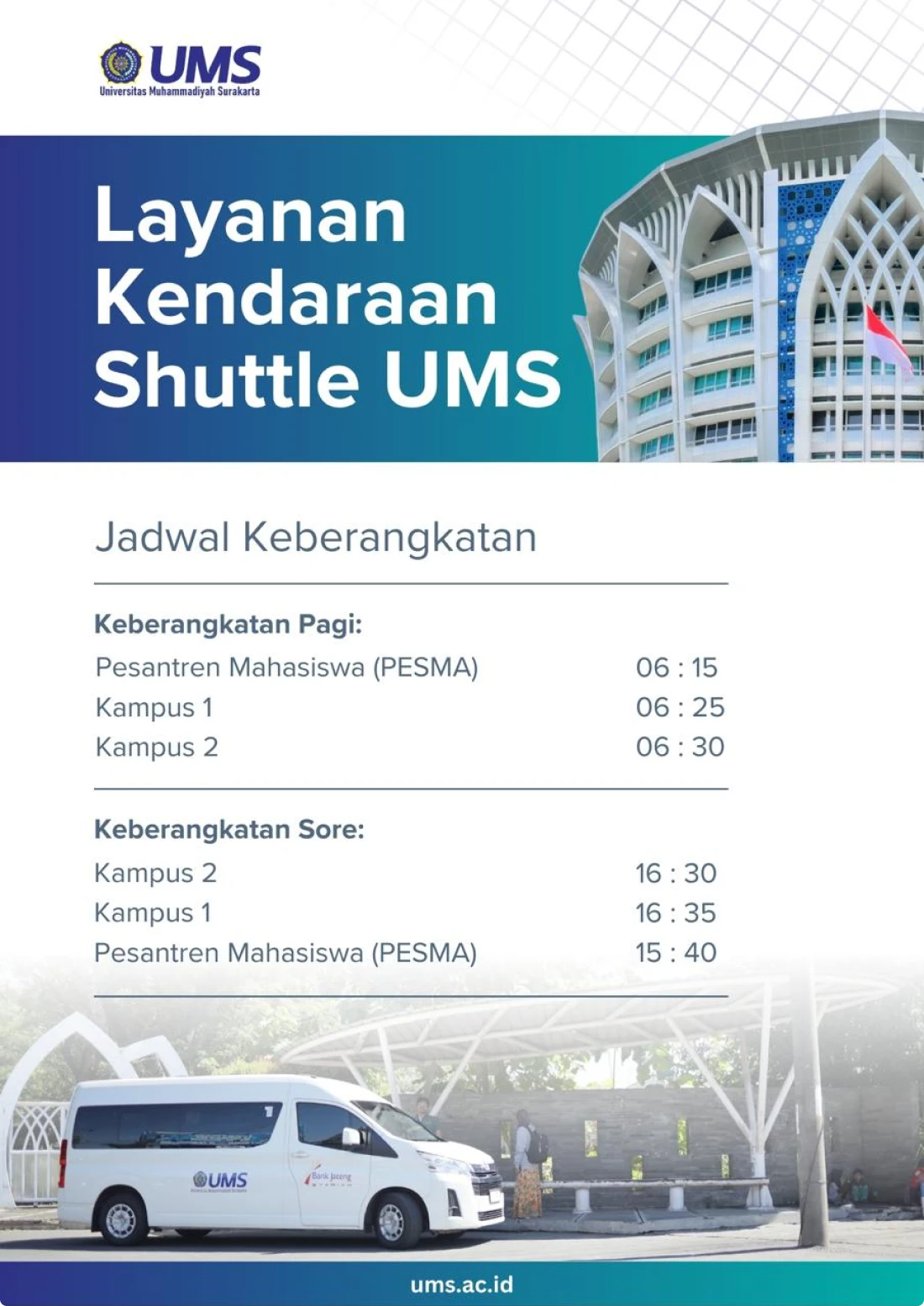
To complement the public transportation network, UMS has also introduced a free campus shuttle service for students. The shuttle operates on a scheduled basis, connecting the Student Dormitory (Pesantren Mahasiswa/PESMA), Campus 1, and Campus 2 during peak commuting hours in the morning and afternoon. The service is provided at no cost to students, particularly benefiting those residing in the university dormitory by facilitating daily travel between accommodation and academic facilities.
Parking Areas
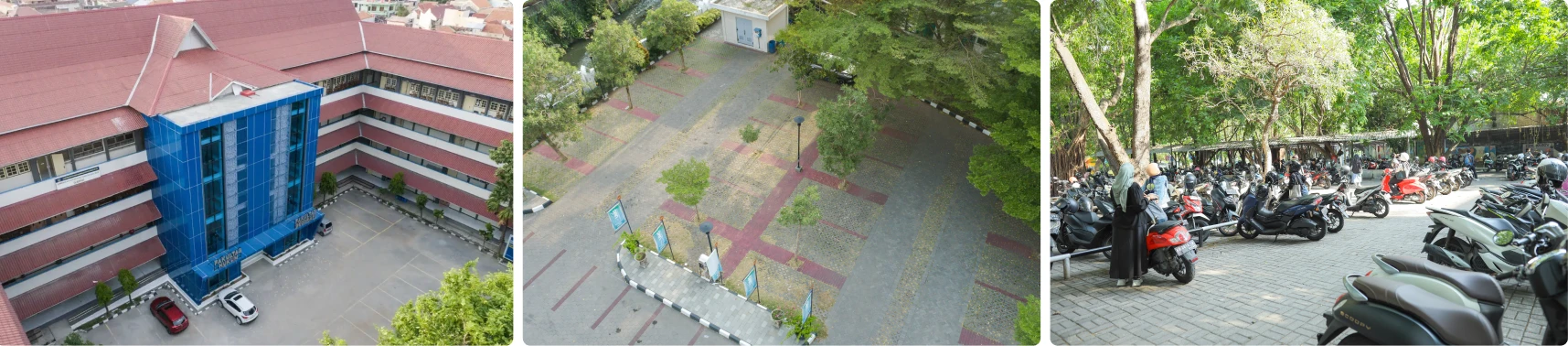
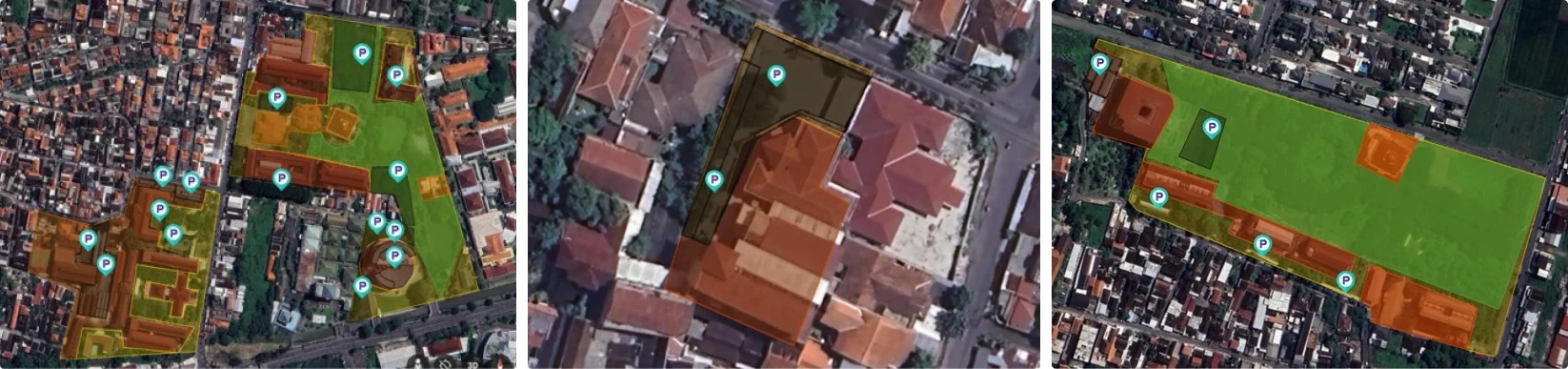
The parking area at UMS reaches 28,770 square meters. The parking area can accommodate motorbikes and cars. The parking area reaches 7.82 percent of the total land area of UMS.
Number of Initiatives
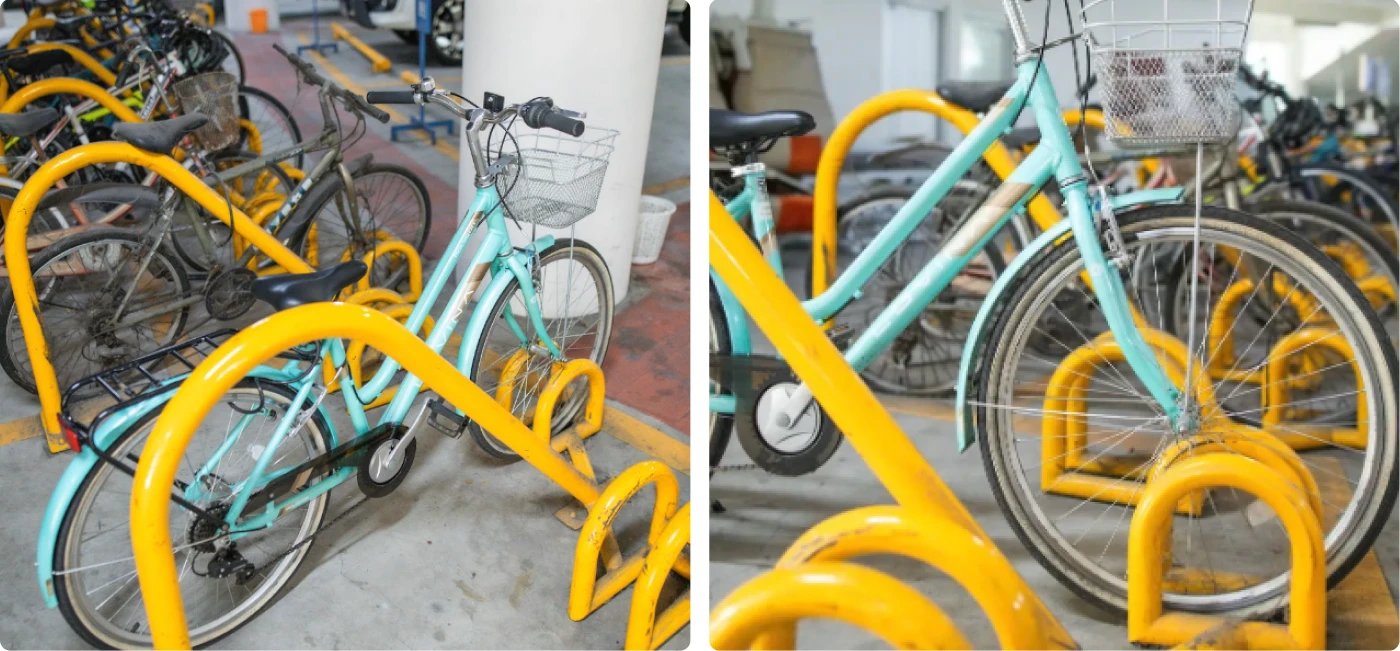
Universitas Muhammadiyah Surakarta (UMS) is actively implementing a range of sustainable transportation initiatives to reduce the use of private vehicles and promote environmentally friendly mobility across its campuses. These efforts include providing shuttle vehicle from student dormitory area, free bicycle to rent on campus, parking restriction policy to reduce student private vehicle use, integration with Public Transportation Network, and annual Car-Free Walking Event during Milad UMS celebration.
Pedestrian Path on Campus
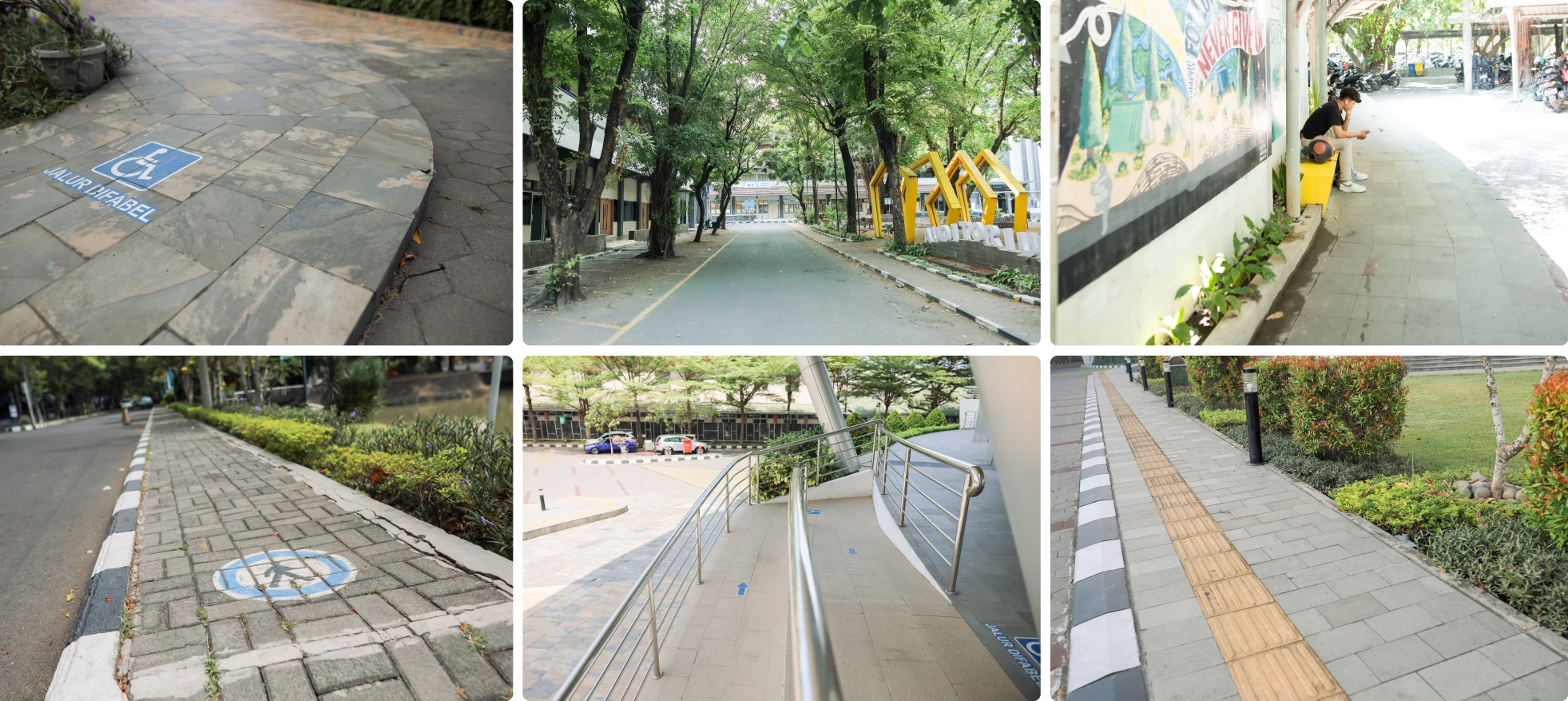
Universitas Muhammadiyah Surakarta (UMS) is committed to creating a safe, inclusive, and sustainable campus environment by continuously improving pedestrian infrastructure and promoting walking as the primary mode of mobility within the campus. To support this commitment, UMS has developed an extensive network of dedicated pedestrian pathways that are physically separated from vehicle lanes through elevated sidewalks, ensuring a safer walking environment for students, staff, and visitors. The university has also incorporated universal accessibility features, including tactile paving for persons with visual impairments, ramps, and gently sloping pathways for wheelchair users and individuals with reduced mobility. To enhance pedestrian comfort, many walkways are protected by extended canopies and shaded by mature trees, providing shelter from sunlight and rain while contributing to a cooler, greener campus environment. Furthermore, several pedestrian corridors are equipped with solar-powered lighting systems that improve nighttime safety, reduce electricity consumption, and support UMS's commitment to low-carbon campus operations. Through the integration of accessible design, climate-responsive infrastructure, and renewable energy, UMS demonstrates its ongoing dedication to sustainable transportation, universal accessibility, and the development of a high-quality, environmentally responsible campus. has sidewalks in the campus area. The sidewalks are slightly higher than the road surface so that pedestrians can walk safely.