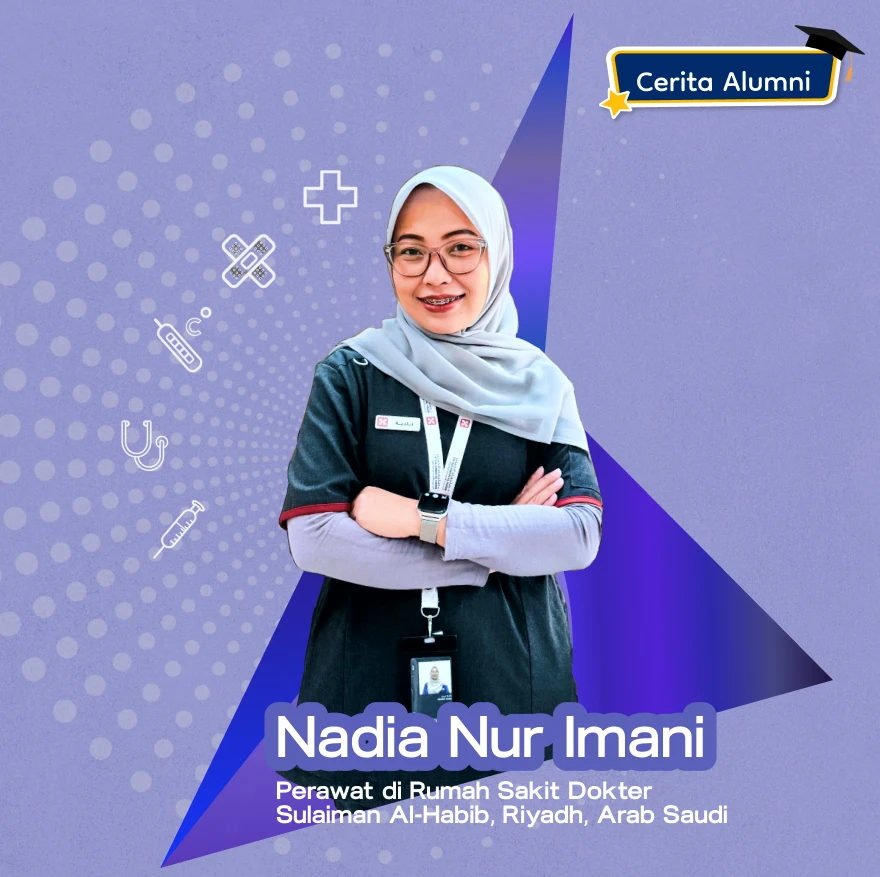
Compassion That Reaches the Arabian Shore
30 June 2026
Nadia Nur Imani is determined to fulfill her mother's dream by becoming a nurse, opening a new path to The Land of the Two Holy Mosques


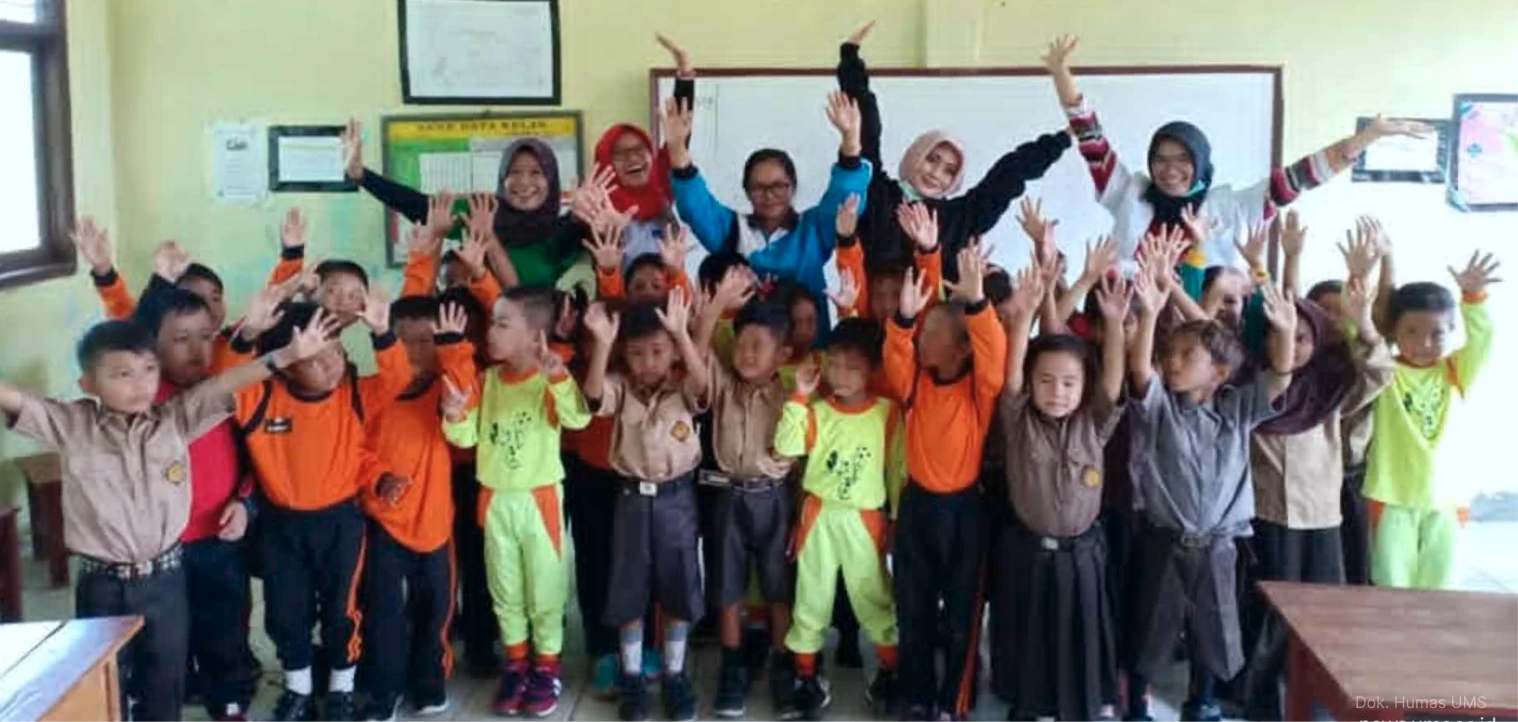
Ferianis Setiawati, an alumna of the Faculty of Medicine at Universitas Muhammadiyah Surakarta (UMS), successfully passed the selection for the Nusantara Sehat program. The program is an initiative of the Ministry of Health that focuses on improving quality of life through healthcare. The interior of Seram Island, Maluku, became part of her journey of service to the community.
The FK UMS alumna from the 2009 cohort has had the desire to help communities since the beginning of her education. She is committed to providing direct assistance through healthcare services.
“The academic environment at the Faculty of Medicine UMS, which instills values of scientific excellence, humanity, and community service, further strengthened my motivation to pursue the medical profession, not only as a clinical profession, but also as a form of social service,” she said during an interview on Saturday (17/1/2026).
For her, serving the community goes hand in hand with her role as a doctor. She stated that the Nusantara Sehat program gave her the opportunity to contribute directly in remote areas with limited access to healthcare services.
“I see Nusantara Sehat not merely as an assignment, but as a very valuable learning space to understand community health conditions comprehensively, from clinical, social, and cultural aspects,” she explained.
To be able to participate in the program, Ferianis had to go through a series of rigorous selection stages to prepare herself for field conditions full of limitations.
According to her, the community-based curriculum at FK UMS played a role in strengthening values of empathy and professional responsibility.
She shared her impressions when she first arrived in the interior of Seram, Maluku. The geographical conditions and limited healthcare facilities evoked a deep sense of responsibility toward her profession. However, the warm welcome and trust of the community in the assistance of healthcare workers became a source of strength for Ferianis.
Healthcare service facilities were considered inadequate, both in terms of equipment, medicines, and supporting infrastructure. Under these conditions, Ferianis and her team collaborated with local health offices so that healthcare services could run optimally.
“The realities in the field taught me that limitations do not hinder quality service when accompanied by good intentions and strong cooperation,” she sai
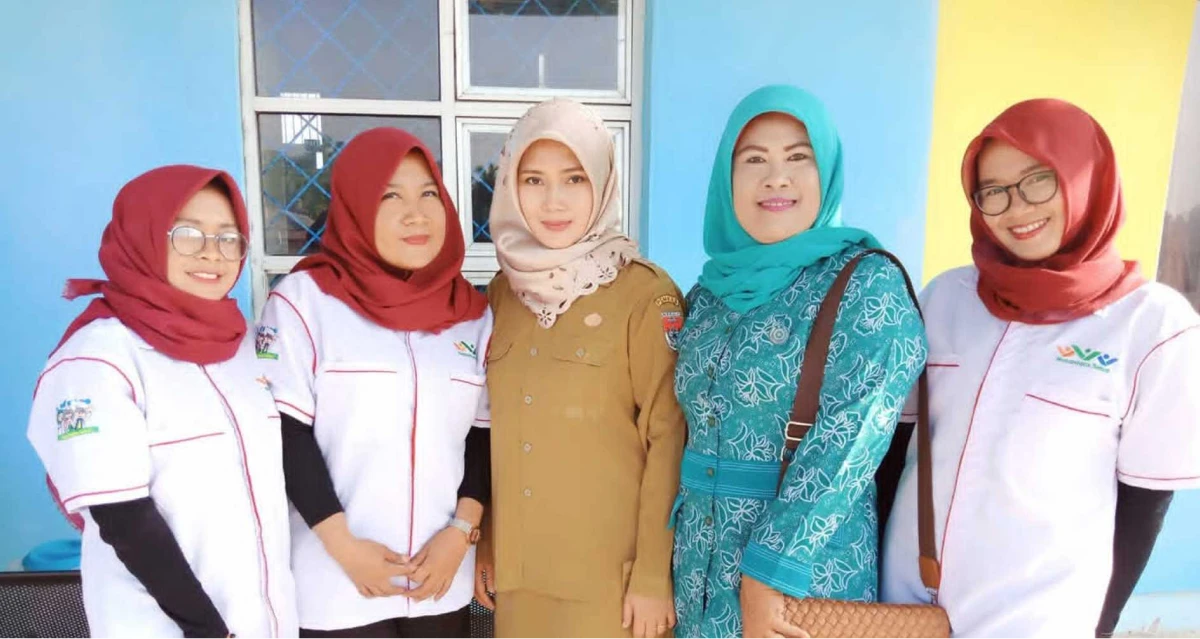
Being in a peripheral area presented its own challenges for Ferianis. One of the most memorable moments was when she treated a patient in critical condition who required a referral, yet reaching the nearest hospital required a long and difficult journey.
“Therefore, clinical decisions must be made carefully based on the examinations and available resources. The success in handling that case, as well as the gratitude and trust from the patient and their family, became a deeply meaningful experience and further strengthened my reason for choosing this profession,” she said.
The Nusantara Sehat program has had a significant impact on the communities of Seram Island. The presence of healthcare workers has made it easier for residents to access medical services, ranging from health check-ups and treatment to health education. Ferianis also took part in encouraging healthy lifestyle behaviors. This experience changed her perspective on Indonesia’s healthcare system.
“In the field, it is clearly visible that health challenges are not only medical in nature, but also structural and social. This emphasizes the importance of cross-sector collaboration, equitable distribution of healthcare human resources, and policies that favor remote areas so that the national healthcare system can operate in a more just and equitable manner,” she explained.
Ferianis emphasized that every region has the same right to adequate and equitable access to healthcare. Nusantara Sehat can help fulfill community needs in every region through collaboration and shared commitment.
To the wider public, Ferianis stressed that equitable access to healthcare is a shared responsibility. Support from various parties is greatly needed so that every citizen can obtain the same right to proper healthcare services.
“Equitable access to healthcare is a shared responsibility, not solely that of healthcare workers or the government. Support from the community, policymakers, and educational institutions is essential so that every citizen, regardless of geographical location,” she emphasized.
Writer: Roselia
Editor: Fika Annisa’ Sholihah
Translator: Farizal Luqman Majid
Nadia Nur Imani is determined to fulfill her mother's dream by becoming a nurse, opening a new path to The Land of the Two Holy Mosques
Nothing’s more special than reading curated news just for you.
Subscribe to the UMS Newsletter for free today.