Nano Liquid for Healing Diabetic Ulcers
21 July 2026
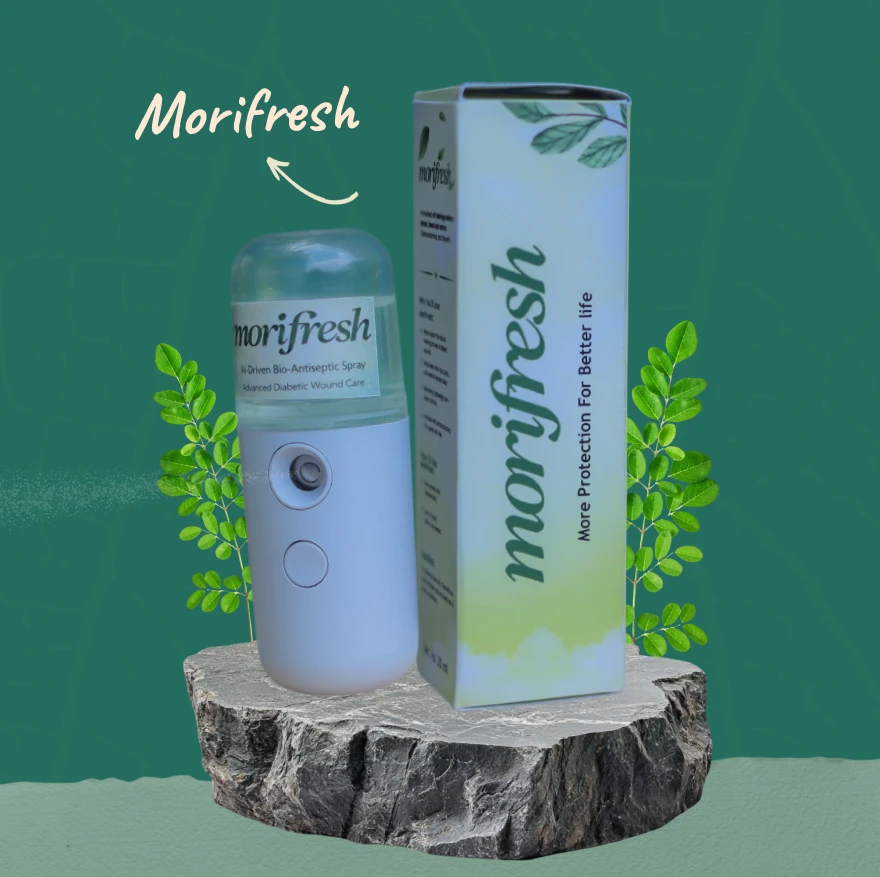
UMS students have formulated a treatment for diabetic wounds from moringa and neem leaves, and carried home gold at WYIE 2026 in Malaysia.



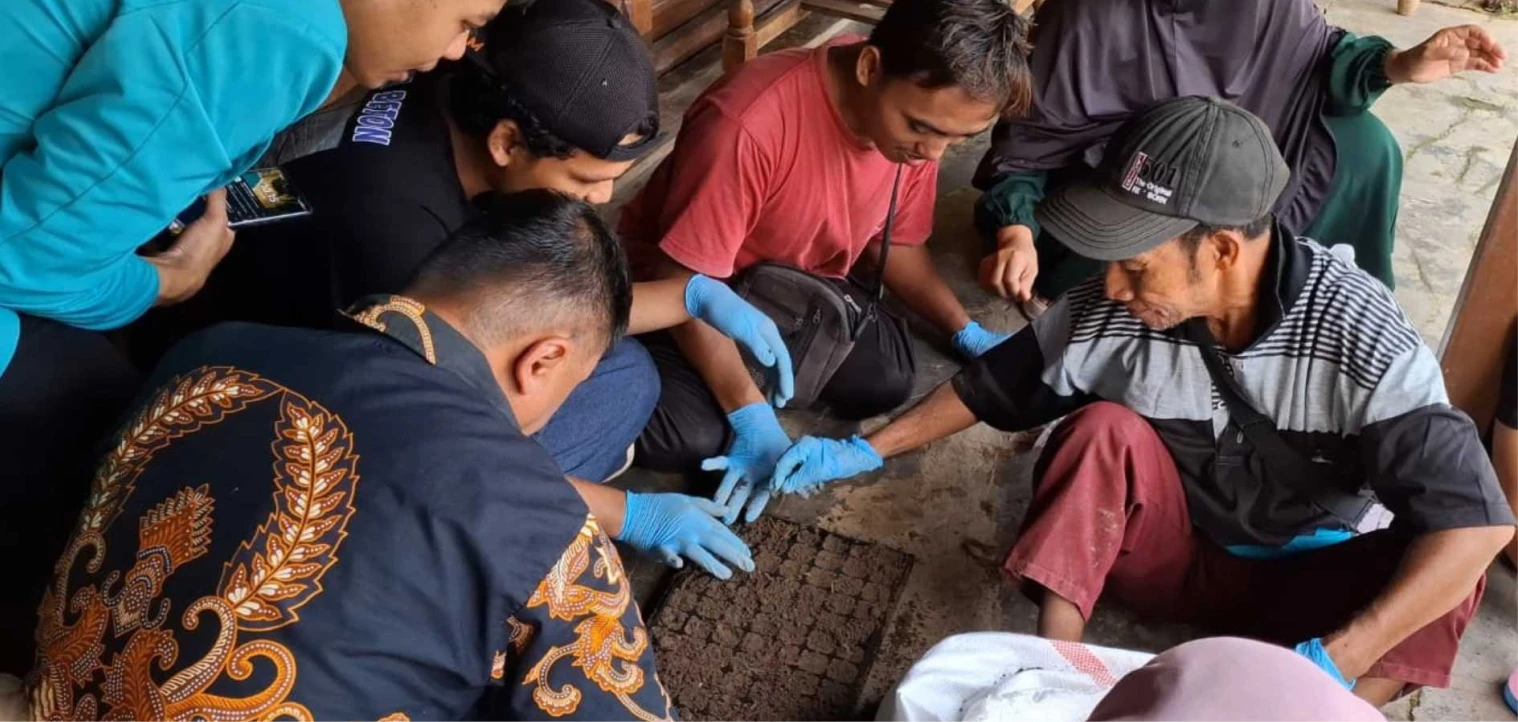
The Student Creativity Program in Community Service (PKM-PM) HealSpace Team of Universitas Muhammadiyah Surakarta (UMS) continues its inclusive community empowerment efforts. After delivering a presentation on vermicomposting, HealSpace has now conducted a second vermicomposting training session, inviting friends with disabilities to take part in hands-on practice.
The Karya Manunggal Disability Community, the program's partner, took part directly in the field practice to provide participants with real sensory experiences and technical skills. Participants with intellectual disabilities were taught the step-by-step technical process of producing organic vermicompost fertilizer.
The Head of the UMS PKM-PM HealSpace Team, Abqory Anis Subekti, emphasized that this inclusive learning-by-doing approach has proven highly effective in generating active participation.
"We deliberately designed this training so that all participants, whether they have intellectual or physical disabilities, can be actively involved from start to finish. When they successfully arranged the vermicompost medium and inserted the seeds themselves, you could see smiles of pride and a sense of self-confidence emerging. That is the essence of the psychological empowerment we want to achieve through the HealSpace program," she explained on Monday (20/7/2026).
The training itself was held at the home of one of the program partners in Sambi Village, Sambi District, Boyolali Regency, Central Java, on Sunday (14/6/2026).
With intensive guidance from students, participants practiced preparing the container or reactor, adjusting the moisture of the growing medium, adding organic material such as vegetable scraps, and releasing earthworms as decomposing agents.
The physical activity of touching soil and worms is specifically designed to stimulate fine motor skills and provide a calming (therapeutic) effect that is essential for their psychological stability.
Beyond organic fertilizer production alone, the UMS PKM-PM HealSpace team also expanded the training to teach seed-sowing techniques. This step is an integral part of a complete horticultural therapy system.
Participants were taught how to fill small polybags with soil, create ideal planting holes, and carefully place vegetable seeds. Through this method, friends with intellectual disabilities are given space to understand the plant life cycle from an early stage, which is expected to foster a sense of responsibility and care through the daily activity of tending to plants.
Yani, the host of the event and a parent of a child with a disability, expressed her gratitude for the presence of the UMS student team. According to her, practice-based activities like these are very rarely available to their children.
"I am so happy that our home could be used as the training venue. The children now have a meaningful activity, and they looked really happy being able to touch the soil and learn to plant alongside the student volunteers. This is really helpful for their mental development and their joy," Yani said.
In line with this, the program's academic advisor, Siti Azizah Susilawati, S.Si., M.P., Ph.D., views the practice sessions in a community member's home as a smart way to bring the appropriate technologies of Smart-Wicking and vermicompost directly into the everyday lives of the program partners. This synergy is expected to serve as a strong foundation for ensuring that the program can continue independently within the local community, even after the students' service period ends.
Writer: Maysali Sudarwati
Editor: Fika Annisa’ Sholihah
Translator: Farizal Luqman Majid
UMS students have formulated a treatment for diabetic wounds from moringa and neem leaves, and carried home gold at WYIE 2026 in Malaysia.
Nothing’s more special than reading curated news just for you.
Subscribe to the UMS Newsletter for free today.