Nano Liquid for Healing Diabetic Ulcers
21 July 2026
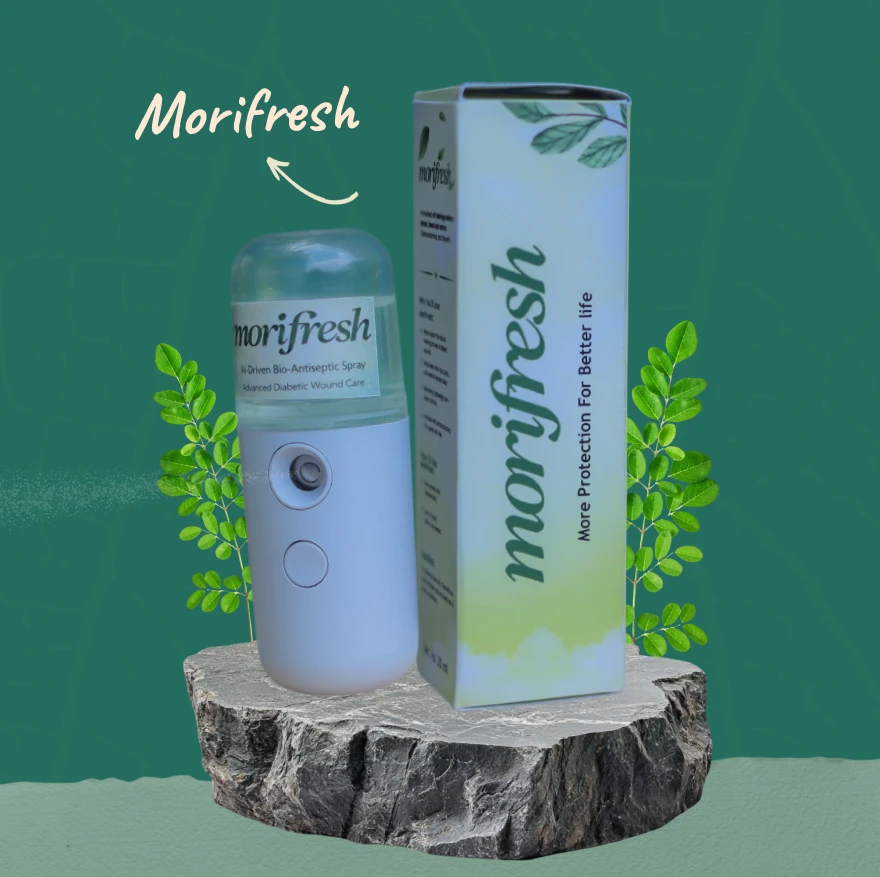
UMS students have formulated a treatment for diabetic wounds from moringa and neem leaves, and carried home gold at WYIE 2026 in Malaysia.



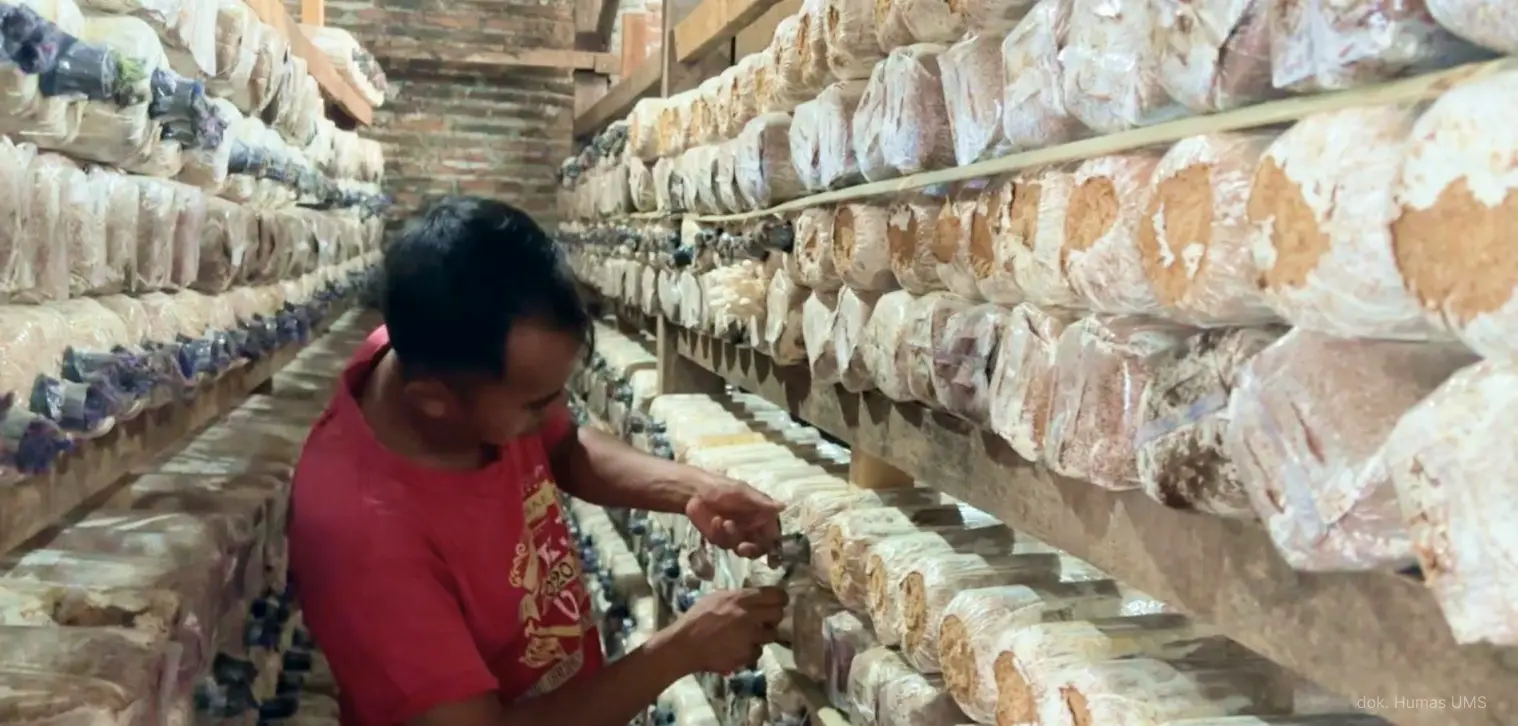
The innovation of utilizing sawdust waste has opened up new possibilities for the people of Senden Village, Klaten, Central Java. Through the hands of a Community Service Team from Universitas Muhammadiyah Surakarta (UMS), sawdust waste is processed into oyster mushroom baglogs with high economic value.
Wardiyo Setyo Utomo, a community leader of RT 09 in Senden Village, revealed that sawdust waste had long been a problem. But today, it has become a golden opportunity to improve the residents’ welfare.
“Every day, sawmills produce tons of sawdust. If discarded, it can harm the environment. But when processed into oyster mushroom baglogs, this waste actually creates added value,” said Wardiyo, familiarly known as Tyo, on Tuesday (23/9/2025).
Hariyatmi, the project leader, explained that the baglogs are used to cultivate oyster mushrooms. This initiative opens up new eco-friendly business opportunities.
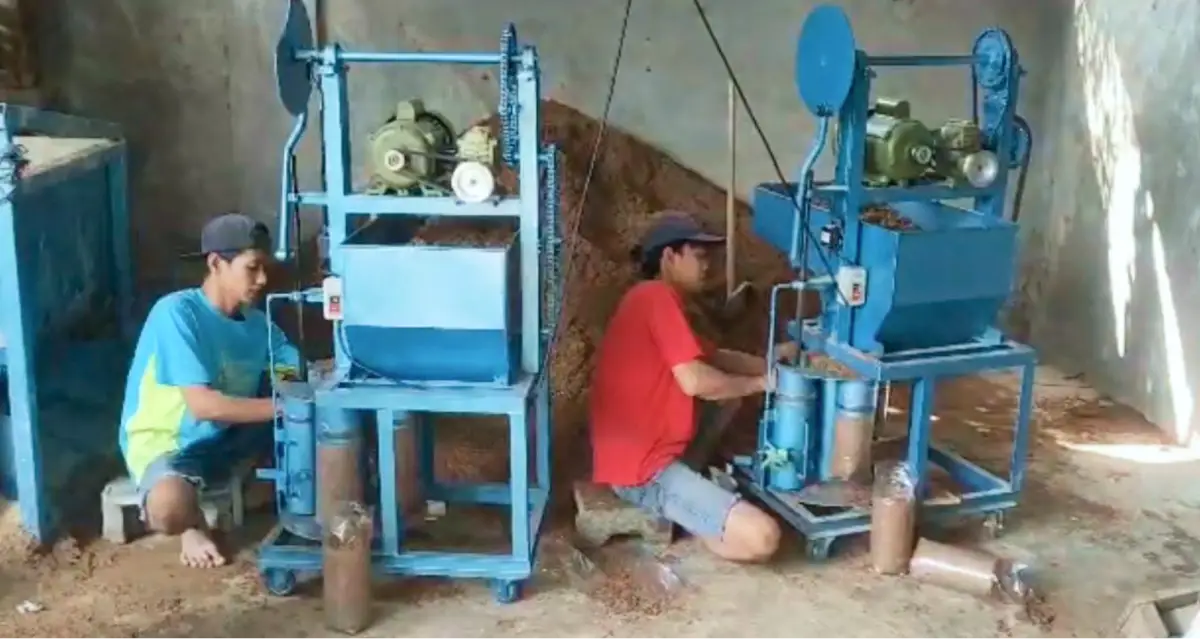 Wood waste processing equipment in Senden Village, Klaten, Central Java. UMS Public Relations
 According to her, the demand for oyster mushrooms has been rising in recent years. Such potential should be seized, as it offers new hope for the people of Senden Village to improve their economic well-being.
Hariyatmi emphasized that this initiative aligns with the principles of the circular economy, which transforms waste into valuable resources. “If this movement is expanded, it could become a real solution for wood waste management while simultaneously improving the community’s welfare,” she added.
The use of sawdust as the main material for baglogs is considered effective because it is both inexpensive and environmentally friendly. Waste once deemed useless can now be repurposed, reducing pollution while producing healthy food.
The baglog-making process is relatively simple. Sawdust is mixed with rice bran, lime, and water. The mixture is then packed into cylindrical plastic bags and compacted. After undergoing sterilization and mushroom spawn inoculation, the baglogs are ready to be cultivated in a mushroom house (kumbung). Within 30–40 days, oyster mushrooms begin to grow and can be harvested.
Hariyatmi explained that the community service program also equipped local residents with the skills to produce oyster mushroom baglogs.
She noted that this initiative is part of the Community Partnership Empowerment Program organized by UMS in collaboration with the Directorate of Research and Community Service (DPPM) of the Ministry of Higher Education, Science, and Technology.
“Our hope is that sawdust, which used to end up in piles of waste, can now give birth to healthy food and new economic opportunities. This proves that when managed wisely, waste can truly become a blessing,” she concluded.
Writer: Fika Annisa Solihah
Editor: Maysali Sudarwati
Translator: Farizal Luqman Majid
UMS students have formulated a treatment for diabetic wounds from moringa and neem leaves, and carried home gold at WYIE 2026 in Malaysia.
Nothing’s more special than reading curated news just for you.
Subscribe to the UMS Newsletter for free today.