Nano Liquid for Healing Diabetic Ulcers
21 July 2026
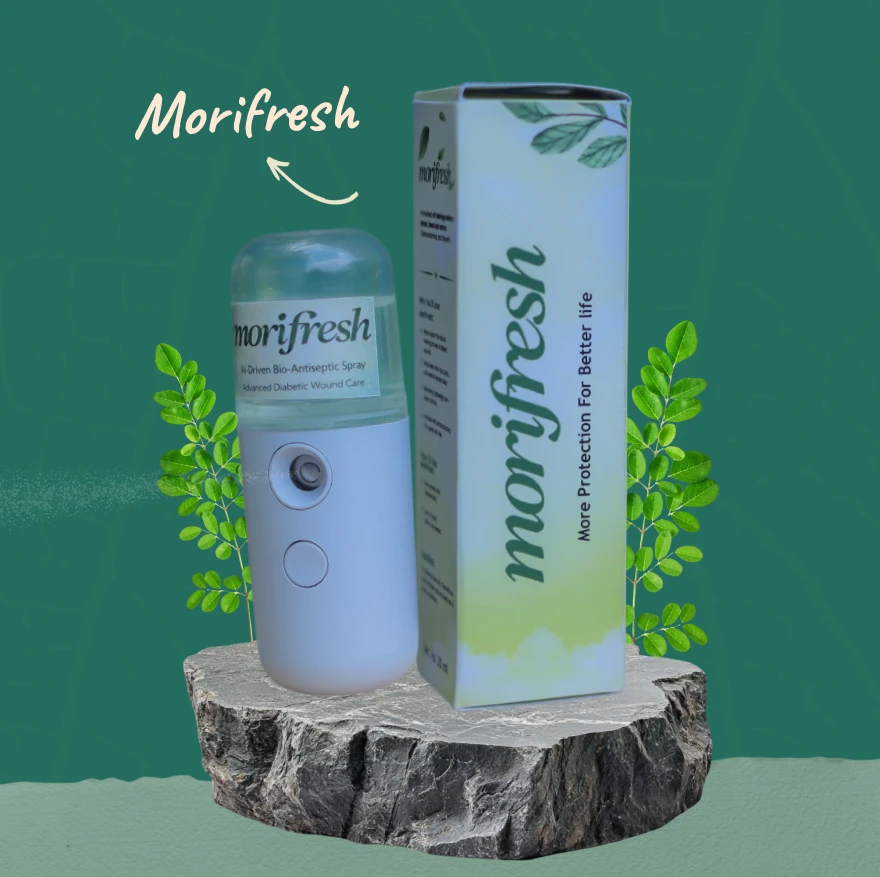
UMS students have formulated a treatment for diabetic wounds from moringa and neem leaves, and carried home gold at WYIE 2026 in Malaysia.



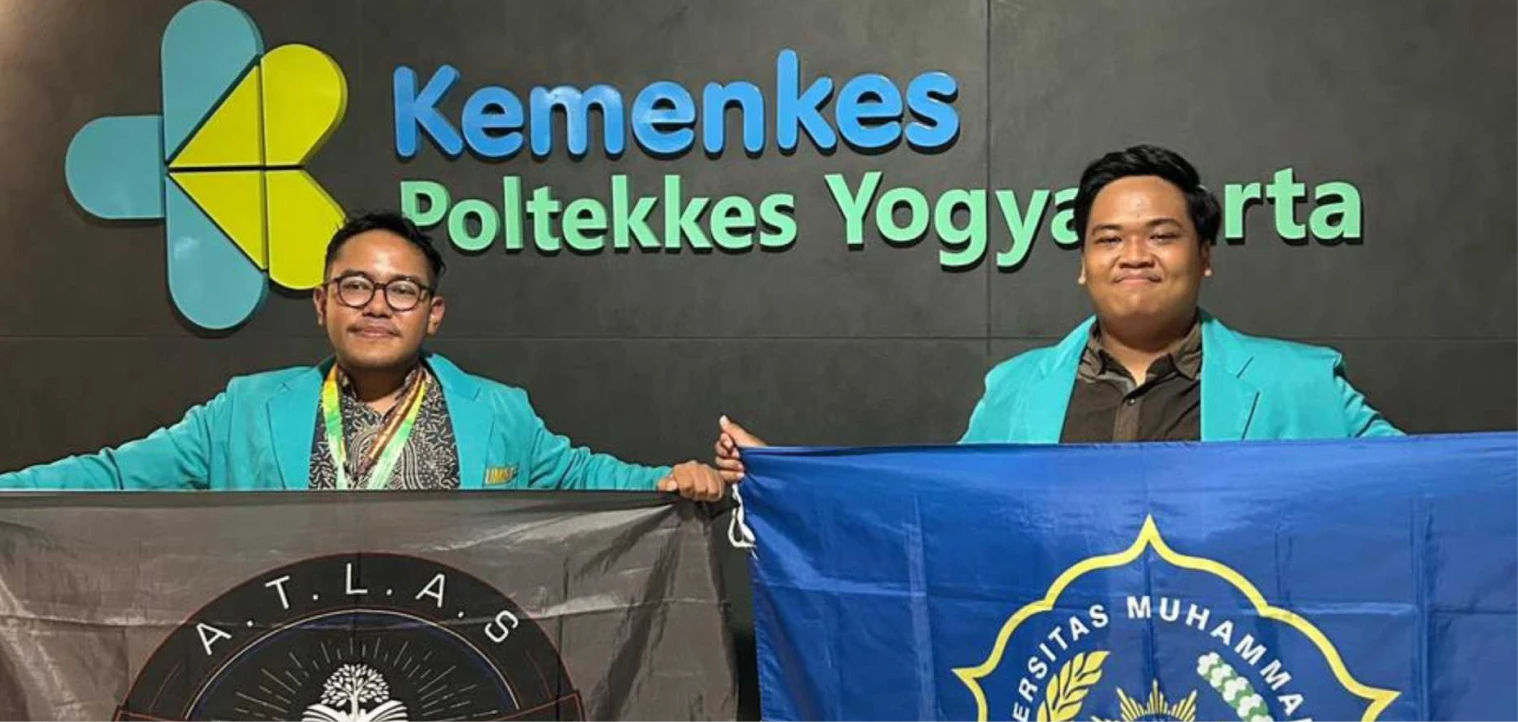
The achievement is a testament to the commitment of UMS Geography students in delivering innovative solutions to global environmental challenges. In the competition, the two were mentored by UMS Geography lecturer Dr. Choirul Amin, S.Si., M.M., who provided guidance from the development of the idea through to the international-level presentation.
WISEC 2026 carried the subtheme Sustainable Environment as a platform for young people to present innovations supporting the achievement of the Sustainable Development Goals (SDGs), particularly Goal 11 on Sustainable Cities and Communities and Goal 13 on Climate Action.
In the competition, Hian and Rafif presented an innovation titled "Optimization of the Organic Quarantine Zone (OQZ) Tool for Organic Waste Management in Sawahan Village." The concept was driven by concern over household organic waste management, which remains a challenge across many rural areas.
"The Organic Quarantine Zone (OQZ) is a closed-container organic waste management system that allows the decomposition process to take place naturally and in a more controlled manner," Hian explained on Tuesday (30/6/2026).
Through this system, the organic waste decomposition process can proceed more effectively while reducing unpleasant odors, preventing pest disturbances, and minimizing the potential for soil and air contamination.
Beyond offering a practical solution for household waste management, the innovation also supports the implementation of SDG 11 through efforts to create healthier and more livable residential environments. At the same time, reducing the accumulation of organic waste that can produce greenhouse gas emissions contributes to SDG 13 in climate change mitigation.
Hian believes that simple and easily applicable innovations actually have the greatest potential for broader impact. In his view, raising public awareness of waste management is one of the keys to achieving a sustainable environment.
Rafif Allaam Dhiyaulhaq meanwhile shared that participating in the international competition was an experience that enriched his academic capabilities while broadening his perspective on solving environmental problems.
"This event gave us the space to learn how to connect geography as a field of study with real solutions to environmental problems faced by communities," he said.
Supervising lecturer Dr. Choirul Amin, S.Si., M.M. expressed appreciation for the achievement of both students. He considers the success a demonstration that UMS Geography students are capable of competing internationally while producing innovations relevant to sustainable development challenges.
"This achievement shows the capacity of UMS Geography students to develop ideas that hold not only academic value, but also deliver solutions to environmental problems faced by communities," he said.
Through the bronze medal at WISEC 2026, Hian and Rafif hope the Organic Quarantine Zone innovation can continue to be developed and implemented more widely. They also hope this achievement will motivate other UMS students to keep creating, innovating, and contributing solutions to various global challenges through their respective fields of study.
Write: Fika Annisa’ Sholihah
Editor: Gede Arga Adrian
Translator: Farizal Luqman Majid
UMS students have formulated a treatment for diabetic wounds from moringa and neem leaves, and carried home gold at WYIE 2026 in Malaysia.
Nothing’s more special than reading curated news just for you.
Subscribe to the UMS Newsletter for free today.