The Coffee Shop Boom
1 August 2026
Indonesia is one of the world's largest coffee-consuming nations, a thirst that keeps spawning new coffee shops. Sharpening the competition among them.



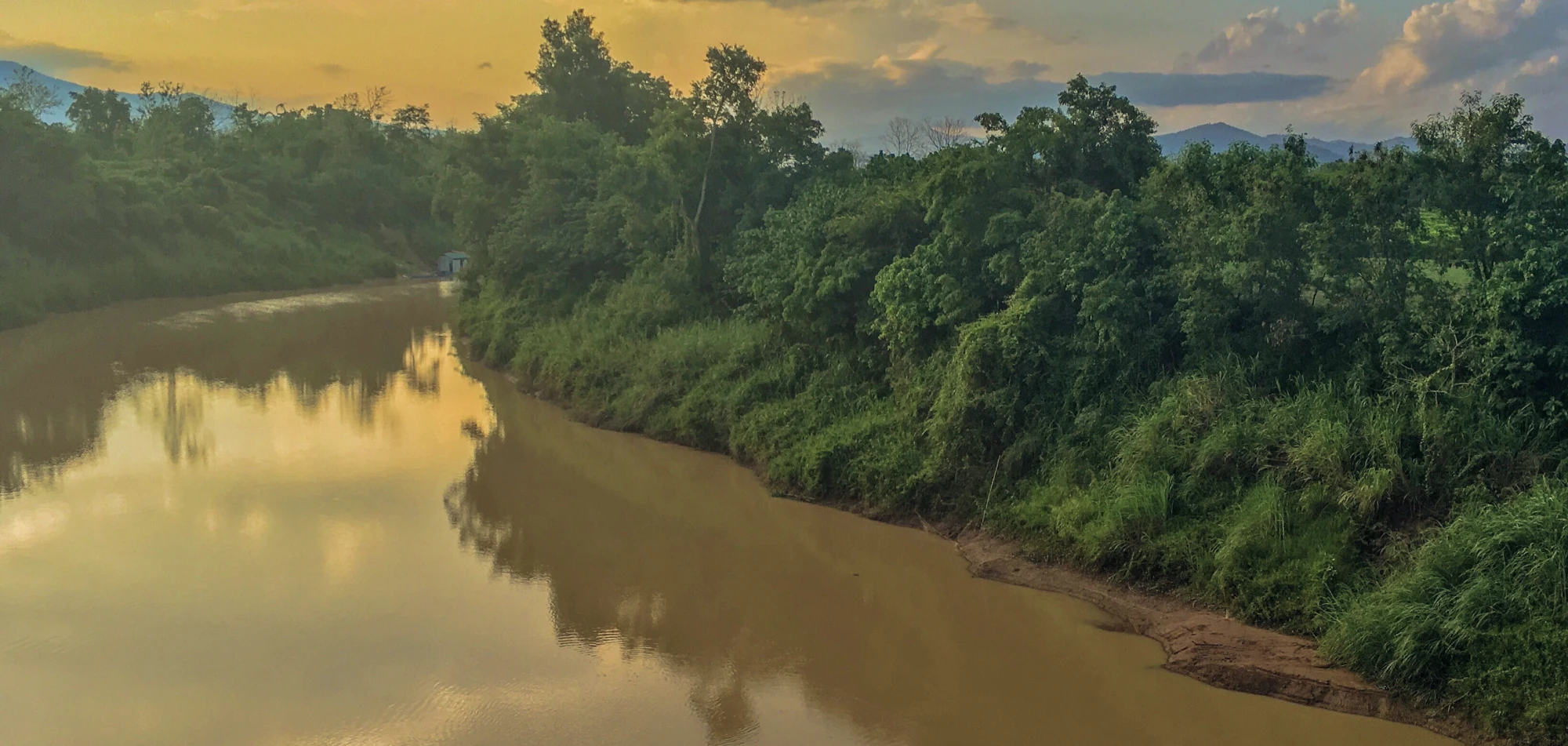
The Bengawan Solo River is legendary. It is the largest river on the island of Java and drains a watershed area of 16,100 square kilometers. The river has its headwaters in the Sewu mountains in the west-south. It flows into the Java Sea with an estuary in Gresik, East Java, for 600 km.
The Bengawan Solo River, which is winding and enchanting for those who enjoy it, has begun to take on color. Exploring 12 regencies/cities such as Wonogiri, Sukoharjo, Klaten, Solo, Karanganyar, and ending in Gresik. After passing through Sragen, Ngawi, Blora, Bojonegoro, Tuban, and Lamongan.
Still fresh in our minds, the river has many functions for the lives of people around it, both as a natural channel to drain rainwater into the sea to prevent flooding in downstream areas and as a source of drinking water and transportation. Other functions include power generation and a source of life for fishermen. In short, rivers are created by Allah SWT and are very beneficial for living things.
The Solo River holds such deep cultural significance that it was immortalized in the song “Bengawan Solo” by Gesang Martomartono in 1940. Composed when the maestro was a young man of 23, the song beautifully captures the river’s splendor and role as a life-giving force, a testament to Allah’s creation.
The song “Bengawan Solo” depicts the river’s beauty, surroundings, and environmental significance. The song has garnered attention over time, highlighting the river’s vital role in sustaining life and its potential hazards if not managed responsibly. Beyond its popularity in Indonesia, the song’s reach has extended across Asia after being popularized by Japanese soldiers.
Once pristine and untouched, the Bengawan Solo River’s beauty was immortalized in song. However, its current state is a cause for grave concern. In June 2019, the river was reportedly severely polluted, as evidenced by its murky waters. This pollution has led to the death of fish, plants and also disrupted the drinking water supply of the PDAM, affecting approximately 16,000 customers.
People’s wrong perception of the river has implications for their actions by polluting it. The river is treated as a dumping ground for all kinds of waste. This behavior causes pollution in the Bengawan Solo River and other rivers in most parts of Indonesia.
The public’s misguided perception of rivers has led to irresponsible behavior, such as littering and transforming rivers into dumping grounds for all kinds of waste. This behavior has resulted in widespread pollution, not just in the Bengawan Solo River but also in other rivers across Indonesia.
If this situation persists, the river’s functionality will deteriorate further, negatively impacting the river ecosystem and the lives of those who depend on it. Observing the clear river water in major cities of developed countries, such as Malaysia, is a stark reminder that we must do better in caring for God’s creations.
According to Islamic scholars, one of the characteristics of a true Muslim is the consideration for their neighbors. Actions that cause disturbance or discomfort to neighbors are considered forms of bodily sin. Examples include cooking in your kitchen in a way that the smoke bothers your neighbor or playing loud music or television that disrupts your neighbor’s peace.
Disposal of garbage or waste into the river is prohibited in Islam as it pollutes the water and causes harm to others. This aligns with the Prophet Muhammad’s SAW saying: ‘Whoever believes in Allah and the Last Day should not disturb his neighbor’ (HR Bukhari and Muslim).
It is indeed commendable how Islamic teachings prioritize the importance of treating neighbors well. This emphasis is rooted in the understanding that harm against one’s neighbors can impact the overall well-being of the Muslim community. These harmful practices are often fueled by a lack of education, cultural barriers, and ineffective policies that fail to address these issues. The inadequate disincentives and weak enforcement can hinder their effectiveness even when policies are in place.
Reflecting on the pollution of the Bengawan Solo River, which is coveted and whose song is sung throughout Asia, let’s do some introspection. Have we ever committed acts that harmed our neighbors or harmed the existence of the river? Whether we realize it or not, we have committed bodily sin.
Achieving a pollution-free river requires a concerted and programmatic effort. Universitas Pendidikan Indonesia (UPI) is an exemplary model of a clean campus environment, where litter is rarely found on any floor. This transformation, achieved over four years, demonstrates the power of a committed leadership that engages staff and students in maintaining a clean environment.
In Klaten, specifically Karanglo Village, Polanharjo District, New River Moon has emerged as a river tour. Visitors reach 10,000 people per month. And the turnover can be Rp 5,000,000 per week.
The realization of a clean and functional river is within our grasp, provided we are determined to make it happen. It is time for us to embrace environmental stewardship, including cherishing the rivers that grace our surroundings.
Translator: Farizal Luqman Majid
Source: https://news.ums.ac.id/id/10/2022/adab-terhadap-sungai-bengawan-solo-dan-sungai-lainnya/
Indonesia is one of the world's largest coffee-consuming nations, a thirst that keeps spawning new coffee shops. Sharpening the competition among them.
Nothing’s more special than reading curated news just for you.
Subscribe to the UMS Newsletter for free today.