Keeping the Lights On in Qatar's Milaha Vessel
30 July 2026
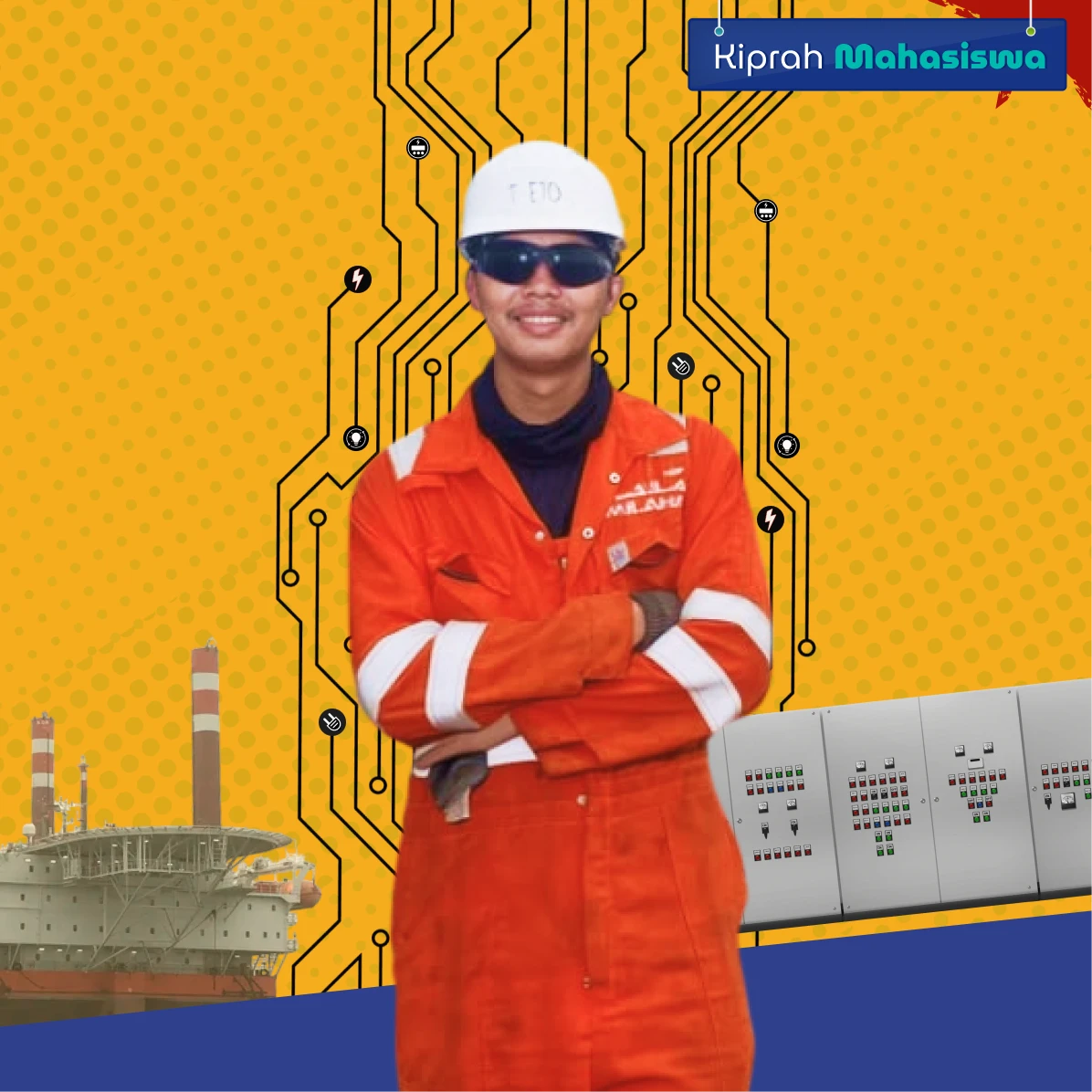
Muhamad Wildan Fadhila flew to Qatar to work as an electrical technician on ships owned by Milaha. Maintaining the vessel's electrical systems while catching his global exposure.


A student’s academic journey isn’t always confined to the classroom. For many, hands-on experience in the field becomes an invaluable learning moment ,a chance to apply what they’ve learned in the real world.
That’s exactly what Faris Rahman Kusdiana, a Physiotherapy student at Universitas Muhammadiyah Surakarta (UMS), experienced. Faris was recently selected as a classification assistant for the IFCPF Men’s Asia-Oceania Cup 2025 held in Surakarta, Central Java, on 16–22 November 2025.
The IFCPF Men’s Asia-Oceania Cup is an official regional cerebral palsy football tournament involving countries across Asia and Oceania. “This event is an important moment in the athlete classification process, which will be used for upcoming international competitions,” Faris said when contacted via WhatsApp on Thursday (20/11/2025).
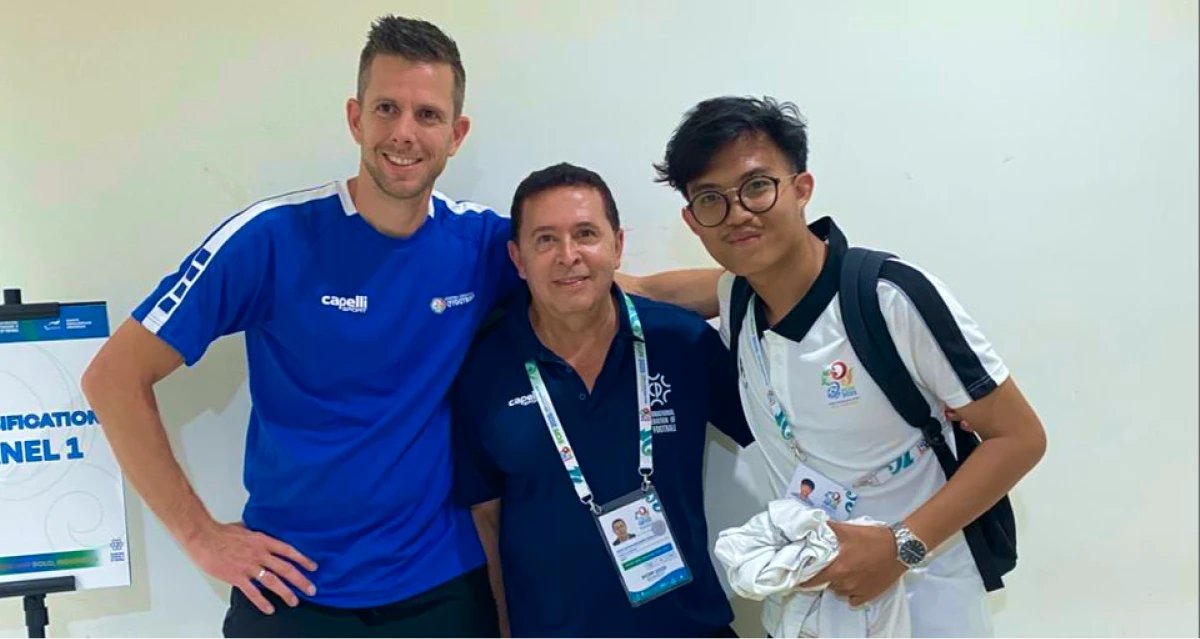
The opportunity to join the IFCPF Men’s Asia-Oceania Cup came in early October. He was offered the position of classification assistant. Not wanting to waste the chance, Faris immediately accepted.
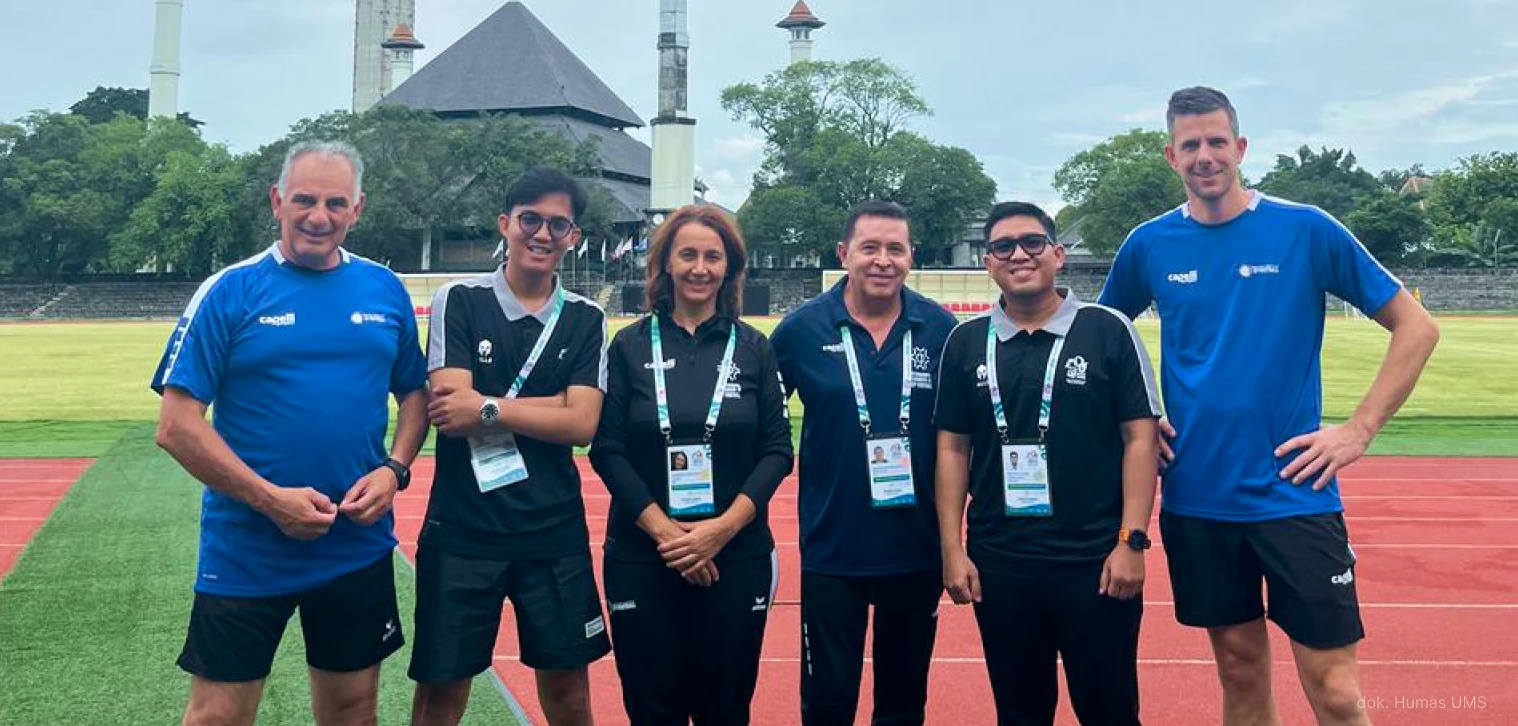
The 2022 cohort student had the opportunity to work under Chief Classifier Dr. Jorge Parra from Colombia. He also coordinated with other professional classifiers from various countries, including Carlos Quero from Argentina, Bram Roberts from the Netherlands, and Dr. Aleksandra Strojna from Italy.
Faris explained that the role of a classification assistant is to support the qualification process for athletes with cerebral palsy. His duties included assisting international classifiers in conducting medical assessments, sports assessments, document preparation, ensuring the examination flow ran smoothly, recording results, and coordinating with classification teams from each country’s paralympic committee.
“My job also included helping ensure that IFCPF standards were implemented correctly,” added the student from Tasikmalaya, West Java.
The 22-year-old faced several challenges throughout the tournament from maintaining consistent performance and managing a tight schedule to meeting high accuracy demands. These challenges arose because the work of the classification team determines an athlete’s competitive status.
“I handled it through disciplined time management, active communication with senior classifiers, and making sure every procedure followed IFCPF standards,” he said confidently.
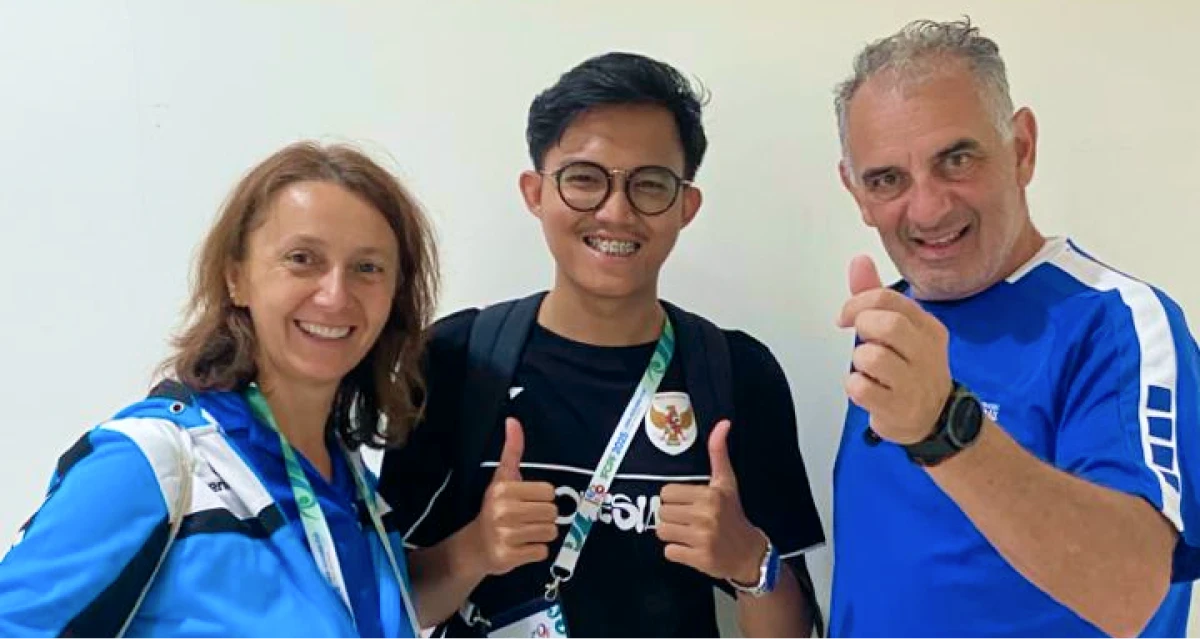
His participation as part of the medical team in an international competition became an opportunity for Faris to apply to several courses he has studied, including Sports Physiotherapy, Musculoskeletal Examination, and Neurology.
The athlete classification process also involves a wide range of clinical assessments aligned with physiotherapy competencies from range of motion, muscle tone, and motor control to movement analysis.
As the active chair of the UMS Sport Physiotherapy Study Group, Faris shared that he gained many positive experiences from the IFCPF tournament. He has a strong interest in sports physiotherapy.
Faris said he has been exploring sports physiotherapy throughout his studies. He once developed a digital classification tool that he presented in Japan some time ago. The project earned him intellectual property rights and allowed him to complete his thesis through the outcome-based education (OBE) pathway.
For him, the opportunity to work directly with international classifiers was a rare and valuable experience.
That experience also strengthened Faris’ determination to pursue sports physiotherapy as his future career path. “I want to study the cerebral palsy football classification system more deeply because it is closely related to the development of my profession in the future,” he concluded.
Writer: Gede Arga Adrian
Editor: Fika Annisa Sholihah
Translator: Farizal Luqman Majid
Muhamad Wildan Fadhila flew to Qatar to work as an electrical technician on ships owned by Milaha. Maintaining the vessel's electrical systems while catching his global exposure.
Nothing’s more special than reading curated news just for you.
Subscribe to the UMS Newsletter for free today.