The Coffee Shop Boom
1 August 2026
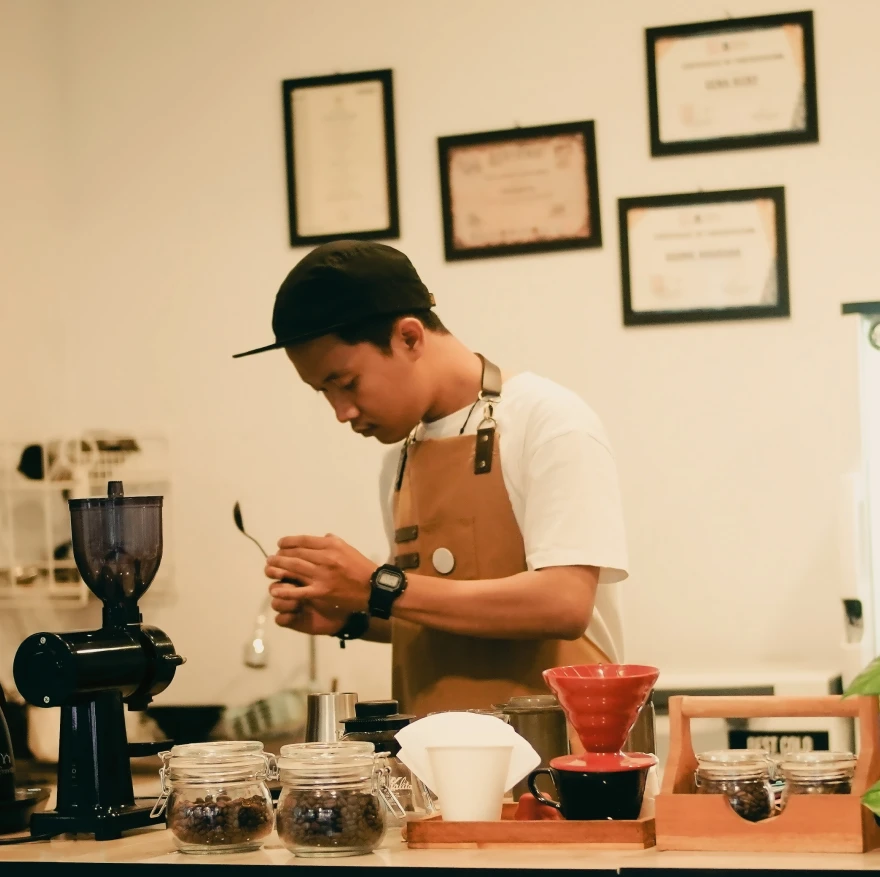
Indonesia is one of the world's largest coffee-consuming nations, a thirst that keeps spawning new coffee shops. Sharpening the competition among them.



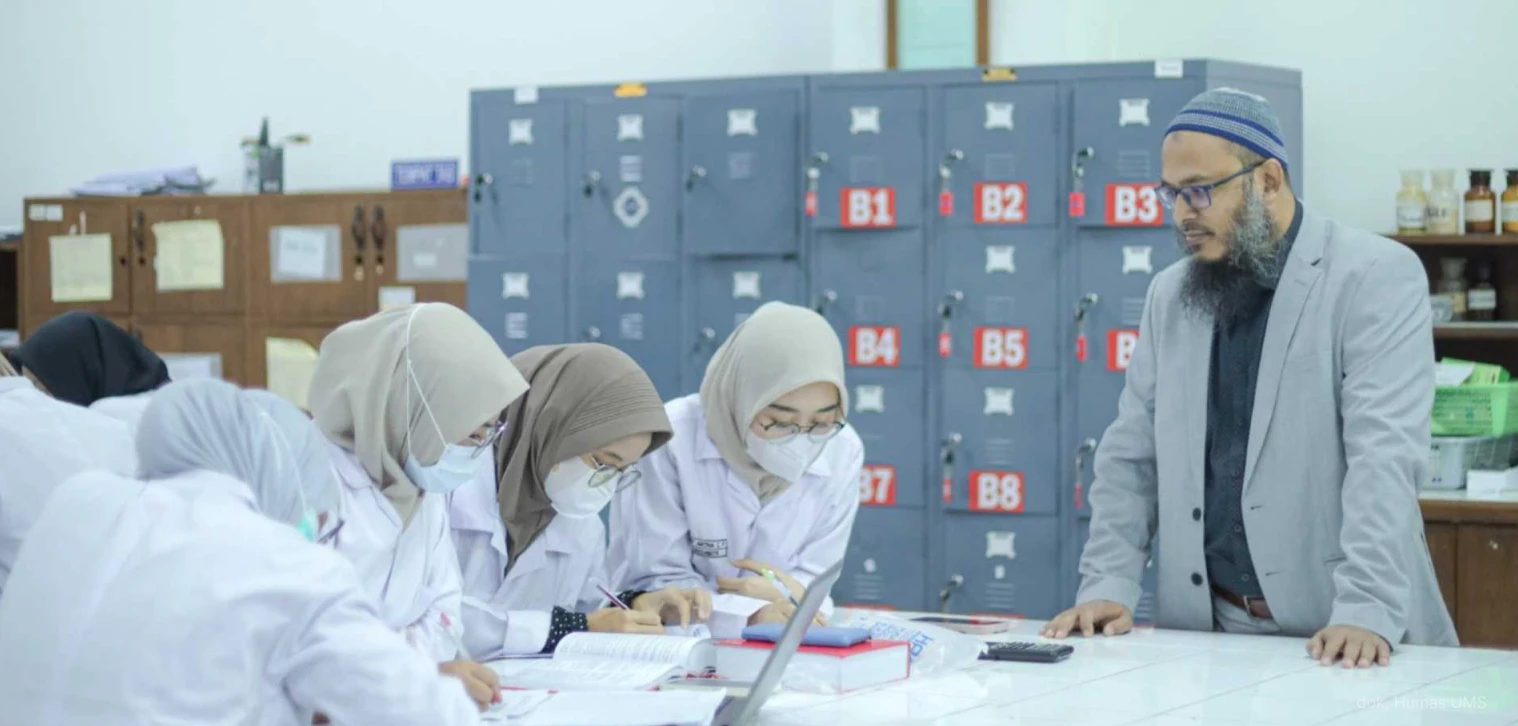
Universitas Muhammadiyah Surakarta (UMS) has once again achieved an international milestone. Associate Professor at the UMS Faculty of Pharmacy, Dr. MD. Sanower Hossain, has been recognized in Stanford University’s 2025 list of the World’s Top 2% Scientists.
This prestigious recognition places Sanower among the world’s most influential researchers in microbiology, based on citation impact and scientific contributions. His consistent publications in reputable journals, global research networks, and service on international editorial boards were also key factors that led to this global recognition.
“Alhamdulillah, this is an honor. This achievement is not only personal recognition for me but also a source of pride for Universitas Muhammadiyah Surakarta,” said Sanower on Monday ((22/9/2025).
Since joining UMS last June, Sanower has felt the university’s strong support. He has even been entrusted with establishing a new research group in advanced drug delivery, which he now leads directly.
“UMS provides space for research leadership and encourages international collaboration. This is a major asset for advancing the university toward its vision of becoming a World Class University by 2029,” he said.
Sanower advised students not to pursue publications alone but to ensure their research provides real solutions to health challenges.
“Be ambitious, but consistent. Connect theory with application, build global networks, and conduct research with discipline. By doing so, UMS students can contribute at the international level,” he encouraged.
Sanower also shared his academic journey. He completed his undergraduate studies in biotechnology and genetic engineering at Mawlana Bhashani Science & Technology University (MBSTU), Bangladesh.
He then earned his master’s degree in the same field at the International Islamic University Malaysia (IIUM), where he later pursued a PhD in pharmacology. His doctoral research focused on advanced drug delivery using biodegradable polymers for the treatment of bone infections (osteomyelitis). His research later expanded into the green synthesis of zinc oxide nanoparticles with applications in both biomedical and environmental fields.
“I would like to express my sincere gratitude to my PhD supervisors, Associate Professor Dr. Mohd. Affendi Bin Mohd Shafri and Professor Dr. Farahidah Mohamed from IIUM, for their invaluable guidance throughout my research journey and for inspiring me to strive toward becoming a globally recognized scientist,” he said.
Sanower also extended his thanks to his postdoctoral mentor, Dr. Jun Haslinda Shariffuddin from Universiti Malaysia Pahang Al-Sultan Abdullah, Malaysia, for providing valuable research opportunities and continuous support during his postdoctoral journey.
According to Sanower, three key factors played a major role in his research success. First, an interdisciplinary approach that bridges biotechnology, pharmacology, and nanotechnology. Second, teamwork with students and international collaborators. Third, consistency in publishing high-quality scientific work despite limitations in funding and facilities.
“Perseverance in writing and publishing meaningful research, despite all the challenges, has been the key that brought me to this point,” he explained.
Sanower’s current research focuses on drug delivery and nanomedicine, particularly the development of polymer-based biodegradable antibiotic delivery systems and the exploration of eco-friendly nanoparticles. One of his most memorable projects involves utilizing pineapple waste to synthesize zinc oxide nanoparticles.
“This research is meaningful because it combines biomedical innovation with sustainable waste management,” he noted. His work on colorectal cancer, meanwhile, has gained significant recognition, with more than 588 citations in Scopus and 926 in Google Scholar.
Despite these remarkable achievements, Sanower’s research journey has not been without obstacles, from limited funding and high laboratory material costs to intense competition for publication in international journals. Yet, he believes these challenges have only strengthened his determination to produce transformative research.
Looking ahead, Sanower plans to translate his flagship research into commercial products, such as green nanobit-embedded hydrogel dressings to combat antibiotic resistance and plant-based mucoadhesive hydrogels for colorectal cancer therapy.
He also expressed his hopes for Indonesia to strengthen its position in sustainable research. Currently, Indonesia ranks 55th in the Global Innovation Index.
“I believe Indonesia has the potential to break into the world’s top 10. UMS holds a strategic role in advancing transnational research, empowering young researchers, and building global collaborations in health and environmental sciences,” he concluded.
Writer: Fika Annisa Sholihah
Editor: Maysali Sudarwati
Translator: Farizal Luqman Majid
Indonesia is one of the world's largest coffee-consuming nations, a thirst that keeps spawning new coffee shops. Sharpening the competition among them.
Nothing’s more special than reading curated news just for you.
Subscribe to the UMS Newsletter for free today.