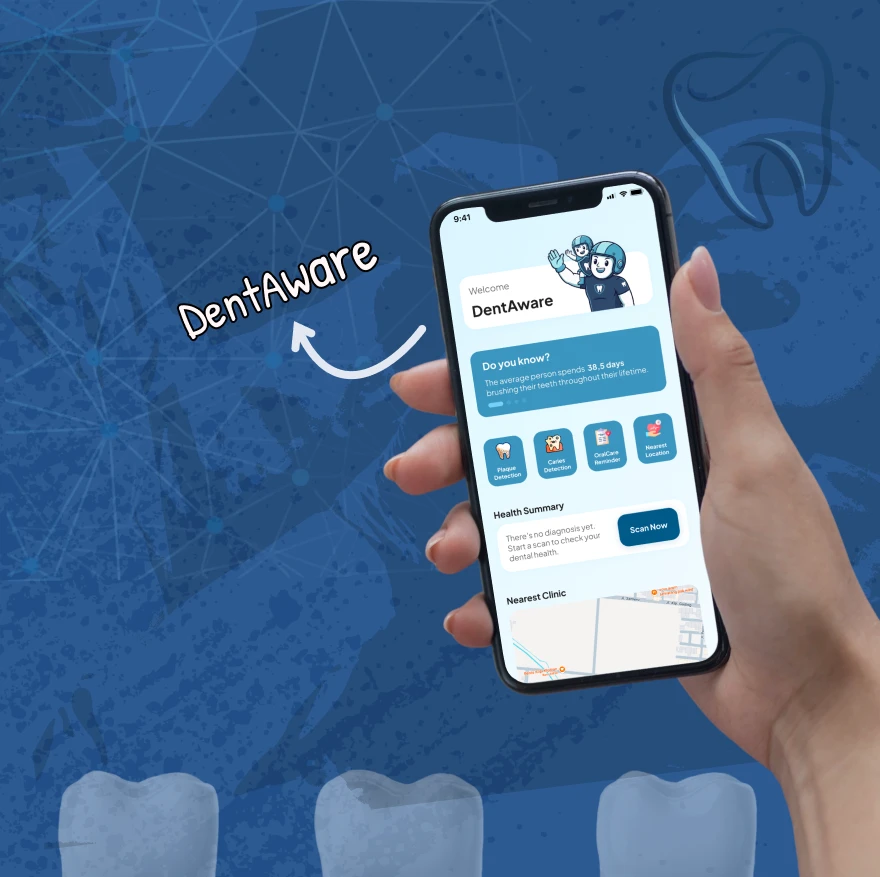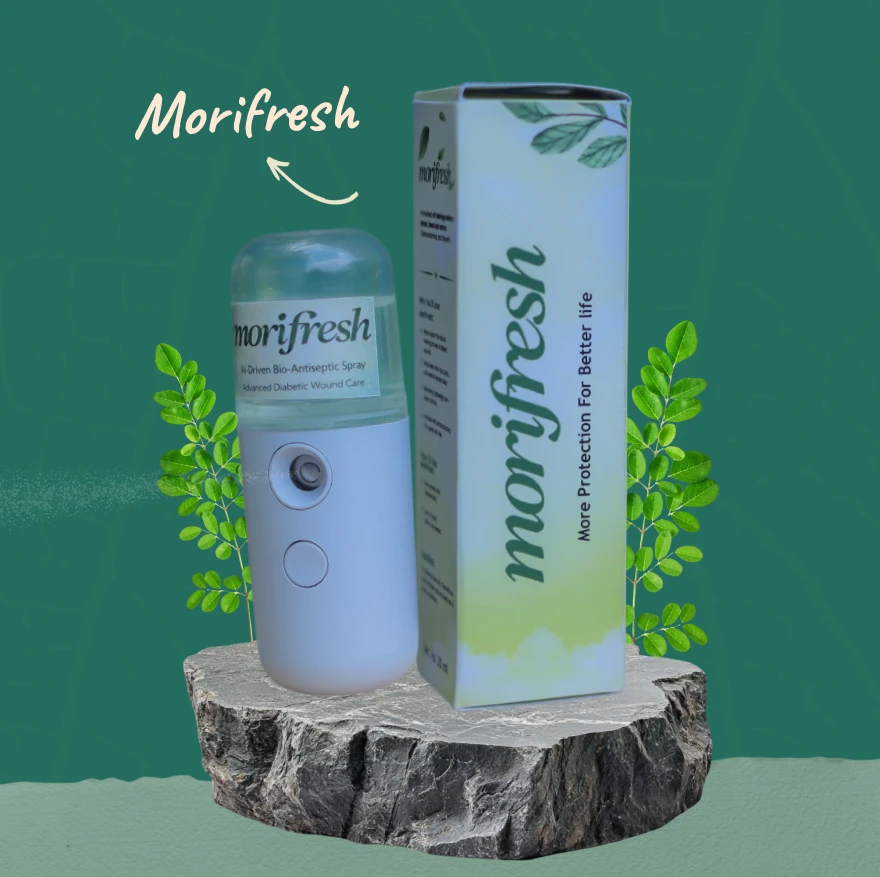
Nano Liquid for Healing Diabetic Ulcers
21 July 2026
UMS students have formulated a treatment for diabetic wounds from moringa and neem leaves, and carried home gold at WYIE 2026 in Malaysia.



Do you enjoy learning about living things and exploring the relationships between them and their environments? If so, majoring in Biology Education might be your perfect choice. Let’s dive into what this exciting field has to offer.
Biology Education is a science discipline that focuses on studying biology. This encompasses a broad range of topics, from the molecular level and cells to entire organisms, including humans, animals, and plants, as well as their interactions with the environment.
In this program, you will study two fields: biological content and pedagogy, or strategies for teaching biology to students. Biology Education programs are available at various public and private universities throughout Indonesia, including Universitas Muhammadiyah Surakarta (UMS).
What will you learn in the Biology Education program? According to UMS Head of the Biology Education Department, Putri Agustina, S.Pd., M.Pd., the program combines content and pedagogical knowledge. “The integration of content and pedagogy is named Pedagogical Content Knowledge,” she explained on Friday (7/12/2024).
If you study Biology Education, especially at UMS, you will focus on Biology Materials, Education and Learning Materials, and Biology Learning Materials.
The Biology Education program is generally an undergraduate degree with a study period of 4 years, totaling 144 credits. You will earn a Bachelor of Education degree, or S.Pd, upon graduation.
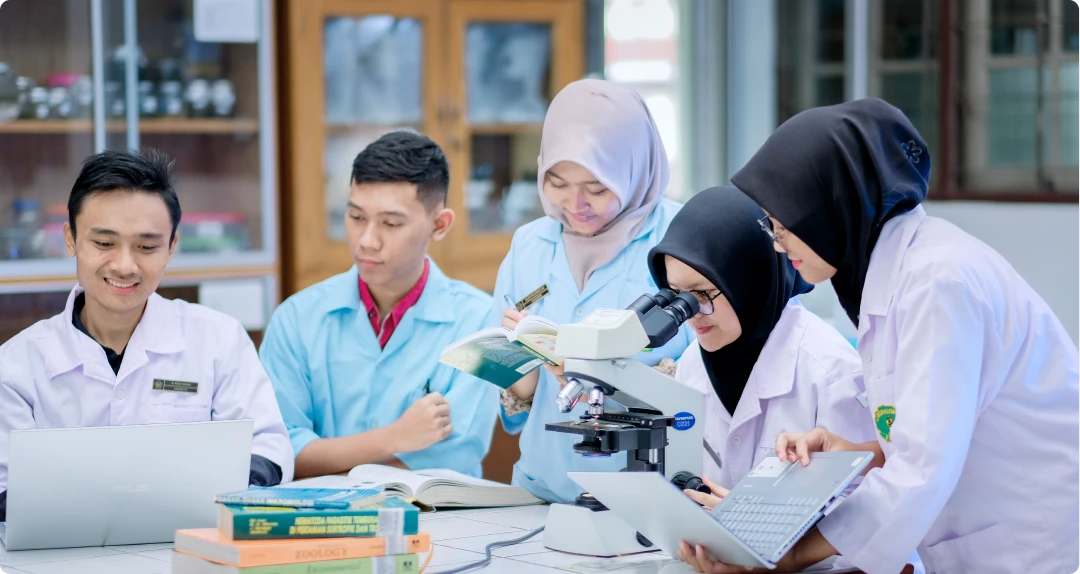
Biology Education students doing lab work in one of the UMS Biology Education laboratories. Imam Safii/UMS Public Relations
In this department, you will study various courses, including biology, education, and elective courses.
Biology courses include Molecular Biology, Plant Physiology, Environmental Biology, Animal Embryology, Biochemistry, Animal and Plant Ecology, and Cell Biology.
Education courses include Education Management, Biology Learning Strategies, Curriculum and Learning, Educational Psychology, Biology Learning Planning, and Biology Learning Media Innovation.
You can also choose specialization or elective courses starting from the sixth semester. Each semester, students can take a maximum of two elective courses.
The goal is to equip students with skills in Biology entrepreneurship (bioentrepreneurship) as an added skill. This elective course distinguishes and enhances the UMS Biology Education Program compared to similar programs at other universities.
Some of the elective courses in this study program include Computational Biology Learning Media, Plant Cultivation, Waste Management, Food and Nutrition, Industrial Microbiology, Plant Tissue Culture, School Biology Practicum Development, Mushroom Cultivation, Digital Learning, Microtechnics, Commercial Animal Farming, and Toxicology.
“So what do Biology Education graduates do?” No need to worry! After graduation, you’ll have a wide range of career opportunities.
Biology Education graduates are primarily prepared to become educators or Biology teachers. You will be equipped with four key teacher competencies: professional competence related to Biology content material, pedagogical, personality, and social competence.
Apart from becoming educators, students can pursue careers such as laboratory assistants, researchers, and even bioentrepreneurs. This broad range of opportunities ensures that students are equipped with additional competencies in research methodologies (Biology and education), laboratory and educational resource management principles, ICT concepts and theories supporting Biology learning, and entrepreneurial skills.
Some types of jobs that can be pursued by Biology Education graduates include:
However, mastering soft skills is crucial for enhancing your career options. As a Biology Education graduate, you should focus on the following soft skills: in-depth knowledge of biological content, understanding of biological pedagogical material, proficiency in foreign languages, information and communication technology skills, effective communication, and strong ethical conduct.
Studying Biology Education requires access to adequate facilities and infrastructure to enhance your learning experience. At UMS, you'll find a supportive and engaging environment that facilitates your academic activities and enriches your time at the university..
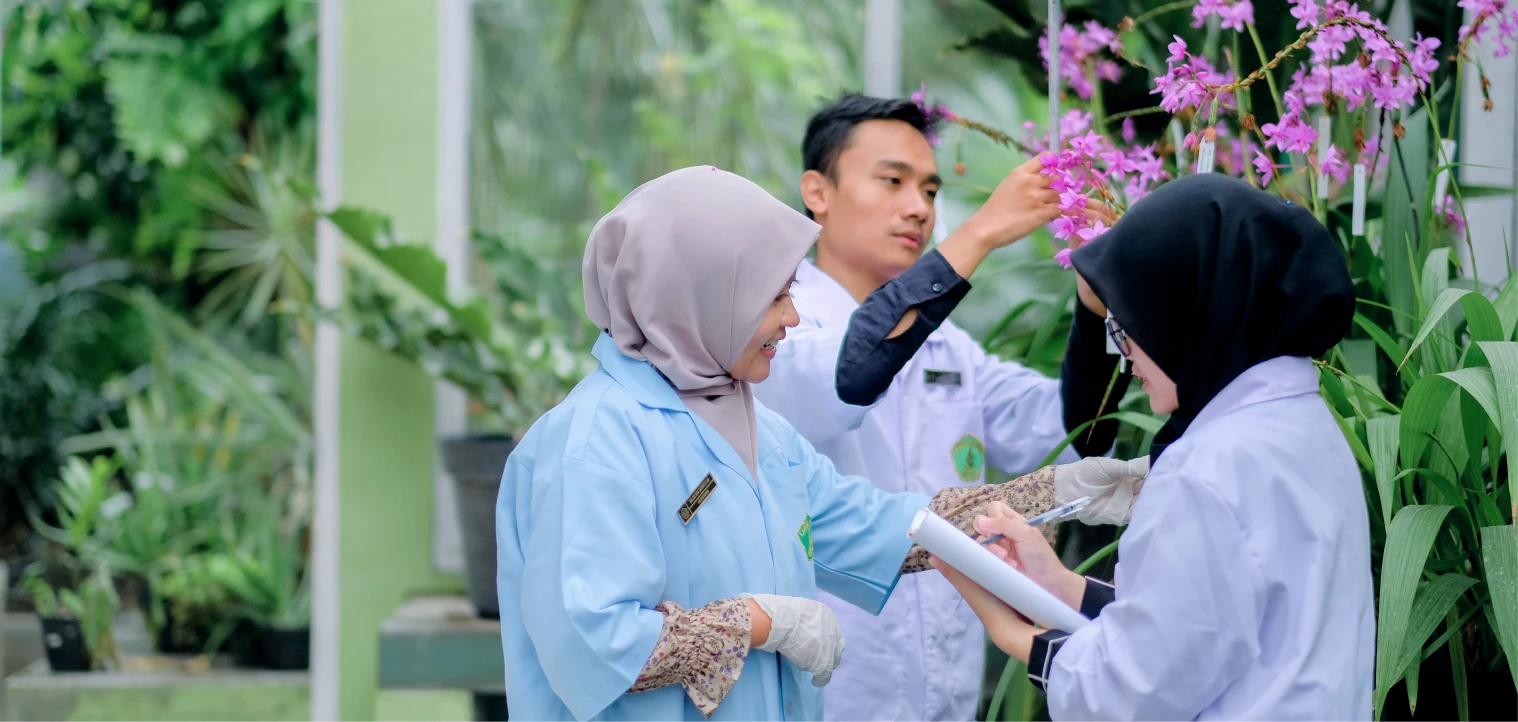
UMS Biology Education has 11 specialized Biology Laboratories to support various practical courses. Additionally, there is a Microteaching Laboratory to aid in understanding teaching materials and a greenhouse facility that supports plant-related courses with multiple plant species.
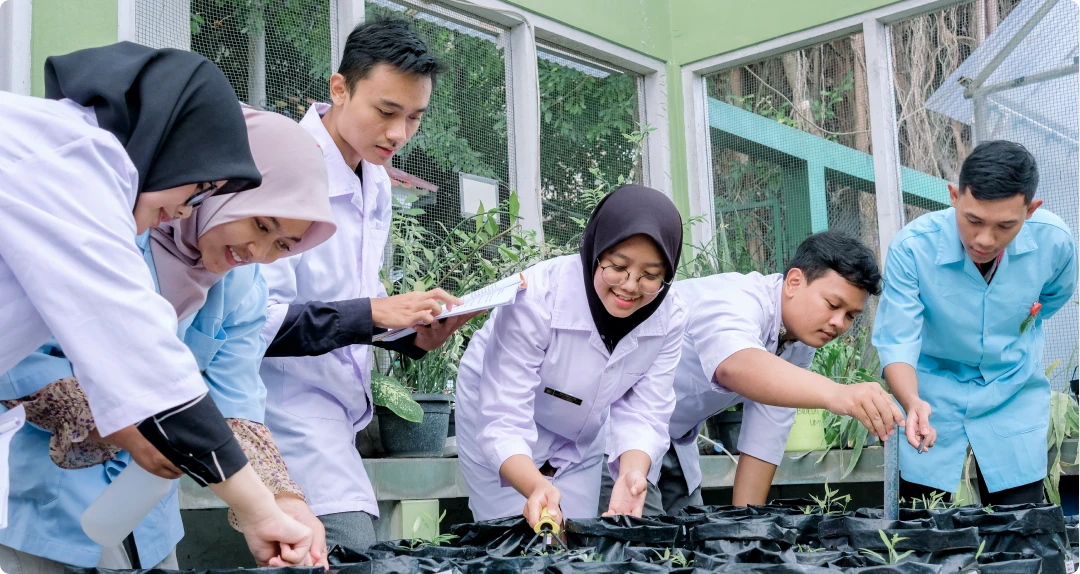
UMS Biology Education students doing lab work in the greenhouse. Imam Safii/UMS Public Relations
The UMS Biology Education Program has been accredited excellent from the Lembaga Akreditasi Mandiri Kependidikan (Lamdik). The curriculum aligns with the Merdeka Belajar Kampus Merdeka program by the Ministry of Education, Culture, Research, and Technology. This curriculum aims to produce graduates who are ready for the workforce and possess a global vision.
Writer: Gede Arga Adrian
Translator: Farizal Luqman Majid
Editor: Al Habiib Josy Asheva
UMS students have formulated a treatment for diabetic wounds from moringa and neem leaves, and carried home gold at WYIE 2026 in Malaysia.
Nothing’s more special than reading curated news just for you.
Subscribe to the UMS Newsletter for free today.