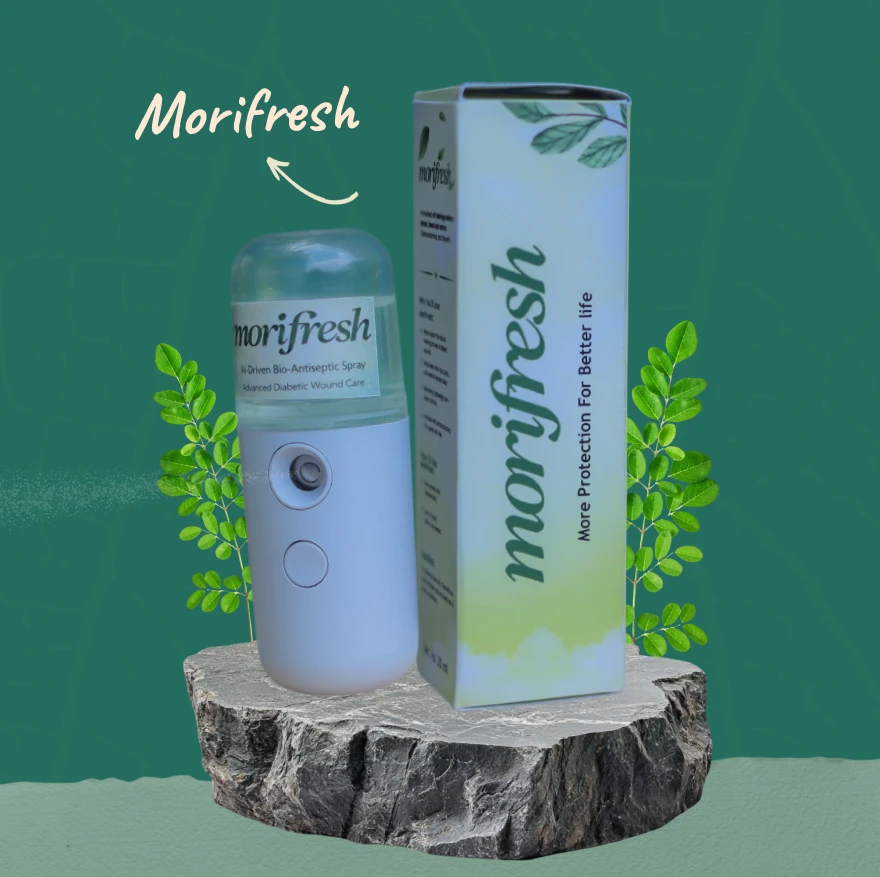
Nano Liquid for Healing Diabetic Ulcers
21 July 2026
UMS students have formulated a treatment for diabetic wounds from moringa and neem leaves, and carried home gold at WYIE 2026 in Malaysia.



The commitment to building environmentally conscious behavior among students continues to be pursued by a research team at Universitas Muhammadiyah Surakarta (UMS), one of which is through an Internet of Things (IoT)-based innovation called Smart Monitoring Green Action (Smogra).
Smogra is a digital system designed to record, monitor, and reward the environmentally friendly activities of school students. The initial target of Smogra is students at the primary school level.
Research team leader Dr. Rini Kuswati, S.E., M.Si., CMA. revealed that this research will be carried out over two years, from 2026 to 2027. The research combines several approaches, namely digital technology, character education, and green economy. Smogra is hoped to become a more effective and relevant environmental learning model suited to the character of today's younger generation.
Rini explained that environmental education in schools has long focused primarily on knowledge. Yet the real challenge now is how to shape genuinely sustainable behavior in everyday life.
"Today's children are a digital generation more drawn to interactive, game-based, and technology-driven activities. That is why we are introducing a new approach that not only teaches the importance of caring for the environment, but also encourages students to practice it directly," said the Head of the UMS Management program on Thursday (11/6/2026).
Smogra integrates a number of technologies including Radio Frequency Identification (RFID), smart cards, smart scales, a digital dashboard, and an application to monitor waste management activities at school.
Students will earn digital points each time they carry out an environmentally friendly action, such as sorting organic and inorganic waste, depositing recyclable waste, or participating in school cleanliness activities.
The points earned can then be exchanged for various educational needs, such as books, stationery, plant seedlings, and other learning products.
Rini said the research is a response to the challenge of waste management in the school environment, including food waste from the free nutritious meal program.
"The presence of a digital monitoring system is hoped to help schools manage waste more effectively while also instilling environmental awareness from an early age," Rini said optimistically.
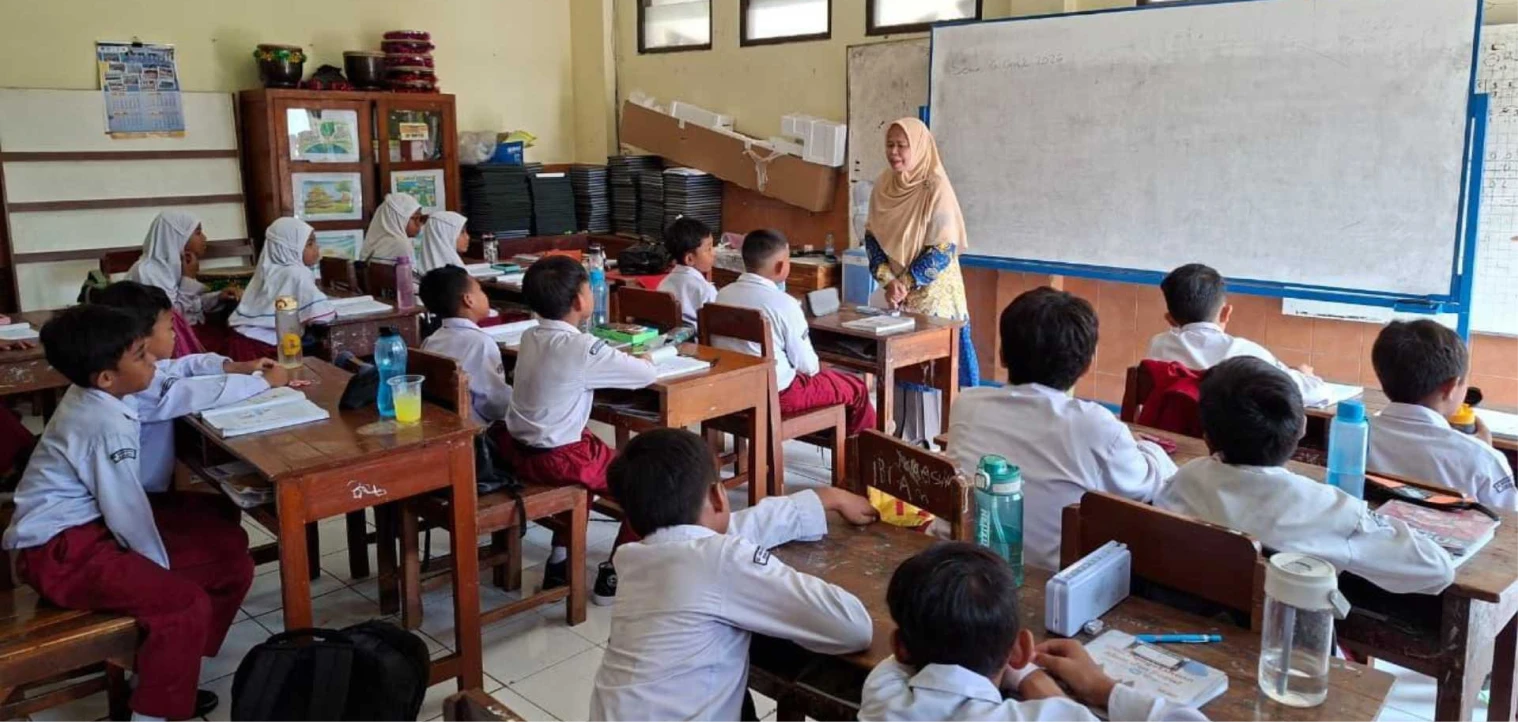
According to plan, Smogra will be implemented at SD Muhammadiyah 24 Gajahan Surakarta, involving around 120 students from grades 4 to 6, teachers, educational staff, school administrators, parents and guardians, the school committee, as well as waste bank partners and environmental communities.
Writer: Fika Annisa’ Sholihah
Editor: Gede Arga Adrian
Translator: Farizal Luqman Majid
UMS students have formulated a treatment for diabetic wounds from moringa and neem leaves, and carried home gold at WYIE 2026 in Malaysia.
Nothing’s more special than reading curated news just for you.
Subscribe to the UMS Newsletter for free today.