The Coffee Shop Boom
1 August 2026
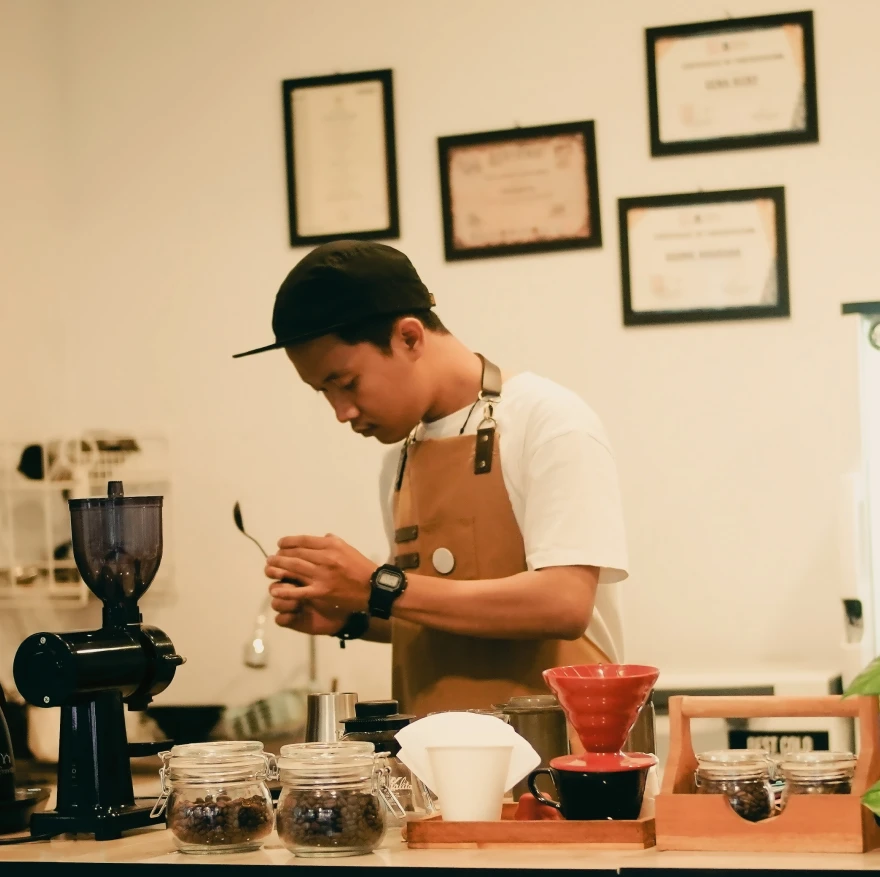
Indonesia is one of the world's largest coffee-consuming nations, a thirst that keeps spawning new coffee shops. Sharpening the competition among them.



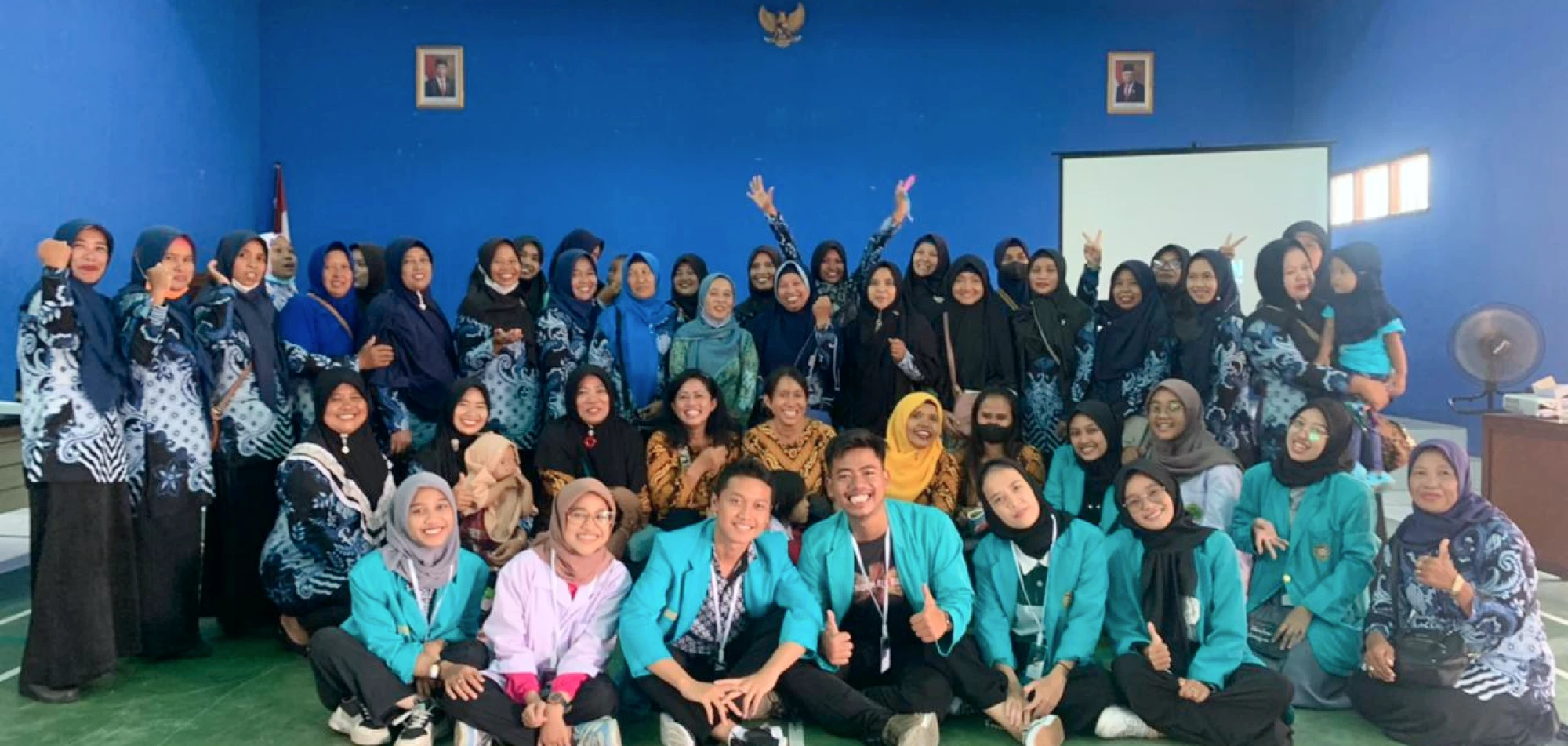
A team of students from Surakarta Muhammadiyah University (UMS) visited Jeruk Sawit Village in Karanganyar Regency to teach the community how to make hand sanitizers from organic waste. This initiative was part of the university’s Thematic Real Work Lecture (KKNT) 2022 program.
Anggas Tri Prasetya, the Head of the KKNT Program Team, explained that the activity focused on making hand sanitizers from eco-enzyme. The event began with a brief explanation of the material, followed by a hands-on tutorial. The PKK women were then encouraged to practice making hand sanitizers.
“We are motivated to organize this activity because we believe that Kelompok Asuhan Mandiri Tanaman Obat Keluarga ( Asman Toga) in Jeruk Sawit Village could benefit from innovation. We offered to teach the community how to make eco-enzyme as a solution,” said Anggas on Thursday (29/12)
The team also noted a lack of public awareness about the importance of utilizing leftover or unused vegetables and fruits. To address this issue, they invited around 50 women from the Family Welfare Development (PKK) of Jeruk Sawit Village to participate in the activity.
“This program aims to benefit the wider community, including PKK mothers, who we hope will share their knowledge with their families and surroundings. Through this awareness campaign, our goal is to highlight the importance of managing unused fruit and vegetable scraps effectively. Not only does this promote environmental friendliness, but it also encourages the use of natural hand sanitizers for maintaining health before and after activities,” he added.
According to him, eco-enzyme results from the fermentation of organic kitchen waste such as fruit and vegetable pulp, sugar (brown sugar or cane sugar), and water. Thus, eco-enzyme can be a multipurpose liquid, and its applications include household, agriculture, and animal husbandry.
“Basically, eco-enzyme accelerates bio-chemical reactions in nature to produce useful enzymes, made from fruit or vegetable waste. This enzyme from waste is one way of waste management that utilizes kitchen scraps for something very useful. This liquid can be used as a house cleaner, as well as an effective natural fertilizer and pesticide,” he explained.
This activity was also supported by other team members, namely Berlian Achya, Auliya Shofie Maulidya, Dimas Luhur Aji Prabowo, Cicilia Winda Prastia Ningtias, Carolina Dea Wahyu Prasasti, Ayuningsih Tri Utami, Anny Fitria Devi, Dian May Fadhila, and Adhiyatiin Fithar who came from various departments including PGSD, Biology, Geography Education, Accounting Education, Islamic Economic Law and Architecture.
Translator: Farizal Luqman Majid
Indonesia is one of the world's largest coffee-consuming nations, a thirst that keeps spawning new coffee shops. Sharpening the competition among them.
Nothing’s more special than reading curated news just for you.
Subscribe to the UMS Newsletter for free today.