Nano Liquid for Healing Diabetic Ulcers
21 July 2026
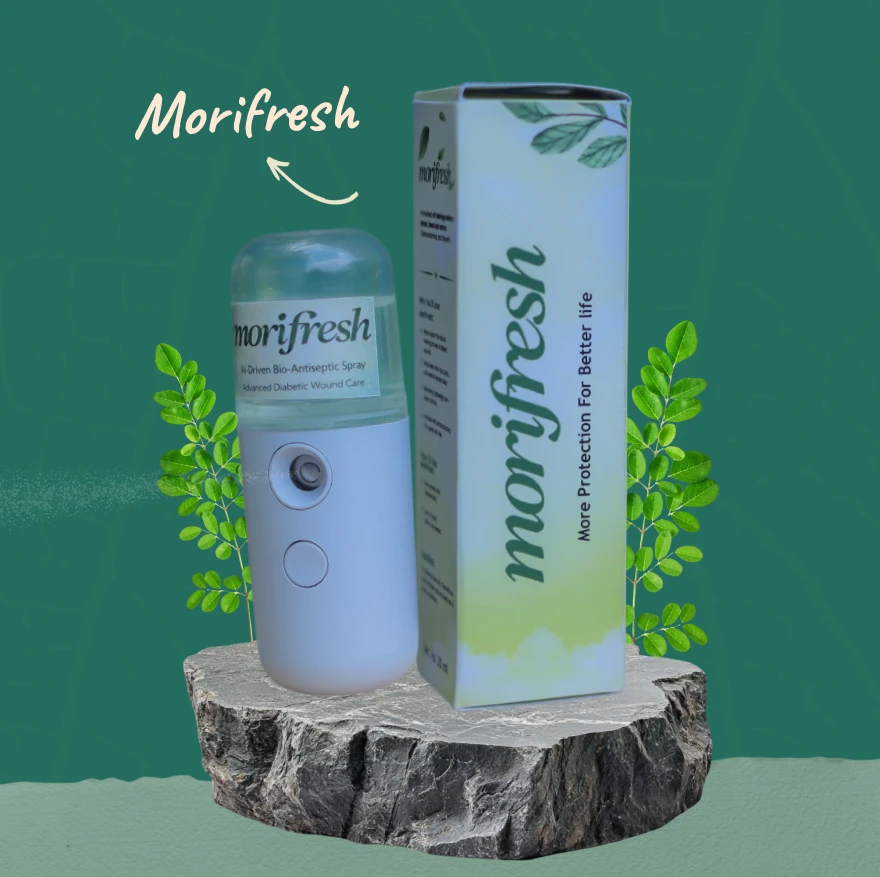
UMS students have formulated a treatment for diabetic wounds from moringa and neem leaves, and carried home gold at WYIE 2026 in Malaysia.



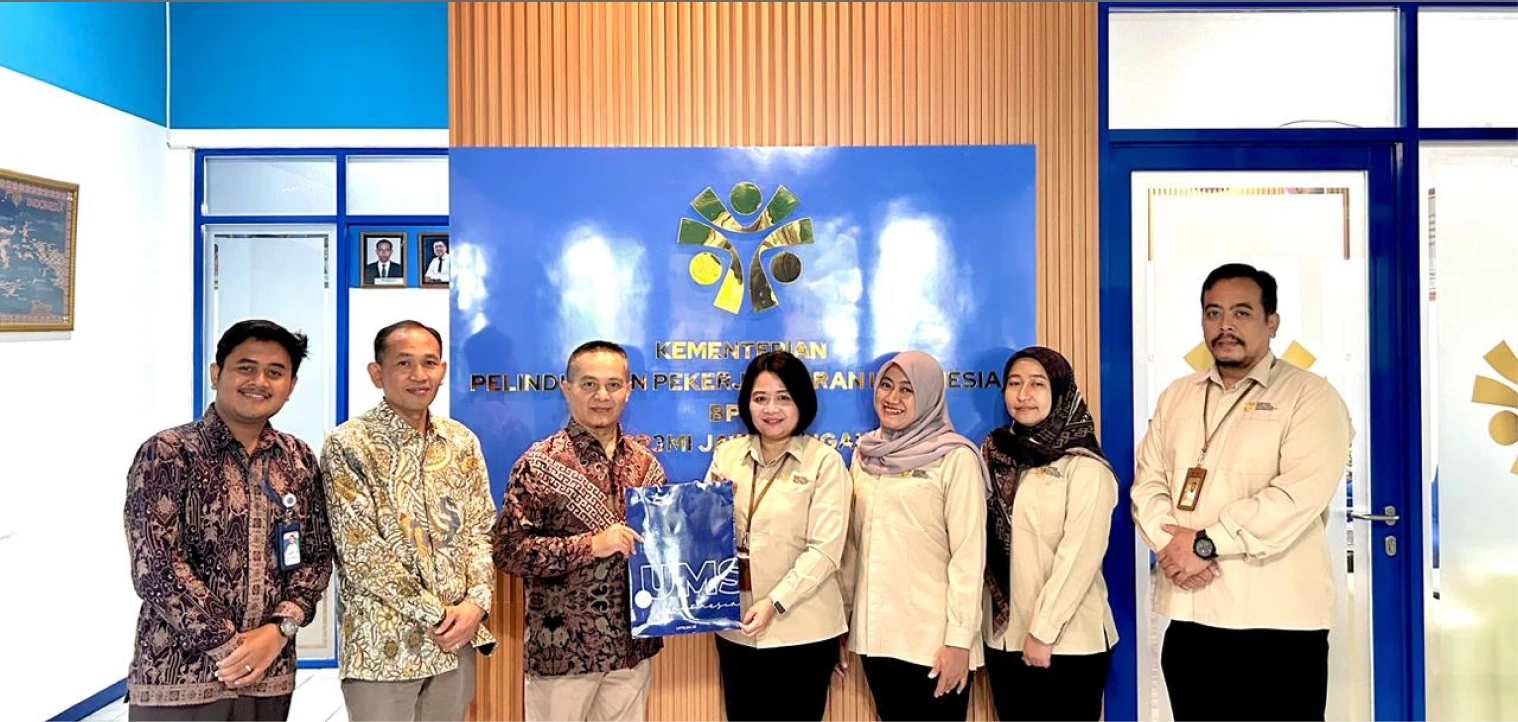
The Directorate of Reputation, Partnership, and International Affairs (DRKUI) of Universitas Muhammadiyah Surakarta (UMS) made an introductory cooperation visit to the Central Java Service Center for the Protection of Indonesian Migrant Workers (BP3MI) on Tuesday (2/6). The meeting discussed various collaboration opportunities that could benefit students, alumni, lecturers, and the wider community.
DRKUI UMS Director Nurgiyatna, S.T., M.Sc., Ph.D. said there are many potential areas of cooperation that can be developed between UMS and BP3MI, including providing information on overseas employment opportunities for UMS graduates, student internship programs at BP3MI, and opportunities for research and thesis work related to Indonesian migrant worker issues.
"We see very broad potential for cooperation, not only for students and alumni, but also in the development of research and community service that aligns with national needs," he said when contacted on Wednesday (3/6/2026).
A number of BP3MI programs considered relevant for collaboration with UMS include expanding access to official overseas employment information through government-to-government schemes, validating vocational training institutions that offer overseas employment opportunities, student internship programs at BP3MI, and a national vocational program targeting the placement of 500,000 Indonesian migrant workers abroad.
Nurgiyatna affirmed UMS's readiness to collaborate on various research programs, noting that UMS has substantial academic resources that can be optimized to support programs with direct impact on the community.
Head of the Industry and Government Partnership Sub-Directorate at UMS, Sidiq Permono Nugroho, S.E., M.M., explained that a number of UMS graduates are already building careers abroad through various pathways, including after completing double degree programs or through vocational training institutions.
According to Sidiq, these graduates generally depart through independent schemes. He hopes that future graduates can be guided to make use of other official placement schemes facilitated by the government.
Regarding the national vocational program, Sidiq noted that UMS has adequate capacity to support it, including through faculties whose competencies align with international labor market needs.
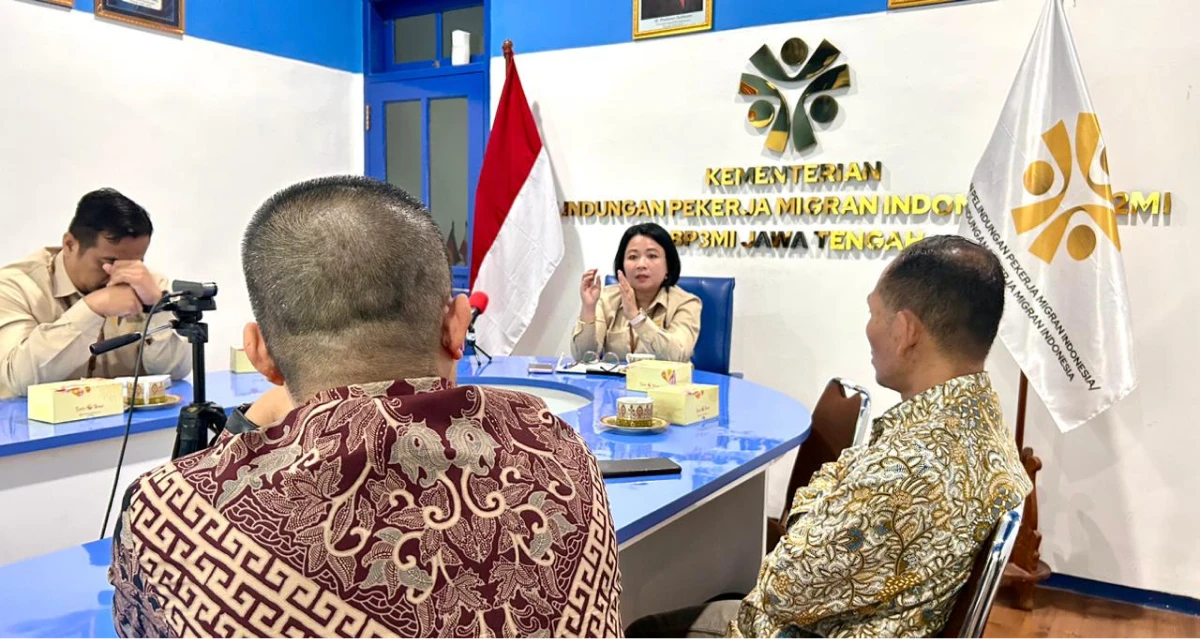
As one example, UMS has resources ready to support socialization of vocational programs in the health sector, particularly nursing, which is currently one of the sectors with high international labor demand. Through its experts and academics, UMS is prepared to contribute to public education on the opportunities and competencies needed in this field.
UMS has also developed various collaborative vocational programs that can be tailored to the needs of both industry and employers. This means that community members and alumni who need preparation and competency development before working abroad can access relevant and targeted training.
"If community members or alumni need preparation or training before working abroad, UMS's vocational programs can serve as a relevant and practical form of support," he said.
At the meeting, Head of BP3MI Central Java, Dewi Ariyani, S.H., explained that the government is working to ensure Indonesian migrant workers receive comprehensive protection, in line with the mandate of Law Number 18 of 2026 on the Protection of Indonesian Migrant Workers.
This protection covers social protection before departure, legal protection while working in the destination country, and economic protection after the migrant worker returns to Indonesia. To achieve this, BP3MI continues to build synergy with various educational institutions across Indonesia.
"BP3MI is very open to cooperating with universities, including UMS, in supporting the protection and quality improvement of Indonesian migrant workers," Dewi Ariyani said.
She further explained that BP3MI has three main service areas: institutional affairs and program outreach, migrant worker placement including preparation for prospective migrant workers, and migrant worker protection through various complaint services and case follow-up.
She also outlined the current Indonesian migrant worker placement schemes, which include private to private (P3MI with overseas agencies), government to private, government to government, UKPS (for the interests of one's own company), and an individual scheme through independent employment contracts.
Dewi said BP3MI Central Java will begin preparing a draft cooperation agreement with UMS as a follow-up to the meeting.
This meeting marks a strategic first step in strengthening synergy between higher education and government to improve the quality of Indonesian human resources, while opening broader access to international employment opportunities that are safe, legal, and protected.
Writer: Gede Arga Adrian
Editor: Maysali Sudarwati
Translator: Farizal Luqman Majid
UMS students have formulated a treatment for diabetic wounds from moringa and neem leaves, and carried home gold at WYIE 2026 in Malaysia.
Nothing’s more special than reading curated news just for you.
Subscribe to the UMS Newsletter for free today.