The global industrial sector's demand for fossil fuels like oil, natural gas, and coal for electricity generation is continuously rising despite their limited availability. The recent rapid increase in electricity usage has further driven up energy commodity prices.
The looming threat of global warming and sky-high fuel prices means a growing need for alternative solutions in the form of renewable energy sources, including water, sunlight, geothermal, and biomass.
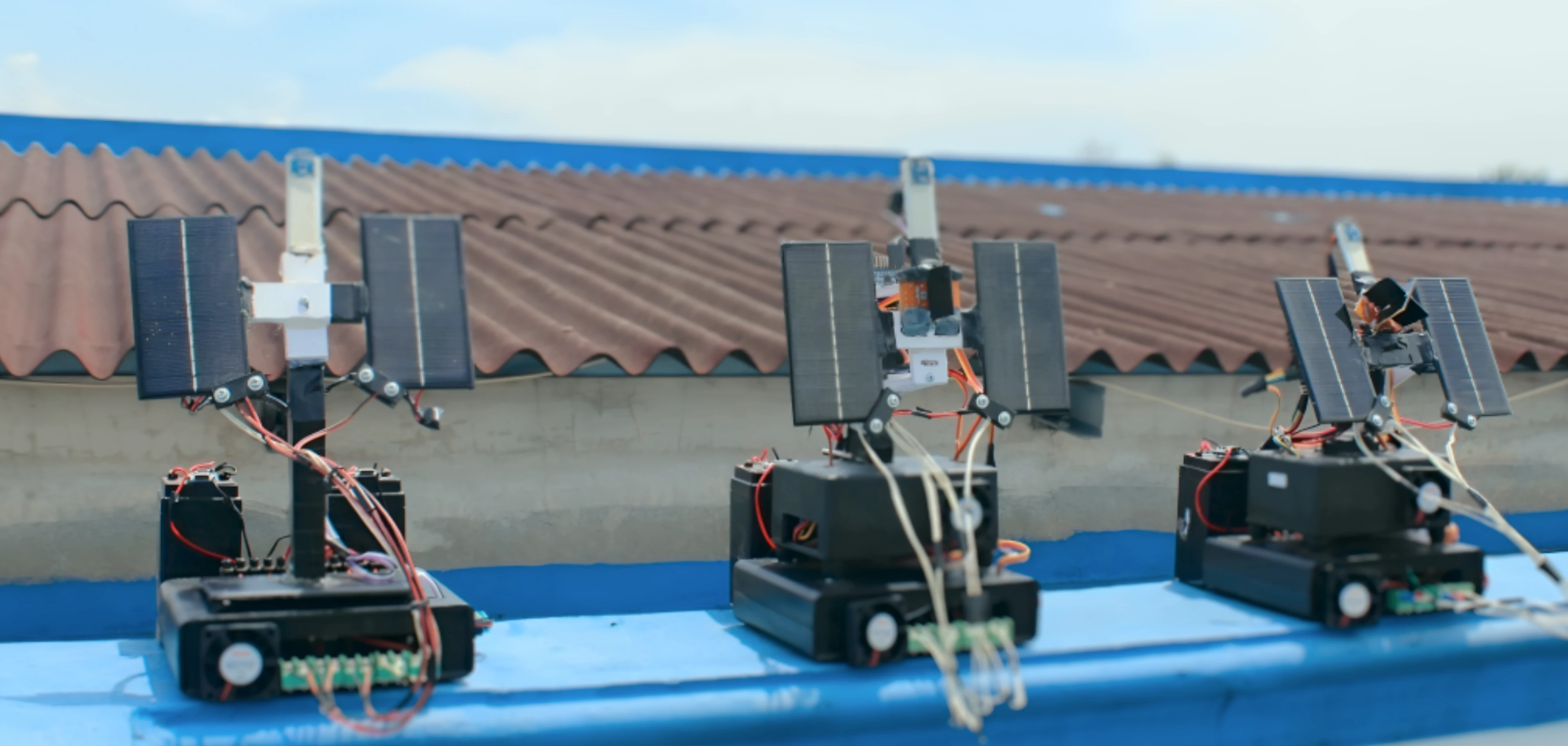
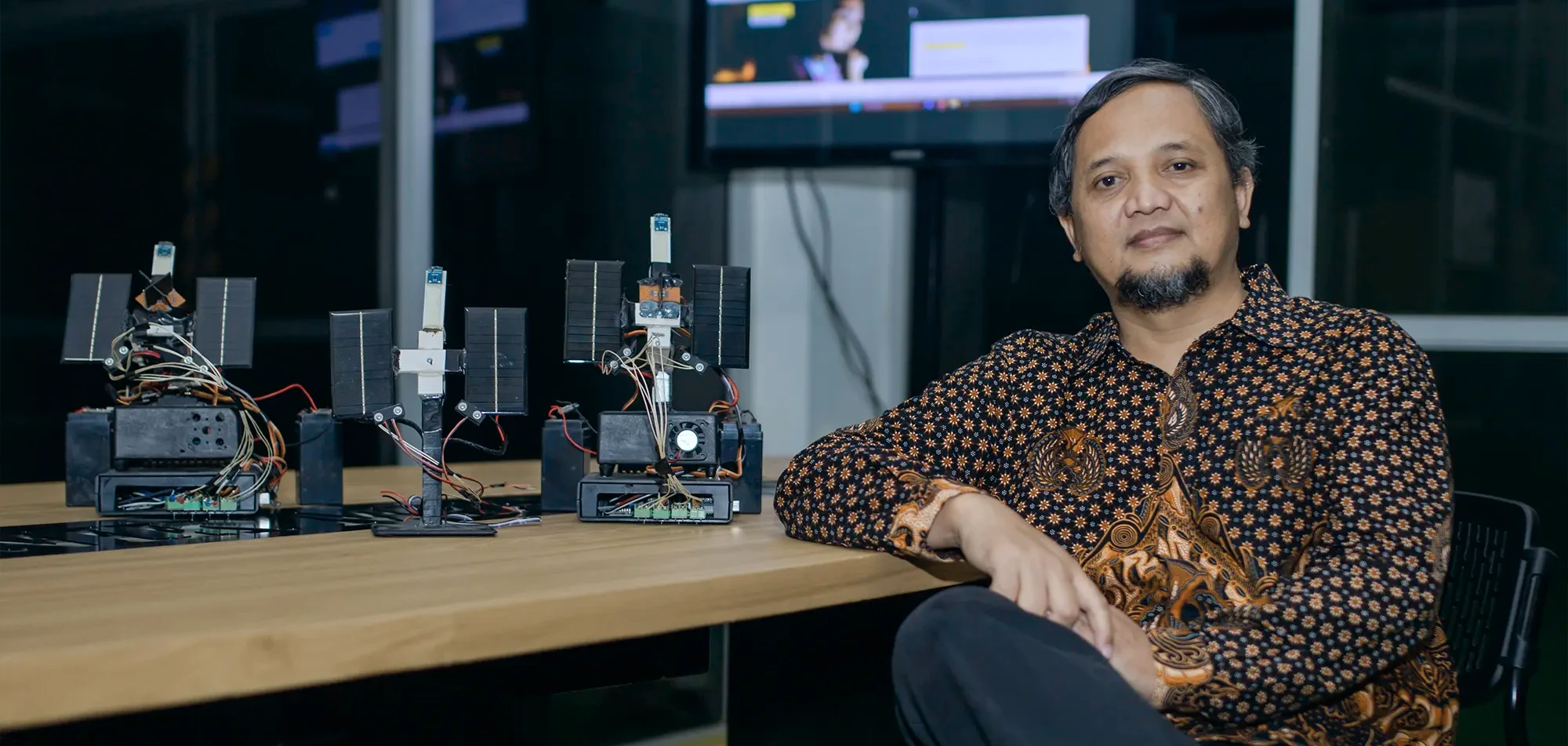
In response to this critical issue, Tri Widodo Besar Riyadi, S.T., M.Sc., Ph.D., a lecturer in Mechanical Engineering at the Faculty of Engineering, Universitas Muhammadiyah Surakarta (UMS), recently conducted a study titled "Performance of a photovoltaic-thermoelectric generator panel in combination with various solar tracking systems." This research, published in the Scopus Q1 indexed journal "Applied Thermal Engineering," explores the energy efficiency resulting from the synergy of three systems: solar panels, thermoelectric generators, and solar trackers.
Solar Panel as Alternative Energy
Speaking from the Faculty Room of the Mechanical Engineering Department at UMS, Tri Widodo emphasized the necessity of an industrial energy transformation to enhance the nation's energy resilience and mitigate carbon emissions from fossil fuel consumption. He advocated for the widespread adoption of renewable energy sources, focusing on solar energy.
"By embracing solar panels, we are transitioning towards cleaner energy sources. This avoids depleting our finite natural resources and significantly reduces pollution," he emphasized on Monday (11/9).
In pursuing environmentally friendly technology, solar panels are recognized as an energy source that generates no air pollution, thereby preserving air quality.
"Photovoltaic technology, which directly converts solar energy into electricity, is emerging as a compelling alternative for harnessing solar energy, especially among various solar energy technologies. This technology has witnessed notable advancements in recent years," the Mechanical Engineering lecturer elaborated.
Snapshot and Impact of the Research

Tri Widodo disclosed that he and his fellow students did not find any prior research that integrated solar panel technology, thermoelectric generators, and solar trackers.
"Although our research is straightforward, it introduces an innovative element, which is why it was accepted in a reputable international journal. The key advantage lies in our ability to quantify the impact of enhancing the efficiency of photovoltaics or solar cells by converting waste heat into energy. Nevertheless, it's important to note that the success rate is somewhat constrained, as the power generator is still in the pilot project phase," he elaborated.
He further emphasized that if this technology were scaled up for large-scale production, its impact would be even more substantial. Furthermore, this research could be a valuable reference for the renewable energy industry.
"Our research will undoubtedly serve as a highly valuable reference, particularly because we employ a solar tracker (a device that tracks the sun's movement), which has demonstrated efficiency improvements, albeit requiring a substantial investment," he continued.
Further Research
"We are already planning further research in the same field, focusing on photovoltaics, as it's an ongoing concern. Our goal is to enhance energy efficiency, which will, in turn, benefit humanity while simultaneously reducing air pollution levels," elucidated Tri Widodo, Ph.D.
This is because every UMS lecturer already has a roadmap. If one research is completed, there is already a plan for the next related research.
Up to Date Roadmap
The lecturer, affectionately known as Pak Besar, also expressed his hope that UMS lecturers will incorporate research that they have developed into their teaching material.
"We have numerous ways to express our gratitude, and one of them is by sharing our knowledge through contributions to the field of education. This is especially crucial in research, as lecturers should have an up-to-date roadmap to keep up with the technological advancements that can benefit society," he concluded.
Writer: Genis Dwi Gustati
Editor: Al Habiib Josy Asheva
Translator: Farizal Luqman Majid
Featured News
UMS Newsletter
Nothing’s more special than reading curated news just for you.
Subscribe to the UMS Newsletter for free today.