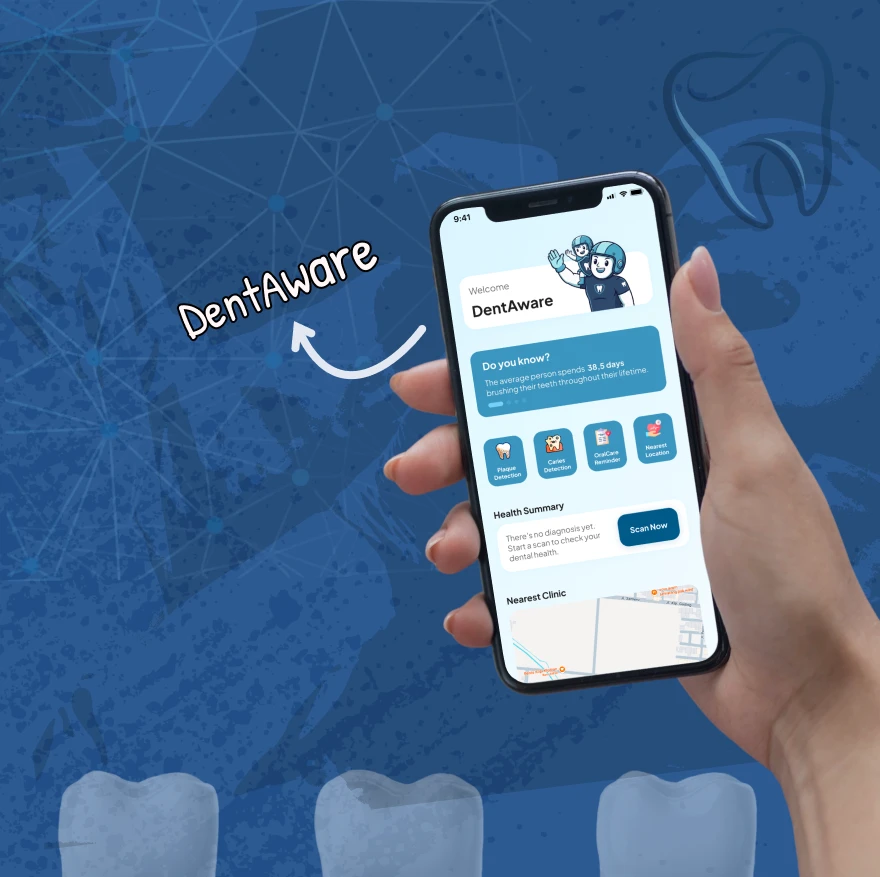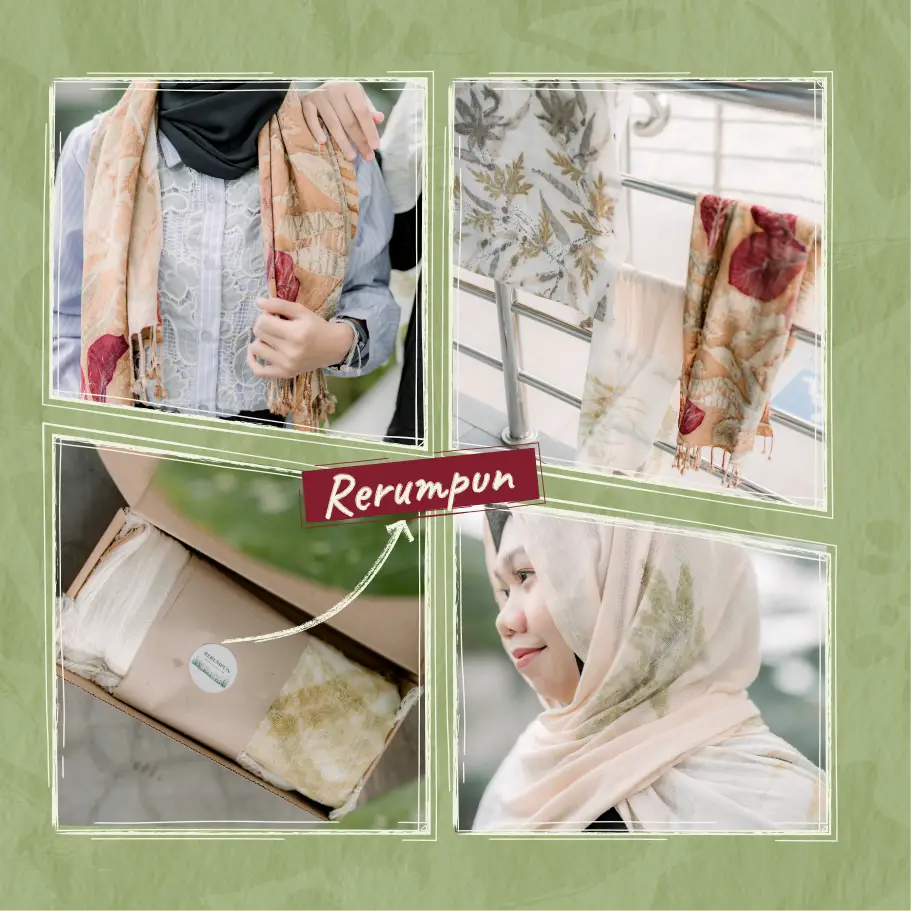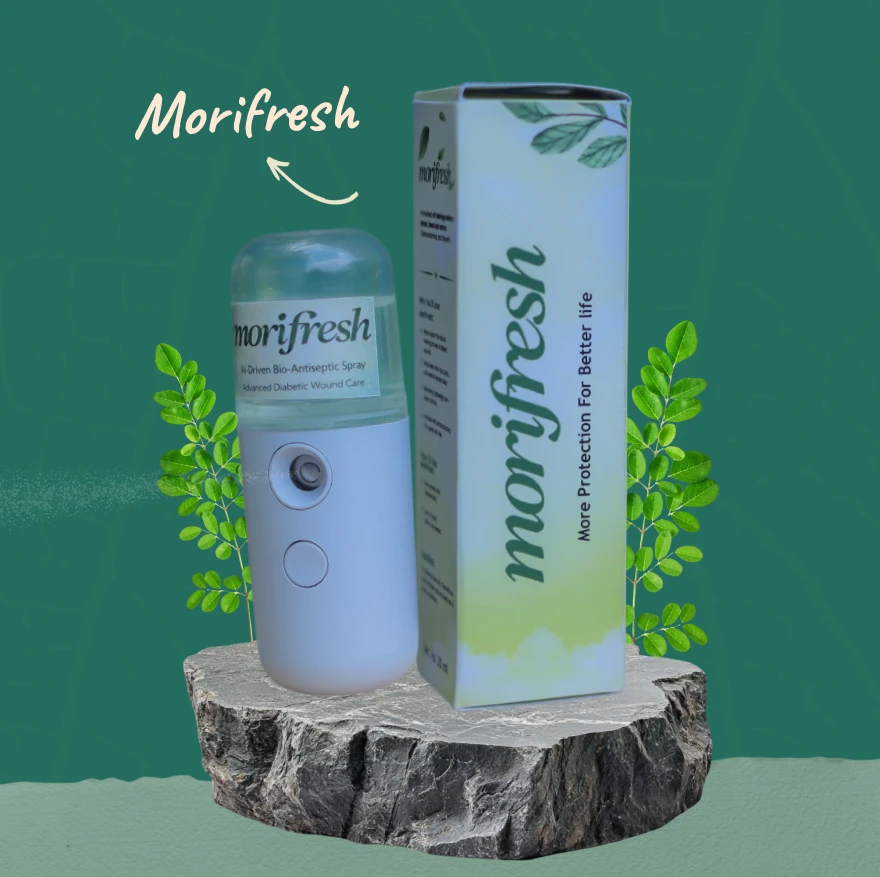
Nano Liquid for Healing Diabetic Ulcers
21 July 2026
UMS students have formulated a treatment for diabetic wounds from moringa and neem leaves, and carried home gold at WYIE 2026 in Malaysia.





Bayu’s entrepreneurial spirit was ignited during his fifth semester in the Pharmacy Program at Universitas Muhammadiyah Surakarta (UMS). Armed with the knowledge he gained from his studies, he took the bold step of producing various cleaning products, such as dish soap, motorcycle cleaner, and floor cleaner.
He transformed his small 3-by-3-meter dorm room into a production space. Bayu didn’t work alone; he was assisted by his girlfriend, who is now his life partner. They shared responsibilities, with Bayu handling production and marketing, while his girlfriend gathered data on the composition of ingredients for production.
As a senior student, Bayu Setiadi, born in Pekalongan on May 30, 1981, found himself with plenty of free time. After classes, he would load his products onto his motorcycle, equipped with a basket at the back, and distribute them to various bike shops. He sold his products for Rp10,000 per bottle.
“After class, if I had a lot of stock, I’d go around bike shops in Solo Raya, Jogja, Semarang, even Pekalongan,” Bayu shared on Wednesday (20/11/2024).
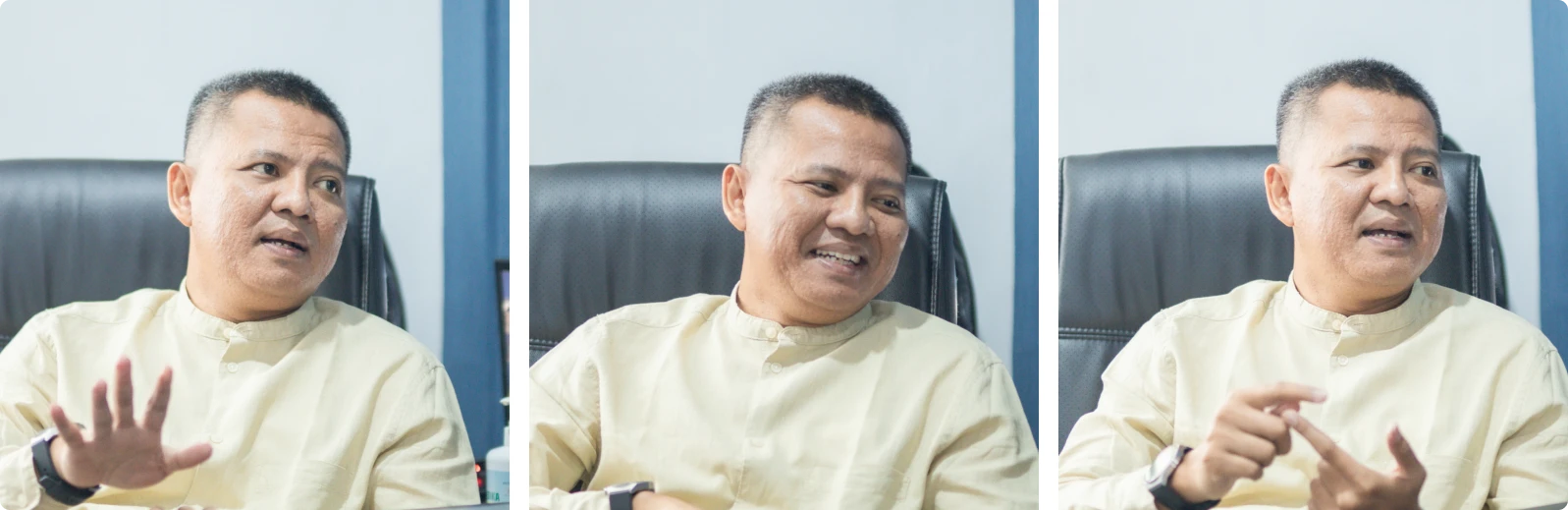
Bayu Setiadi. Imam Safii/UMS PR
His efforts caught the attention of some students from the Geography and Economics programs, who decided to become resellers of his products. According to Bayu, these resellers would ask for a commission of Rp1,000 to Rp1,500 per bottle.
He emphasized that confidence is essential in becoming an entrepreneur. Bayu admitted he felt embarrassed when he first started his business. However, over time, his classmates began to envy him for earning an income. At that time, his monthly revenue was impressive, ranging from Rp3 million to Rp4.5 million, relatively high in 2005. “Back then, my mom only sent me Rp500,000,” he recalled.
Becoming an entrepreneur required Bayu to be adept at identifying opportunities. One such instance was in 2006 when he promoted his products at a custom motorcycle competition held at Manahan Stadium, Surakarta, Central Java. Remarkably, his products sold out quickly, catching the attention of Otosport magazine, which featured his creations.
Thanks to Otosport magz, Bayu received partnership offers from several major companies in Bandung and Semarang. However, these collaborations never materialized as Bayu, at the time, lacked an understanding of business manufacturing concepts. “I only knew how to create and sell,” he joked.
Despite his early success, Bayu had to put his business on hold upon graduating from university. Before resuming his career, he pursued further studies in the Pharmacy Professional Program at UMS. He then embarked on a career in several prominent pharmaceutical companies.
Bayu started as an Executive Marketing at PT Ferron Par Pharmaceuticals in 2008, where he was responsible for managing marketing in the Solo Raya region.
His final career as a pharmaceutical employee was as a Sales Manager at PT Mega Medica Pharmaceuticals from 2012 to 2015, overseeing operations on a national scale. “I started gradually, from Solo Raya first, then expanded to the national level in Jakarta,” he explained.
After seven years of building his career in various leading pharmaceutical companies, Bayu’s entrepreneurial passion remained undiminished. In mid 2015, he founded PT Sarana Medika Langgeng, a company focused on distributing medical devices. Unfortunately, the business went bankrupt after Bayu was deceived by his business partner.
Undeterred, Bayu started over in 2018. This time, he established a medical device and antiseptic manufacturing company called PT Likuid Pharmalab Indonesia. He began his business in a rented house of 100 square meters with four employees. The first products manufactured were 70% alcohol and rivanol.
The initial capital for PT Likuid Pharmalab Indonesia came from selling Bayu’s house, unlike his previous business, which was financed through a bank loan. “I made a vow never to borrow from the bank again. If I have the money, I’ll buy it in cash,” Bayu stated.
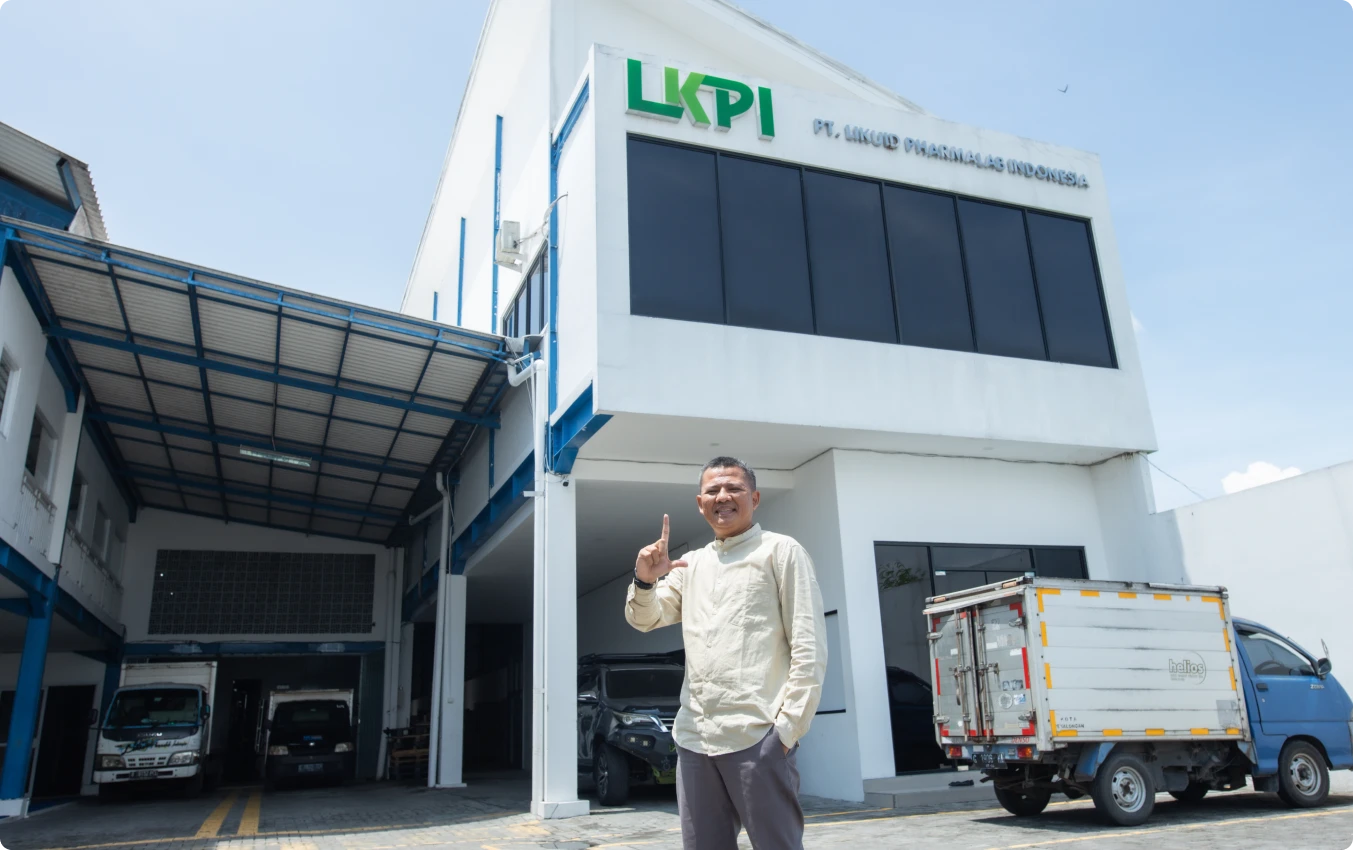
Bayu at the head office of Likuid Pharmalab Indonesia, Baki, Sukoharjo, Central Java, Wednesday (20/11/2024). Imam Safii/UMS PR
Entering 2020, the COVID-19 pandemic had a significant impact on Bayu and his business, The demand for medical equipment surged dramatically in the market. As a result, he ramped up production and hired around one hundred new employees to work at his factory.
Instead of maximizing profits by drastically raising prices, Bayu chose to sell his products at normal prices. “It’s unethical to profit excessively when people are fighting to curb the spread of COVID-19,” he remarked.
Over time, the range of products expanded. Likuid Pharmalab began producing various items, including diabetic wound cleansers, disinfectants, gauze, crutches, hand soap, men’s vitality supplements, and thermometers. Bayu’s company operates several well-known brands frequently seen in healthcare facilities across Indonesia, such as BayMedika, Medika, Fresmed, Sasklin, Medika Care, and BayMan. According to Bayu, the company now generates an annual revenue of IDR 200 billion.
Gradually, his hard work paid off. Likuid Pharmalab had successfully opened a large-scale factory in Baki, Sukoharjo, Central Java. The facility focused on producing medical supplies such as masks, hand sanitizers, alcohol, and rivanol. Bayu has also established two new factories: a plastics factory located approximately 100 meters from its main facility and an ironworks factory in Cuplik, Sukoharjo.
Most recently, Likuid Pharmalab opened a new office in Shah Alam, Selangor, Malaysia, as part of its efforts to target international markets. “We have already exported products to Singapore, Malaysia, Botswana, and Rwanda,” explained the CEO of Likuid Pharmalab.
The company’s commitment to enhancing product quality is evident through various certifications, including halal certification from the Indonesian Ulema Council (MU), ISO certification, and certification from the Ministry of Health.
This dedication to producing high-quality products earned Likuid Pharmalab recognition at the Indonesia Magazine Award Best Product Awards 2021 for two products: Medika Antiseptic Handrub and Baymed.
These achievements have not led Bayu to rest on his laurels. Several targets have been outlined, the most immediate being the development of latex production, planned to commence next year. Bayu sees potential in Indonesia’s abundant natural rubber resources, which last year positioned the country as the second-largest rubber producer globally, with a production of 2.65 million tons. “R&D has already started exploring. The market is ready,” he stated.
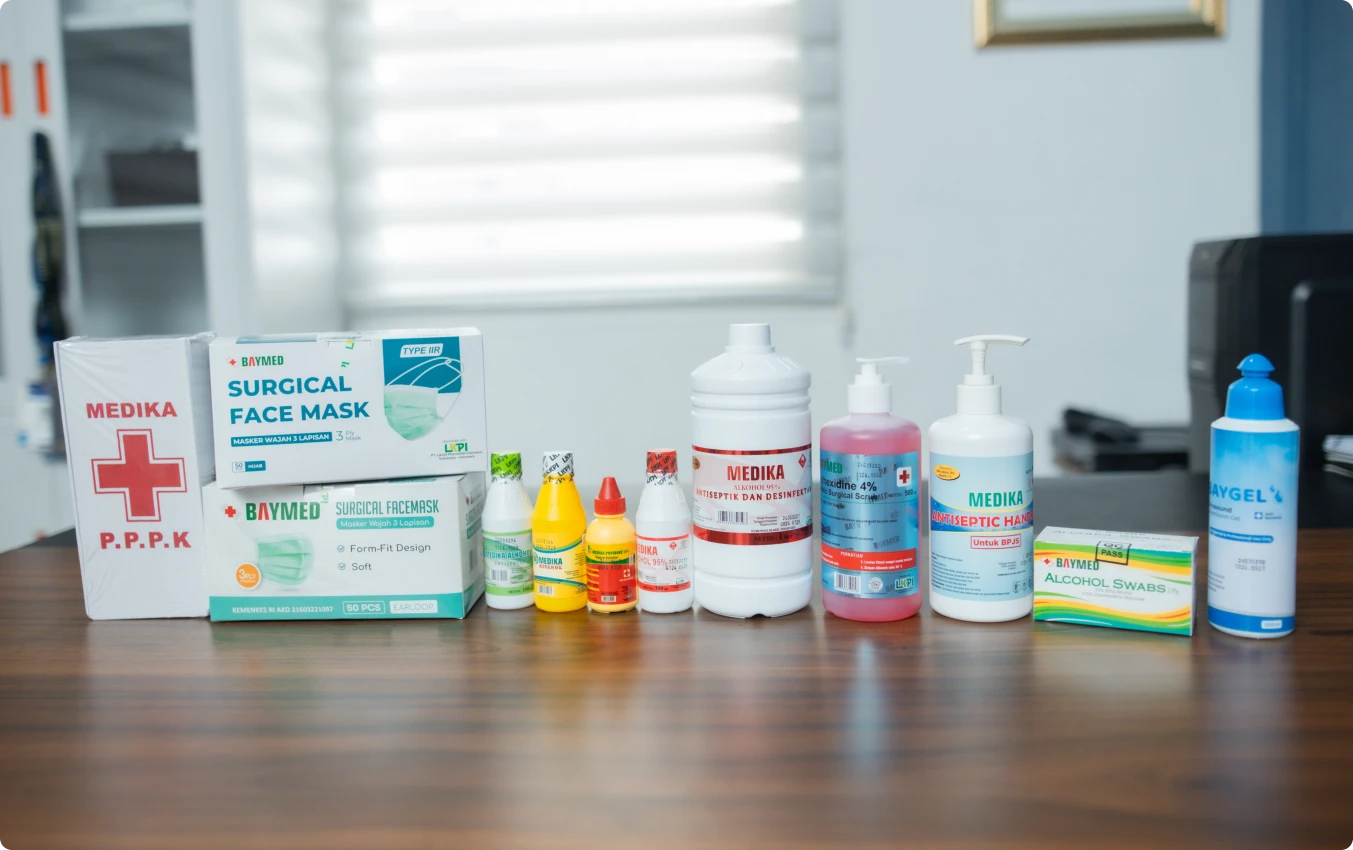
Various medical devices and antiseptic products produced by Likuid Pharmalab Indonesia. Imam Safii/UMS PR
Born in Pekalongan, Central Java, on May 30, 1981, Bayu Setiadi grew up in a modest family. His father worked as a car sales broker, while his mother was an elementary school teacher.
Few wouldn’t predicted that the founder of an antiseptic and medical equipment company came from a social sciences background, having graduated from SMA Negeri 1 Kedungwuni, Pekalongan. Initially, Bayu was deeply interested in sociology as a subject.
After high school, Bayu enrolled in the Sports Education Department at Universitas Negeri Semarang. However, he soon realized it wasn’t the right fit for him. Determined to pivot, he applied to the Pharmacy Department at Universitas Muhammadiyah Surakarta (UMS), motivated by the promising prospects of the pharmaceutical field.
This decision was both challenging and risky. Bayu had to familiarize himself with fundamental topics like biology and chemistry which are essential for grasping pharmacy concepts.
His perseverance paid off when he successfully enrolled as a pharmacy student at UMS in 2003. “Alhamdulillah, I got in, even though I was initially on the reserve list,” Bayu recalled.
Bayu realized that continuing his studies in Solo required substantial financial resources. As the eldest of three siblings, he sought ways to alleviate his family’s financial burden by running a side business selling various cleaning products. “When I was in college, my first sibling was also in college, and my youngest sibling was still in middle school,” he said.
Through his determination, Bayu graduated in 2007 with a Bachelor's Degree in Pharmacy, he achieved cum laude honors, with a GPA of 3.59. Following his undergraduate studies, Bayu pursued a Pharmacist Professional Program at UMS for an additional year. Upon completing his professional program, he embarked on a career with several leading pharmaceutical companies.
Since high school, Bayu recognized the enormous potential in the pharmaceutical business due to the perpetual demand for healthcare products. "People will always need health," said the 43-year-old entrepreneur.
This statement aligns with data from Indonesia's Ministry of Health, which highlights the country's vast healthcare market. Annual healthcare spending ranges between IDR 560 trillion and IDR 580 trillion. The pharmaceutical and medical device industries in Indonesia are among the fastest-growing in Asia. Notably, the pharmaceutical industry has achieved a significant milestone, fulfilling 90% of domestic medication needs.
The medical device industry in Indonesia has shown remarkable growth. In 2015, there were 193 companies producing medical devices domestically, a number that surged to 891 companies by 2021, an increase of 361.66%.
This growth aligns with the increased uptake of domestic medical devices (Alat Kesehatan Dalam Negeri, or AKD). In 2019, AKD utilization stood at 12%, which rose to 48% by 2024.
Minister of Health Budi Gunadi Sadikin, during the National Work Meeting of the Indonesian Health Producers Association (ASPAKI) in Jakarta on March 5, 2024, highlighted this progress. He emphasized that some medical devices are now not only produced domestically but are also exported.
“If domestic industries are strong and the quality is good, the government’s target of securing 50% of the supply for domestic needs can be achieved. Quality is the key,” explained the Minister, as reported by Sehat Negeriku.
Bayu acknowledges several challenges facing the pharmaceutical and medical device sectors. Among these is the presence of unscrupulous businesses producing substandard products to cut costs and attract buyers. “In the medical device industry, there’s no such thing as cheap products with great quality,” he explained.
Another major challenge is the increasing competition from foreign competitors entering Indonesia’s pharmaceutical and medical device markets. According to Bayu, the immense potential of Indonesia’s healthcare sector attracts global entrepreneurs seeking new customers. This intensifying competition demands that pharmacy graduates become more innovative in applying their knowledge in the workplace.
“Pharmacy is a comprehensive field of study. Pharmacy graduates can make anything, from soaps to medicines, it’s just a matter of their creativity,” Bayu remarked.
Writer: Gede Arga Adrian
Translator: Farizal Luqman Majid
Editor: Al Habiib Josy Asheva
Designer: Salsabila Kamila Wardah
UMS students have formulated a treatment for diabetic wounds from moringa and neem leaves, and carried home gold at WYIE 2026 in Malaysia.
Nothing’s more special than reading curated news just for you.
Subscribe to the UMS Newsletter for free today.