Over the past five years, global awareness of mental health issues has significantly increased. According to the latest survey by global market research firm Ipsos, released on September 17, 2024, 45% of people worldwide consider mental health one of the most pressing health concerns.
The survey, which involved 23,667 respondents under the age of 75 from 31 countries, reflects a growing trend. In 2018, when Ipsos first conducted the research, only 27% of respondents regarded mental health as a critical issue.
In line with this growing awareness, Universitas Muhammadiyah Surakarta (UMS) has introduced the Student Mental Health and Wellbeing Support (SMHWS) to assist its students.
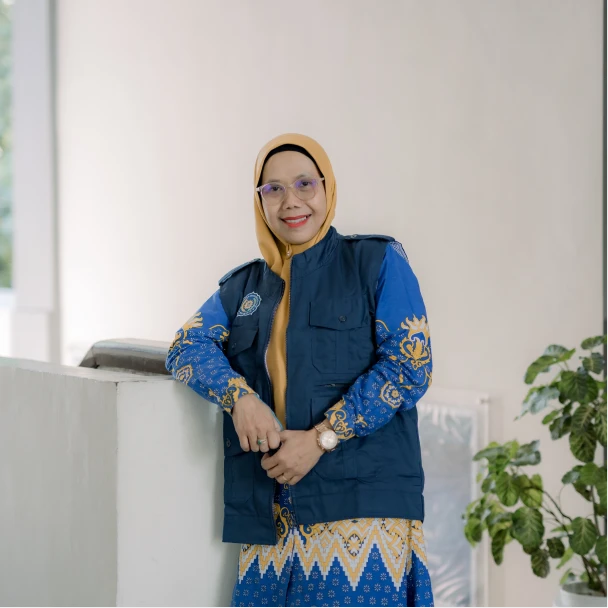
SMHWS counselor Dewi Setyaningrum, S.Psi., M.Psi., explains that this service is designed to assist students grappling with internal struggles and needing a space to share their thoughts. It is open to those dealing with significant challenges or simply seeking someone to talk to. “Visiting SMHWS to share your thoughts or vent is completely fine. You don’t need to have severe problems to seek help,” Dewi explained on Friday (15/11/2024).
Unlike the Office of Psychological Consultation and Testing (BKPP), which is open to the public and charges fees, SMHWS is specifically for UMS students and is entirely free of charge. The service operates Monday to Friday from 8:00 AM to 2:00 PM.
Students can book counseling sessions by filling out a Google Form available at here. Confirmation messages are sent via WhatsApp within two business days. Counseling sessions can be conducted either online or in person.
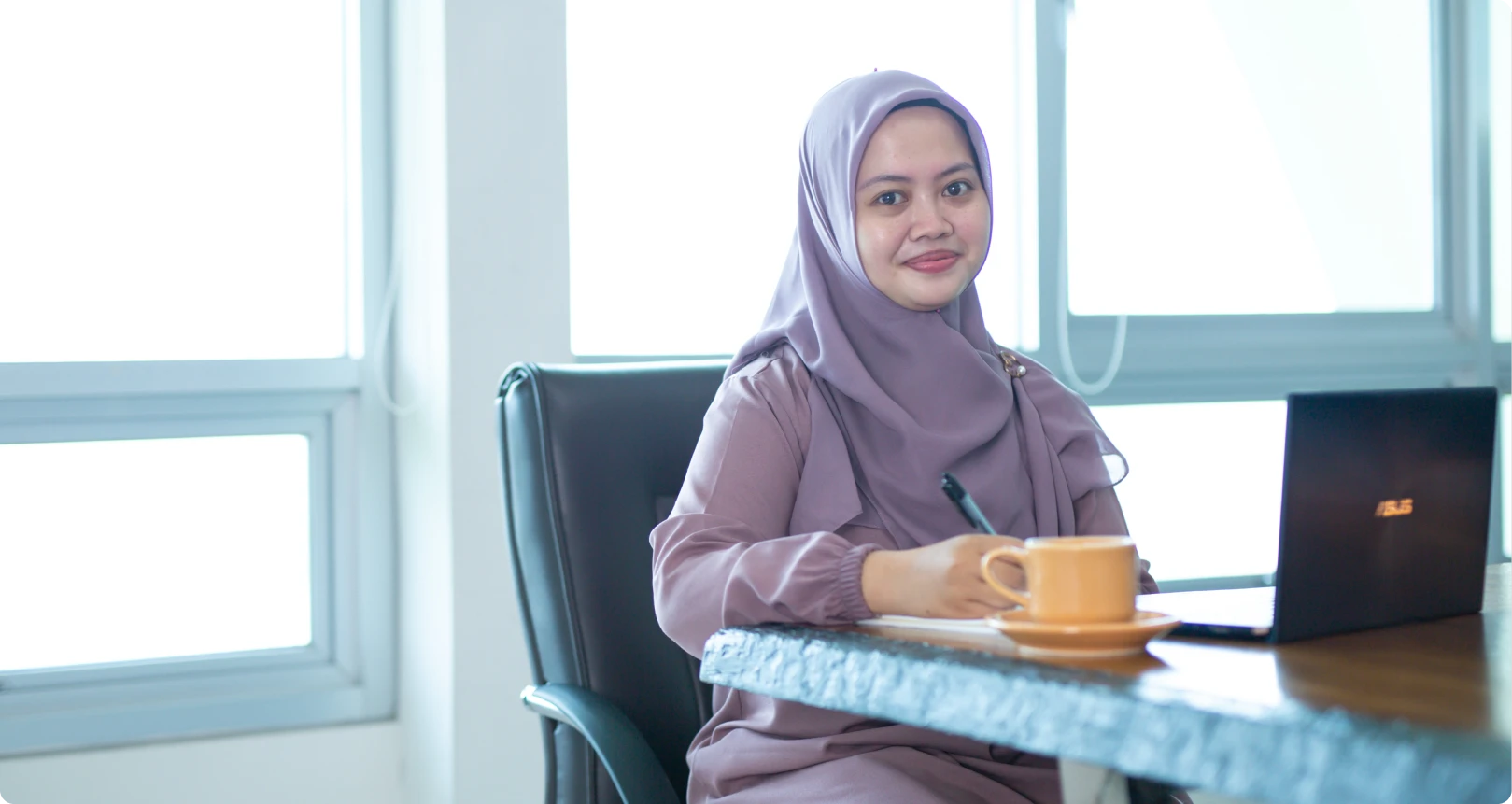
SMHWS Counselor, Dewi Setyaningrum, S.Psi., M.Psi. Imam Safii/UMS PR
Early Diagnosis
Since its establishment, SMHWS has served over 1,000 clients, many of whom present serious concerns. Counselor Dewi Setyaningrum, S.Psi., M.Psi., acknowledged that some of these issues escalate to depression and other mental health disorders.
To address such cases, Dewi and her team of counselors begin with an initial assessment to gauge the client’s mental condition. They determine if the individual can resolve their issues independently.
“If a client has visited SMHWS up to three times without resolving their concerns, we typically refer them to the BKPP UMS or other hospital-based psychologists who can provide further diagnosis,” Dewi explained.
This service, provided by the UMS Office of Student Affairs, has significantly supported students in managing their challenges. Consequently, demand for appointments is notably high.
Don’t Bottle It Up
Student anxieties often stem from non-academic issues, such as family problems, friendships, bullying, or romantic relationships. Dewi Setyaningrum explained that if these concerns are not addressed promptly, they risk escalating and disrupting students’ academic lives.
She acknowledged that many students hesitate to share their problems, often due to concerns about confidentiality and privacy. “Many students are still hesitant to seek professional help because they struggle with trust,” Dewi noted.
Sharing detailed and in-depth accounts of one's struggles is an essential first step toward alleviating the burden. This openness allows counselors to provide concrete and effective advice.
Dewi emphasized the importance of not suppressing emotions and frustrations. Prolonged emotional suppression can lead to an explosive reaction when faced with significant challenges in the future.
Some students adopt overly harsh ways of dealing with their problems, which can lead to self-blame, especially if they fail to achieve their goals. Besides seeking support, Dewi reminded students to practice self-appreciation.
“It’s important to recognize and appreciate your achievements so far,” she concluded.
Writer: Gede Arga Adrian
Translator: Farizal Luqman Majid
Editor: Al Habiib Josy Asheva
Academia Star
UMS Newsletter
Nothing’s more special than reading curated news just for you.
Subscribe to the UMS Newsletter for free today.