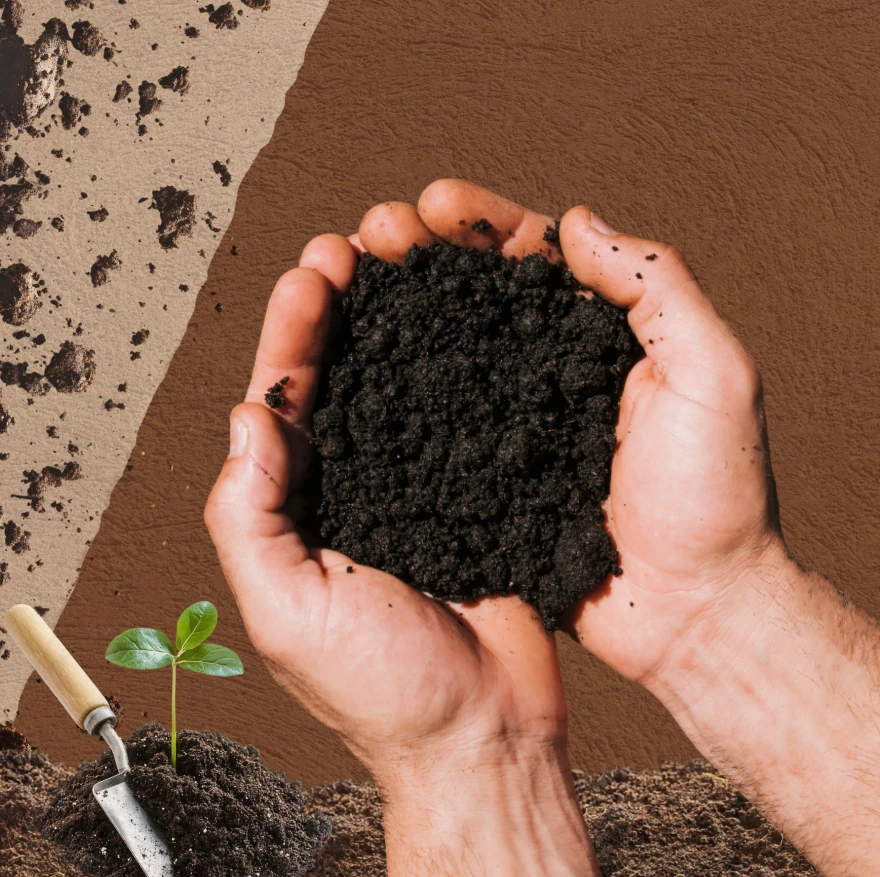
How Sheep Manure Turns into Nutrient Rich Fertilizer
16 July 2026
Sheep dunged nutrient-rich organic fertilizer for plants, made with the help of maggots. Built on community empowerment and a zero-waste principle.



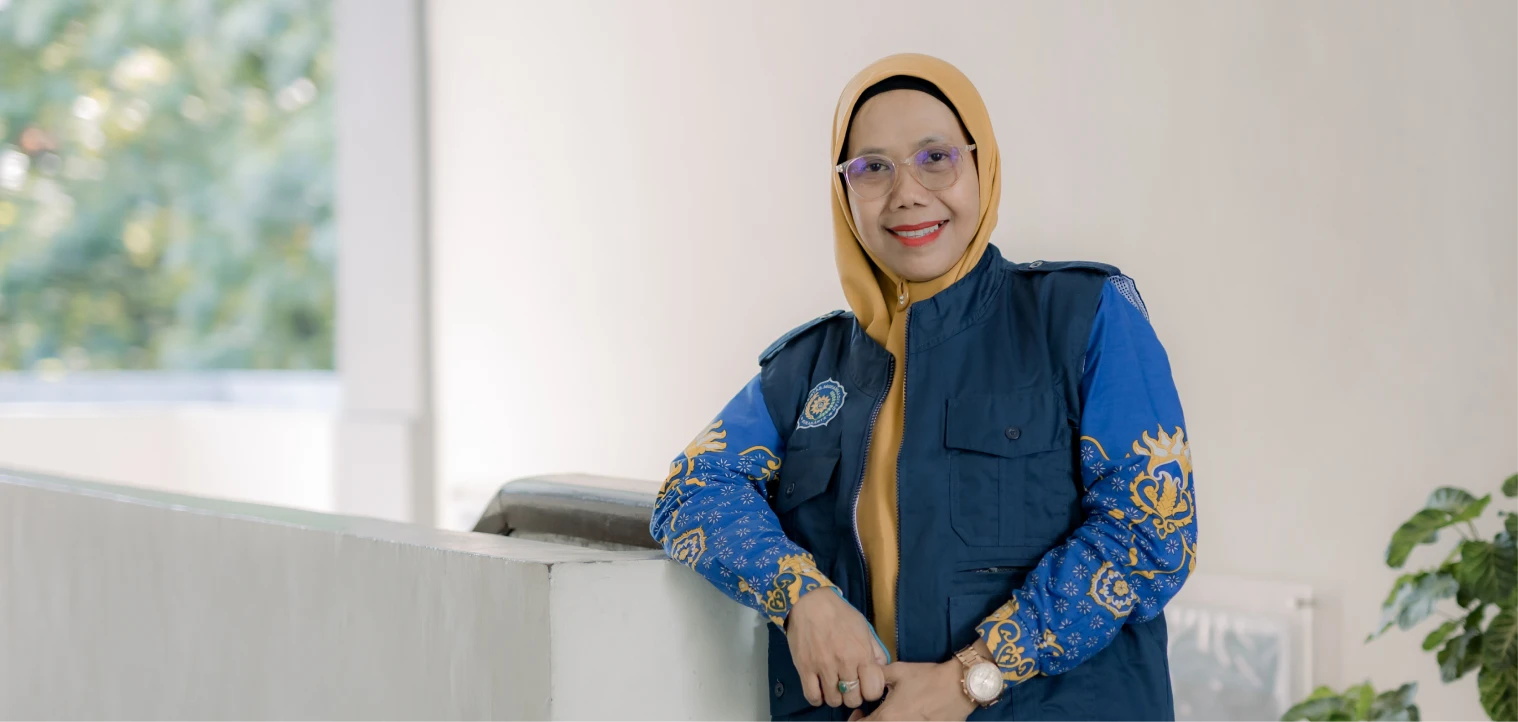
Umi Budi Rahayu's hands move with practiced care, working a massage into a patient's shoulder at her private practice in Mojolaban, Sukoharjo, Central Java. The massage is part of the physiotherapy method she applies to those who come to her.
Massage is only part of what Umi does. Umi guides her patients through movements designed to realign the body's structure. Patiently, she leads a patient through exercises for a shoulder burdened by pain and restricted motion. "Okay, yes, straighten it, good," she said softly.
Umi handled patients having a range of health problems: muscle, joint, and bone disorders, injuries, post-surgical recovery, and stroke. The majority, she notes, come complaining of pain and limited joint mobility, lower back pain, pinched nerves, and the aftermath of stroke, all needing physiotherapy to recover and return to ordinary life.
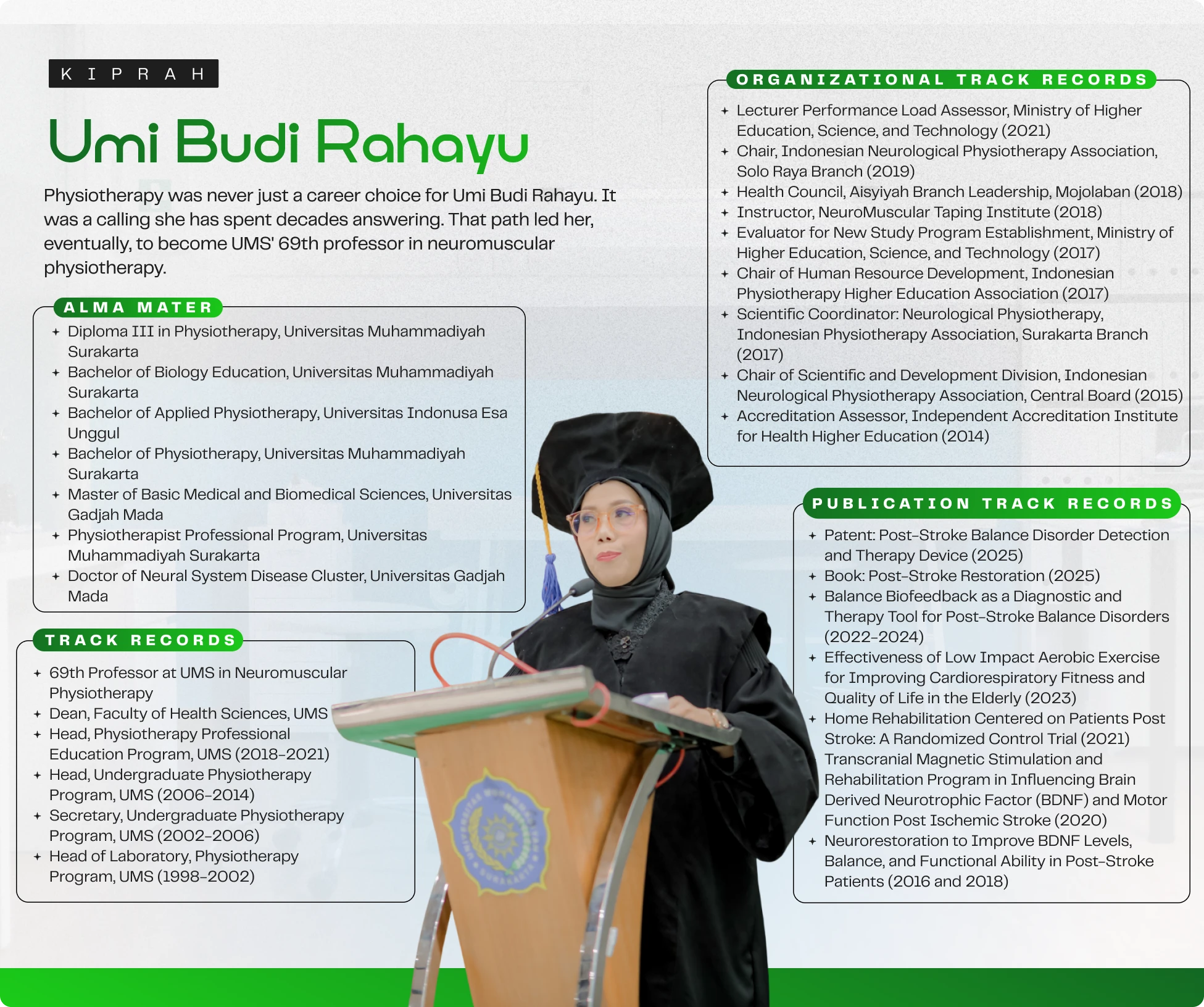
It has been two decades that Umi Budi Rahayu worked as both an academic and practitioner in neuromuscular physiotherapy. This Professor of Neuromuscular Physiotherapy at Universitas Muhammadiyah Surakarta (UMS) fell in love with neurological physiotherapy during her university years. The nervous system, she said, is endlessly fascinating because of the central role it plays in controlling the human body.
"The nervous system is central. Everything that controls movement, all bodily systems, none of it is ever separate from the center, which originates from the brain," Umi said when met at her office in mid-June.
That interest attached herself along the way until she became a physiotherapy lecturer. Her research has largely focused on post-stroke patient recovery.
For example, brain harmonization exercises to improve memory in post-stroke patients, a study on brain plasticity involving the Brain-Derived Neurotrophic Factor (BDNF) protein in stroke patients, nerve recovery, and the development of balance and motor function in stroke rehabilitation.
Umi was unwilling to let her research end as a manuscript and nothing more. Over the past three years, she has been developing a recovery aid for post-stroke patients, called the Personal Balance Feedback.
The device is called Personal Balance Feedback, an electronics and sensor-based assistive tool specifically created to support the balance recovery process in stroke patients from the earliest stage of recovery, known as early mobilization. It is equipped with sensors that detect the patient's physical condition in real time.
Once a stroke patient's condition has stabilized, they must get out of bed quickly to begin practicing functional movements. Balance, after all, is the foundational ability one must master before the body's functional movement can return.
To that end, the device can detect with precision the degree to which a post-stroke patient's footing falters or their body sways, given that stroke sufferers commonly experience weakness across one half of the body.
Umi underlined the importance of maintaining balance in post-stroke patients. This ability is an absolute prerequisite that stroke patients must achieve before returning to daily activities. She further explained that early balance training using Personal Balance Feedback can prevent more severe residual disability such as paralysis or a limping gait.
Personal Balance Feedback has now been successfully patented in collaboration with the experts from UMS' Informatics Engineering and Electrical Engineering Programs. Umi said the device is currently at technology readiness level 7 moving toward 9, with work ongoing to finalize the design, complete licensing, and carry out validity testing.
"Over these three years of research, we have been refining this prototype into a device that is truly ready, ready for the market," she explained.
What comes next after Umi's device innovation is the concept of neurorestoration. an approach to nerve recovery through regeneration mechanisms that provides motor training for post-stroke patients.
Motor training, according to Umi, triggers neuroplasticity, the ability of nerves to adapt and form new connections. This concept is ideally applied within one to two days of a stroke.
"Early intervention will reinforce the cellular and molecular changes that support nerve function recovery," she said.
In recognition of her contributions to the development of post-stroke patient therapy, UMS conferred on Umi the title of 69th Professor in Neuromuscular Physiotherapy. She was inaugurated on January 20, 2026 at an open senate session at the K.H. Ahmad Dahlan Edutorium, UMS.
Born in Sukoharjo, Central Java, on November 20, 1973, she never initially intended to study physiotherapy. The youngest of four siblings, she was encouraged by her eldest sibling to take up physiotherapy. "The prospects will be good," Umi recalled her sibling saying.
Her career at UMS began in 1998 as head of the UMS Physiotherapy Laboratory. Umi was appointed a lecturer in 2001, and a year later was entrusted with the role of Secretary of the UMS Physiotherapy Study Program.
Umi also served as Head of the UMS Bachelor Physiotherapy Program (2006-2014) and Head of the UMS Physiotherapy Professional Program (2018-2021), before becoming Dean of the UMS Faculty of Health Sciences (FIK) in 2021.
Outside the campus, Umi has been active in organizational activities since 2017, including the Indonesian Physiotherapy Association Surakarta Branch, the Indonesian Physiotherapy Higher Education Association, the Indonesian Neurological Physiotherapy Association Solo Raya, the Indonesian Neurological Physiotherapy Association Central Board, and the NeuroMuscular Taping Institute.
Perhaps, becoming the dean of her own faculty was never something Umi dared to dream of. Heading a faculty with multiple distinct study programs was a challenge of its own.
When she took on the role in 2021, there was no shortage of work to be done: building effective and efficient organizational governance was the immediate priority. Aligning the thinking across four departments at FIK UMS, namely Nursing, Nutrition Science, Public Health, and Physiotherapy, required considerable effort.
She started with a simple approach: understanding how each department operated in order to find common ground. From there, she began developing strategies to raise the quality of study programs at FIK UMS.
Three years after getting the foundation right, Umi then pushed to elevate educational quality at FIK UMS. She began by opening advanced programs for each department, including the Master of Physiotherapy and the Dietitian Professional Program, both of which have been running for the past two years.
Accreditation became the next frontier, a way to push the faculty's standards somewhere they hadn't been before. The result was that all program levels at FIK UMS achieved the highest accreditation grade. This included two new programs, the Master of Physiotherapy and the Dietitian Professional Program, both of which also received the top accreditation grade.
National accreditation was not enough. Umi also set her sights on international accreditation. Last May, seven programs at FIK UMS were accredited by the Accreditation Agency in Health and Social Sciences (AHPGS), a German accreditation body. These were the Bachelor of Nursing, Nurse Professional, Bachelor of Physiotherapy, Physiotherapist Professional, Bachelor of Nutrition Science, Dietitian Professional, and Bachelor of Public Health programs.
The global recognition was validating, but for someone who moves the way Umi does, it was never going to be the end of it. "We cannot afford to be ordinary. That means collaboration with partners abroad, including eventually pioneering an international class program," she said firmly.
She also turned her attention inward, investing in the people already in the room. Her plans are to, with plans to push lecturers to pursue further studies and advance their functional academic ranks. Lecturers, in her view, must not stagnate and are obligated to continue their education to higher levels.
Today, FIK UMS has three professors. A small number, perhaps, but one that didn't exist before her. This brings the total number of professors at UMS to 96. "Previously there were none at all in FIK. There were many associate professors, but the first professor only just broke through recently," she said.
Writer: Gede Arga Adrian
Translator: Farizal Luqman Majid
Editor: Al Habiib Josy Asheva
Sheep dunged nutrient-rich organic fertilizer for plants, made with the help of maggots. Built on community empowerment and a zero-waste principle.
Nothing’s more special than reading curated news just for you.
Subscribe to the UMS Newsletter for free today.