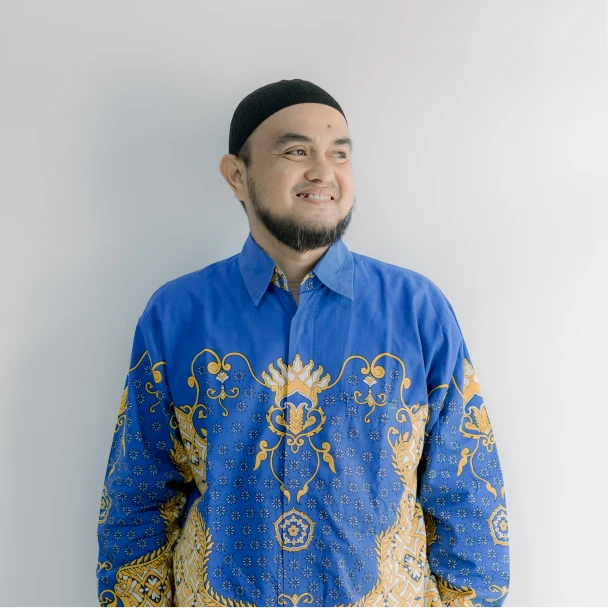
The Scholar Behind UMS's Master's Program in IQT
27 July 2026
Prof. Andri Nirwana, S.TH., M.Ag., Ph.D., pioneered the Master of Al-Quran and Tafsir Studies as a first step in strengthening Quranic studies within Muhammadiyah.



Students of the Faculty of Economics and Business (FEB) at Universitas Muhammadiyah Surakarta (UMS) won a bronze medal in the LETIN 7 competition. LETIN 7 is a national-level essay competition organized by Setara Prisma Nusantara (Nusantara Muda).
The essay written by Dea Pramudita and Heilin Alber Siva Haryoko discusses the SHAFT (Sharia Agro-Fintech Transformation) innovation. SHAFT is a blockchain-based digital sharia cooperative innovation aimed at supporting the SDGs within Indonesia’s rice agriculture ecosystem.
“This innovation is integrated with a blockchain system to create a secure and transparent digital sharia cooperative system,” said Dea, the team leader, on Tuesday (24/2/2026).
The SHAFT innovation emerged from concerns regarding access to financing for rice farmers in Indonesia. Although Indonesia contributes around 13 percent to the gross domestic product in the agricultural sector, it still faces issues of fair and sustainable financing access. The conventional financial system is considered less adaptive to the seasonal nature of farming businesses and tends to impose high fixed interest rates, thereby making conditions more difficult for farmers.
“The use of sharia cooperatives as a financing access point has declined due to low technology adoption and limited financial transparency. As a result, cooperatives are unable to issue digital credit scoring, and farmers end up trapped again in high-risk financing when they experience crop failure,” Dea explained.
SHAFT offers several advantages, including the use of a sharia system integrated with blockchain for real-time transparency. Through smart contracts, capital financing transactions and profit-sharing mechanisms can be executed automatically according to the sharia contract agreed upon at the beginning, without the need for intermediaries that could generate additional costs.
“SHAFT, as a digital product innovation, involves a mechanism flow that includes stakeholders such as farmers, sharia cooperatives, the government, Islamic banks, investors, and application developers,” added Heilin.
The SHAFT process begins with farmers applying for financing through the SHAFT platform. The sharia cooperative then verifies the application based on established sharia principles. The government and Islamic banks provide procedures and funding support, investors contribute capital, and application developers ensure that the blockchain system operates smoothly.
Following this achievement, the team plans to develop the prototype into a tangible innovation so that it can be implemented in the community.
Writer: Maysali Sudarwati
Editor: Fika Annisa Sholihah
Translator: Farizal Luqman Majid
Prof. Andri Nirwana, S.TH., M.Ag., Ph.D., pioneered the Master of Al-Quran and Tafsir Studies as a first step in strengthening Quranic studies within Muhammadiyah.
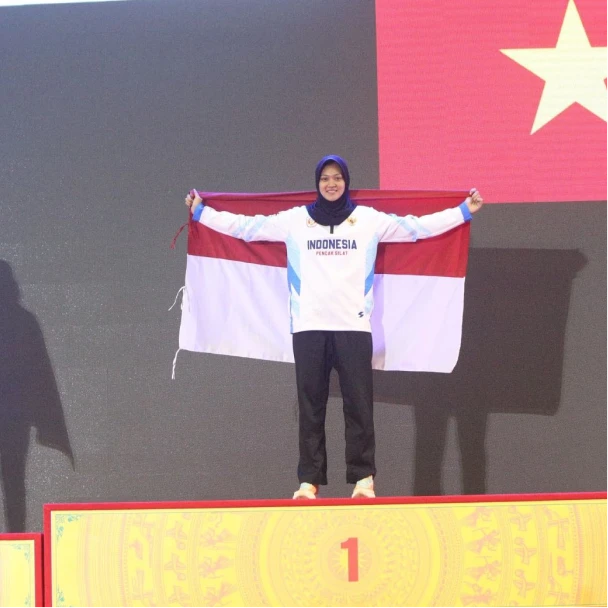
A UMS pencak silat athlete successfully claimed gold at the 10th Asian Pencak Silat Championship 2026.
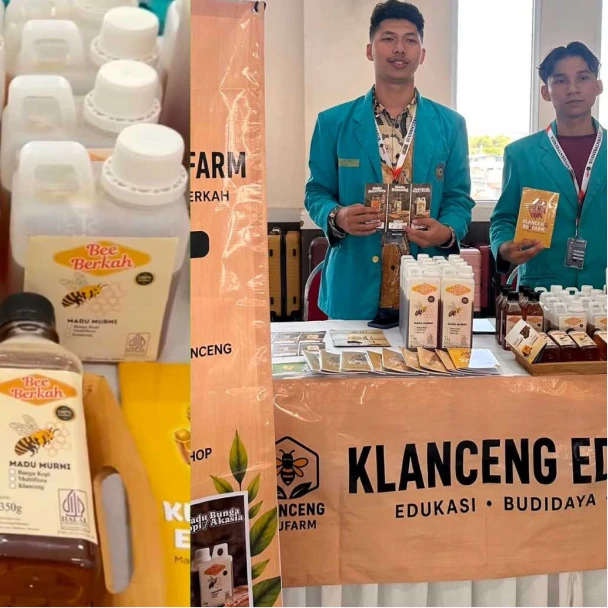
The Klanceng Edufarm startup is planning international expansion after being named national champion at the 2026 Studentpreneur Bootcamp organized by the Muhammadiyah Center for Entrepreneurship and Business Incubator.

Nothing’s more special than reading curated news just for you.
Subscribe to the UMS Newsletter for free today.