The Coffee Shop Boom
1 August 2026
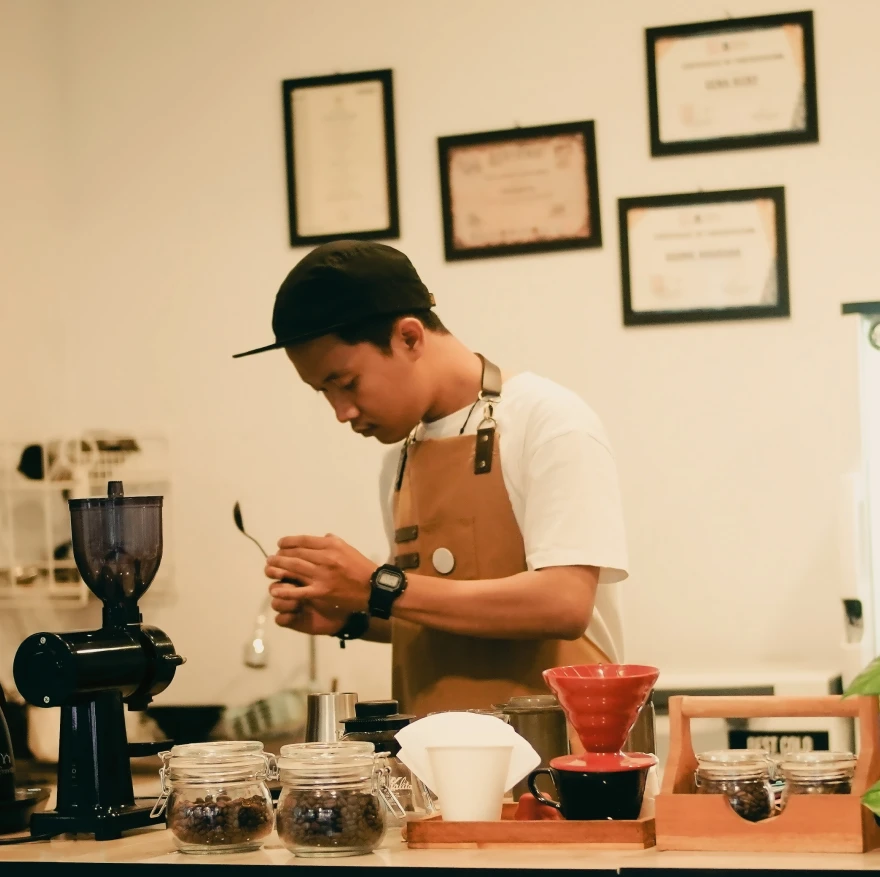
Indonesia is one of the world's largest coffee-consuming nations, a thirst that keeps spawning new coffee shops. Sharpening the competition among them.



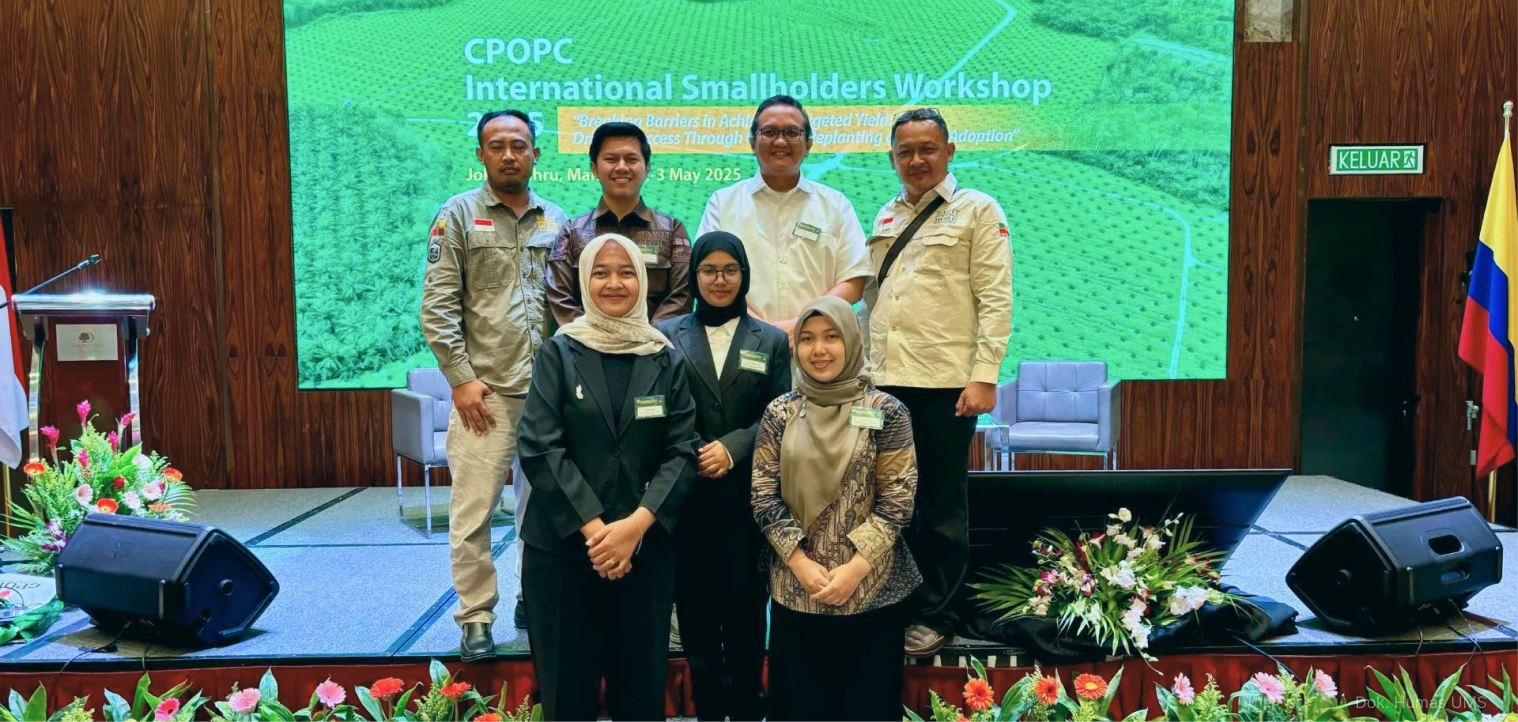
A student from Universitas Muhammadiyah Surakarta (UMS) recently had the opportunity to join an international forum, where she absorbed valuable knowledge to later share with her campus community and society. The forum, titled the International Smallholders Workshop (ISW) 2025, was hosted by the Council of Palm Oil Producing Countries (CPOPC) in Johor Bahru, Malaysia, from May 2–3, 2025.
The student, Ema Lisa Febri Yani, is currently studying chemical engineering at UMS. During the forum, she gained insightful knowledge on best practices in palm oil replanting.
Ema, who is also the member of the Indonesian Palm Oil Farmers Association (APKASINDO), expressed her enthusiasm about being part of the international gathering. She shared that her family has long relied on palm oil farming for their livelihood. From birth through her university years, she has been supported by income from her parents’ oil palm plantations. Her mother, a former APKASINDO member, inspired her to become actively involved in the association herself.
“That’s why I was really eager to get involved in this activity, especially now, when many young people are reluctant to work in plantations or become farmers. There's this stigma that farming is outdated, and they feel it’s beneath them.” Ema said on Wednesday (14/5/2025).
On the first day, Ema attended a workshop featuring keynote speakers from Indonesia and Malaysia, two of the world’s largest palm oil producers. The Indonesian speaker, representing the Palm Oil Plantation Fund Management Agency (BPDP), discussed the challenges of implementing palm oil replanting initiatives in Indonesia. Meanwhile, the Malaysia Palm Oil Board (MPOB) also showed a strong interest in applying similar practices in Malaysia.
The second day focused on field demonstrations, where participants observed real-life applications of Good Agricultural Practices (GAP) in oil palm plantations.
As a scholarship recipient from BPDP and the daughter of palm oil farmers, Ema joined other delegates in visiting the Johor Plantation Group. There, she witnessed firsthand how technology is being used to simplify tasks such as harvesting, fertilizing, and improving overall productivity.
She also observed how drones are now used for mapping plantation areas, and how seed spraying is already being done through integrated sprayer systems.
“They’re already using advanced technology,” said Ema.
The student from Riau acknowledged that Indonesia’s palm oil management has also progressed significantly. However, smallholder farmers still face challenges in adopting such technologies due to financial constraints, such as the high cost of acquiring tractors.
“That’s why, as young people, especially after learning all this, I want to encourage my peers to think about how we can create environmentally friendly technologies that are also accessible to small-scale farmers,” she said.
She also reflected on one of the persistent issues in Indonesia, land clearing for palm plantations, which has drawn public criticism. During the workshop, she had a conversation with a delegate from Papua New Guinea, who shared that their country faces legal challenges rooted in traditional customs, which complicate land-use approval for plantations.
The delegate also mentioned how the ongoing trade war between the United States and China has affected their palm oil industry, as most of their produce is exported. They expressed eagerness to learn from Indonesia and Malaysia in hopes of advancing their own country’s palm oil practices.
After taking part in the forum, Ema voiced a strong hope that younger generations will continue to develop innovations that support smallholder farmers and share them with the wider community.
“My hope for young people is that they won’t feel ashamed to get involved in agriculture. The knowledge we gain in university should be shared and practiced back in our communities,” she said.
He also encouraged the younger generation to keep spreading their knowledge even though there is a possibility that people may not apply it immediately. But perhaps, the knowledge can change people's mindset soon.
Writer: Maysali Sudarwati
Editor: Fika Annisa Sholihah
Translator: Farizal Luqman Majid
Indonesia is one of the world's largest coffee-consuming nations, a thirst that keeps spawning new coffee shops. Sharpening the competition among them.
Nothing’s more special than reading curated news just for you.
Subscribe to the UMS Newsletter for free today.