Keeping the Lights On in Qatar's Milaha Vessel
30 July 2026
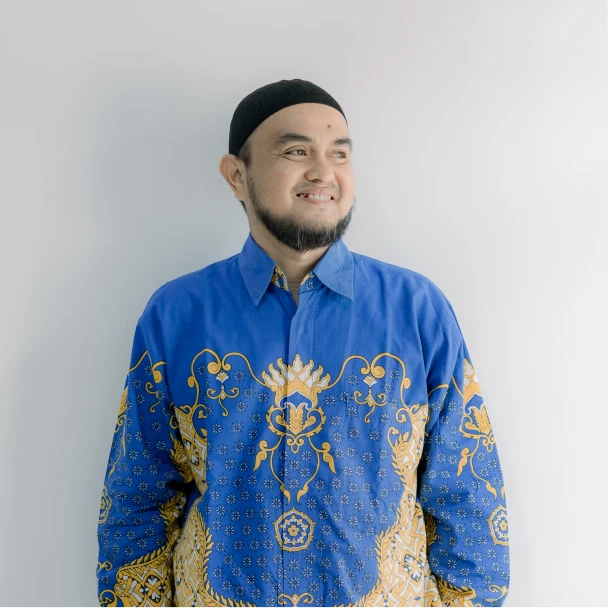
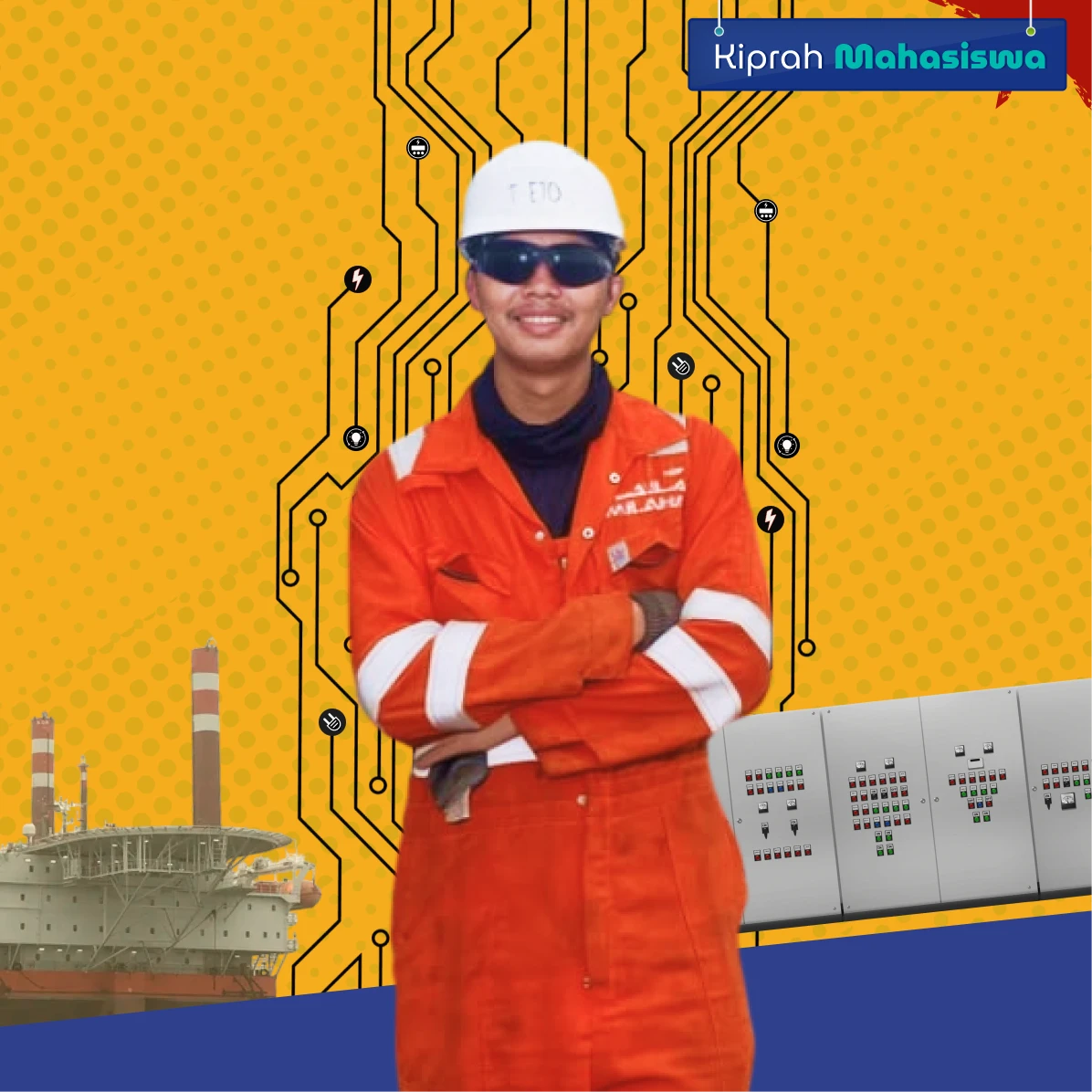
Muhamad Wildan Fadhila flew to Qatar to work as an electrical technician on ships owned by Milaha. Maintaining the vessel's electrical systems while catching his global exposure.


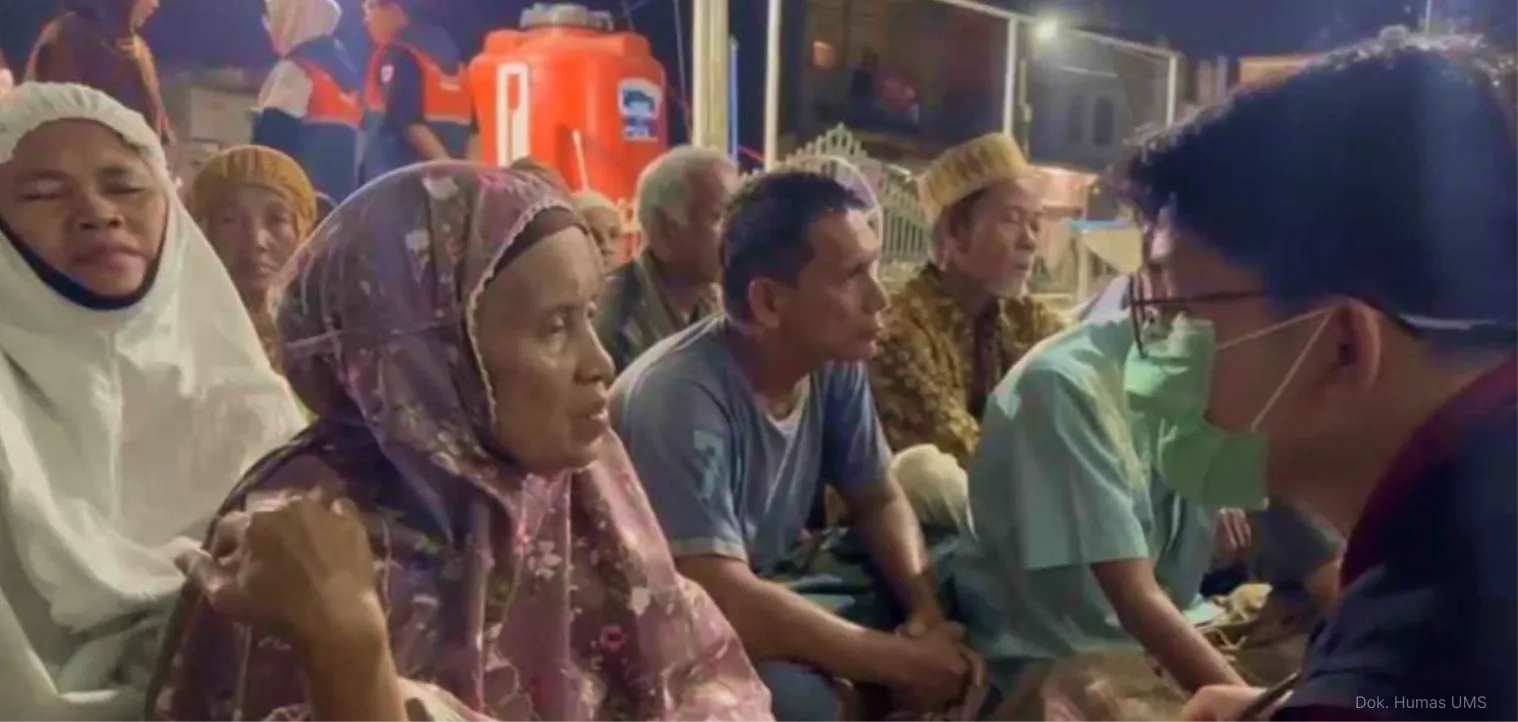
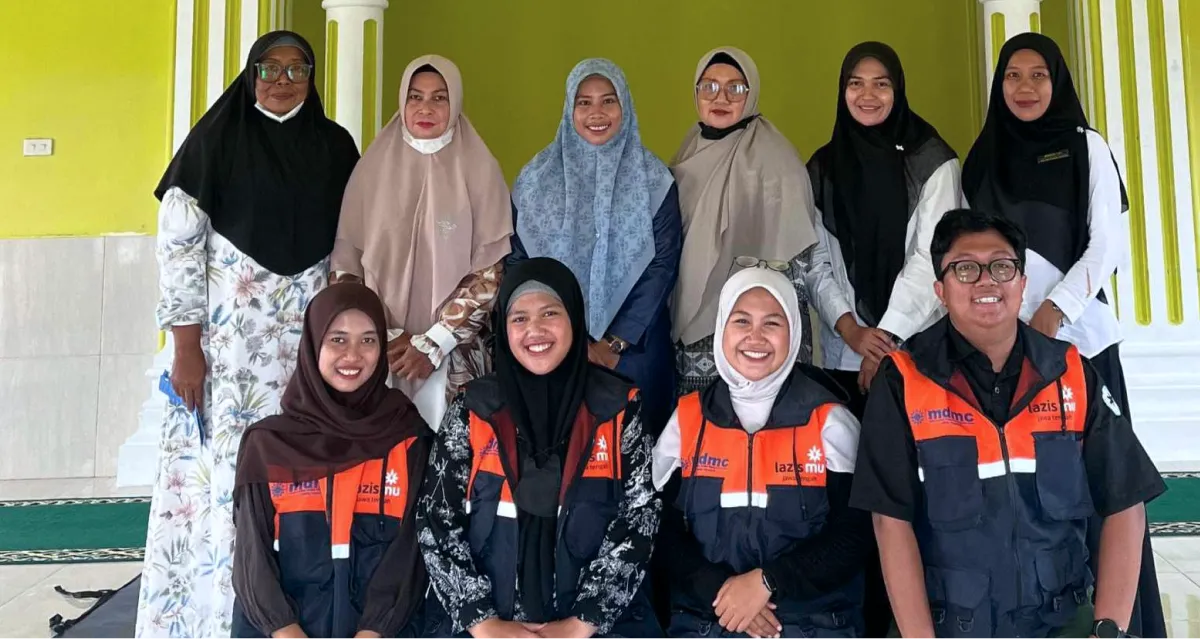
The psychosocial team from Universitas Muhammadiyah Surakarta (UMS), together with the Muhammadiyah Disaster Management Center (MDMC) of Central Java, carried out psychosocial recovery activities in Kota Lintang, Kuala Simpang, Aceh Tamiang, on Wednesday (11/2/2026). The activities focused on teacher psychoeducation, as well as reactivating community social activities through religious gatherings and free health check-up services.
A member of the UMS psychosocial team, Alvanindya Nafik Ardani, S.Psi., Psikolog., stated that the program aims to empower teachers as agents of recovery within the school environment and to revive the function of the mosque as a center of community social activities, which had been halted due to the disaster.
The psychoeducation session was themed "The Role of Teachers in Assisting Students Post-Disaster" and was attended by six teachers from TK Pembina Kota Lintang, SD Negeri 4 Kuala Simpang, and SMP Negeri 1 Kuala Simpang.
"The materials delivered covered the role of schools during the recovery period, children's psychological responses after a disaster, and concrete strategies for assisting students," said Alvanindya during an interview on Saturday (14/2/2026).
The activity included discussions, sharing sessions, simulations, and the distribution of practical modules for student assistance. From the series of activities, it was found that teachers face several challenges, such as decreased student motivation due to the extended break, changes in student behavior, and unstable attendance because some students were displaced or helping their parents work.
Alvanindya stated that psychosocial assistance activities are key to strengthening the role of teachers in disaster-affected areas, as teachers play a crucial role in ensuring the continuity of education during the emergency response period.
"Teachers are the key to the continuity of the learning process and students' recovery. In the post-disaster period, the most important thing is sustainability. Volunteers may return to their home regions, but teachers will remain with the students every day. Therefore, equipping teachers means safeguarding the continuity of education and children's recovery," she emphasized.
Alvanindya assessed that teachers are the adult figures closest to students aside from their parents. The emotional stability and calmness of teachers greatly influence children's sense of security. Teachers who are able to manage their emotions well will help students feel safer and more in control.
A teacher at SDN 4 Kuala Simpang, Kemalawati, admitted that she gained a new perspective from the activity. "It turns out that it is important for teachers to prepare themselves first before facing students. As adults, it is not about suppressing emotions, but managing them well so that they do not affect the children," she shared.
In the late afternoon until evening, the activities continued with the reactivation of religious study sessions at the local hamlet mosque. The session was organized in collaboration with the Mosque Prosperity Board (BKM) and the hamlet imam. The activity was attended by around 40 congregants from Ar-Rahim, Sa'adah, and Hasanah hamlets, while two other hamlets are scheduled to follow at Al Ihsan Mosque.
The series of activities began with congregational Maghrib prayer, followed by a religious study session led by the village imam, then congregational Isha prayer, and concluded with free health check-ups. The health services were provided by the MDMC Central Java Medical Team, including blood pressure checks, doctor consultations, and free medicine distribution.
Before the disaster, regular religious study sessions and perwiritan (communal prayers) were active social activities among residents. However, after the flood struck, many residents were displaced, houses and furniture were damaged and swept away, and social activities ceased as residents focused on cleaning and repairing their homes.
The residents' enthusiasm was evident, especially during the health service session. For some residents, the activity was not only a medical service, but also a space to gather again, share stories, and strengthen the spirit of togetherness after a difficult period.
In his tausiyah, the village imam conveyed that disaster can serve as a moment for self-reflection as well as a means to draw closer to Allah SWT. He also expressed appreciation to the MDMC volunteers who had helped reactivate the religious study sessions, hoping that the mosque could once again become a center of unity and spiritual strengthening for the community.
Through strengthening the role of teachers in schools and reactivating community social spaces, the UMS and MDMC psychosocial team hopes that the recovery process will not end merely with the presence of volunteers.
Writer: Fika Annisa’ Sholihah
Editor: Maysali Sudarwati
Translator: Farizal Luqman Majid
Muhamad Wildan Fadhila flew to Qatar to work as an electrical technician on ships owned by Milaha. Maintaining the vessel's electrical systems while catching his global exposure.
Nothing’s more special than reading curated news just for you.
Subscribe to the UMS Newsletter for free today.