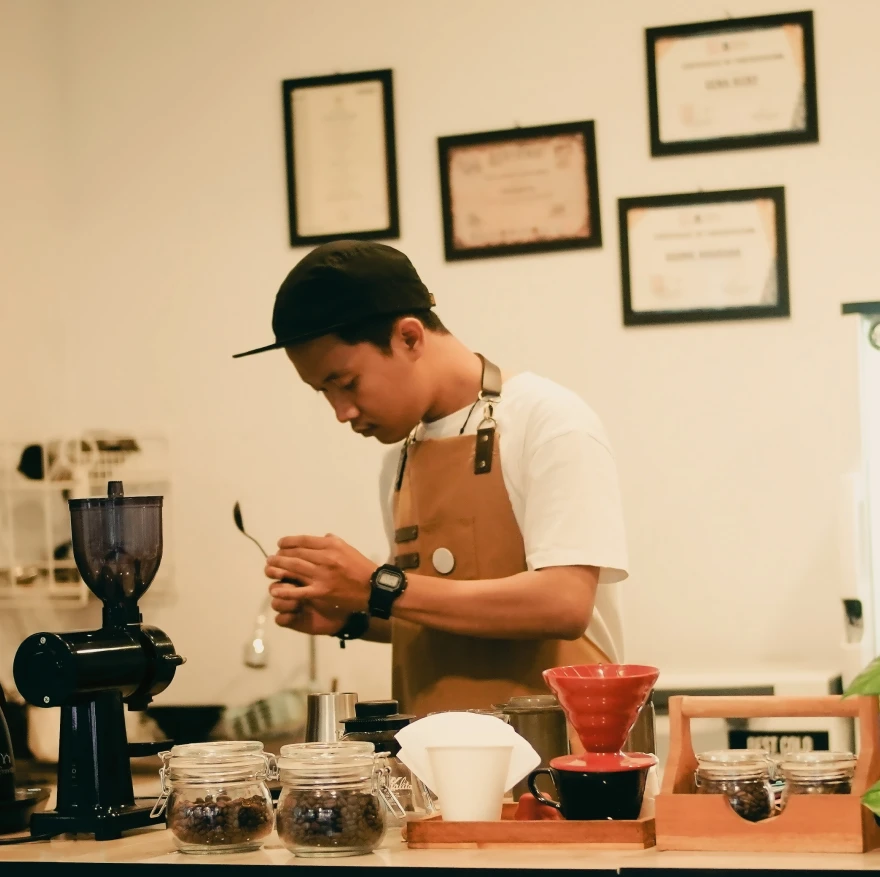
The Coffee Shop Boom
31 July 2026
Indonesia is one of the world's largest coffee-consuming nations, a thirst that keeps spawning new coffee shops. Sharpening the competition among them.



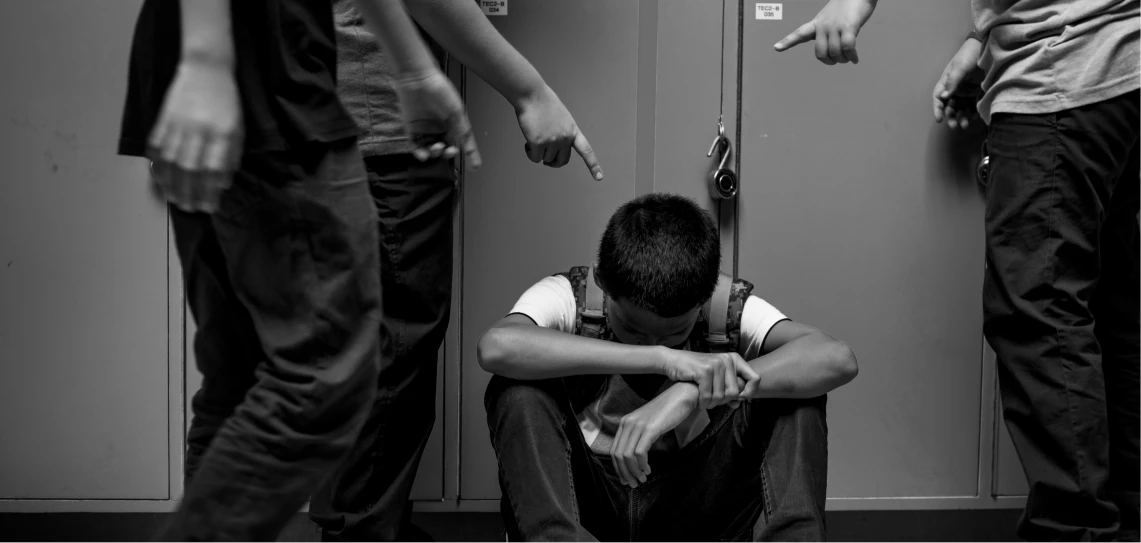
Behind the veil of Indonesian education, a deep wound persists, affecting the younger generation: bullying. This phenomenon is a parasite, making kids feel unsafe and inflicting deep trauma on them.
In 2022, a study by the Ministry of Education and Culture found something concerning. 36.31% of students could be experiencing bullying, whether it’s through words, actions, or online. What’s ironic is that only 13.54% of them feel brave enough to speak up about it.
More troubling information comes from the United Federation of Indonesian Teachers (FGSI), showing a worrying increase in bullying cases within schools, rising from 21 cases in 2022 to 30 cases in 2023. Additionally, the Indonesian Child Protection Commission (KPAI) reported 87 cases of bullying out of a total of 2355 reported cases of child abuse.
The recent violent incidents at a Jakarta high school still haunt everyone. These events left a heavy mark on the community, particularly the tragic death of a student at an Islamic boarding school (ponpes) due to uncontrolled violence from senior students. In both cases, the involvement of families, whether as perpetrators or victims, is crucial to consider.
Schools and educational systems should be safe places for learning, not hotbeds for bullying. Unfortunately, bullying can happen anywhere within school premises: in hallways, parks, restrooms, cafeterias, and classrooms. The effects of bullying go beyond physical harm, causing mental and emotional suffering for the victims. Tragic consequences such as depression, anxiety, and even suicide are sadly not uncommon outcomes of this widespread issue.
Related article: Silence is NOT Golden: Speaking Out Against Bullying
Theories on bullying aim to explain the origins of the problem. Bronfenbrenner's ecological theory examines how the environment, including family, school, and peers, instills bullying behavior. The imbalance of power theory underscores the significant power disparity between the perpetrator and the victim. Additionally, family systems theory provides a crucial perspective in understanding the dynamics of bullying.
Family is the primary environment where children are born and raised, making it the most crucial and influential element in instilling life values. The family dysfunction theory views family as a complex system wherein each member plays interrelated roles and functions.
Dysfunction in the family can be a risk factor for bullying. The absence of communication and intimacy among family members creates a thick wall separating them. The warmth of affection is replaced by coldness and loneliness in such situations.
Conversely, inappropriate parenting styles, such as authoritarianism or permissiveness, can contribute to children becoming vulnerable to either perpetrating or falling victim to bullying. Authoritarian parents, employing strict rules and severe punishments without creating open communication, may drive children to seek outlets outside the home, even in violent ways.
Meanwhile, permissive parents who are excessively indulgent and lack boundaries can render children easily intimidated and unable to defend themselves.
Domestic violence creates a deep wound that can leave enduring marks on children. Victims of domestic violence are subjected to an environment characterized by anger and fear, planting seeds of aggressiveness or low self-esteem. These adverse effects may potentially contribute to the development of bullying behaviors in these individuals.
Traumatic experiences within the family, such as the loss of a parent, divorce, or chronic illness, can emotionally traumatize children. The instability and the loss they undergo may render them more susceptible to bullying, whether as perpetrators or victims. Understanding these risk factors is the first step to preventing and addressing bullying, for a brighter and more loving future for children.
Behind every case of bullying, there are two wounded sides: the perpetrator and the victim. Understanding their profiles is akin to unlocking the key to formulating effective prevention strategies.
Bullies are often consumed by feelings of insecurity and a desperate need for validation. They may be grappling with issues at home or school, trapped in a cycle of anger and impulsivity, and have lost the capacity to empathize with others. Bullying becomes a misguided escape for them to feel superior and attempt to mend their inner pain.
On the other hand, the victim of bullying often bears the weight of low self-esteem. They find themselves isolated, alone, and struggling to adapt to the social environment. Their loneliness and sensitivity make them easy targets for bullies. Understanding the profiles of both perpetrators and victims is not about tolerating their actions but rather about building bridges of empathy and creating solutions to address the underlying problems.
Bullying is akin to a lurking monster that stalks its prey. Comprehensive prevention and treatment efforts are necessary, involving various stakeholders to combat it. Parents are important in building open and effective communication with their children. Instilling moral values and empathy is vital to building good character and contributing to the prevention of bullying.
Supervising your children’s socialization is crucial to ensure they steer clear of negative influences. Schools should implement firm and consistent anti-bullying policies. Providing education on the dangers of bullying to both students and teachers is essential to creating a safe and friendly school environment.
Raising awareness about the dangers of bullying is essential within society. Instilling a culture of non-violence from an early age is crucial. Also, creating a community that supports and protects each other.
The government is vital in combating bullying by formulating strict regulations, offering training to teachers and school staff on how to address bullying, and conducting public education campaigns on the dangers of bullying. The involvement of peer counselors is equally essential in aiding victims of bullying, as students are trained to assist their peers. Peer counselors can provide emotional support, serve as a support system, and help victims seek assistance from adults. Their role extends to raising awareness about the dangers of bullying.
Addressing bullying cases must be approached with sensitivity and appropriateness. Providing emotional support to victims is essential for their recovery from trauma. Thorough investigations to identify perpetrators and imposing strict sanctions are crucial steps. Additionally, educating the perpetrators about the dangers of bullying is important to prevent them from repeating such actions.
Families, schools, communities, and governments collectively can construct a robust shield against bullying. We can establish a safe and friendly environment for all children through diligent prevention and effective handling efforts. This way, we strive to ensure that children are free from the shadow of bullying.
Writer: Wisnu Sri Hertinjung (Mahasiswa S3 Psikologi Universitas Muhammadiyah Surakarta)
Source: Jawa Pos Radar Solo Newspaper Wednesday, 6 March 2024 Edition
Indonesia is one of the world's largest coffee-consuming nations, a thirst that keeps spawning new coffee shops. Sharpening the competition among them.
Nothing’s more special than reading curated news just for you.
Subscribe to the UMS Newsletter for free today.