Beware of Brain Rot Symptoms
31 December 2024
Brain rot, or cognitive decay, is increasingly affecting Generation Z and Millennials due to technology addiction. What are the solutions?



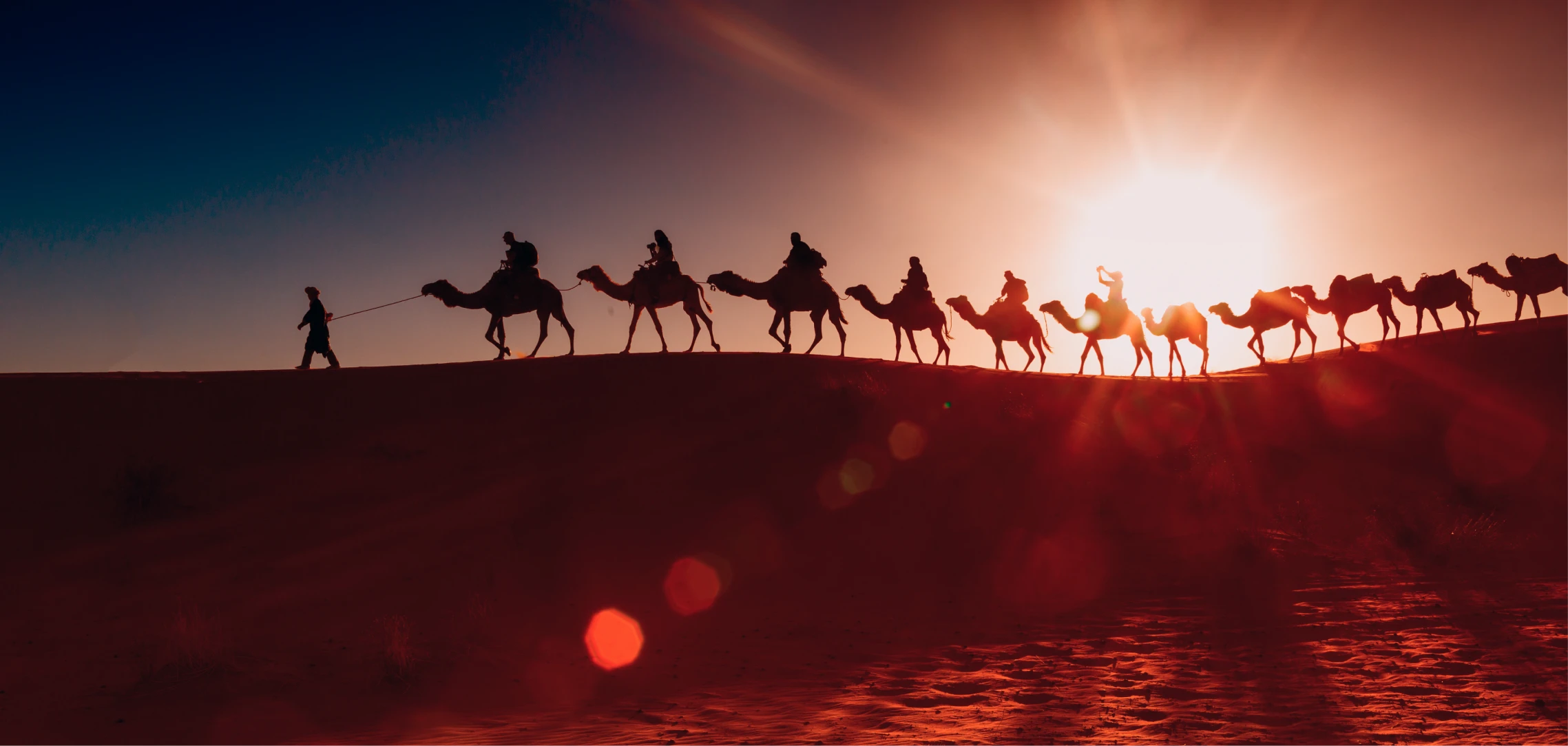
Muslims around the world are now welcoming the month of Rajab. This month is the seventh month in the Hijri calendar, following Jumadil Akhir. According to the Hijri calendar issued by the Indonesian Ministry of Religious Affairs, 1 Rajab 1446 H falls on January 1, 2025.
In Islam, the month of Rajab holds unique significance. It is one of the four sacred months in Islam. Allah SWT says in Surah At-Taubah, verse 36:
اِنَّ عِدَّةَ الشُّهُوْرِ عِنْدَ اللّٰهِ اثْنَا عَشَرَ شَهْرًا فِيْ كِتٰبِ اللّٰهِ يَوْمَ خَلَقَ السَّمٰوٰتِ وَالْاَرْضَ مِنْهَآ اَرْبَعَةٌ حُرُمٌۗ ذٰلِكَ الدِّيْنُ الْقَيِّمُ ەۙ فَلَا تَظْلِمُوْا فِيْهِنَّ اَنْفُسَكُمْ وَقَاتِلُوا الْمُشْرِكِيْنَ كَاۤفَّةً كَمَا يُقَاتِلُوْنَكُمْ كَاۤفَّةًۗ وَاعْلَمُوْٓا اَنَّ اللّٰهَ مَعَ الْمُتَّقِيْنَ ٣٦
Behold, the number of months, in the sight of God, is twelve months, [laid down] in God's decree on the day when He created the heavens and the earth; [and] out of these, four are sacred: this is the ever-true law [of God]. Do not, then, sin against yourselves with regard to these [months]. And fight against those who ascribe divinity to aught beside God, all together-just as they fight against you, [O believers,] all together -and know that God is with those who are conscious of Him
Dartim, S.Pd., M.Pd., a lecturer in Islamic Religious Education, stated that the sacred months mentioned in the verse are understood as months with specific prohibitions. These four months are Dzulqa’dah, Zulhijjah, Muharram, and Rajab.
Dartim explained that before the advent of Islam, the Arabs traditionally had a penchant for war. However, they eventually agreed not to engage in warfare during certain periods, one of which was the month of Rajab.
“Thus, Rajab is often referred to as the empty or quiet month. During Rajab, the Arabs remained silent and at peace,” said the lecturer of Islamic History.
The month of Rajab marks several significant moments in the development of Islam. Numerous important events during the Prophethood of Muhammad SAW occurred in this month
There are five reasons why the month of Rajab is special:
Dartim, referencing Ibn Abbas RA, a prominent Quranic interpreter from the time of Prophet Muhammad SAW, explained that Ibn Abbas interpreted Surah At-Taubah verse 36 as emphasizing the heightened consequences of sin during the month of Rajab. Ibn Abbas viewed sins committed in this month as bearing greater weight compared to other months.
“This month encourages us to avoid sinful acts. Especially as the verse continues, ‘And do not wrong yourselves.’ This serves as motivation for us,” Dartim elaborate
Although no specific Quranic verse prescribes particular acts of worship in Rajab, Dartim encouraged Muslims to increase their acts of devotion during this special month. These could include the five daily prayers, voluntary fasting, ayyamul bidh fasting, and other deeds.
He also urged Muslims to engage in self-reflection or muhasabah. This involves introspection on one’s sins, mistakes, and shortcomings to become a better person. Considering that Rajab is close to the holy month of Ramadan, Muslims should prepare themselves as well as possible.
Regarding its philosophical meaning, Dartim highlighted that the Prophet Muhammad SAW’s hijrah, which occurred in Rajab, symbolizes a transition toward improvement. The term hijrah linguistically means moving or migrating.
“We can interpret Rajab as the month of transformation. A time to transition from bad to good, from persistent sinful acts to ceasing them altogether,” Dartim concluded.
Writer: Gede Arga Adrian
Translator: Farizal Luqman Majid
Editor: Al Habiib Josy Asheva
Brain rot, or cognitive decay, is increasingly affecting Generation Z and Millennials due to technology addiction. What are the solutions?
Nothing’s more special than reading curated news just for you.
Subscribe to the UMS Newsletter for free today.