
Bank Indonesia Holds Interest Rate at 5.75%, What Is the Impact?
24 July 2026
Bank Indonesia has held its benchmark rate at 5.75 percent, ending speculation of a hike to 6 percent that had circulated in recent weeks.


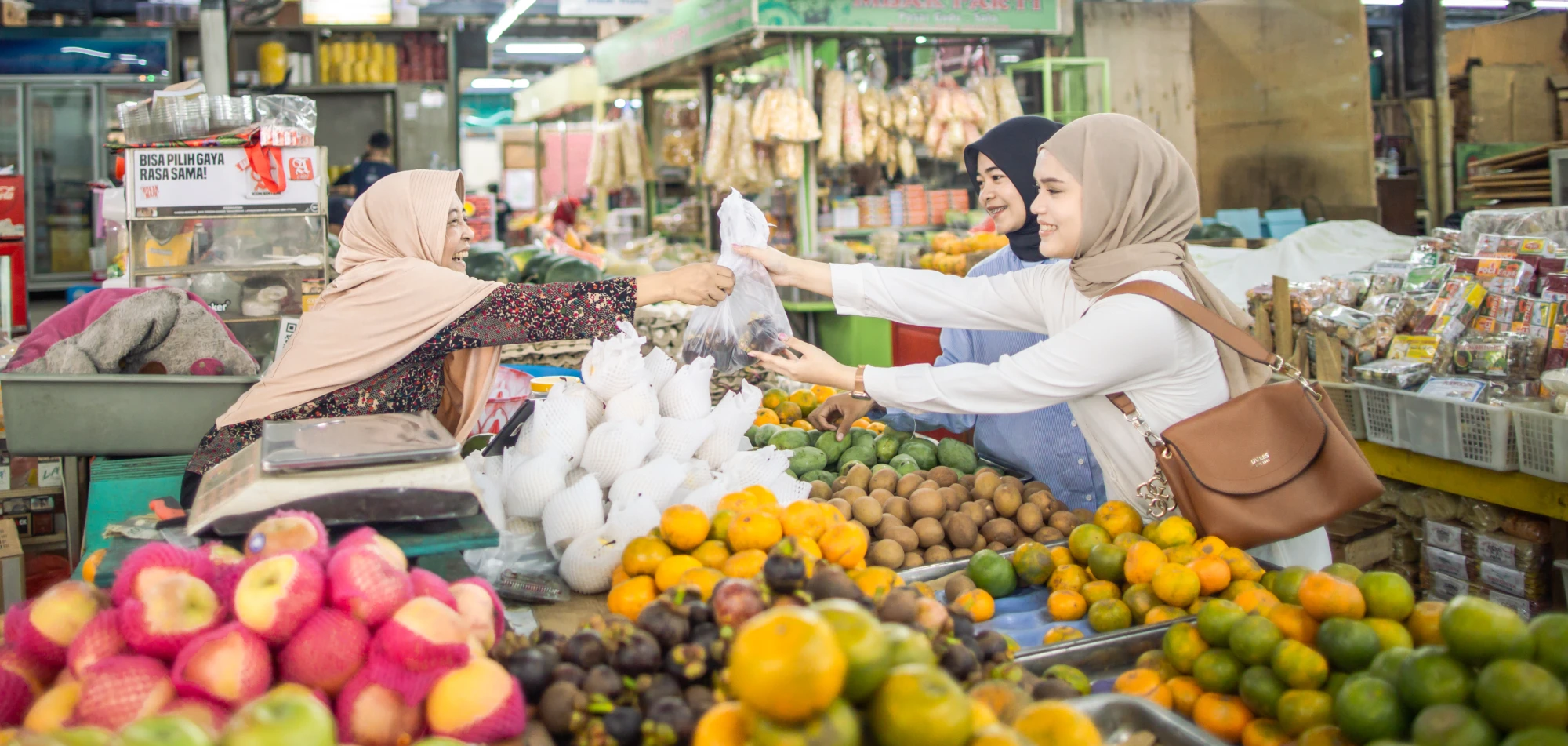
Cooking oil is one of the essential commodities in everyday life, especially for housewives. Therefore, the recent shortage of cooking oil presented both an opportunity and a challenge to guarantee its price, supply, and distribution in the market. This is critical because these three aspects have a systemic impact on the continuity of cooking oil availability in the market.
In response to this, it is reasonable that the government, through the Ministry of Trade, issued Regulation No. 18 of 2024 on Packaged Palm Cooking Oil and the Management of People's Cooking Oil.
The goal of this regulation is to ensure price stability, supply, and distribution, making cooking oil affordable, helping reduce inflation, and ultimately maintaining the purchasing power of the public.
These expectations are well-founded. When cooking oil becomes scarce and prices rise, purchasing power naturally declines.
The situation could worsen during periods like Ramadan, Eid, Christmas, and New Year, when seasonal inflation has long been a sensitive issue.
In light of this, anticipating fluctuations in the price, supply, and distribution of cooking oil is no easy task. The hope is that the new regulation, Minister of Trade Regulation No. 18 of 2024, can help stabilize these factors, ensuring that households can cook comfortably without worrying about tasteless meals due to high oil prices.
The regulation, Minister of Trade Regulation No. 18 of 2024 on Packaged Palm Cooking Oil and the Management of People's Cooking Oil, is also committed to changing consumer behavior. It encourages a shift from using bulk cooking oil to packaged oil, which is branded as Minyakita.
This shift is driven by several key considerations. Packaged cooking oil is generally more practical in terms of distribution, has more reliable nutritional content, includes halal certification in accordance with religious requirements, and offers price certainty due to the enforcement of the Highest Retail Price (HET).
The regulation indirectly clarifies that the packaged cooking oil brand, Minyakita, is not a subsidized product.
Instead, this product is the result of active participation and contributions from exporters, involving palm oil derivatives to meet domestic market demand through the domestic market obligation (DMO) scheme, which requires fulfilling domestic market needs.
Through this regulation it can be ensured that the Domestic Market Obligation (DMO) supply will be increased to guarantee price stability, supply, and distribution.
The conclusion of the regulation is essentially an improvement upon the previous cooking oil regulations. Specifically, Permendag Number 49 of 2022, with the introduction of the Minyakita branded packaged cooking oil available in various sizes: 500 ml, 1 liter, 2 liters, and 5 liters, aimed at meeting domestic market needs.
It is ensured that the HET for Minyakita does not exceed the selling price of premium cooking oil, thus ensuring certainty regarding price, supply, and distribution in the market
Furthermore, the setting of the HET also takes into account the raw material prices and production processes, including the purchasing power of the public. Additionally, the production capacity of manufacturers cannot be ignored.
Several cases have highlighted that cooking oil prices play a crucial role in controlling inflation, especially given the widespread use of cooking oil in everyday life.
At the very least, this can be seen from millions of food stalls meeting consumption needs, including the numerous warteg that cater to all levels of society.
Therefore, the importance of maintaining price stability for food products cannot be underestimated, as almost the majority of consumption depends on cooking oil in its frying production process.
Thus, guaranteeing stability in pricing, supply, and distribution becomes very important. The regulations do not only promise certainty but also supply stability in the market, thereby creating a sense of security for the public.
The regulation stipulates a Highest Retail Price (HET) of IDR 14,000 per liter, which is now set at IDR 15,700 per liter.
This indicates that price certainty is a crucial aspect in ensuring production and consumption, particularly given that the demand for cooking oil tends to keep rising each year, in line with consumption needs.
This is an important note, as the regulation becomes a significant factor in ensuring stability of prices, supply, and distribution. As a result, it helps mitigate inflation, ensuring certainty in the purchasing power of the public across all levels of society.
Written by: Dr. Edy Purwo Saputro, S.E., M.Si., (Lecturer, Faculty of Economics and Business, Universitas Muhammadiyah Surakarta)
Source: Radar Solo, Wednesday Edition, August 28, 2024.
Bank Indonesia has held its benchmark rate at 5.75 percent, ending speculation of a hike to 6 percent that had circulated in recent weeks.
Nothing’s more special than reading curated news just for you.
Subscribe to the UMS Newsletter for free today.