
Nano Liquid for Healing Diabetic Ulcers
21 July 2026
UMS students have formulated a treatment for diabetic wounds from moringa and neem leaves, and carried home gold at WYIE 2026 in Malaysia.



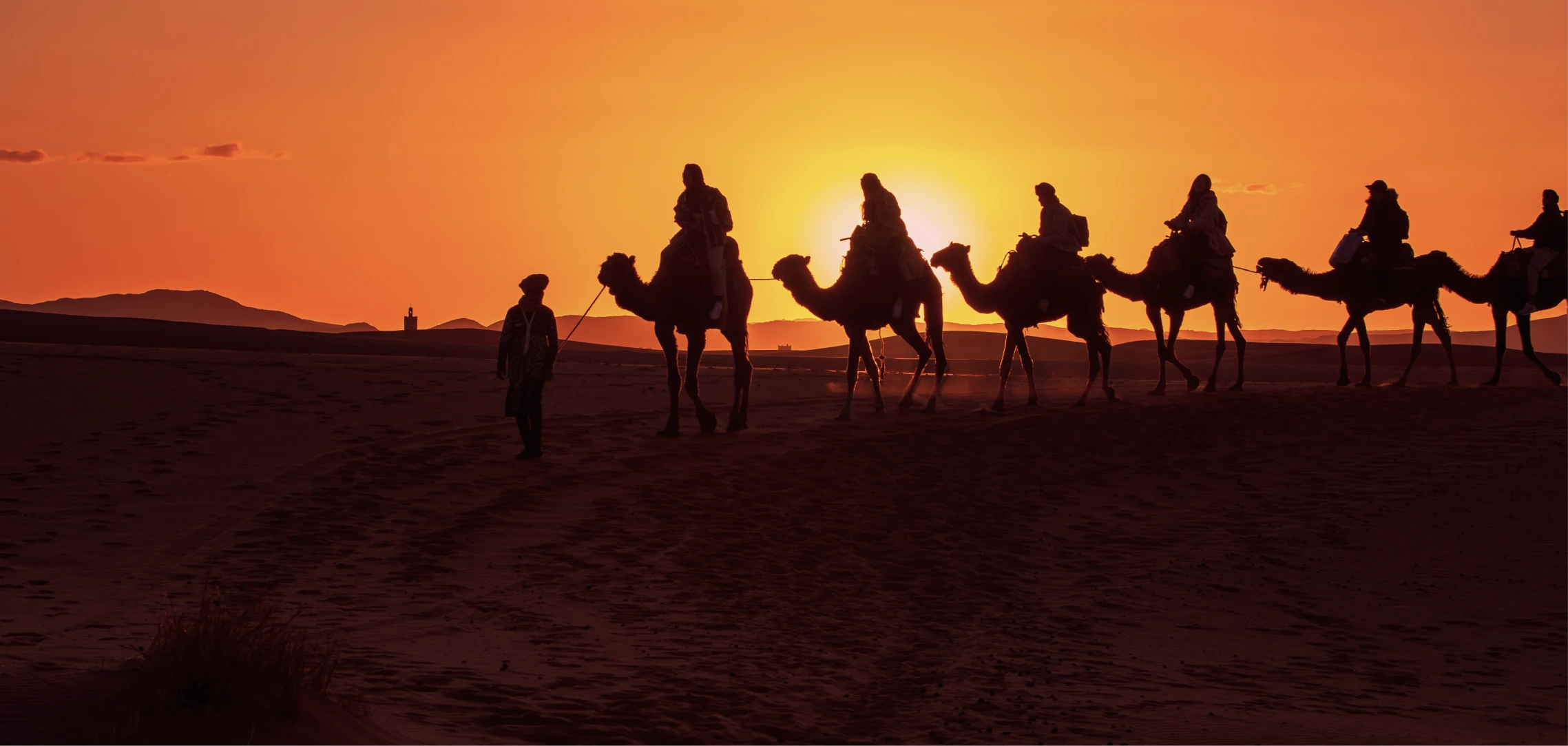
Fasting during Ramadan is one of the obligatory acts of worship for Muslims. In fact, it is one of the five pillars of Islam. However, not everyone is able to fast due to specific circumstances.
Allah SWT, The Most Merciful and Compassionate, provides exemptions for those who are unable to perform the act of fasting.
Dr. Mujazin, S.Pd., M.A., Head of Center for Da'wah and Education at Universitas Muhammadiyah Surakarta (UMS), stated that Allah SWT has granted concessions to Muslims who are unable to fast.
“Allah SWT has given the command to fast, along with an alternative for those who are unable to fulfill this obligation,” said Mujazin on Tuesday (25/2/2025).
The following are eight categories of people who are allowed not to fast:
1. People with chronic illnesses who have no hope of recovery
Muslims suffering from severe illnesses with little to no chance of recovery are granted an exemption from fasting. Examples include stroke, severe digestive disorders, and individuals who require dialysis.
Allah states in Surah Al-Baqarah, verse 184:
أَيَّامًا مَّعْدُودَٰتٍ ۚ فَمَن كَانَ مِنكُم مَّرِيضًا أَوْ عَلَىٰ سَفَرٍ فَعِدَّةٌ مِّنْ أَيَّامٍ أُخَرَ ۚ وَعَلَى ٱلَّذِينَ يُطِيقُونَهُۥ فِدْيَةٌ طَعَامُ مِسْكِينٍ ۖ فَمَن تَطَوَّعَ خَيْرًا فَهُوَ خَيْرٌ لَّهُۥ ۚ وَأَن تَصُومُوا۟ خَيْرٌ لَّكُمْ ۖ إِن كُنتُمْ تَعْلَمُونَ
˹Fast a˺ prescribed number of days. But whoever of you is ill or on a journey, then ˹let them fast˺ an equal number of days ˹after Ramaḍân˺. For those who can only fast with extreme difficulty, compensation can be made by feeding a needy person ˹for every day not fasted˺. But whoever volunteers to give more, it is better for them. And to fast is better for you, if only you knew.
If the sick person recovers and is able to fast, they are required to make up for the missed fasts at a later time. Meanwhile, for those whose illness is incurable, Allah grants them the concession of paying fidyah (compensation).
2. People with physically demanding jobs
Muslims who work in extremely labor-intensive jobs and face serious health risks if they continue fasting are granted an exemption. However, they must make up for the missed fasts at a later time.
If the nature of the work is relatively safe and does not pose a severe risk when performed while fasting, then fasting remains obligatory.
According to the website mirror.mui.or.id Tuesday (25/2/2025), Sheikh Wahbah al-Zuhaili, in his book Al-Fiqh al-Islami wa Adillatuhu, cited Abu Bakar al-Ajiri’s opinion regarding the fasting obligations of laborers:
قَالَ أَبُو بَكْرٍ الآجِرِي: مَنْ صَنَعَتْهُ شَـاقَـةٌ : فَـإِنْ خَافَ بِالصَّوْمِ تَلَفاً ، أَفطَرَ وَقَضَى إِنْ ضَرَّهُ تَرْكُ الصَنْعَةِ ، فَإِنْ لَمْ يَضُرُّهُ تَرْكُهَـا ، أَثِمَ بِالفِطْرِ ، وَإِنْ لَمْ يَنْتَفِ التَّضَرُّرُ بِتَرْكِهَا ، فَلاَإِثْمَ عَلَيْهِ بِـالفِطْرِ لِلْعُـذْرِ . وَقَرَّرَ جُمْهُورُ الفُقَهَاءِ أَنَّهُ يَجِبُ عَلَى صَاحِبِ العَمَلِ الشَّاقِّ كَالحَصَّادِ والخَبَّازِ وَالحَدَّادِ وعُمَّالِ المنَاجِمِ أَنْ يَتَسَحَّرَ وَيَنْوِيَ الصَّوْمَ ، فَإِنْ حَصَلَ لَهُ عَطَشٌ شَدِيْدٌ أَوْ جُوْعٌ شَدِيْدٌ يَخَافُ مِنْـهُ الضَّرَرُ ، جَازَ لَهُ الفِطْرُ ، وَعَلَيْهِ القَضَـاءُ ، فَـإِنْ تَحَقَّقَ الضَّرَرُ وَجَبَ الفِطْرُ
“Abu Bakar al-Ajiri states that a laborer who fears for their life due to extreme hardship may break their fast, but they must make up for it later, provided that their job is truly unavoidable and leaving it would result in severe harm, mudharat.”
3. Travelers (Musafir)
A musafir is someone who undertakes a long journey. Allah grants travelers an exemption from fasting, but they are required to make up for the missed fasts at a later time.
According to the book Fikih Muyassar, the conditions for a traveler to break their fast include covering a distance of 48 miles (approximately 80 kilometers).
This exemption for travelers is mentioned in Surah Al-Baqarah, verse 185:
شَهْرُ رَمَضَانَ ٱلَّذِىٓ أُنزِلَ فِيهِ ٱلْقُرْءَانُ هُدًى لِّلنَّاسِ وَبَيِّنَٰتٍ مِّنَ ٱلْهُدَىٰ وَٱلْفُرْقَانِ ۚ فَمَن شَهِدَ مِنكُمُ ٱلشَّهْرَ فَلْيَصُمْهُ ۖ وَمَن كَانَ مَرِيضًا أَوْ عَلَىٰ سَفَرٍ فَعِدَّةٌ مِّنْ أَيَّامٍ أُخَرَ ۗ يُرِيدُ ٱللَّهُ بِكُمُ ٱلْيُسْرَ وَلَا يُرِيدُ بِكُمُ ٱلْعُسْرَ وَلِتُكْمِلُوا۟ ٱلْعِدَّةَ وَلِتُكَبِّرُوا۟ ٱللَّهَ عَلَىٰ مَا هَدَىٰكُمْ وَلَعَلَّكُمْ تَشْكُرُونَ
Ramaḍân is the month in which the Quran was revealed as a guide for humanity with clear proofs of guidance and the decisive authority. So whoever is present this month, let them fast. But whoever is ill or on a journey, then ˹let them fast˺ an equal number of days ˹after Ramaḍân˺. Allah intends ease for you, not hardship, so that you may complete the prescribed period and proclaim the greatness of Allah for guiding you, and perhaps you will be grateful.
4. Elderly individuals who are unable to fast
of fasting are granted an exemption. However, Allah requires them to compensate by paying fidyah. This ruling is mentioned in Surah Al-Baqarah, verse 184, which states:
,.... and for those who can only fast with extreme difficulty, compensation can be made by feeding a needy person
5. Women Experiencing Menstruation (Hayd) and Postnatal Bleeding (Nifaas)
Women who are menstruating or experiencing nifaas are given an exemption from fasting until their bleeding stops. The ruling on hayd and nifaas is recorded in Hadith narrated by Muslim No. 335:
‘Aisyah radhiyallahu ‘anha said,
كَانَ يُصِيبُنَا ذَلِكَ فَنُؤْمَرُ بِقَضَاءِ الصَّوْمِ وَلاَ نُؤْمَرُ بِقَضَاءِ الصَّلاَةِ.
“We used to experience menstruation, and we were commanded to make up the missed fasts but not the missed prayers.” (HR Muslim, No. 335)
Read more: A Guide to Make Up for a Missed Fast
6. Individuals with Mental Disorders
People who suffer from severe mental illnesses that impair their ability to think rationally are exempt from fasting. One of the reasons is that sanity (having a sound mind) is a condition for fasting to be valid.
This ruling is supported by a Hadith narrated by Abu Dawud and Ahmad, which states:
رُفِعَ اْلقَلَمُ عَنْ ثَلَاثٍ عَنْ النّائِمِ حَتّى يَسْتَيْقِظُ وَعَنِ اْلمَجْنُوْنِ حَتّى يُفِيْقَ وَعَنِ الصَّبِىِّ حَتَّى يَبْلُغَ
The obligation (of fasting) does not apply to three groups of people: a child until they reach puberty, a person with insanity until they regain sanity, and a person who is asleep until they wake up. (HR. Abu Dawud and Ahmad)
7. Pregnant and Breastfeeding Women
Pregnant and breastfeeding women may fast if it does not pose a risk to their health or the well-being of their baby. However, if fasting endangers either the mother or child, Allah has granted them an exemption. This ruling is based on the following hadith:
إنَّ اللهَ وَضَعَ عَنِ المُسَافِرِ شَطْرَ الصَّلَاةِ وَالصَّومَ عَنِ المُسافِرِ وَعَنِ المُرضِعِ وَعَنِ الْحُبلى
Indeed, Allah has waived half of the prayer obligation for travelers and has lifted the fasting obligation from travelers, breastfeeding women, and pregnant women." (HR. Abu Dawud, Tirmidhi, Nasa'i, and Ibn Majah)
8. Young Children
Young children are not obligated to fast because one of the conditions of fasting is reaching puberty (baligh). This ruling is supported by the following hadith:
رُفِعَ اْلقَلَمُ عَنْ ثَلَاثٍ عَنْ النّائِمِ حَتّى يَسْتَيْقِظُ وَعَنِ اْلمَجْنُوْنِ حَتّى يُفِيْقَ وَعَنِ الصَّبِىِّ حَتَّى يَبْلُغَ
The obligation (of fasting) does not apply to three groups of people: a child until they reach puberty, a person with insanity until they regain sanity, and a person who is asleep until they wake up. (HR. Abu Dawud and Ahmad)
Even though Islam provides exemptions for fasting, Mujazin reminds Muslims not to take this obligation lightly.
“Fasting is mandatory. If someone cannot fast, they must make it up on another day. The obligation does not simply disappear,” Mujazin emphasized.
The exemptions granted by Allah do not nullify the obligation of fasting. Mujazin explained, “For those who genuinely cannot fast, Allah does not impose it upon them. But if they get the opportunity, they should make up for their missed fasts.”
Writer: Gede Arga Adrian
Translator: Farizal Luqman Majid
Editor: Al Habiib Josy Asheva
UMS students have formulated a treatment for diabetic wounds from moringa and neem leaves, and carried home gold at WYIE 2026 in Malaysia.
Nothing’s more special than reading curated news just for you.
Subscribe to the UMS Newsletter for free today.