Smart Body Care by UMS Students Supports Self-Protection for Students with Intellectual Disabilities
21 July 2026
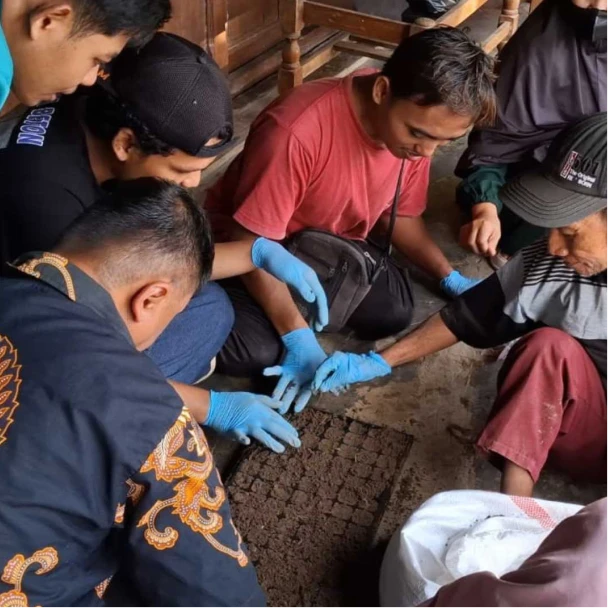
Smart Body Care is here to help students with intellectual disabilities become aware of the importance of self-protection.





In less than a month, inshaAllah, the long-awaited Ramadan will arrive. During this holy month, Muslims are obligated to fast. Fasting, or shiyam, in Islamic terminology, means refraining from eating, drinking, marital relations, and anything that breaks the fast from dawn until sunset, with the intention of worshiping Allah.
Allah SWT mentions the obligation of fasting in Surah Al-Baqarah verse 183.
يَا أَيُّهَا الَّذِينَ آمَنُوا كُتِبَ عَلَيْكُمُ الصِّيَامُ كَمَا كُتِبَ عَلَى الَّذِينَ مِنْ قَبْلِكُمْ لَعَلَّكُمْ تَتَّقُونَ (183)
Meaning: O you who have believed, prescribed for you is the Fast, as it was prescribed for (the ones) who were before you, that possibly you would be pious.
Fasting during Ramadan is mandatory for every Muslim. However, there are certain conditions that allow a person to not observe the fast. Those who are unable to fast are required to qadha (make up) the missed fasts or pay fidyah (compensation).
Alfiyatul Azizah, Lc. M.Ud., a lecturer in Al-Quran and Tafsir Studies (IQT) at Universitas Muhammadiyah Surakarta (UMS), explained the legal basis for those who are excused from fasting during Ramadan. People who are given exemptions include the sick, travelers, and those who are unable to fast. This provision is explained in Surah Al-Baqarah verse 184.
أَيَّامًا مَعْدُودَاتٍ فَمَنْ كَانَ مِنْكُمْ مَرِيضًا أَوْ عَلَى سَفَرٍ فَعِدَّةٌ مِنْ أَيَّامٍ أُخَرَ وَعَلَى الَّذِينَ يُطِيقُونَهُ فِدْيَةٌ طَعَامُ مِسْكِينٍ فَمَنْ تَطَوَّعَ خَيْرًا فَهُوَ خَيْرٌ لَهُ وَأَنْ تَصُومُوا خَيْرٌ لَكُمْ إِنْ كُنْتُمْ تَعْلَمُونَ (184)
Meaning: [Fasting for] a limited number of days. So whoever among you is ill or on a journey [during them] – then an equal number of days [are to be made up]. And upon those who are able [to fast, but with hardship] – a ransom [as substitute] of feeding a poor person [each day]. And whoever volunteers excess – it is better for him. But to fast is best for you, if you only knew.
Another condition that allows a person to miss the Ramadan fast is pregnancy and breastfeeding, as mentioned in a narration by An-Nasa’i.
عَنْ أَنَسِ بْنِ مَالِكٍ قَالَ قَالَ النَّبِيُّ صَلَّى اللهُ عَلَيْهِ وَسَلَّمَ إِنَّ اللهَ عَزَّ وَجَلَّ وَضَعَ لِلْمُسَافِرِ الصَّوْمَ وَشَطْرَ الصَّلاَةِ وَعَنْ الْحُبْلَى وَالْمُرْضِعِ
Meaning: It is narrated from Anas bin Malik that he said: The Messenger of Allah (peace and blessings be upon him) said: “Indeed, Allah, the Almighty and Glorious, has exempted the traveler from fasting and half of the prayer, and He has also exempted pregnant and breastfeeding women from fasting.”
Women who are haid (menstruating) and nifas (postpartum) are also excused from fasting, as stated in a hadith narrated by Muslim. However, they are required to qadha the missed fasts but are not required to make up missed prayers.
عن عائشة كان يصيبنا ذلك فنؤمر بقضاء الصوم و لا تؤمر بقضاء الصلاة
Meaning: It was narrated from Aisha that she said: “We used to experience that (menstruation), and we were commanded to make up the fasts but were not commanded to make up the prayers.”
For those who miss fasting during Ramadan, the missed days are considered a debt that must be repaid, either through qadla or paying fidyah in certain cases, as determined by Islamic law.
How should one repay the missed fasts? The method of qadla is the same as regular fasting, beginning with an intention. The intention to make up for the missed fast should be made in the heart, with the purpose of replacing the previously missed Ramadan fast.
Can it be combined with other voluntary fasts? There is no specific time requirement for making up missed fasts, as indicated by فَعِدَّةٌ مِنْ أَيَّامٍ أُخَرَ (then make up the days on other days), which means there is no fixed rule regarding when it must be performed, except for the prohibited days such as Eid al-Fitr, Eid al-Adha, and the days of Tashriq.
If qadla is performed alongside a voluntary fast, such as fasting on Mondays and Thursdays, it is permissible. Alfi explained that a deed can only be performed with a single intention, so if qadla is combined with another voluntary fast, the matter of its reward remains uncertain, Wallahu a‘lam.
Alfi added that there is no strict deadline for making up missed fasts. One may fulfill this obligation within one year before the next Ramadan or even afterward. Islamic scholars agree that if a Muslim has a valid shar‘i excuse for not making up the fasts within the same year, they are still permitted to do so even after the next Ramadan arrives.
Al-Qur'an itself only states that missed fasts should be made up on another day. However, the flexibility in timing does not eliminate the obligation to fulfill the missed fasts.
“No matter what, not fasting in Ramadan under the conditions mentioned earlier is considered a debt, so it must still be repaid. When should it be repaid? How long is it valid? It lasts for a lifetime,” she emphasized when interviewed on Thursday (6/2/2025).
However, there are differences of opinion in fiqh books regarding the issue of making up missed fasts if one delays it until the next Ramadan. Imam Malik, Imam Shafi'i, and Imam Ahmad stated that one must both make up the fast and feed the poor for each missed day as kafarat (compensation). Meanwhile, Abu Hanifah and An-Nakha'i argued that the obligation is only qadla, with no additional compensation.
The Tarjih Council of Muhammadiyah has ruled that the time to make up missed fasts is any day outside of Ramadan. Based on the general meaning of the verse, there is no final deadline for when it must be completed. However, it is best to make up the fasts before the next Ramadan. If one is unable to do so due to certain hindrances, the obligation remains and must be fulfilled after the following Ramadan.
The Tarjih ruling emphasized that those who have neglected to make up for their missed fasts within the same year as the Ramadan they skipped should seek forgiveness, repent, and commit not to repeat their negligence. However, they are still obligated to make up for their missed fasts after the following Ramadan.
Fidyah is a concession granted by Allah to His people. Every obligation in Islam comes with an ease or relief, and one example of this is fasting and fidyah.
In fiqh studies, fidyah applies to those who are unable to fast. The Quran states: وَعَلَى الَّذِينَ يُطِيقُونَهُ فِدْيَةٌ طَعَامُ مِسْكِينٍ
For individuals who are categorized as unable to fulfill the obligation of fasting, they are allowed to pay fidyah, which is given to the poor. Additionally, those who cannot make up for their missed fasts, such as individuals with chronic illnesses with no hope of recovery, are permitted to pay fidyah instead. The same applies to elderly people who are too frail to fast.
According to the Muhammadiyah Tarjih Council, pregnant and breastfeeding women are also obligated to pay fidyah. While not all scholars agree on this, the Tarjih Council viewed pregnant and breastfeeding women as individuals who are unable to fast, allowing them to pay fidyah.
“So, pregnant and breastfeeding women do not have to make up the fasts, but they can simply pay fidyah,” affirmed the member of the Tarjih Council of Muhammadiyah, Central Java.
Writer: Maysali Sudarwati
Translator: Farizal Luqman Majid
Editor: Al Habiib Josy Asheva
Smart Body Care is here to help students with intellectual disabilities become aware of the importance of self-protection.
Nothing’s more special than reading curated news just for you.
Subscribe to the UMS Newsletter for free today.