


The Coffee Shop Boom
1 August 2026
Indonesia is one of the world's largest coffee-consuming nations, a thirst that keeps spawning new coffee shops. Sharpening the competition among them.



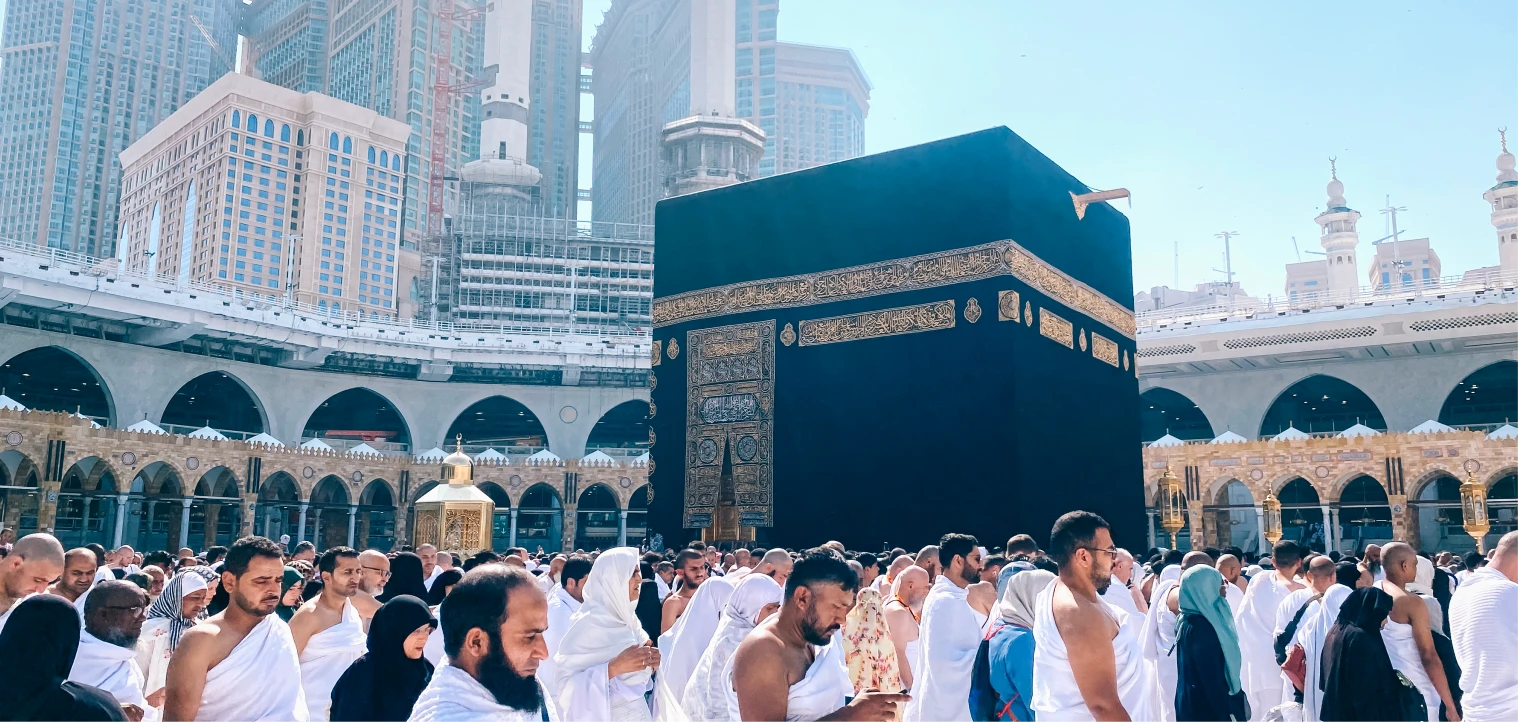
Umrah is one of the acts of worship in Islam that many Muslims dream of performing. Yet many are forced to abandon that dream due to physical limitations or the cost of travel. Some even reach old age and the approach of death without ever having been able to fulfil it.
Islam, as a religion of rahmatan lil alamin (mercy for all creation), provides a way through badal umrah. So what exactly is badal umrah?
Badal umrah is the performance of umrah by one person on behalf of another who is unable to perform it themselves for reasons recognized by Islamic law.
Lecturer in Al-Qur’an dan Tafsir Studies at Universitas Muhammadiyah Surakarta (UMS), Dr. Ainur Rha'in, S.Th.I, M.Th.I., explained that the primary purpose of badal umrah is to give the opportunity for umrah to be performed in the name of someone who is unable to do so themselves due to death or permanent incapacity.
"The hope is that the act of worship can be fulfilled on their behalf in accordance with Islamic legal provisions, while also serving as an expression of love, devotion, and prayer from their family or representative," said Ainur on Friday (12/6/2026).
Ainur explained that there are scriptural bases supporting the permissibility of badal umrah, though the hadiths explicitly mentioning badal umrah are fewer in number than those concerning badal hajj.
"Scholars generally draw an analogy (qiyas) between badal umrah and badal hajj, as both are acts of worship that involve travelling to the Baitullah" Ainur continued.
The following are the scriptural bases for badal umrah.
1. From Al-Qur’an
Allah says in Surah Al-Baqarah verse 196:
وَأَتِمُّوا الْحَجَّ وَالْعُمْرَةَ لِلَّهِ
"And complete the hajj and umrah for Allah."
This verse commands the completion of hajj and umrah but does not directly address badal umrah.
2. From the Hadith
The first hadith is narrated by Al-Bukhari and Muslim:
From Abdullah ibn Abbas RA, a woman from the Khath'am tribe asked:
يَا رَسُولَ اللَّهِ، إِنَّ فَرِيضَةَ اللَّهِ عَلَى عِبَادِهِ فِي الْحَجِّ أَدْرَكَتْ أَبِي شَيْخًا كَبِيرًا، لَا يَسْتَطِيعُ أَنْ يَثْبُتَ عَلَى الرَّاحِلَةِ، أَفَأَحُجُّ عَنْهُ؟ قَالَ: نَعَمْ
"O Messenger of Allah, the obligation of hajj that Allah has prescribed for His servants has come upon my father who is very old and cannot sit upright on a mount. May I perform hajj on his behalf?" He replied, "Yes." (HR Al-Bukhari and Muslim)
This hadith concerns badal hajj and serves as the primary basis for the majority of scholars in permitting badal umrah through analogy.
3. Hadith more closely related to badal umrah
There are several hadiths whose subject matter is more closely related to badal umrah:
It is narrated that the Prophet Muhammad SAW heard a man say:
لَبَّيْكَ عَنْ شُبْرُمَةَ
"I answer Your call on behalf of Syubrumah."
He asked:
مَنْ شُبْرُمَةُ؟
"Who is Syubrumah?"
The man replied:
أَخٌ لِي أَوْ قَرِيبٌ لِي
"My brother, or my relative."
The prophet ask:
حَجَجْتَ عَنْ نَفْسِكَ؟
"Have you performed hajj for yourself?"
The man said:
لَا
"Not yet."
The prophet then said:
حُجَّ عَنْ نَفْسِكَ ثُمَّ حُجَّ عَنْ شُبْرُمَةَ
"Perform hajj for yourself first, then perform hajj for Syubrumah."
This hadith is used as evidence that a person who wishes to perform badal worship must first have fulfilled it for themselves.
Ainur explained that the majority of scholars from the Hanafi, Shafi'i, and Hanbali schools of jurisprudence permit badal umrah for someone who has passed away or who faces permanent incapacity, drawing the analogy from badal hajj. They also require that the person performing the badal must have already performed umrah for themselves.
"Some scholars hold that this permissibility should be limited to cases that genuinely involve a recognized Islamic excuse, so that badal umrah does not become a general practice for those who are in fact still able to perform it themselves," Ainur stressed.
Ainur outlined four purposes of badal umrah:
1. To assist those who are unable to perform the worship themselves,
for example due to death, permanent illness, or advanced age making travel to the Holy Land impossible.
2. To convey the reward of the worship to the person on whose behalf it is performed.
The person performing the badal intends to carry out umrah for their representative, with the hope that the reward of the act of worship reaches them by the permission of Allah.
3. To fulfil an obligation that was not completed in time.
If a person had an obligation of umrah according to the view that makes it obligatory but passed away before fulfilling it despite having been capable, the heirs may perform badal on their behalf as a completion of that obligation.
4. As an sct of devotion to parents or family.
Many children perform badal umrah for parents who have passed away or are no longer able, as a form of birrul walidain (filial devotion) and prayer for them.
The Muhammadiyah Tarjih Council holds a different view on badal umrah compared to badal hajj. Ainur cited three reasons for this distinction.
1. Badal umrah is not obligatory.
Muhammadiyah holds that since umrah carries the ruling of sunnah muakkadah (a strongly recommended act), there is no obligation on the heirs to perform badal umrah on behalf of a parent or relative who has passed away or faces permanent incapacity.
2. An exception applies when a nazar (vow) is involved.
If a person had made a vow to perform umrah and then passed away or became unable to fulfil it, that vow becomes an obligation that must be carried out. In such a case, a capable heir may perform umrah on their behalf as fulfilment of the vow. The basis for this is the following hadith narrated by Al-Bukhari:
مَنْ نَذَرَ أَنْ يُطِيعَ اللَّهَ فَلْيُطِعْهُ
"Whoever makes a vow to obey Allah, let them fulfil it." (HR Al-Bukhari)
3. Badal hajj is distinct from badal umrah.
Muhammadiyah accepts badal hajj for someone who has met the conditions making hajj obligatory but is unable to perform it due to permanent incapacity or death, provided the person performing the badal has already performed hajj for themselves
"As for badal umrah, it is not placed on the same footing as badal hajj, because umrah is not an obligatory act of worship according to the Muhammadiyah Tarjih position," said Ainur.
The procedure for badal umrah is essentially the same as regular umrah, consisting of the following:
1. Ihram:
The state of ritual consecration, marked by wearing the white ihram garment and reciting the intention before reaching the miqat.
3. Niyyah (Intention):
Reciting the intention of umrah on behalf of the person for whom the badal is being performed.
3. Tawaf:
Circumambulating the Kaaba seven times in a counterclockwise direction, from left to right.
4. Sa'i:
Walking or jogging between the hills of Safa and Marwah.
5. Tahalul:
The shaving or trimming of some or all of the hair upon completing the umrah rituals.
The requirements for badal umrah depend on the school of Islamic jurisprudence followed. The majority of scholars who permit badal umrah set the following conditions:
1. The person performing the badal must have already performed umrah for themselves.
Ainur explained that scholars draw this condition by analogy from the performance of umrah.
2. The person on whose behalf the badal is performed must have passed away or face permanent incapacity.
Badal umrah may be performed if the person for whom it is done faces a permanent obstacle preventing them from performing umrah themselves, including physical weakness, advanced age, or serious illness making travel to the Holy Land impossible. Badal umrah for the deceased is aimed at completing the obligation of umrah.
3. The badal must be performed with a clear intention on behalf of the named person.
Ainur said that when entering ihram, the person performing the badal may recite:
لَبَّيْكَ عُمْرَةً عَنْ فُلَانٍ
"I answer Your call to perform umrah on behalf of so-and-so."
4. One umrah is for one person only.
The badal must be performed with a clear intention on behalf of the named person.
5. All pillars and obligatory elements of umrah must be performed completely,
just as they would be for umrah performed for oneself.
Ainur explained that the Muhammadiyah Tarjih does not extensively discuss the requirements for badal umrah, as badal umrah is not regarded as an act of worship that needs to be performed broadly.
"If badal umrah is carried out, it is more relevant in the context of fulfilling a vow that was not completed by someone who has passed away or is no longer able," he explained.
Writer: Gede Arga Adrian
Translator: Farizal Luqman Majid
Editor: Al Habiib Josy Asheva
Indonesia is one of the world's largest coffee-consuming nations, a thirst that keeps spawning new coffee shops. Sharpening the competition among them.
Nothing’s more special than reading curated news just for you.
Subscribe to the UMS Newsletter for free today.