
Bank Indonesia Holds Interest Rate at 5.75%, What Is the Impact?
24 July 2026
Bank Indonesia has held its benchmark rate at 5.75 percent, ending speculation of a hike to 6 percent that had circulated in recent weeks.


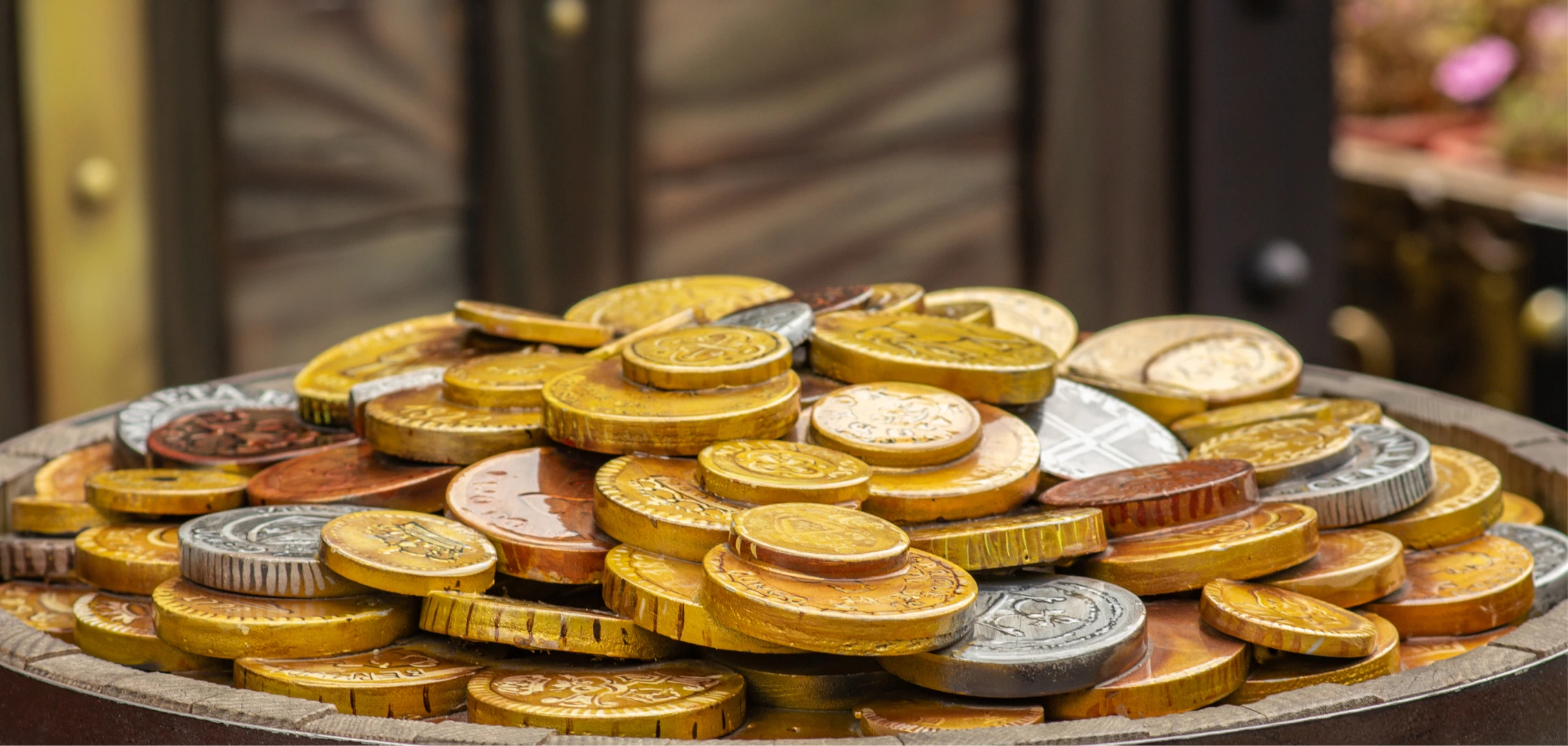
In Islam, the “Thousand Dinar Verse,” or Qur’an Surah At-Thalaq verses 2-3, has become a symbol of hope for sustenance and solutions to life’s difficulties. Many associate the virtue of this verse with Allah’s promise of ease for those who are pious.
According to Asrizal Mustofa, Lc., M.A., a lecturer in Al-Qur’an and Tafsir Studies at Universitas Muhammadiyah Surakarta (UMS), the term Thousand Dinar Verse is not found in classical tafsir sources, whether in the broader Islamic tradition or in Muhammadiyah tafsir.
“This term only became widely known from the late 20th century to the early 21st century through preachers’ lectures, motivational books, and community recitations,” Asrizal explained. This phenomenon is a product of cultural reception and social practice, not a designation from the early ulama (ulama salaf).
The verse is called the Thousand Dinar Verse because it discusses piety and the ease of sustenance. Socially, people linked its spiritual message with the concept of abundant sustenance, symbolized economically as “a thousand dinars”, a classical high-value Arab gold currency.
As Asrizal further explained, in Tafsir al-Ṭabari, this verse was revealed in relation to the story of the Prophet’s companion, ‘Auf bin Malik al-Asyja‘i, who lived in hardship after his child was captured by musyrik people. Rasulullah advised him to be patient and pious, assuring him that Allah would provide a way out.
Shortly after, ‘Auf’s son managed to escape, bringing with him a considerable amount of spoils. This event serves as tangible proof of Allah’s promise to those who are pious, as stated in the verse:
وَمَنْ يَّتَّقِ اللّٰهَ يَجْعَلْ لَّهٗ مَخْرَجًا ۙ ٢ وَّيَرْزُقْهُ مِنْ حَيْثُ لَا يَحْتَسِبُۗ وَمَنْ يَّتَوَكَّلْ عَلَى اللّٰهِ فَهُوَ حَسْبُهٗ ۗاِنَّ اللّٰهَ بَالِغُ اَمْرِهٖۗ قَدْ جَعَلَ اللّٰهُ لِكُلِّ شَيْءٍ قَدْرًا
Meaning: “Whoever fears Allah, He will make a way out for them and provide sustenance from sources they could never imagine.” (Q.S. At-Thalaq [65]: 2-3)
In Tafsir Ibn Katsir, the Thousand Dinar Verse is interpreted as a divine guarantee for anyone who abstains from prohibitions and follows Allah’s commands. Piety opens a path out of every difficulty, while trust in Allah (tawakal) brings sustenance from unexpected sources.
Asrizal added that the phrase “from sources they could never imagine” illustrates Allah’s power in creating means of provision beyond human logic. Sustenance may come in the form of ease of heart, inner peace, health, or sudden opportunities that arise without prior planning.
The meaning of the Thousand Dinar Verse extends far beyond material wealth. It teaches the relationship between piety, patience, and ease in life.
“The benefit or virtue of the Thousand Dinar Verse lies in its message: cultivating piety will bring a sense of sufficiency, inner peace, and ease in one’s endeavors, both in spiritual and socio-economic dimensions,” said Asrizal. There is no authentic hadith mandating that this verse be recited a certain number of times or at a specific time.
Asrizal explained that, in Tafsir at-Tanwir an important reference for Muhammadiyah thought, the excellence of the Thousand Dinar Verse is not measured by the frequency of recitation. Instead, it is assessed by its real impact on one’s life ethos and spirit of renewal. Reciting this verse serves as a reminder to act professionally, honestly, with discipline, and with integrity, which is the tangible expression of piety.
“Practicing the Thousand Dinar Verse should be a moment to strengthen a work ethic rooted in integrity,” he continued. Therefore, this verse is best understood as a spiritual encouragement to place full trust in Allah in every effort, accompanied by sincere effort and a productive work ethic.
Writer: Genis Dwi Gustati
Translator: Farizal Luqman Majid
Editor: Al Habiib Josy Asheva
Bank Indonesia has held its benchmark rate at 5.75 percent, ending speculation of a hike to 6 percent that had circulated in recent weeks.
Nothing’s more special than reading curated news just for you.
Subscribe to the UMS Newsletter for free today.