National and Regional SDG Policy Involvement
Active participation in regional and national SDG policy development has been a key focus of Universitas Muhammadiyah Surakarta (UMS). Through the establishment of the SDGs Center, the university collaborates with UNESCO-IHP, the Majelis Diktilitbang PP Muhammadiyah, and partner universities within the Solo Raya SDGs University Network. UMS also contributes to the Indonesia SDGs Center Network (ISCN) under the coordination of the National SDGs Secretariat at the Ministry of National Development Planning (PPN/Bappenas). These collaborations support the identification of challenges, alignment of strategies, and monitoring of regional SDG implementation, reinforcing UMS’s contribution to policy dialogue and coordination at both national and regional levels.
UMS Inaugurates SDGs Center to Achieve Sustainable Development Goals
SDG Cross-Sector Dialogues
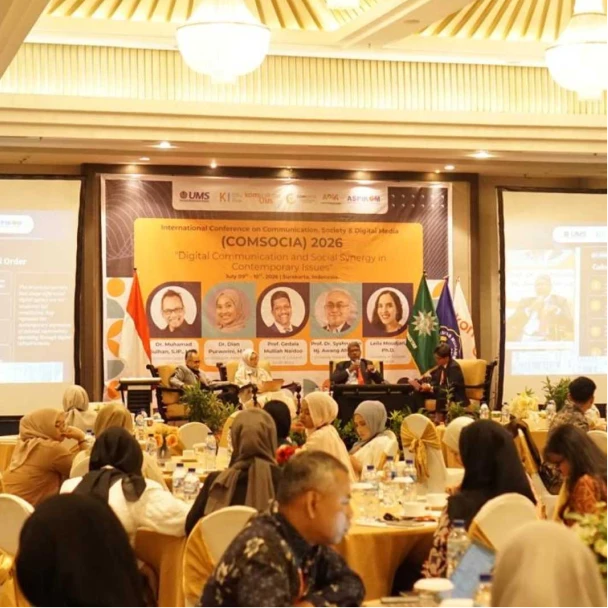
Cross-sector collaboration remains central to UMS’s approach to advancing the Sustainable Development Goals. The university convenes diverse stakeholders—government agencies, NGOs, academia, and industry—through forums and conferences that encourage dialogue and joint action on sustainability. Among these initiatives, the annual International Conference on Engineering, Technology, and Industrial Application (ICETIA) provides a platform for exchanging SDG-driven innovations and research. In 2024, the Talkshow on Sustainable Development Goals and the Launch of SDGs Center UMS further strengthened regional engagement, with participation from UNESCO-IHP and Muhammadiyah’s national research council. Such initiatives foster inclusive partnerships and generate collaborative pathways toward achieving the SDGs.
International Conference on Engineering, Technology, and Industrial Application
International Collaboration on SDGs Data Measurement
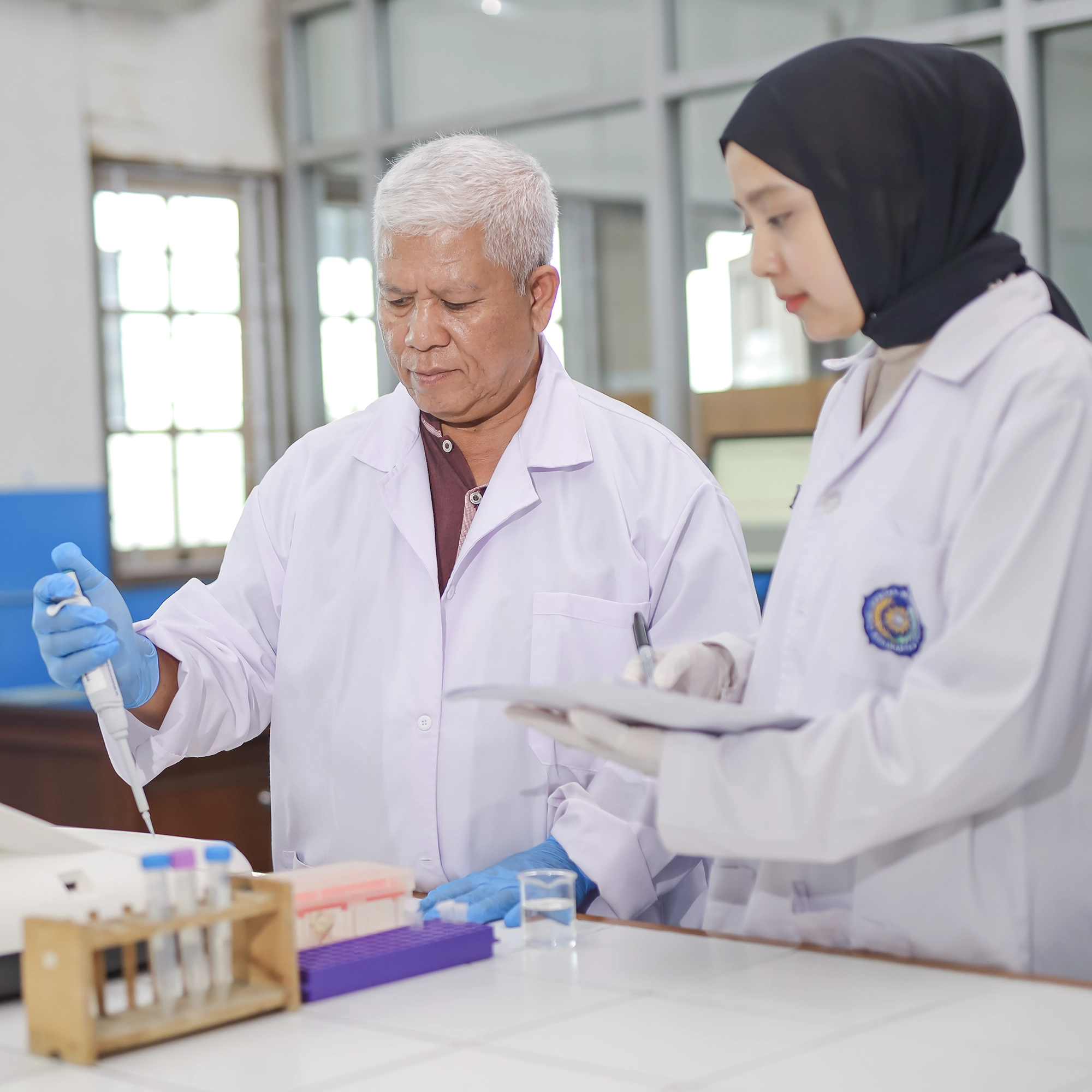
Contribution to SDGs data collection and reporting is carried out through UMS’s participation in the Central Java Province Annual SDGs Report, coordinated by the Regional Development Planning Agency (Bappeda) and aligned with the National SDGs Secretariat (Bappenas). In this collaboration, academic experts from the SDGs Center UMS provide analysis, validation, and recommendations for provincial SDG indicators that feed into Indonesia’s national and international reporting framework. The initiative strengthens data accuracy, supports evidence-based policy, and demonstrates UMS’s engagement in international SDG measurement efforts through the ISCN network.
UMS Inaugurates SDGs Center to Achieve Sustainable Development Goals
International Collaboration on SDG Best Practices
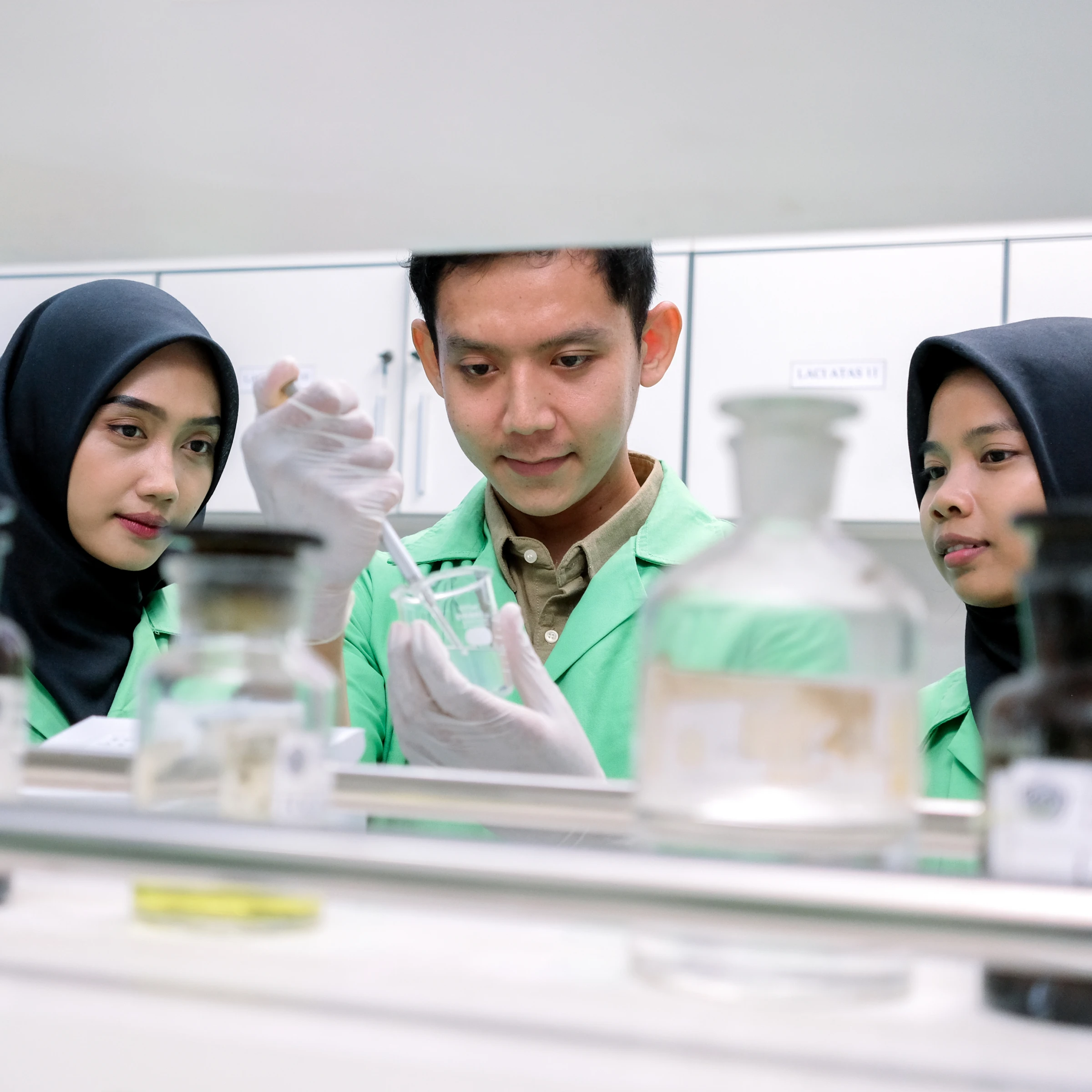
Collaborative research and academic exchange with international partners enable UMS to develop and share best practices in implementing the SDGs. Through partnerships with universities in Europe, the Middle East, and Asia, the university engages in comparative studies on sustainable infrastructure, clean energy, and climate resilience. Events such as the International Conference on Engineering, Technology, and Industrial Application (ICETIA) and cooperation with UNESCO-IHP foster dialogue and mutual learning that inform global standards for sustainable development. These initiatives illustrate UMS’s commitment to advancing international collaboration and aligning local action with global SDG frameworks.
FT UMS Successfully Hosts ICETIA & RAPI 2024
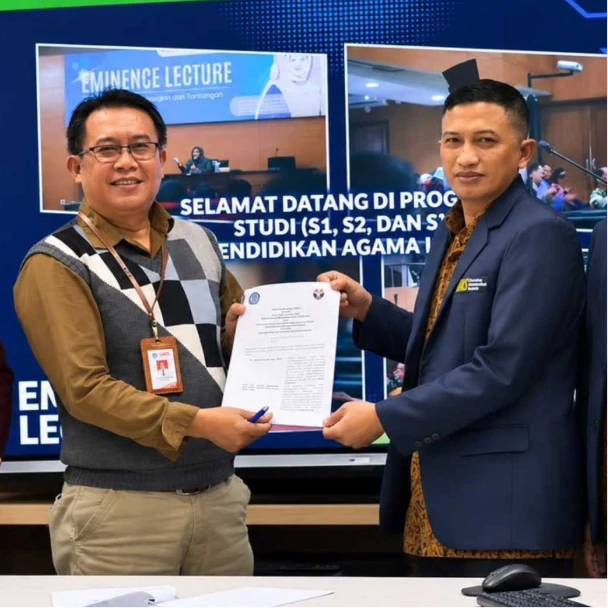
FKI UMS and Yonsei University Agree on Memorandum of Understanding and Research Collaboration
Collaboration with NGOs on SDG Initiatives
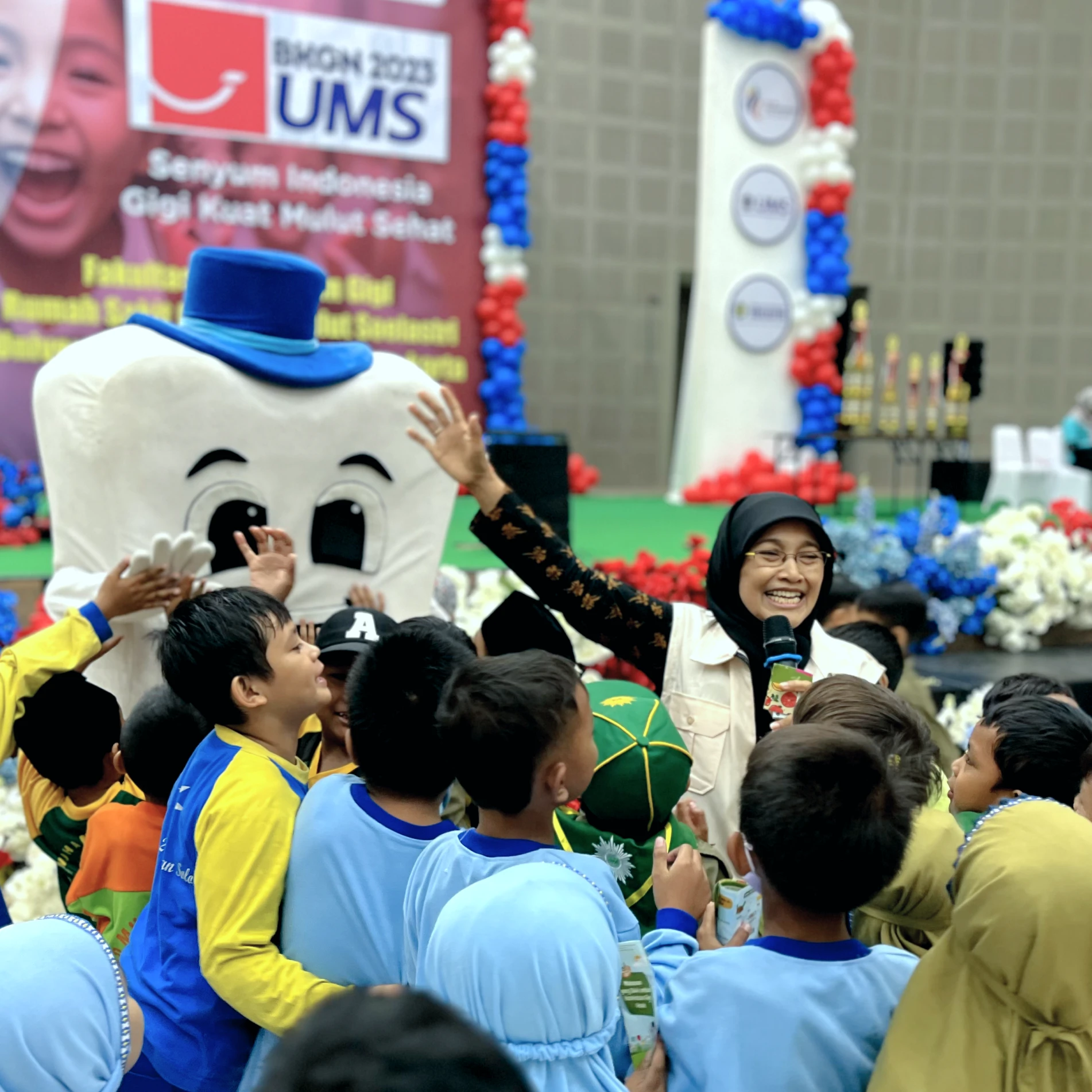
Partnerships with non-governmental organizations (NGOs) serve as a vital component of UMS’s contribution to the SDGs. In 2024, the SDGs Center and faculty teams worked with community-based NGOs to implement the School Heroes health education program and local sustainability empowerment projects. These collaborations integrate student volunteering, applied research, and educational resource development, creating hands-on opportunities for students and staff to engage with real-world sustainability challenges. By combining academic expertise and NGO networks, UMS amplifies its impact in advancing community-based solutions aligned with the Sustainable Development Goals.
UMS Forms Cooperation with Food Bank Bandung to Improve Nutrition Students’ Competence
SDGs Education Curriculum
A university-wide commitment to integrating the values and principles of the Sustainable Development Goals (SDGs) underpins all teaching and learning at Universitas Muhammadiyah Surakarta (UMS). This institutional approach ensures that sustainability education remains meaningful, relevant, and accessible to every student, regardless of their field of study. Through curriculum design, pedagogical strategies, and interdisciplinary learning, sustainability concepts are embedded across academic programs to foster awareness, critical thinking, and social responsibility. By positioning the SDGs as a central foundation of its educational philosophy, UMS strengthens its role in preparing graduates to address complex global challenges.
SDG Courses
Integration of sustainability into higher education at UMS is reinforced by the establishment of dedicated courses and degree programs focused on the Sustainable Development Goals (SDGs). These offerings include full academic programs and elective modules that directly address sustainability themes such as clean energy, sustainable infrastructure, and environmental management. Designed to bridge environmental, social, and economic dimensions, these courses ensure that students gain both theoretical understanding and practical competencies in sustainable development. Through this academic structure, UMS empowers its graduates to actively contribute to advancing the SDGs within their professional and community contexts.
SDG Outreach
Educational outreach extends beyond the campus through programs targeting alumni, local residents, and displaced communities. Through workshops, public lectures, and lifelong learning initiatives, the university delivers education that promotes inclusivity and community resilience. These outreach activities strengthen the university’s role as a learning hub for sustainable development and support wider access to SDG-related knowledge and skills.
Pondok Shabran UMS Sends Student Scholars for Community Service to Cambodia Again
UMS Strengthens Partnership with PT Astra Honda Motor
UMS Welcomes 44 Participants of PMM4 2024, Introduces UMS and Surakarta
Development of Student Sustainability Literacy Assessment
Efforts are underway to establish a structured mechanism for measuring students’ sustainability literacy. The SDGs Center UMS is developing a survey-based assessment to evaluate students’ understanding and attitudes toward the Sustainable Development Goals. The pilot phase involves integrating sustainability awareness questions into student orientation and workshops, serving as a foundation for broader implementation across faculties. This initiative will provide valuable insights into student learning outcomes and guide continuous improvement in sustainability education.
SDG Report
Each step we take is guided by a mission to make Earth a more livable planet. UMS has distilled these missions into a concise, impactful report—a kaleidoscope of sustainability efforts done by the entire UMS community.
Study Centers
Campus Initiatives for SDG 17

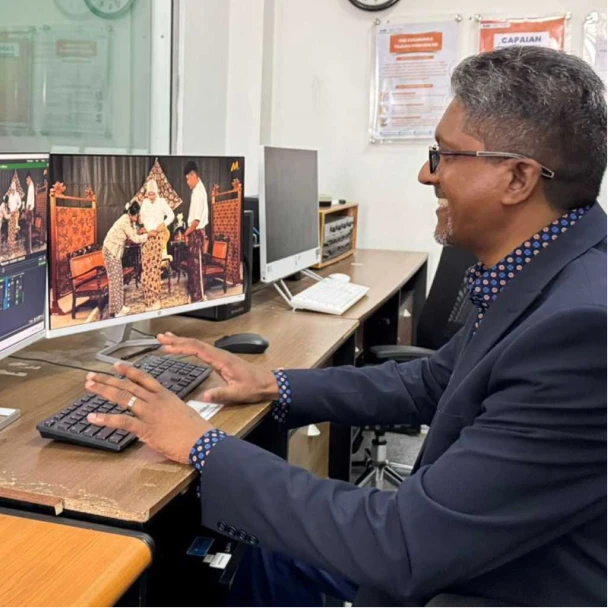
Communication Studies Program of FKI UMS Strengthens International Cooperation with the University of Zululand, South Africa
The cooperation focuses on educational collaboration, research, faculty and student exchange, short courses, curriculum benchmarking, academic innovation, COIL, and the joint organization of international conferences.

Communication Studies Program of FKI UMS Strengthens International Cooperation with the University of Zululand, South Africa
The cooperation focuses on educational collaboration, research, faculty and student exchange, short courses, curriculum benchmarking, academic innovation, COIL, and the joint organization of international conferences.