





How Sheep Manure Turns into Nutrient Rich Fertilizer
16 July 2026
Sheep dunged nutrient-rich organic fertilizer for plants, made with the help of maggots. Built on community empowerment and a zero-waste principle.



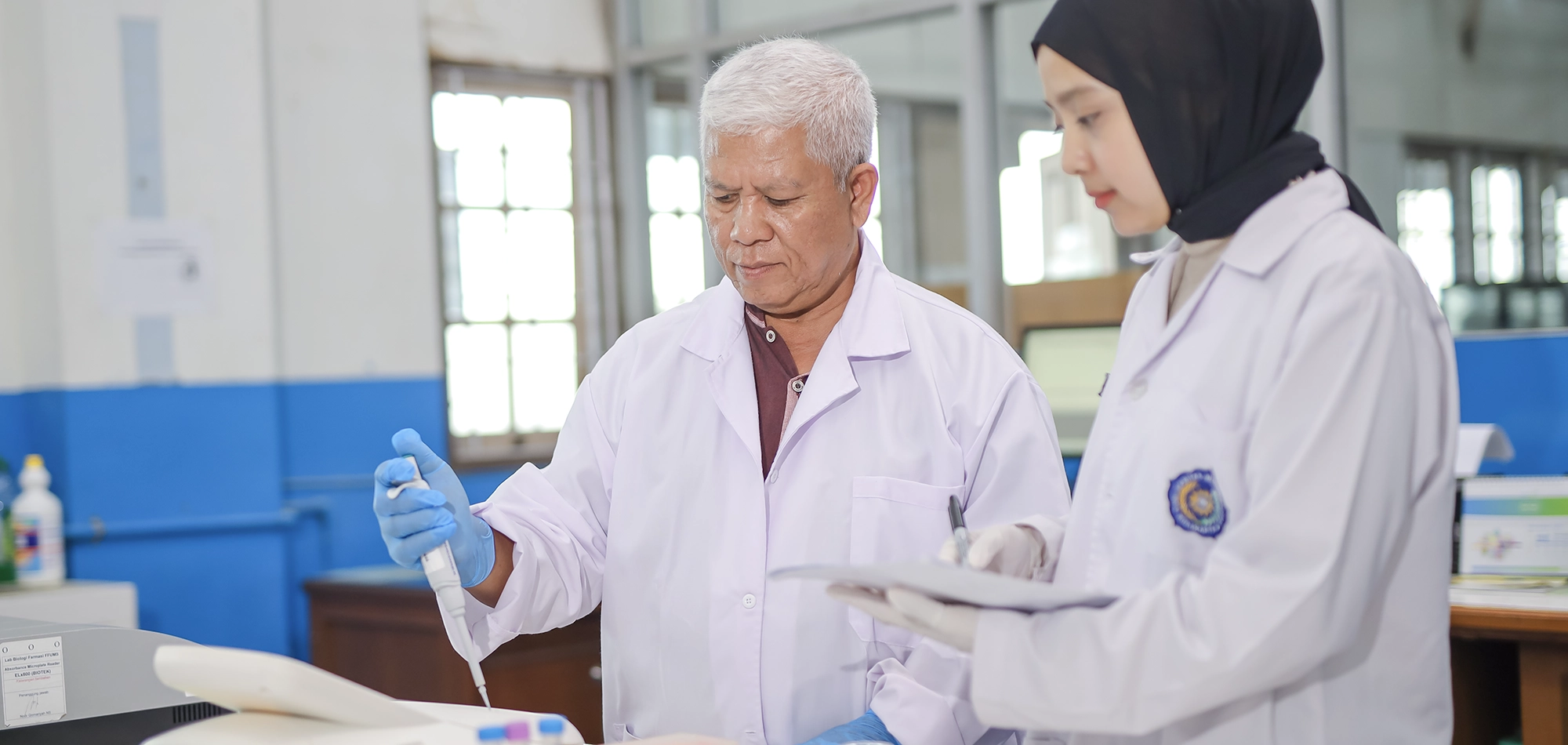

Halal audit plays a crucial role in strengthening the halal certification process by improving the skills and knowledge of halal auditors and fostering the development of specialized laboratories equipped to analyze food samples for halal compliance.
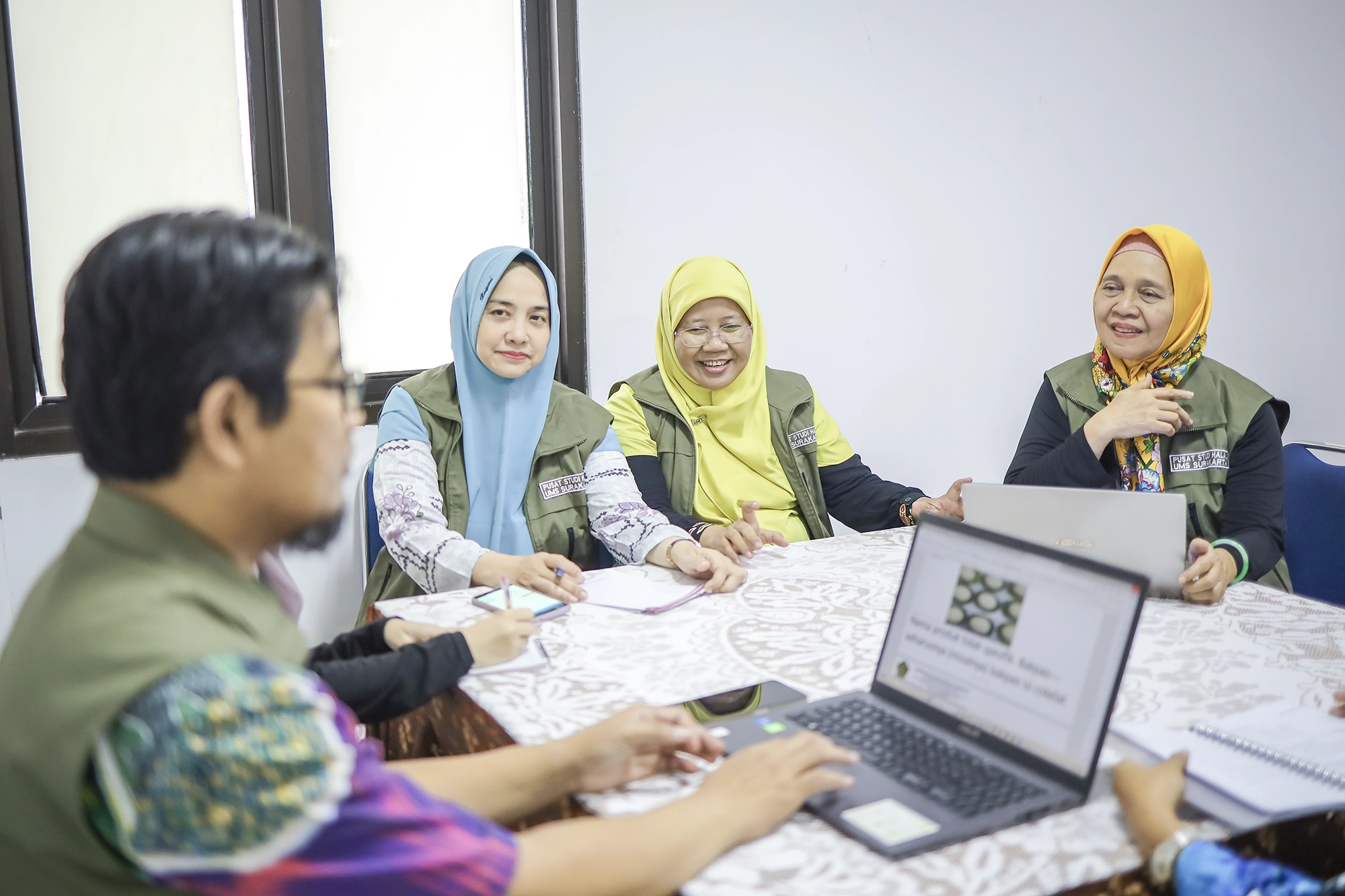
Committed to empowering Greater Solo MSMEs, the Center for Halal Studies provides guidance and support throughout the halal certification journey, with audits conducted by competent and trained professionals.
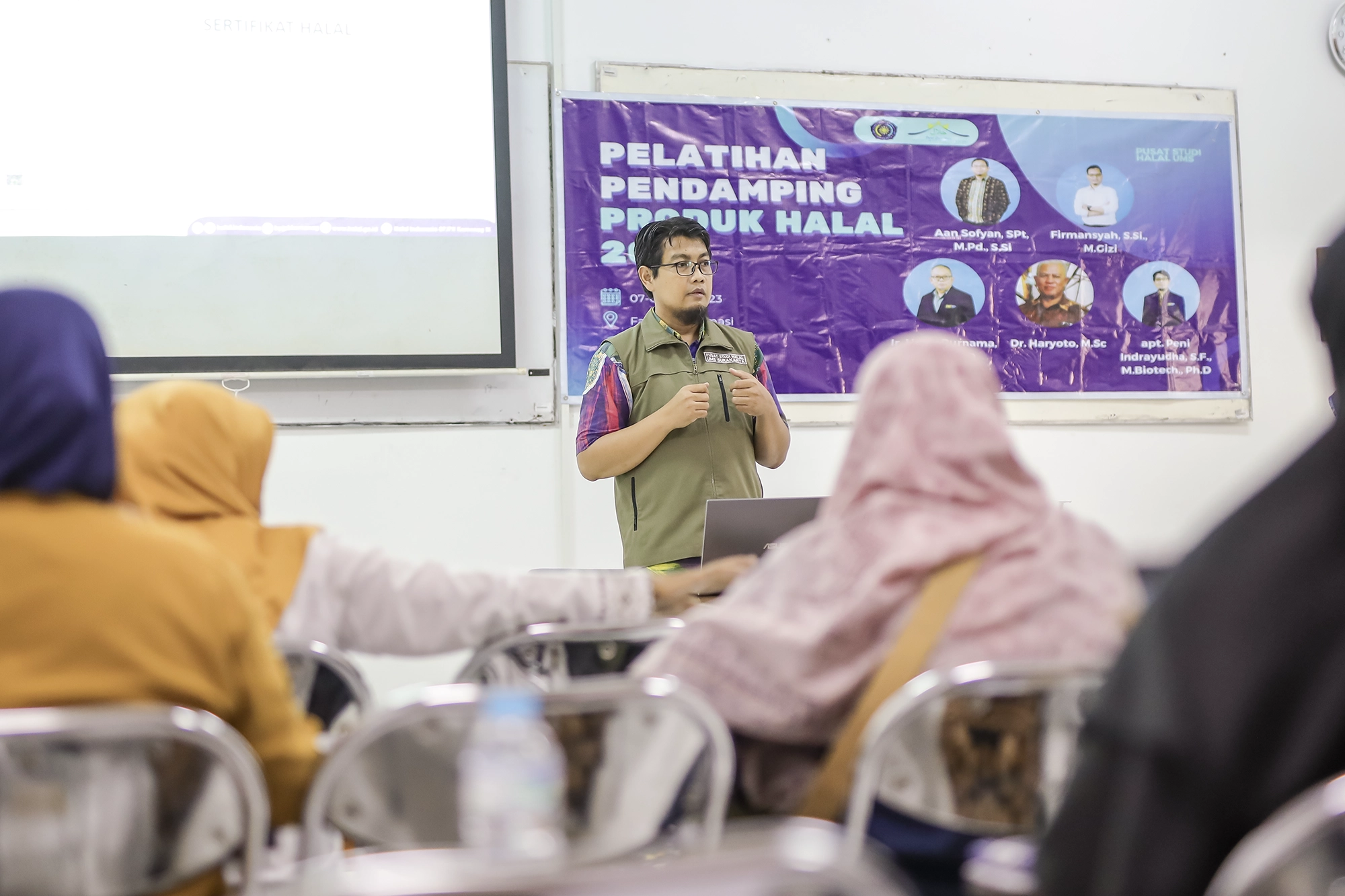
The Center for Halal Studies remains dedicated to ongoing research and analysis of halal components in products.
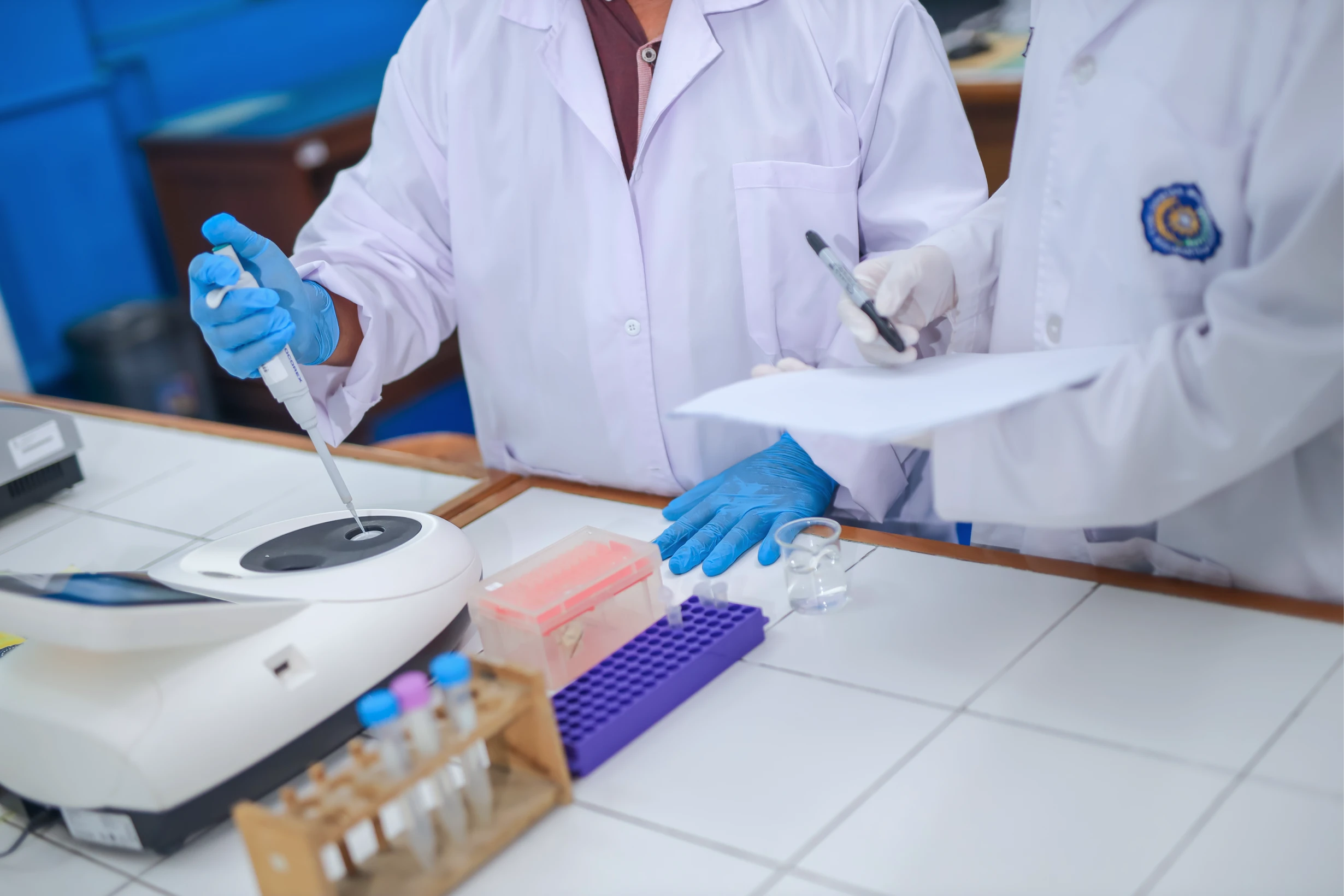
Beyond its commitment to scientific research, the Center for Halal Studies actively engages with the community, offering education and guidance on halal products and the halal certification process. Notably, UMS has assisted over 500 MSMEs in successfully obtaining halal certificates.
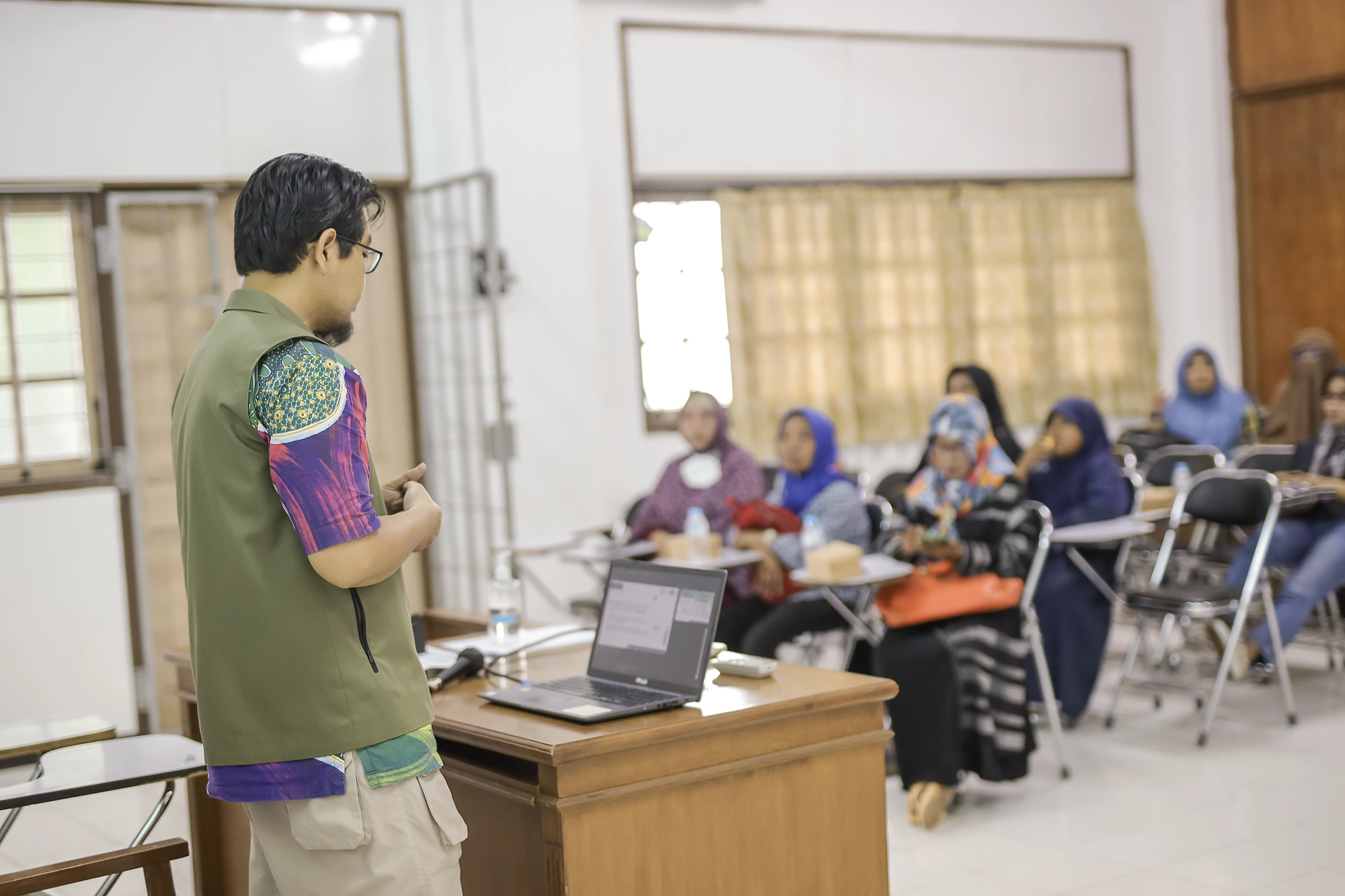
Center for Halal Studies’ Juleha program educates the community on halal slaughter practices and aims to establish certified halal slaughterhouses.
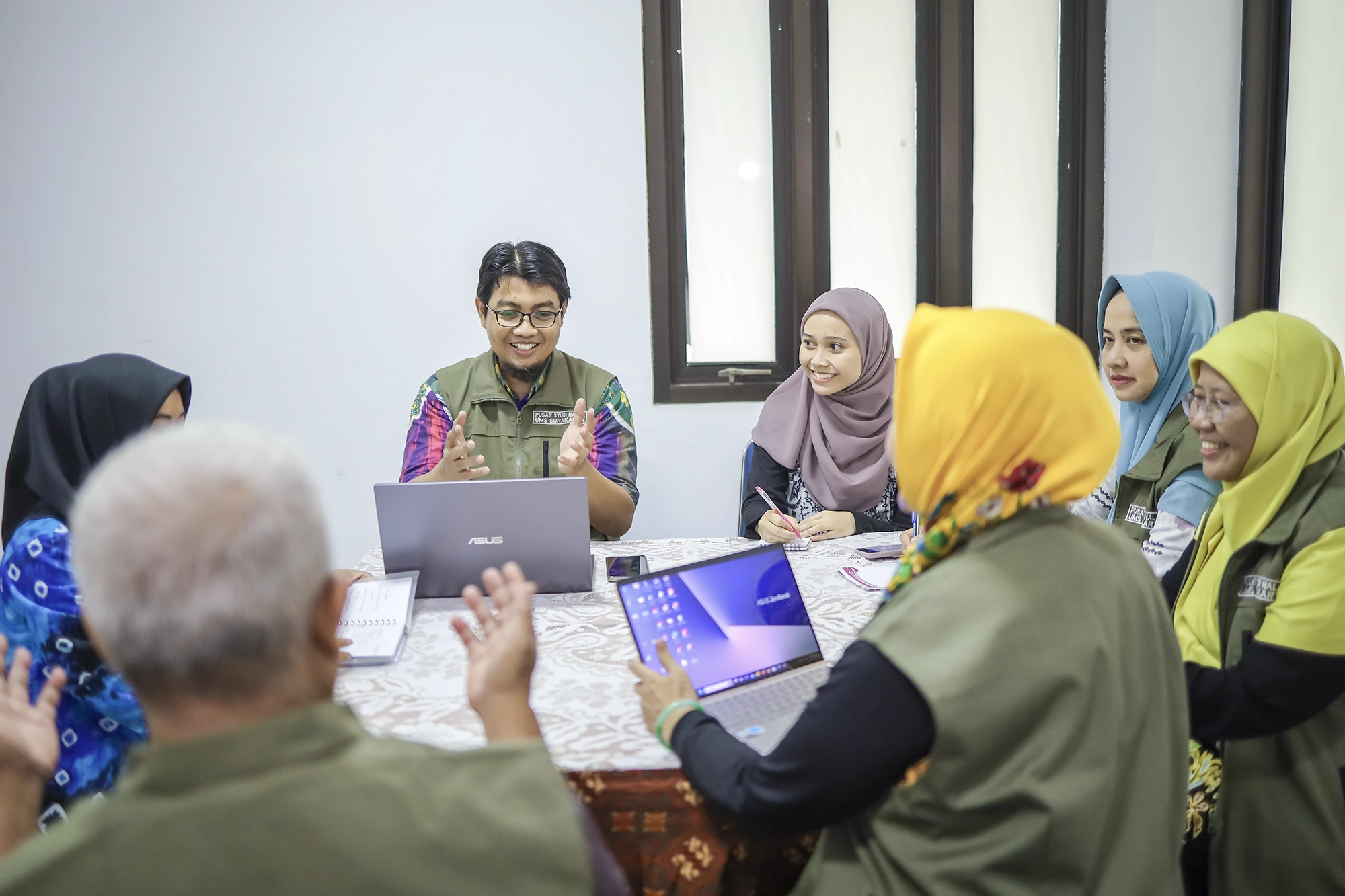
Center for Halal Studies houses a dedicated online journal, “Halal in South East Asia,” serving as the primary platform for publishing our research team's findings.
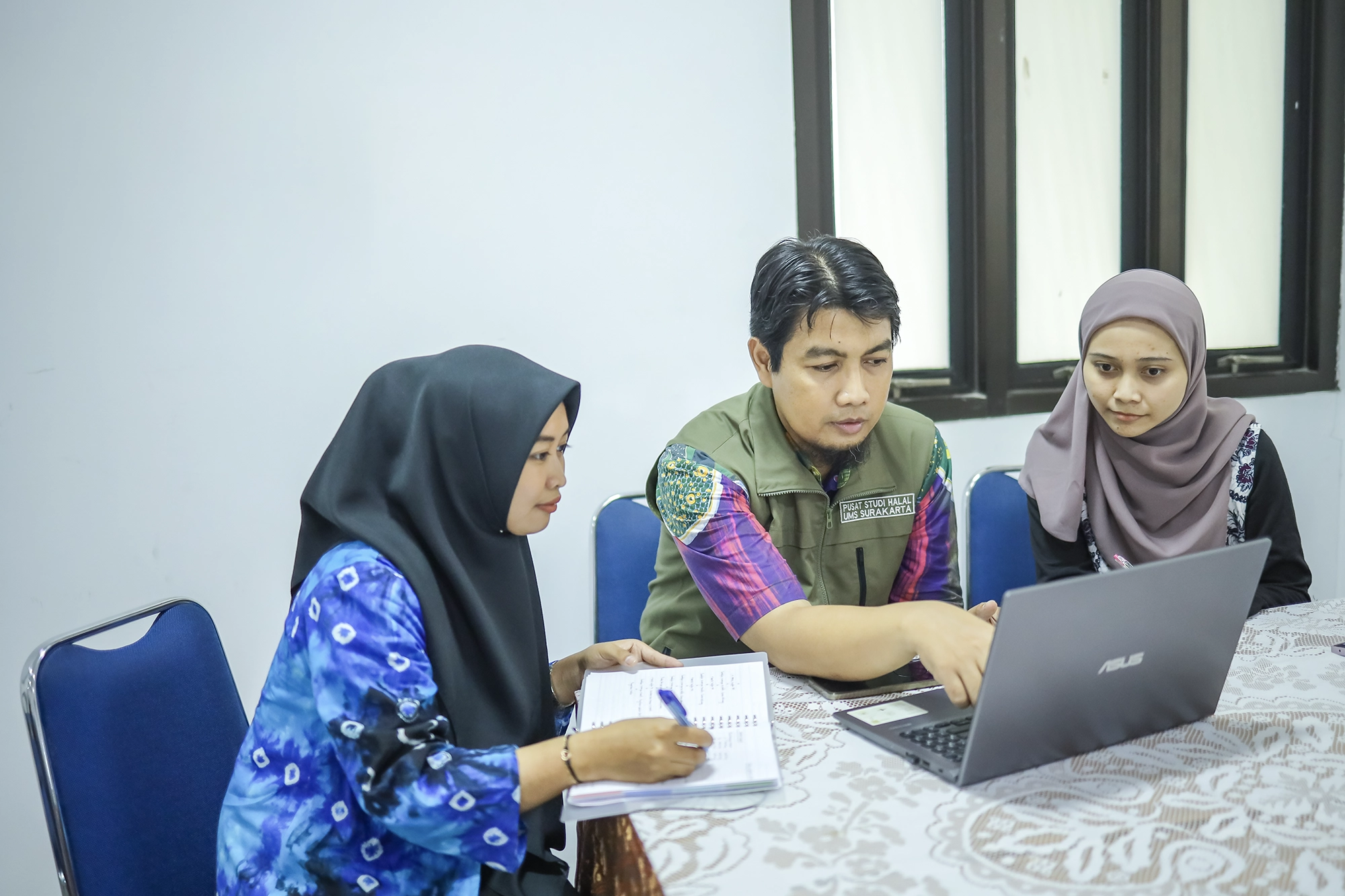
We actively collaborate with relevant government agencies and departments to realize a robust halal assurance system for Indonesian consumers. Our collaborative efforts encompass various initiatives:
As a research-oriented study center, we proactively disseminate our findings through various channels.
Alongside traditional research publications, we also use news portals to share our work.
 Food Chemistry Laboratory
The Food Chemistry Laboratory analyzes the chemical content of food to ensure its compliance with halal and thayyiban standards.
 Food Technology Laboratory
The Center for Halal Studies also boasts a Food Technology Laboratory equipped with advanced technology to identify and analyze ingredients within food products.
 Halal Detection Device
Equipped with advanced technologies like FTIR, Spectrophotometry, PCR, RT-PCR, GC-MS, and LC-MS, Center for Halal Studies is well-equipped to detect and analyze halal compliance.
Sheep dunged nutrient-rich organic fertilizer for plants, made with the help of maggots. Built on community empowerment and a zero-waste principle.