
Bank Indonesia Holds Interest Rate at 5.75%, What Is the Impact?
24 July 2026
Bank Indonesia has held its benchmark rate at 5.75 percent, ending speculation of a hike to 6 percent that had circulated in recent weeks.

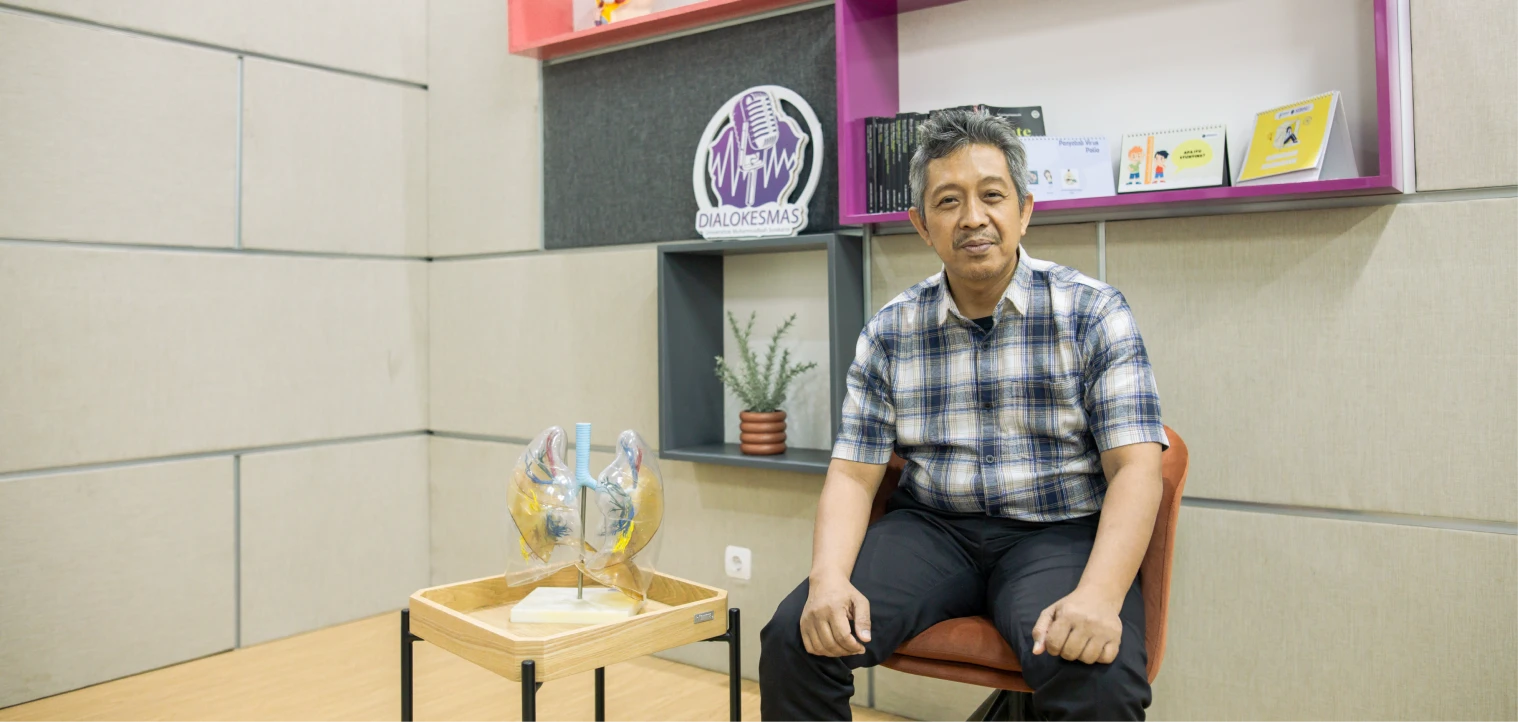
Driven by a passion for lung health since 1996, Noor Alis Setiyadi has made significant strides in the field. While pursuing his Master’s in Public Health at the Universitas Indonesia in 2009 the man known as Noor Alis, continued to dedicate his expertise to combatting this disease.
Tuberculosis, also known as TB, is a bacterial infection caused by Mycobacterium tuberculosis that primarily targets the lungs. However, it can target other organs like the brain, kidneys, and bones. Treatment for lung-related TB usually lasts six months.
In 2010, Noor Alis and a colleague discussed the idea of computerizing tuberculosis data, back then it was called ST2TB (Tuberculosis Reporting and Recording System). This discussion sparked his thesis project, where the Lecturer in Public Health at Universitas Muhammadiyah Surakarta (UMS) developed a web-based Geographic Information System (GIS) to monitor and track tuberculosis cases.
GIS is a system that integrates data with geographic maps of an area. This system enables users to obtain accurate data that reflects real conditions. Alis uses this system to help stakeholders making data-driven policies
After earning his master’s degree, his desire to develop his innovation remained strong. In 2018, he collaborated with Maryani Setyowati, a researcher from Universitas Dian Nuswantoro Semarang, to update his research.
“Mrs. Maryani was the team leader at that time because I was studying for my doctoral degree and could not lead a research team until I graduated,” he explained. Together, they drafted a proposal to apply for a research grant.
In his proposal, the Kudus-born researcher aimed to pilot his model in the Sukoharjo Regency. This choice was strategic, as Alis recalled in a 2018 forum involving the Central Java Provincial Health Department and various District Health Department across Central Java, the Sukoharjo Regency was ranked third lowest in tuberculosis case detection in the province.
At that time, only 604 out of an estimated 1,721 tuberculosis cases were identified in Sukoharjo. As the chairman of the Sukoharjo branch of the Indonesian Association of Public Health Experts (IAKMI), Alis saw this discrepancy as a pressing issue and a research opportunity. The problem statement was: why were the actual case findings significantly lower compared to the estimated number of cases in Sukoharjo?
“Is that the actual number of cases? And what is the basis of the data if those are the only reported cases?” he questioned. These unanswered questions further fueled his determination to support and improve the tuberculosis program in Sukoharjo.
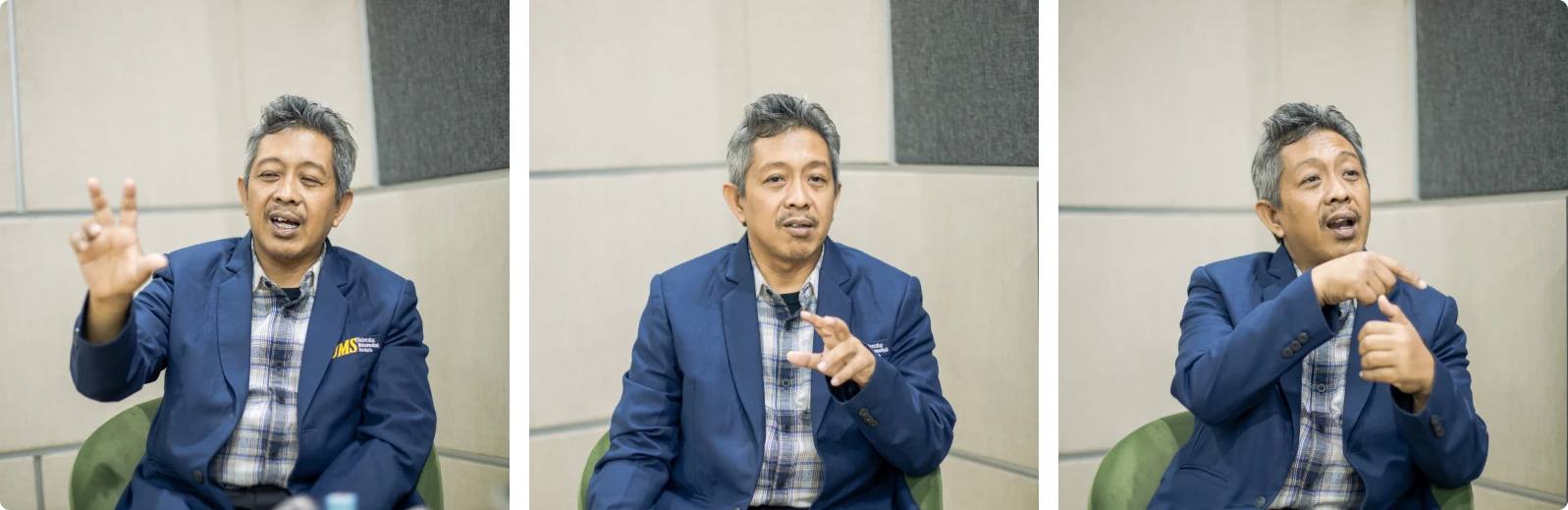
A year after submitting his proposal, the 47-year-old successfully secured a research grant from the Research and Development Center of the Ministry of Health, amounting to Rp230 million with a two-year contract. This grant enabled Noor Alis to develop his prototype further into a tuberculosis information system for use by relevant stakeholders.
“In areas with no prior history of tuberculosis cases, the priority of an effective and efficient program should be proactive health promotion, rather than treatment or case finding” emphasized the Vice Dean III of the Faculty of Health Sciences at Universitas Muhammadiyah Surakarta (UMS).
This emphasized the critical need for a GIS to accurately map the distribution of tuberculosis cases in Sukoharjo. By mapping cases area-by-area basis, policymakers can make informed decisions based on real-world data, ensuring that budget allocations are well-distributed.
Noor Alis stressed the importance of allocating tuberculosis budgets based on data-driven program requirements, specific to each area rather than uniformly across all villages.
“For example, village A and village B each receive a TB control budget of X rupiah. However, village A has a confirmed tuberculosis case, while village B has never had a case. Village A requires a larger budget allocation for treatment because villages with recorded cases need more budget to cure the disease,” explained the Vice Chair of IAKMI Central Java. He added that villages with tuberculosis cases need a promotive and curative approach .
He then presented his research to the Sukoharjo District Health Office (DHO). There are two key advantages, namely the ease of implementation because the prototype were already complete and ready for immediate use by the DHO and it represents a novel innovation for the Sukoharjo Health Office.
As they say, plant seeds and harvest crops. The Sukoharjo Health Office embraced Alis’s innovative idea, and his tuberculosis information system was officially launched in 2021.
The website became a vital information channel and database on tuberculosis, featuring graphical data and a map of tuberculosis distribution across all villages in Sukoharjo.
In Sukoharjo district, each level of the health department has access to different information through the system. The Sukoharjo District Health Office can monitor all villages in the district, while the puskesmas (community health centers) can only access information relevant to their respective service areas. If a village reports tuberculosis cases, the District Health Office can direct the local puskesmas to prioritize resources toward the impacted village.
This approach differs from puskesmas, which only have access to data from villages within their sub-districts. This tiered access system allows respective departments to focus on its specific responsibilities and work more efficiently within its designated areas.
At the village level, access is granted to a village coordinator responsible for collecting essential data on the ground and inputting it into the tuberculosis information system. The collected data includes the patient’s identity, family information, home address and coordinates, the health status of all household members, and photographs of the house itself.
While the website can be found through search engines, data access is limited. Only authorized personnel from the Sukoharjo Health Office, health centers, and designated village coordinators can access the information system.
Three years after its launch, the Sukoharjo District TB Information System has effectively recorded crucial data, including the number of new tuberculosis cases, patients currently undergoing treatment, those who have recovered, and those who have succumbed to the disease.
Noor Alis and his colleague copyrighted their innovative system. “The greatest reward for us is seeing our work being utilized by the health department. We are thrilled that our research is recognized as an innovation by the health department,” expressed the reviewer of several international journals.
However, the UMS Public Health lecturer’s work did not stop there. In 2022, he designed a similar information system for drug-resistant tuberculosis (DR-TB), a growing concern that requires urgent attention, especially after the recent surge following the COVID-19 pandemic.
Drug-resistant tuberculosis (DR-TB) is a different kind of tuberculosis that does not respond to standard medications due to interrupted or incomplete treatment of the initial tuberculosis infection. Patients often require up to 24 months of specialized medication.
“Patients have to take 5-7 pills every day, and the side effects of these medications can significantly impact their health,” added the doctor, who holds a Doctor of Public Health degree from Khon Kaen University in Thailand.
Armed with a grant of Rp36 million from UMS, Noor Alis completed the DR-TB research within one year. He collaborated with two colleagues, Yenni Indriyani, M.P.H., and Ekha Rifki Fauzi, S.K.M., M.P.H.
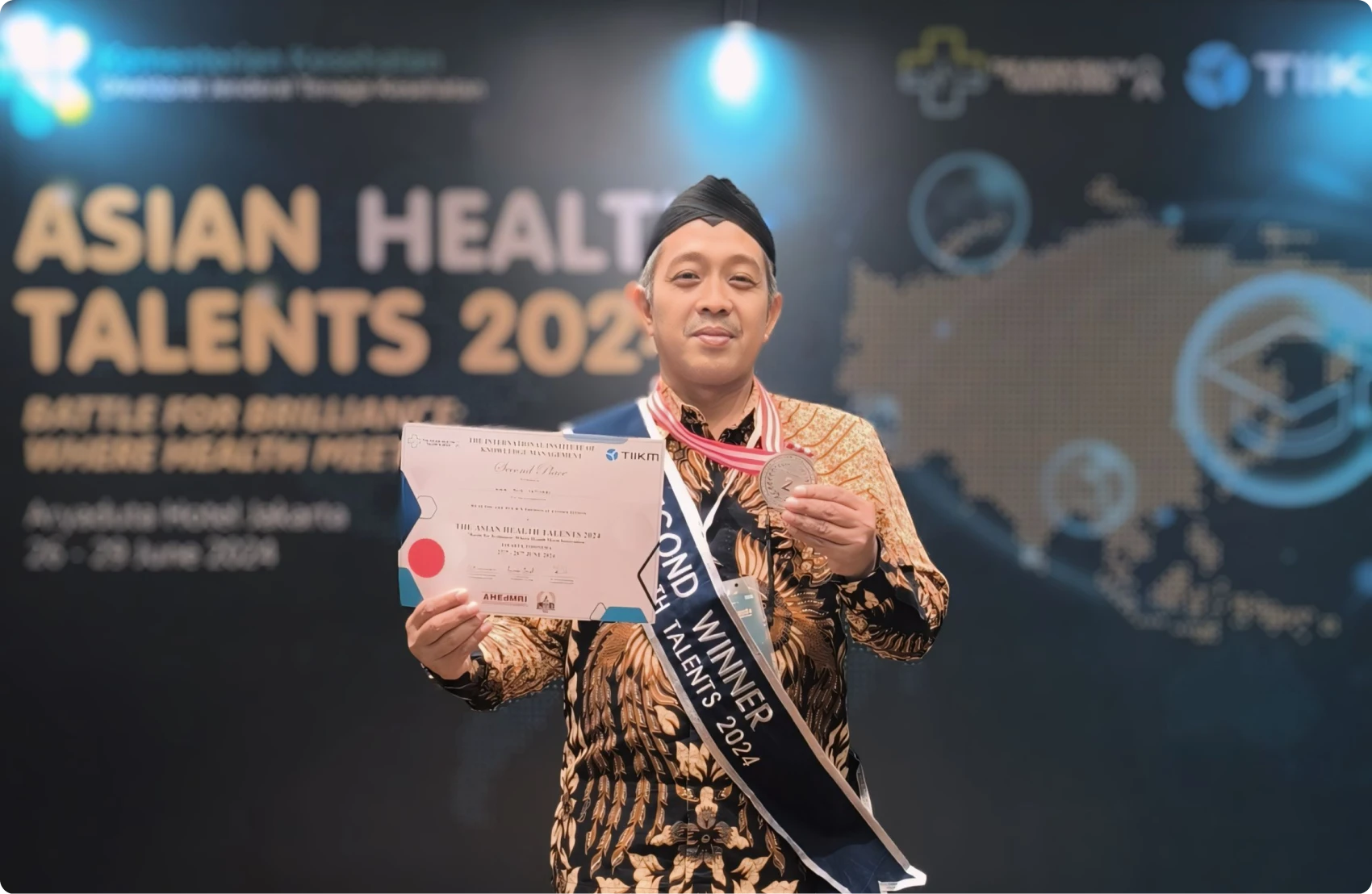
Noor Alis poses for a photo after winning second place in The Asian Health Talents 2024, Sunday (28/6/2024). special doc.
Thanks to his experience in tuberculosis control programs, Noor Alis confidently presented his research, “Drug-Resistant Tuberculosis Surveillance System: Village-based Control Program,” at the Asian Health Talents 2024 conference in Jakarta.
The competition, held from June 26-28, 2024, served as a platform for showcasing expertise in health, technology, and innovation. Noor Alis and his team achieved a remarkable second-place victory in the Healthcare Policy Proposal Competition category.
Born in Kudus, Central Java, on July 22, 1976, Noor Alis grew up in a modest family. His parents were grocery merchants at the local market. During childhood, the family relocated to Gajah Village in Demak, Central Java, where Noor Alis completed his elementary and secondary education.
The eldest of seven children, Noor Alis, moved to Solo to continue his education at MTs Pondok Pesantren Assalaam Sukoharjo and Madrasah Aliyah Al-Islam Jamsaren Surakarta.
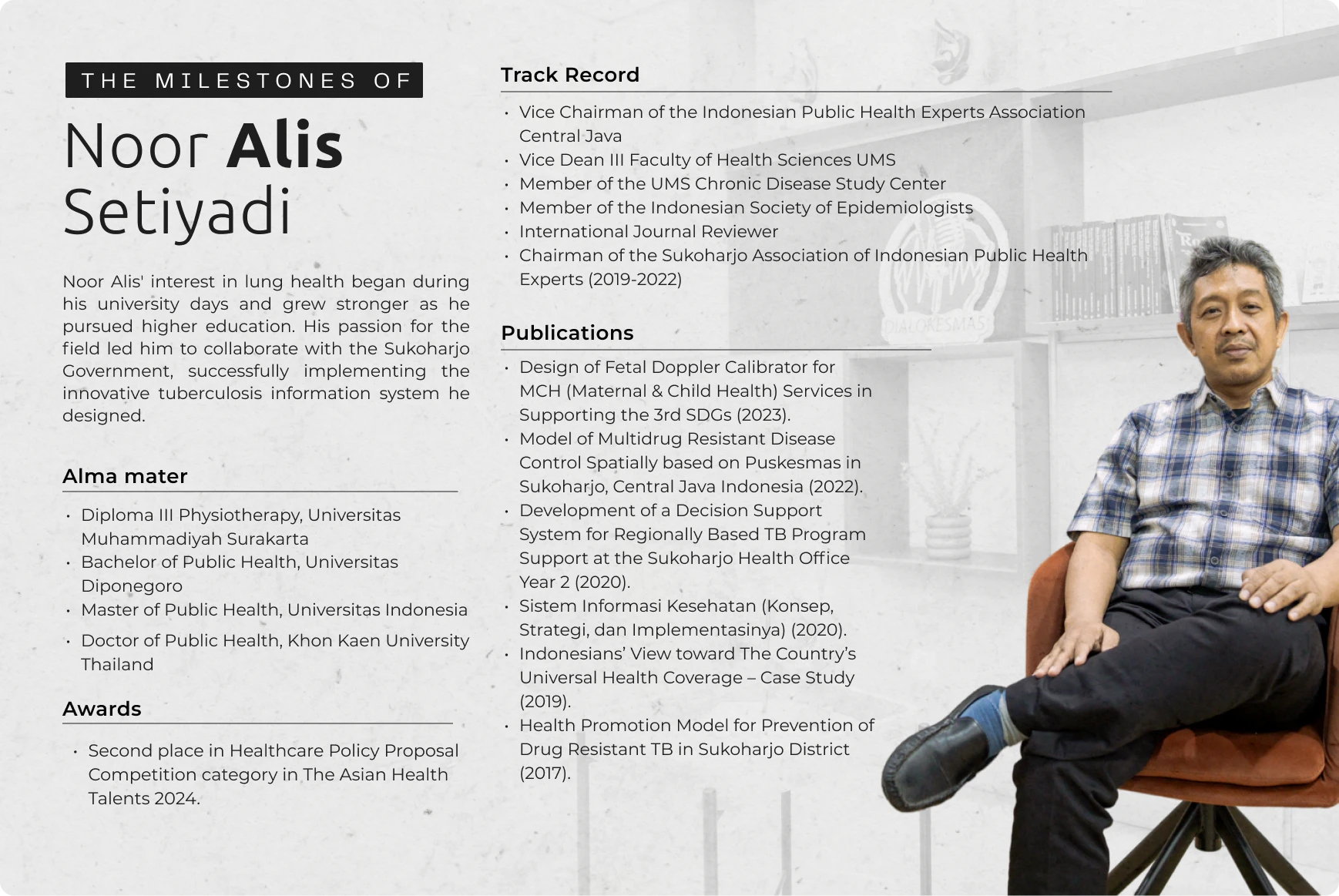
In mid-1994, Noor Alis embarked on his higher education journey. He enrolled in the Diploma III Physiotherapy program at UMS and successfully graduated in 1997.
Driven by a thirst for knowledge, Noor Alis pursued a Bachelor’s degree in Public Health at Universitas Diponegoro Semarang in 2000. He graduated in 2002, specializing in Biostatistics and Population Science.
In 2006, a lecturing position opened at UMS, and Noor Alis eagerly applied. He successfully passed the selection process and joined UMS as a lecturer. “Back then, as a new lecturer, there was a strong emphasis on community services,” he recalled.
Despite his demanding schedule as a lecturer, he pursued a Master’s in Public Health at the Universitas Indonesia in 2009, specializing in Health Informatics. This academic pursuit inspired the development of his groundbreaking tuberculosis information system, which became the focus of his thesis.
Good news came when Noor Alis was finishing his thesis. He was appointed as a permanent lecturer at UMS in 2010. He then completed his master's study in 2011.
Noor Alis’ contributions as a public health expert extend beyond the classroom. He actively engaged in community service, presented his research at scientific seminars, and participated in various organizations outside campus.
In 2013, Noor Alis and his fellow public health experts teamed up to establish the Sukoharjo branch of the Indonesian Association of Public Health Experts (IAKMI). “I invited my colleagues to support the establishment of the Sukoharjo branch of IAKMI,” he said. A year later, he was elected Chairman of IAKMI Sukoharjo and served for two terms.
Two years later, he pursued his doctorate at the Department of Public Health at Khon Kaen University in Thailand. Despite his busy study schedule, Noor Alis remained committed to tuberculosis research, presenting at international conferences.
Noor Alis' expertise was sought after at Hue University of Medicine and Pharmacy in Hue City, Vietnam. He presented his research on "Smear-positive Tuberculosis in Indonesia: A Descriptive Study" at the 7th International Conference on Public Health among the Greater Mekong Sub-Regional Countries.
He proposed implementing a Web GIS-based tuberculosis surveillance model in Sukoharjo District in 2018. To further enrich his knowledge about tuberculosis, Noor Alis also participated in the Australia Award "Tuberculosis Short-course Program" organized by Australian Aid.
In 2019, Noor Alis earned his doctorate after completing his dissertation titled "Multidrug Resistant Tuberculosis and Risk Factors in Indonesia." That same year, his proposal to develop a Web GIS-based tuberculosis surveillance model in Sukoharjo District was awarded funding through the Iptekkes Grant by the Ministry of Health.
After returning to Indonesia in 2019, Noor Alis joined the Indonesian Epidemiologist Association and, in the same year, the Association of Indonesian Public Health Promoters and Educators (PPPKMI) in Surakarta City.
In addition to his research, Noor Alis co-authored the book “Indonesians’ View toward The Country’s Universal Health Coverage - Case Study” with Assoc. Prof. Prathurng Hongsranagon, Ph.D., M.P.H. from Chulalongkorn University, Thailand. “This book examines the perspectives of the general public and NGOs (Non-Governmental Organizations) on BPJS Health (Social Security Administrator for Health) services,” he explained.
Noor Alis, leveraging his experience managing IAKMI Sukoharjo, was appointed Deputy Chair of IAKMI Central Java in 2020, a position he still holds today. He also published the book “Health Information System (Concept, Strategy, and Implementation)”. He continued his research to bring his vision of a tuberculosis information system in Sukoharjo Regency to fruition, successfully launching it a year later.
His passion lies in research and applying his expertise, particularly in tuberculosis and disease control programs. Throughout his career at UMS, he has focused his teaching on public health science, health information management, health behavior, and health policy.
His dedication to research has been rewarded with Intellectual Property Rights (IPR) for several of his research. These include the “TB Online Surveillance Information Portal (SISO-TB)” in 2019, followed by the “Decision Support Information System for Suspect Screening and Village Area-based TB Monitoring” in 2020. In 2021, he obtained a patent for his research on the “Covid-19 Virus Screening Instrument With Ultraviolet Electronic Nose Internet Of Things (UV Enose-IoT) Technology.”
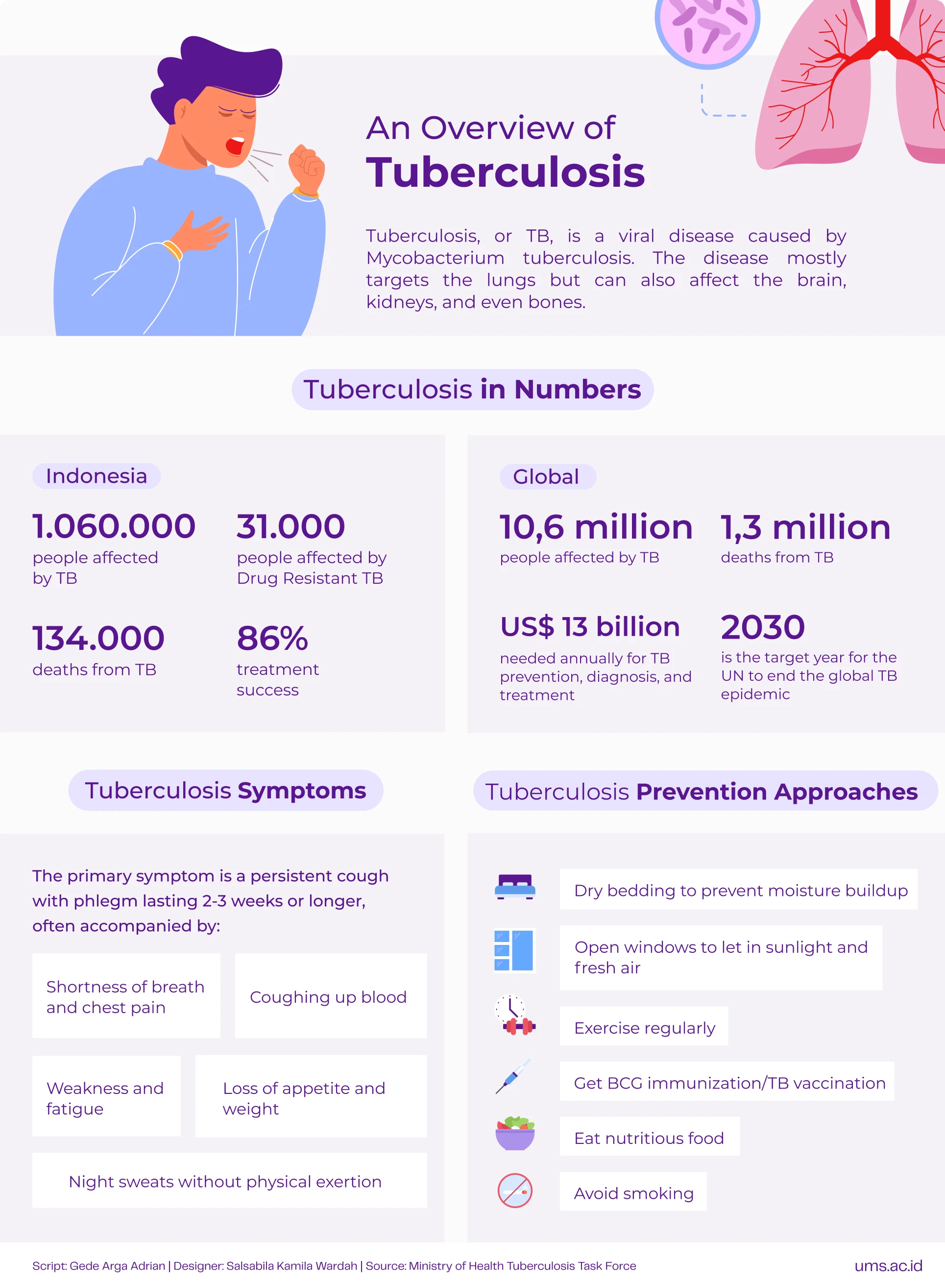
Noor Alis views tuberculosis cases in Indonesia as a serious concern. According to the World Health Organization (WHO) in 2023, Indonesia accounts for 10% of global tuberculosis cases, ranking second after India.
The Ministry of Health recorded over 724,000 new tuberculosis cases in 2022. This number increased to 809,000 cases in 2023.
Noor Alis expressed concern over the rising cases of TB. This not only negatively impacts public health but also increases healthcare costs, potentially leading to a double burden on the healthcare system.
“Every person infected with tuberculosis requires a budget of Rp5.4 million from onset to recovery. If it’s drug-resistant tuberculosis, the country must allocate Rp222.36 million, which is 42 times higher than drug-susceptible tuberculosis,” explained Noor Alis.
Indonesia, he continued, faces two challenges in eradicating tuberculosis. The first challenge comes from tuberculosis patients who are reluctant to seek medical care at nearby health facilities. These patients have the potential to spread TB bacteria to those around them, including family and neighbors.
Another significant challenge is ensuring that tuberculosis patients adhere to the prescribed treatment regimen and medication schedule. If patients fail to complete their treatment, the risk of developing drug-resistant tuberculosis increases significantly.
The third challenge is the social stigma surrounding tuberculosis. A 2022 report by the Tuberculosis Task Force of the Ministry of Health revealed a pervasive stigma that tuberculosis is considered a repulsive disease.
Some tuberculosis patients shared their experiences of being ostracized by friends after disclosing their diagnosis. This stigma extends into communities, where individuals express reluctance to have tuberculosis patients living nearby. Some respondents even reported being shunned by healthcare workers due to their illness.
The stigma surrounding tuberculosis adds to the suffering of those affected by the disease. In some cases, individuals reported being rejected by family members, facing divorce, and even losing their jobs.
“I once encountered a case of a young man in his 20s. During our interview, he revealed that he was forced to quit his job as a shop assistant immediately after his diagnosis. This is not right, he could have been reassigned to another department until he completed his treatment and was declared cured,” explained Noor Alis.
The Indonesian government has demonstrated a strong commitment to eliminating tuberculosis by 2030, as outlined in Presidential Regulation Number 67 of 2021 on Tuberculosis Control. The goal is to reduce the number of tuberculosis to 65 cases per 100,000 population and lower the mortality rate to 6 deaths per 100,000 population.
Noor Alis suggests several steps that the community can take to contribute to tuberculosis prevention. First, increasing literacy about tuberculosis is crucial. This includes understanding its symptoms, treatment options, and transmission risks. By being informed, the community can take proactive measures to prevent tuberculosis in themselves and others.
The second step involves ensuring that individuals who have contracted tuberculosis complete their treatment. Noor Alis recounted an incident with a DR-TB patient who was reluctant to wear a mask. “Well, it turns out he has DR-TB, I’m dead,” he joked. DR-TB patients must wear double masks, and health workers handling these patients must also adhere to strict mask protocols. “You have to change your mask often!” he emphasized.
The final step is to eliminate the stigma surrounding TB patients, particularly in the workplace. Moral and material support are crucial for people with tuberculosis throughout their healing process. People with tuberculosis should not be overworked. “If they don’t work, how can they support themselves and their families?” he concluded.
Writer: Gede Arga Adrian
Editor: Al Habiib Josy Asheva
Designer: Salsabila Kamila Wardah
Translator: Farizal Luqman Majid
Bank Indonesia has held its benchmark rate at 5.75 percent, ending speculation of a hike to 6 percent that had circulated in recent weeks.
Nothing’s more special than reading curated news just for you.
Subscribe to the UMS Newsletter for free today.