The Scholar Behind UMS's Master's Program in IQT
27 July 2026
Prof. Andri Nirwana, S.TH., M.Ag., Ph.D., pioneered the Master of Al-Quran and Tafsir Studies as a first step in strengthening Quranic studies within Muhammadiyah.


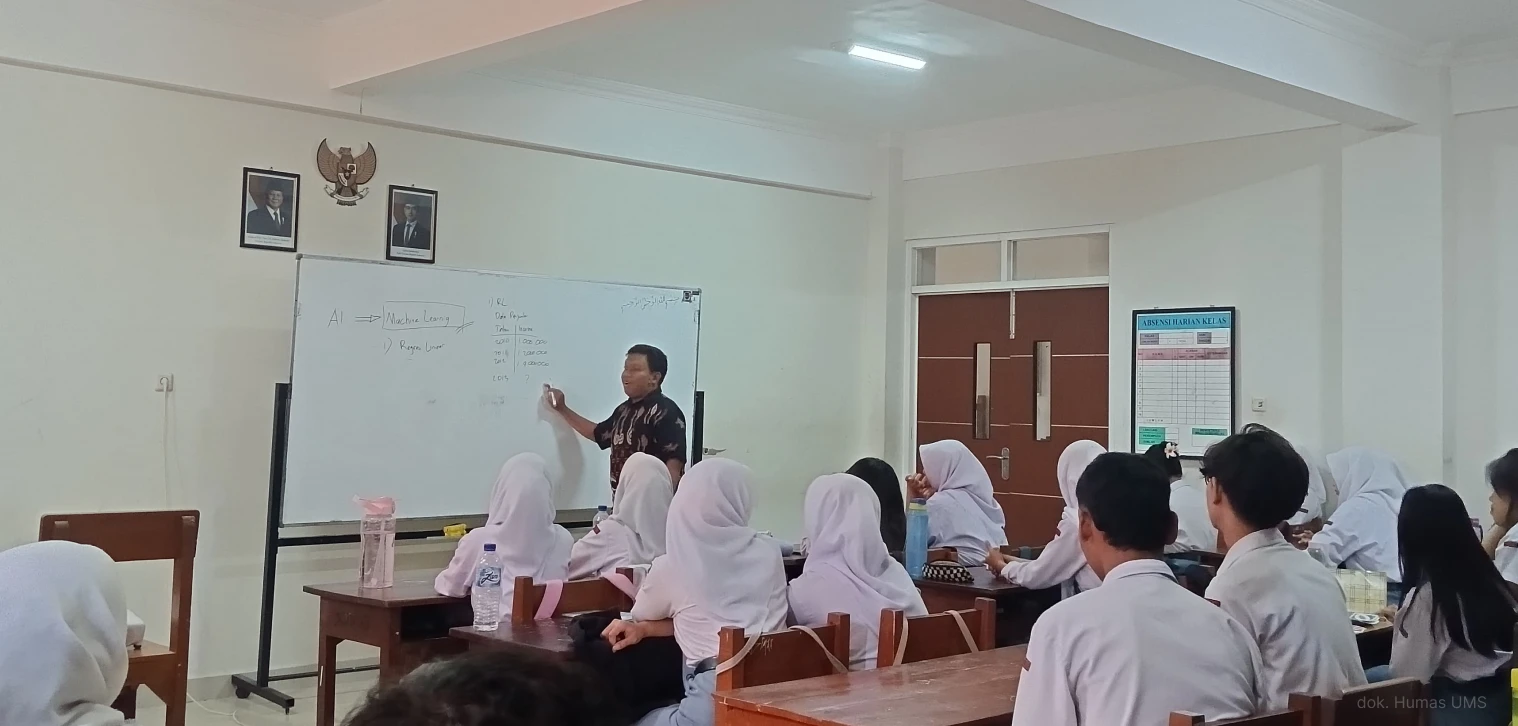
His visual limitations have not become an obstacle for Zulfikar Setyo Priyambudi (26), an alumnus of Informatics Engineering Education (PTI) at Universitas Muhammadiyah Surakarta (UMS), in pursuing a path as an educator and promoter of artificial intelligence (AI) literacy in schools. Known familiarly as Zul, he now teaches Informatics at SMA Laboratorium Universitas PGRI Semarang (UPGRIS) while continuing to develop his expertise in technology.
Since birth, Zul was diagnosed with nystagmus, a visual disorder that causes objects in his sight to appear as if they are moving on their own. This condition makes it difficult for him to see with focus, even writing on the board is hard to read, despite sitting in the front row.
“I cannot see objects clearly, even with glasses. Now at 26, I can no longer ride a motorbike at night because my vision has worsened,” Zul explained in an online interview on Friday (22/8/2025)
However, those limitations did not make him give up. Since childhood, he had already been interested in the world of computers and loved sharing knowledge with his friends. While studying Software Engineering at SMKN 2 Semarang, he became increasingly convinced that he could not remain a software engineer forever because of his physical condition.
His interest in teaching, which had grown since elementary school, eventually led him to choose PTI UMS. “I was determined to choose PTI because I wanted to learn pedagogy and become a teacher who understands technology,” said the Semarang-born man.
After graduating, Zul briefly worked as a Junior AI Engineer at Indonesia AI. He believed that practical experience was important before fully committing himself to the field of education.
Now, the eldest of two siblings focuses on teaching while also broadening his horizons by taking part in various training programs, one of which is the Laskar AI program organized by Dicoding. This program connected him with professional instructors, online-based learning materials, and synchronous discussions via Zoom.
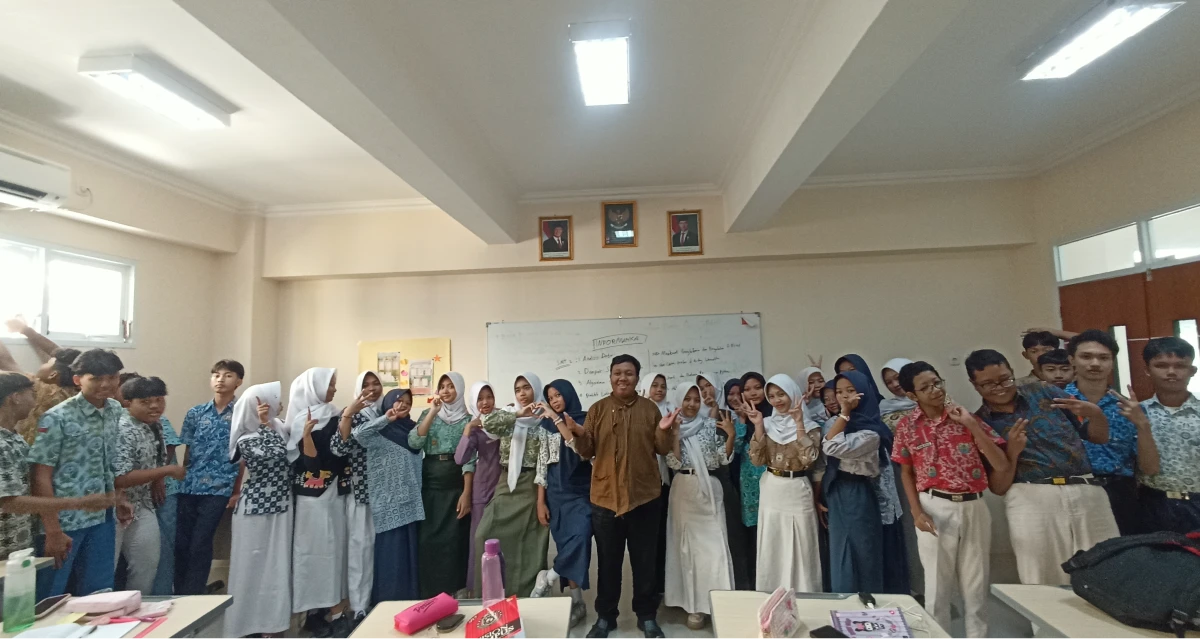
Zul (center, wearing a brown shirt) with his students at SMA Laboratorium Universitas PGRI Semarang. Personal Documentation.
“In Laskar AI, I learned everything from the basics of artificial intelligence to building machine learning systems. There were also soft skills sessions, such as time management and public speaking,” he explained. For him, the program not only strengthened his technical abilities but also helped shape a more focused approach to work.
The knowledge he gained did not stop with himself. Zul has already prepared an AI curriculum for 12th-grade students at his school.
The material covers the fundamentals of data analysis, programming, and simple applications of artificial intelligence in the education context. “I want students not only to be users, but also creators of technology. AI can be an important tool for more adaptive learning,” Zul said with conviction.
Zul is also developing a data-driven learning project for his school. He gave an example of using student data—, from attendance, grades, to family background, so that teachers can make more targeted decisions. In his view, teachers should not only act as instructors but also as analysts who can read the personal needs of their students.
Looking ahead, Zul hopes his role as an educator can bring real change, particularly in bridging the worlds of technology and education. With strong determination and a spirit of sharing, he wants to convince the younger generation that limitations are not an excuse to stop, but rather a stepping stone to move further forward.
Writer: Genis Dwi Gustati
Editor: Al Habiib Josy Asheva
Translator: Farizal Luqman Majid
Prof. Andri Nirwana, S.TH., M.Ag., Ph.D., pioneered the Master of Al-Quran and Tafsir Studies as a first step in strengthening Quranic studies within Muhammadiyah.
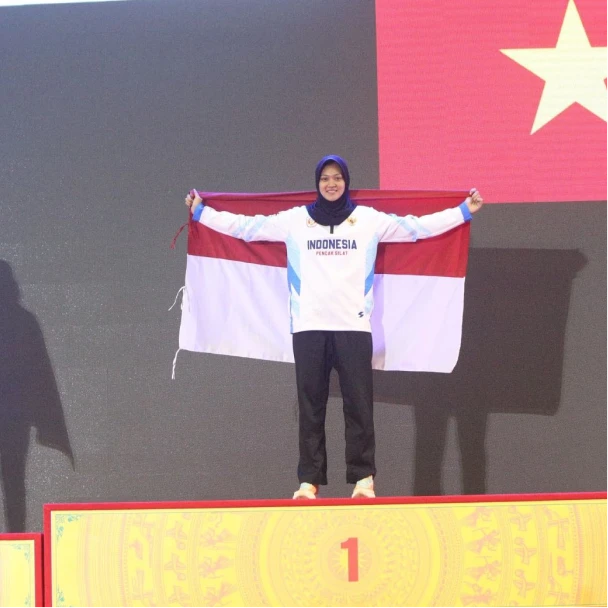
A UMS pencak silat athlete successfully claimed gold at the 10th Asian Pencak Silat Championship 2026.
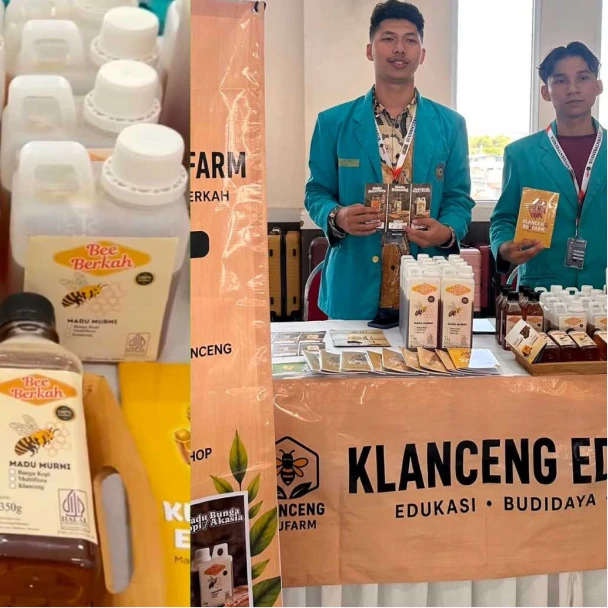
The Klanceng Edufarm startup is planning international expansion after being named national champion at the 2026 Studentpreneur Bootcamp organized by the Muhammadiyah Center for Entrepreneurship and Business Incubator.

Nothing’s more special than reading curated news just for you.
Subscribe to the UMS Newsletter for free today.