The Scholar Behind UMS's Master's Program in IQT
27 July 2026
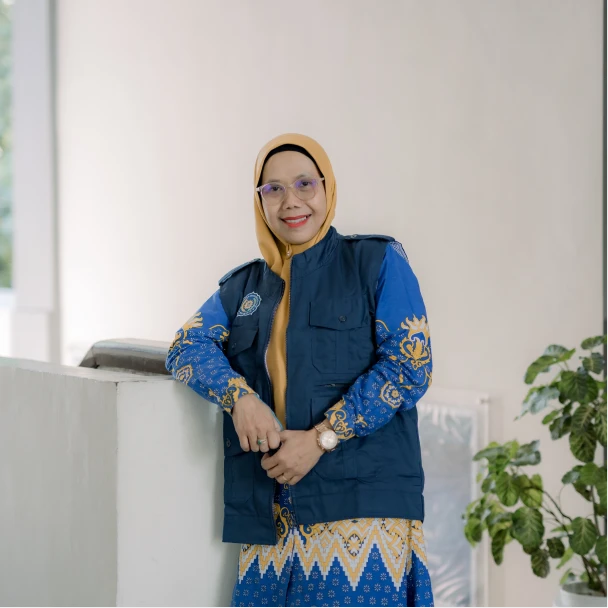
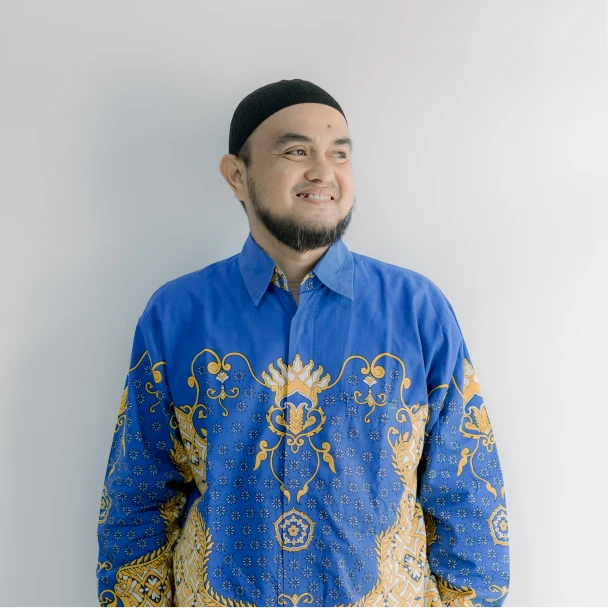
Prof. Andri Nirwana, S.TH., M.Ag., Ph.D., pioneered the Master of Al-Quran and Tafsir Studies as a first step in strengthening Quranic studies within Muhammadiyah.


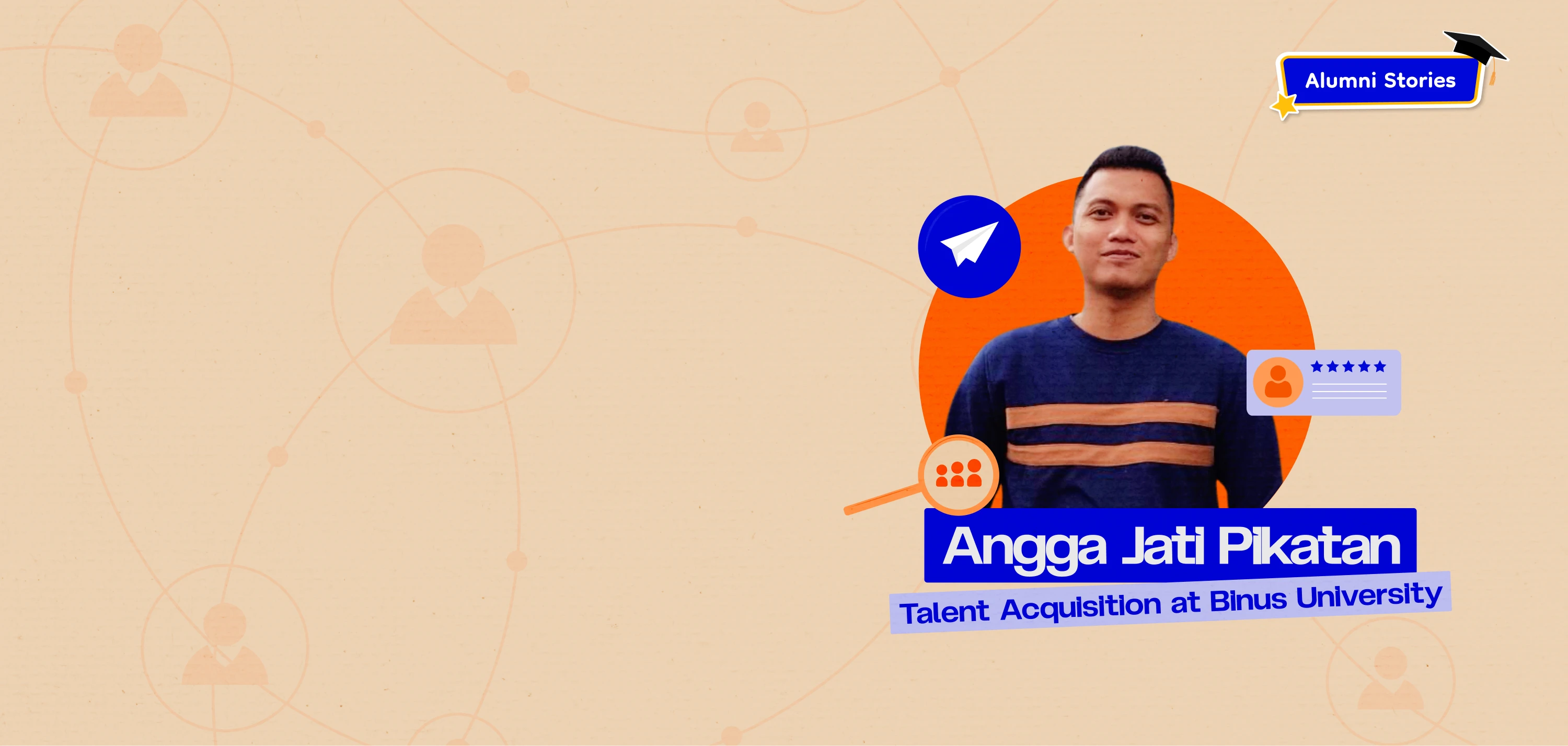
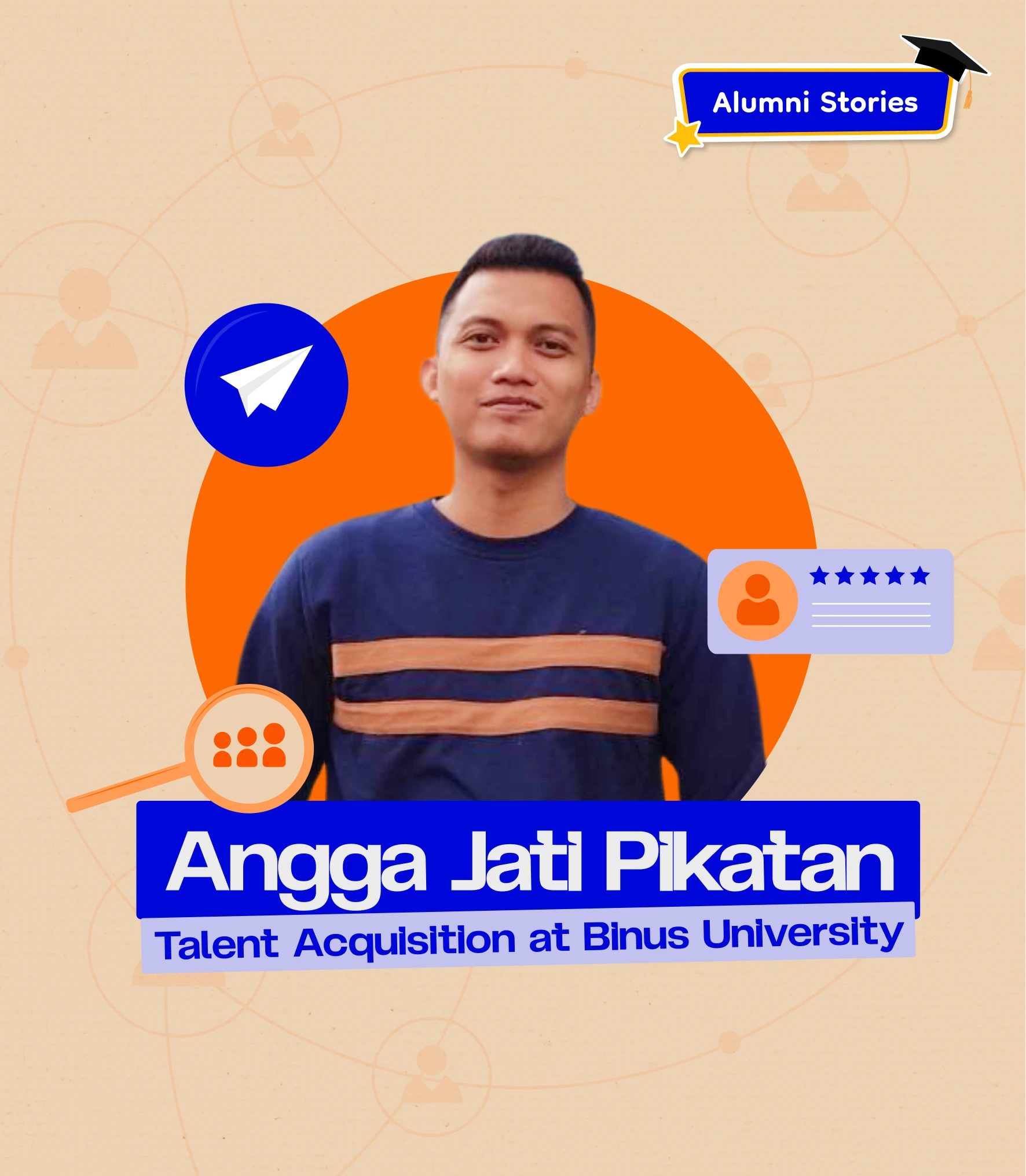
Since his university days, Angga Jati Pikatan, a psychology graduate from Universitas Muhammadiyah Surakarta (UMS), has been passionate about human resource development, commonly known as HRD. This interest paved the way for his current profession as a talent acquisition specialist at Bina Nusantara (Binus) University.
Talent acquisition is a branch of HRD that focuses on the process of finding exceptional talent for a company. This role is responsible for recruitment processes, including candidate selection, interviews, and salary negotiations.
Angga, as he is commonly known, stated that a talent acquisition specialist must also maintain relationships with job candidates who were not selected. “It doesn’t stop at the recruitment process. We still need to keep in touch with potential employees,” he said on Thursday (23/1/2025).
The role of a talent acquisition specialist is closely related to the talent pool, a database of candidates who have applied to a company. When a company opens a new job vacancy, a talent acquisition specialist can recommend candidates based on the talent pool data.
Angga’s career at one of Indonesia’s top private universities began in 2013. Working in Jakarta has taught him many valuable lessons. For instance, the company he works for views human resources as an asset. It is no surprise that their HRD department is referred to as Human Capital.
Angga also had the opportunity to recruit candidates from the United States to work at his company. The challenge lay in effectively communicating the recruitment process to the candidates and handling cultural differences in expressing opinions. “they tend to be more straightforward,” he recalled.
For him, there is a unique satisfaction in seeing the employees he has selected grow their skills and contribute to the company. “If a candidate we recruit ends up receiving a best employee award, that’s a source of pride for us,” he said.
That is the reason he has remained in the talent acquisition role until now. It’s fair to say that Angga loves his job. “The proof is that I’m still here,” he joked.
The challenges Angga faces continue to evolve. He acknowledged that technological advancements have prompted him and his team to refine their recruitment processes to keep up with the times.
Take resume screening, for example, it is no longer done manually. Angga explained that the screening process now uses an Applicant Tracking System (ATS). This system allows candidates to submit digital documents instead of physical ones, making it easier for recruiters to review applications.
Another innovation is the implementation of gamification in the recruitment process. This approach incorporates game elements to make hiring more engaging. The gamification model tests candidates on problem-solving skills, teamwork, and coordination.
Despite technological advancements, Angga still prioritizes direct interaction with job candidates. “You have to maintain a sense of connection with people,” he said. One way to do this is by regularly updating candidates on the recruitment process. “Communication with candidates should always come first.”
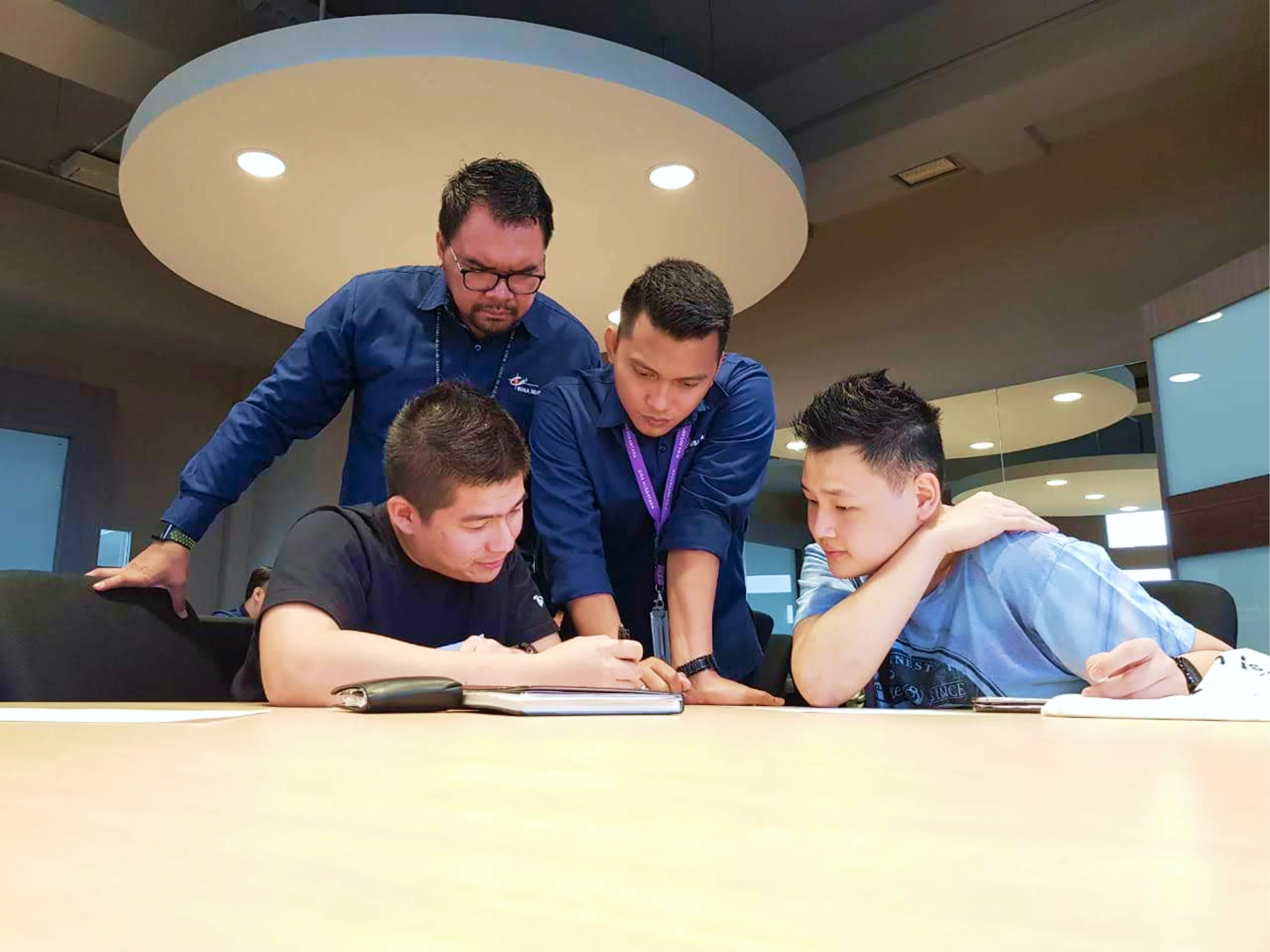
Angga Jati Pikatan (center) with the academic community of Binus University.
Angga Jati Pikatan, born in Sragen, Central Java, on June 14, 1991, initially planned to study Management at Universitas Muhammadiyah Surakarta (UMS). After registering, he explored the campus and happened to visit the Faculty of Psychology.
Psychology was an unfamiliar subject to young Angga. Curious, he asked a psychology student about the field. That same afternoon, he returned to the admissions office and requested a change of major to Psychology.
During his studies, the eldest of two siblings worked as a teaching assistant for the Observation and Interview course. For two years, the avid reader of Andrea Hirata’s novels deepened his understanding of human behavior. “I just enjoy observing people,” Angga stated.
Observation and Interview is a psychology course that teaches students how to develop interview and observation guidelines. It provides hands-on experience in conducting interviews, analyzing data, and writing reports.
Through this course, Angga learned to observe facial expressions, behaviors, and speech patterns. These skills proved invaluable in his career, especially in his talent acquisition role, where he must be highly selective in choosing candidates.
As a teaching assistant, the Psychology Laboratory at UMS became Angga’s second home. He helped design practicum plans for the upcoming semester alongside lecturers and guided students in their field practice preparations.
“We assisted our juniors, helping them better understand real-world applications,” he explained. “At the end of the semester, we were also responsible for evaluating the students.”
Angga is grateful that his parents allowed him to freely choose his field of study. Even after graduation, they continued to support his career choices.
His parents always emphasized that everything in life is temporary. His father’s words still resonate with him: “Always remember that whatever we go through, good or bad, is only temporary,” Angga recalled.
After earning his bachelor’s degree in psychology, Angga began his career as an HR staff at a garment company in Semarang in 2012. A year later, he moved to Jakarta to work as a talent acquisition staff at Binus University.
Now, after more than a decade in the field, Angga has successfully risen to the position of Head of Talent Acquisition at Binus University.
Integrity must always come first, especially in jobs that involve working with many people. Angga firmly upholds this principle, believing that integrity is the foundation of building trust in the workplace. “When you're dealing with people, integrity has to come first,” he emphasized.
As a talent acquisition specialist, Angga encounters various types of job candidates. Some apply for positions that do not match the company's requirements.
According to him, candidates must understand the job criteria before applying. “You need to know what the position is for and what the requirements are, so you can determine if you're a good fit,” he explained.
A well-structured CV is also essential. It serves as a candidate’s first impression on recruiters.
Angga pointed out that talent acquisition specialists spend only four seconds scanning each application. That’s why it’s crucial to include relevant experience to match the job criteria. “In those few seconds, candidates should introduce themselves as effectively as possible,” he said.
For those who progress to the interview stage, understanding the company culture is key. For instance, startup companies often have a casual dress code, while banking institutions expect formal attire.
Lastly, Angga encouraged candidates to give their best in every hiring process. “Getting rejected is normal. But at least you learn from every failure, so you can prepare better next time,” he concluded.
Writer: Gede Arga Adrian
Translator: Farizal Luqman Majid
Editor: Al Habiib Josy Asheva
Designer: Salsabila Kamila Wardah
Prof. Andri Nirwana, S.TH., M.Ag., Ph.D., pioneered the Master of Al-Quran and Tafsir Studies as a first step in strengthening Quranic studies within Muhammadiyah.
Nothing’s more special than reading curated news just for you.
Subscribe to the UMS Newsletter for free today.