The Scholar Behind UMS's Master's Program in IQT
27 July 2026
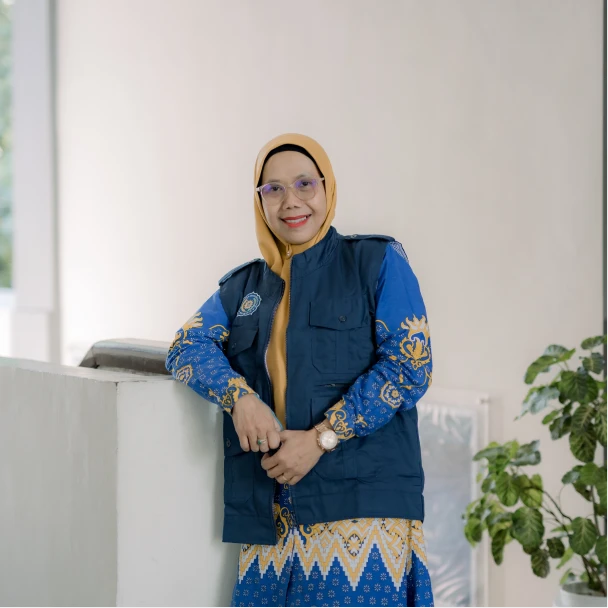
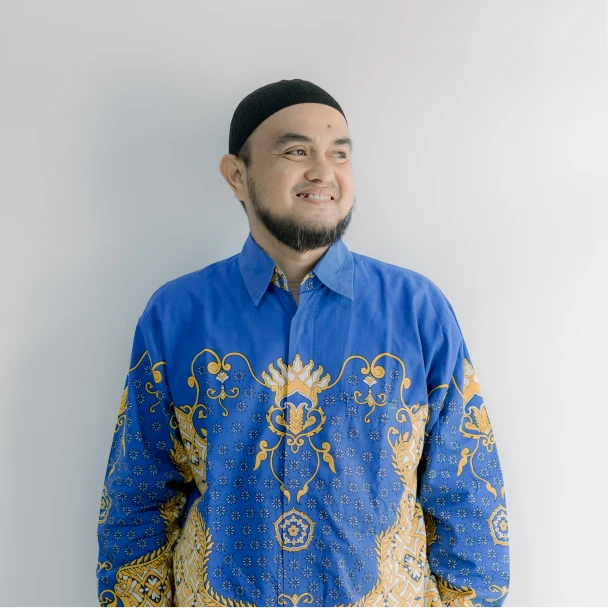
Prof. Andri Nirwana, S.TH., M.Ag., Ph.D., pioneered the Master of Al-Quran and Tafsir Studies as a first step in strengthening Quranic studies within Muhammadiyah.



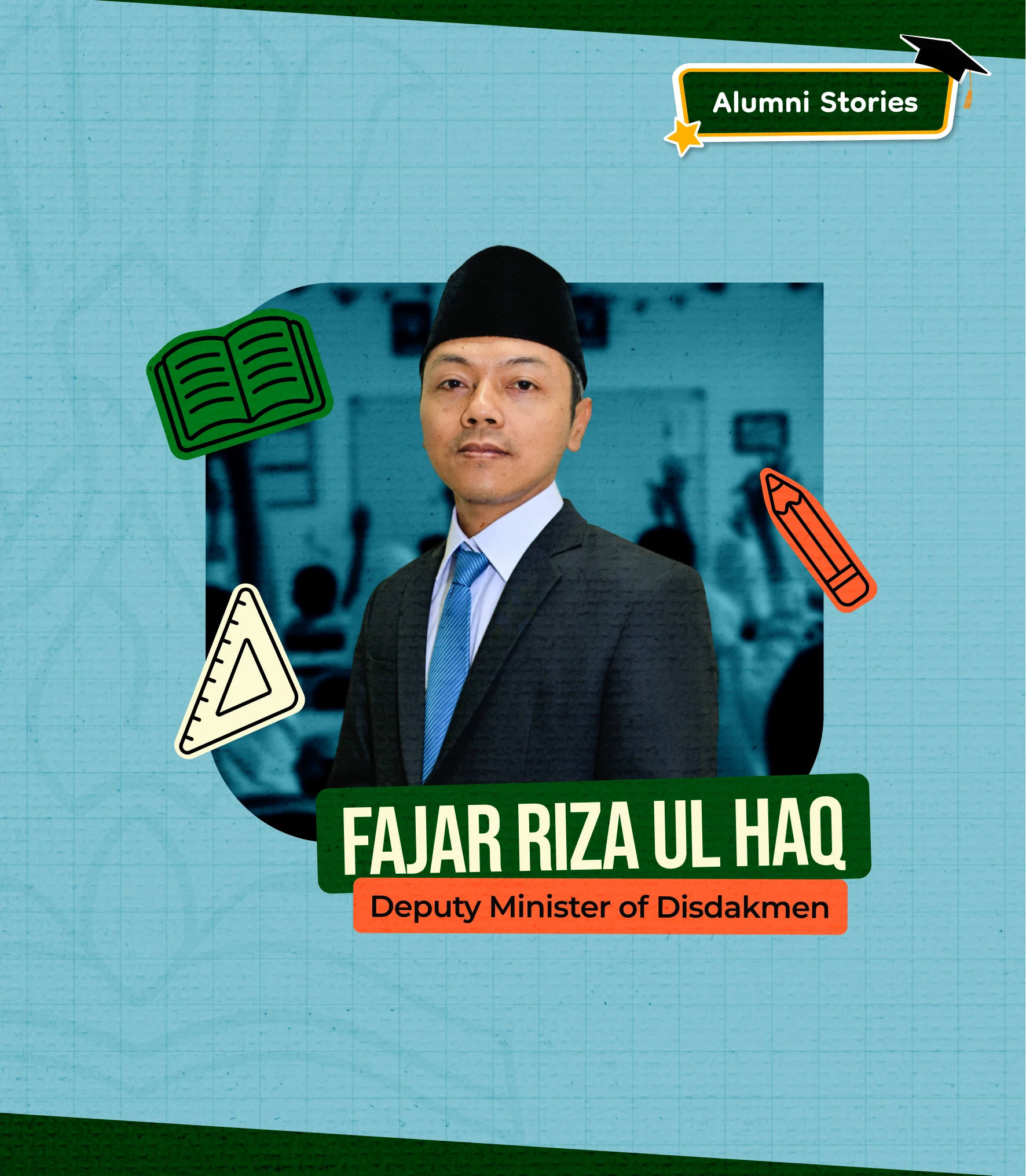
Fajar Riza Ul Haq’s phone rang a week before President-elect Prabowo Subianto announced the list of ministers in his cabinet. The call turned out to be from Mayor Teddy Indra Wijaya, Prabowo’s personal aide at the time. Teddy invited Fajar to a location in South Jakarta
Fajar was not alone. Also present were Abdul Mu’ti, Secretary-General of the Central Board of Muhammadiyah; Fauzan, Rector of Universitas Muhammadiyah Malang,; and Dzulfikar Ahmad Tawalla, Chairman of the Muhammadiyah Youth Central Leadership.
In front of President-elect Prabowo, Fajar was asked to serve as Deputy Minister of Primary and Secondary Education (Wamendikdasmen), assisting Abdul Mu’ti. He was then officially sworn in as Wamendikdasmen at the State Palace, Jakarta, on October 21, 2024. “At that time, I never dreamed of joining the cabinet, let alone becoming a deputy minister,” Fajar admitted on Wednesday (5/3/2025).
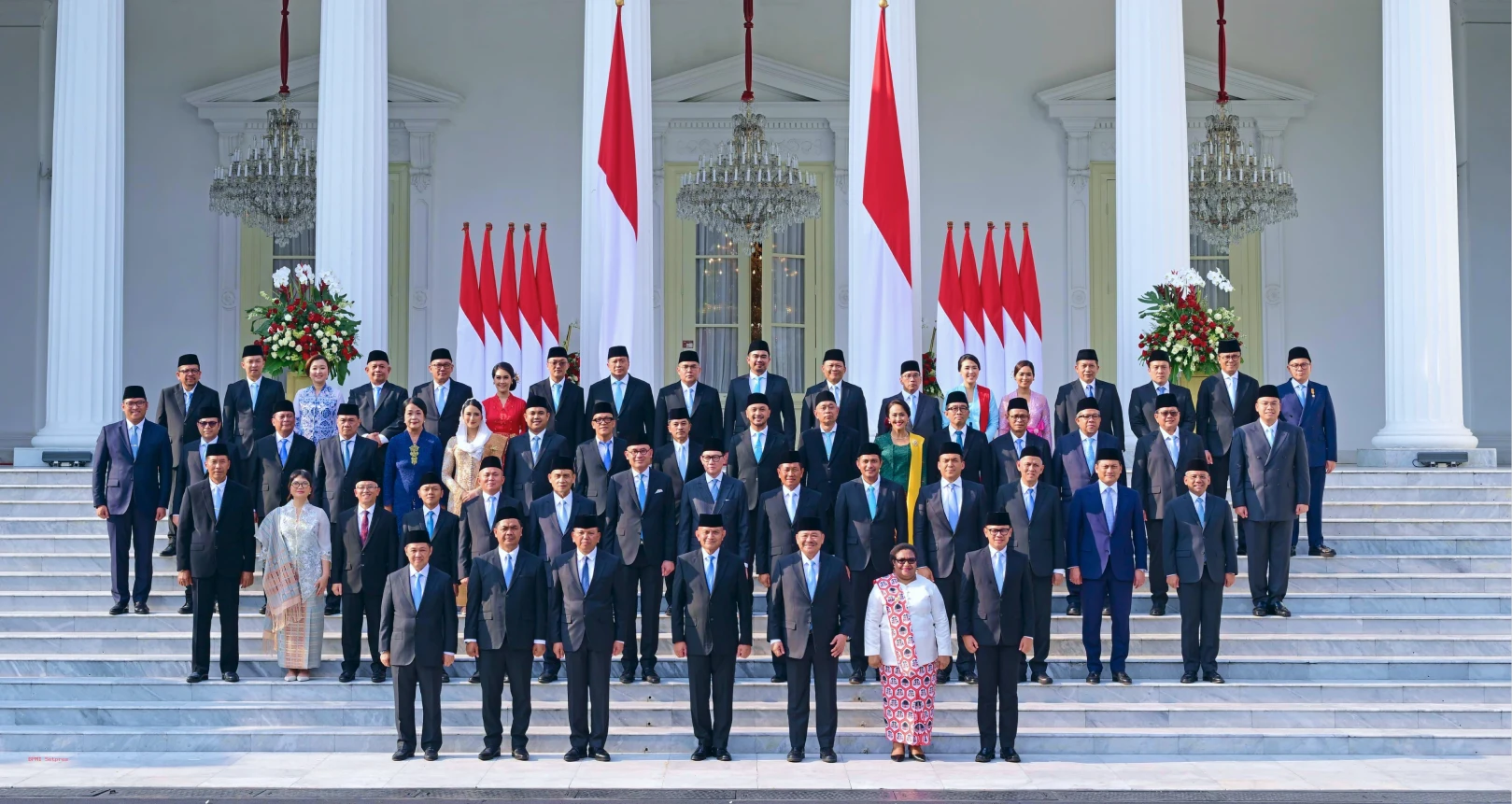
Fajar Riza Ul Haq (second row from the bottom, fourth from the left) with the deputy ministers of the Red and White Cabinet after the inauguration at Istana Negara on October 21, 2024. (Cabinet Secretariat)
Fajar's days are now filled with the Ministry of Primary and Secondary Education (Kemendikdasmen) agendas. He explained that his main responsibility is to assist the minister in formulating and implementing ministry policies. A deputy minister also helps coordinate the objectives of strategic policies across different units within the ministry.
It can be said that the appointment of Fajar and Abdul Mu’ti to the cabinet reflects the government’s trust in Muhammadiyah in the field of education. Fajar noted that President Prabowo recognizes Muhammadiyah's social capital and its potential contribution to national development.
“It’s not merely for electoral reasons, but out of appreciation for Muhammadiyah’s long-standing track record in education, which he considers well-proven,” Fajar explained.
Kemendikdasmen has two deputy ministers. Fajar shares responsibilities with Atip Latipulhayat, with task distribution based on the ministry’s strategic issues and each deputy minister’s background. Atip, who has a legal background, primarily handles regulatory matters.
Meanwhile, Fajar, who has experience in external organizations and networking, is often assigned to represent the ministry at events and institutions. He is also responsible for addressing and clarifying emerging issues related to Kemendikdasmen. According to him, the key to collaboration is mutual support.
The challenges of being a deputy minister are significant. However, having grown up in organizational and bureaucratic environments, Fajar did not see them as obstacles. Instead, his experience helped him navigate challenges within Kemendikdasmen.
A graduate of the Sharia program (now Islamic Economic Laws) at Universitas Muhammadiyah Surakarta, Fajar previously served as Special Staff to Minister of Education and Culture Muhadjir Effendy (2016–2019) and Special Staff to Minister of State Secretariat Pratikno (2020–2024). It is no surprise that Fajar is well-versed in ministerial bureaucracy.
“My experience in activism and bureaucracy has been quite helpful in navigating my role at Kemendikdasmen. There are, of course, some differences in dynamics, but the structure and bureaucratic culture are generally similar,” he stated confidently.

Deputy Minister of Primary and Secondary Education, Fajar Riza Ul Haq, during a visit to Paroki Katedral Private Elementary School, Sanggau, West Kalimantan, on January 18, 2025. (Personal Documentation)
Born in Sukabumi, West Java, on February 1, 1979, Fajar Riza Ul Haq grew up in a modest family with a traditional Islamic background. His father was a teacher, while his mother was a small-scale food vendor. His mother held a special place in his heart. “To me, she is our family's hero,” he recalled.
Like many madrasa students, Fajar, who graduated from the Madrasah Aliyah Program Khusus of the Ministry of Religious Affairs in Darussalam, Ciamis, West Java, had big ambitions to study in the Middle East. If he had to continue his studies in Indonesia, he preferred one of the country’s top Islamic universities.
One day, Fajar accidentally came across a flyer about admissions to Pondok Hajjah Nuriyah Shabran. “50% scholarship,” he recalled reading. No one expected that fate would instead lead him to UMS.
“At that time, I was actually looking for a place to be alone because I couldn't pursue my studies in the Middle East or at the state universities I had hoped for,” he joked.
However, challenges arose when he needed a recommendation from the Muhammadiyah regional or local leadership in his hometown to enroll at Pondok Shabran. The problem was, Fajar was not a Muhammadiyah cadre at the time. Fortunately, a relative who was a prominent Muhammadiyah figure in Sukabumi was willing to provide the recommendation for him.
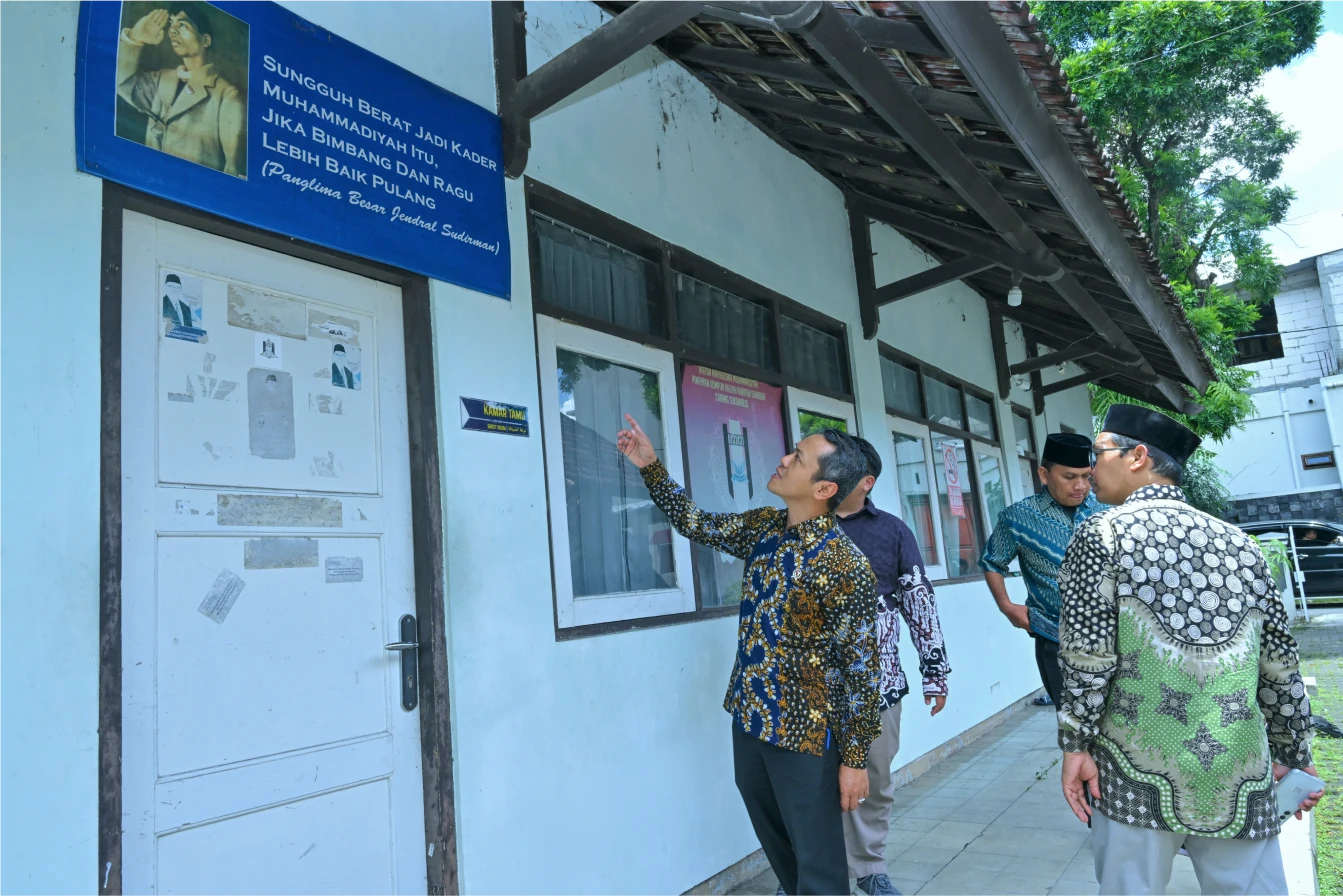
Fajar Riza Ul Haq (center) during his visit to Pondok Shabran on February 27, 2025. (Personal Documentation).
Amidst the heated political climate of 1998, Fajar left Bumi Priangan to pursue studies in Sharia Law at UMS.
His university life was filled with activities that enriched his intellectual pursuits. He actively joined organizations, participated in discussions, and immersed himself in books at the university library.
Initially, he joined the Muhammadiyah Student Association (IMM) at Pondok Hajjah Nuriyah Shabran in 1999. Less than a year later, he transitioned to IMM Sukoharjo and took on a leadership role. By 2000, Fajar was appointed as Chairman of IMM Sukoharjo.
A young man with a passion for reading, Fajar spent much of his time at the UMS Library. He enjoyed reading books outside the scope of his academic studies, broadening his knowledge across various disciplines.
Figures who influenced Fajar’s thinking include the revolutionary Iranian sociologist Ali Shariati, historian Kuntowijoyo, and British-Czech philosopher Ernest Gellner. He has also been deeply engaged in various fields of study, such as critical Islam discourse, political history, Frankfurt School critical theory, and postcolonial theory.
Pondok Shabran nurtured Fajar’s intellectualism through discussion forums and public speaking sessions. One such platform was the evening sermon (kultum) after Maghrib prayer. As an active member of the Student Executive Board of the Faculty of Islamic Studies at UMS, Fajar used these sessions as discussion spaces to introduce new ideas, memories that remain vivid in his mind.
Expressing ideas is the essence of being a student. According to Fajar, students should dedicate their time to learning. He holds onto a quote from Buya Syafi’i Maarif, which he believes all students should take to heart: “If you don’t possess Einstein’s intelligence, you must pursue education because a diploma is one of the guarantees of your future.”
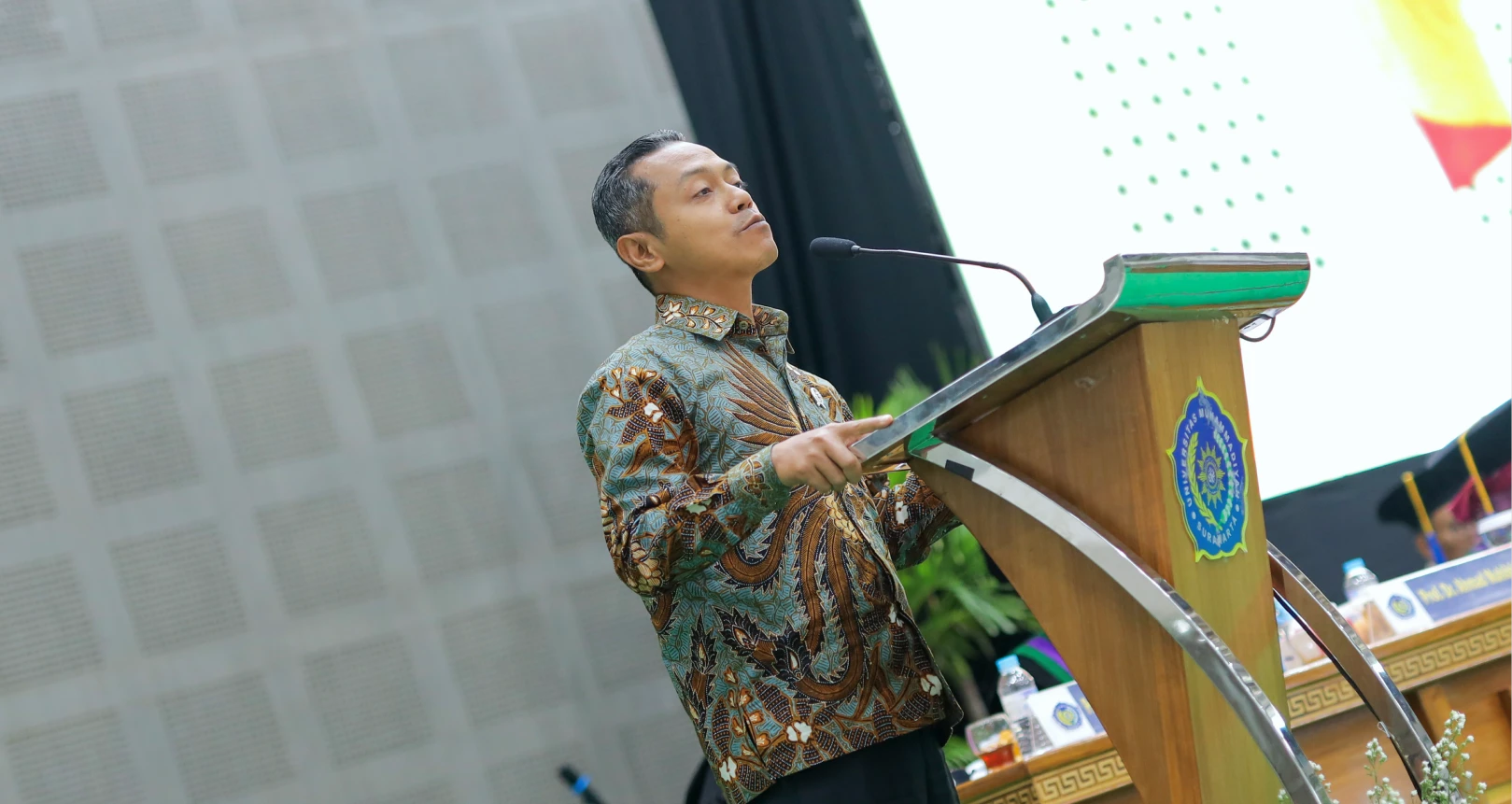
Fajar Riza Ul Haq speaking during the open senate session at UMS in early 2025. (Imam Safii/UMS Public Relations).
Fajar’s youthful passion drove him to express his ideas and ideals through writing. During his university years, he was an active columnist for Solopos and produced several written works. One of his notable publications, released in 2004, was titled Membangun Keragaman meneguhkan Pemihakan Visi Politik Baru Muhammadiyah.
Besides sharpening his analytical skills, writing also provided him an income to support his life away from home. At the time, he earned Rp75,000 per article. “It was enough to last me one to two weeks,” he joked.
After graduating in 2002, Fajar worked at the Center for Cultural Studies and Social Change (PSBPS) at UMS while frequently traveling between Solo and Yogyakarta to pursue his master’s degree in the Religious and Cross-Cultural Program at Universitas Gadjah Mada.
In early 2006, Fajar received a call from his colleague in Jakarta, Raja Juli Antoni, who had just returned from his master's studies in England. Raja offered him a career opportunity at the MAARIF Institute for Culture and Humanity in Jakarta.
Fajar never expected that his name would reach the elite IMM circles in Jakarta. It turned out that Raja had received recommendations from fellow IMM members who frequently read Fajar’s writings. “Writing actually became my bridge to move to Jakarta and expand my network,” he added.
After a lengthy discussion with his wife, Fajar decided to take the opportunity. “This was a golden chance that might never come again,” he said.
The first few months in Jakarta were tough. He even had to stay at a friend’s boarding house. What remained was just his willingness to expand his network in the capital. At times, when he needed to visit Solo, he had to request an advance from his office’s treasurer.
His life began to stabilize after three years in Jakarta. During this period, Fajar built connections with influential figures, including Ahmad Syafi’i Ma’arif (Buya Ma’arif). Buya became his mentor, introducing him to a wider network. By 2010, Fajar was appointed Executive Director of the MAARIF Institute for Culture and Humanity.
Following the 2015 Muhammadiyah Congress, Fajar continued his career at the Muhammadiyah Central Board. He was entrusted with the role of Secretary of the Legal and Human Rights Council.
Seven years later, he was appointed as the Chairman of the Research and Strategic Partnerships Institute at PP Muhammadiyah. In addition, he shared his knowledge by teaching in the Master of Public Administration program at Universitas Muhammadiyah Sukabumi.
He acknowledged that networking skills are crucial when starting a professional career. Fajar saw great potential in UMS graduates to contribute to the nation. According to him, UMS alumni have spread across various sectors, including politics, business, and other professions.
He emphasized that UMS should have a forward-looking approach by strategically placing its best graduates in roles that serve the country. “The key is to build a more systematic network, ensuring that UMS figures are nurtured and prepared to take on national-level roles,” he asserted.
Writer: Gede Arga Adrian
Translator: Farizal Luqman Majid
Editor: Al Habiib Josy Asheva
Prof. Andri Nirwana, S.TH., M.Ag., Ph.D., pioneered the Master of Al-Quran and Tafsir Studies as a first step in strengthening Quranic studies within Muhammadiyah.
Nothing’s more special than reading curated news just for you.
Subscribe to the UMS Newsletter for free today.