Making the Word of Allah Come Alive through Ngaji on the Road
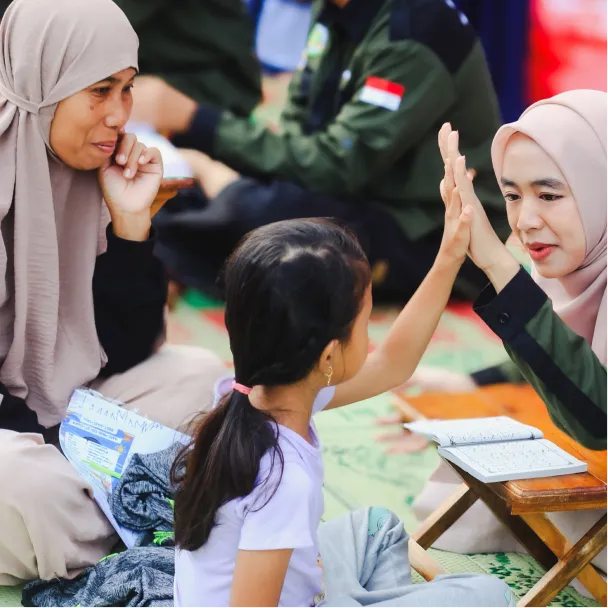
Ngaji on the Road is a regular MPQ activity aimed at bringing the community closer to Islam and the Qur'an. It provides free Qur'an reading lessons.
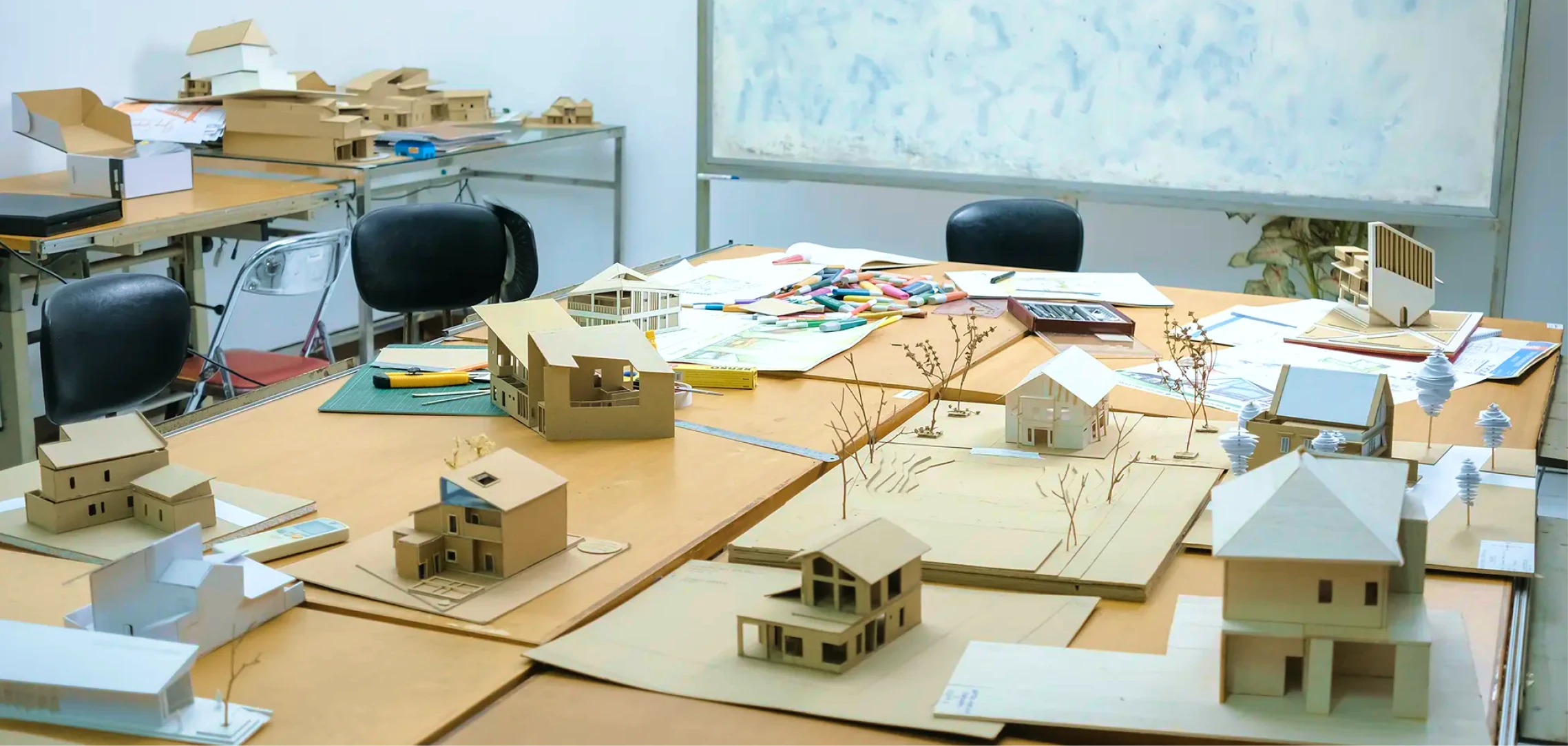
Many of us have heard about architecture and the architect profession, but what exactly do they entail?
Architecture is both a science and an art that focuses on designing structures and buildings. The process includes planning, designing, and constructing.
Meanwhile, an architect is a professional who specializes in architecture. The term architect originates from the Latin word architectus and the Greek word architekton, meaning "master builder."
According to Fauzi Mizan Prabowo Aji, S.Ars., M.Ars., a lecturer at the Architecture Program of Universitas Muhammadiyah Surakarta (UMS), architecture contributes greatly in shaping environments that enhance human quality of life in terms of functionality, comfort, and aesthetics.
“Well-designed buildings and spaces can improve efficiency, safety, and the well-being of their occupants,” he stated on Thursday, February (6/2/2025).
Architecture also influences cultural identity and historical heritage while creating social connections through inclusive public spaces.
One of the best ways to study architecture is by pursuing a degree in an architecture program. These programs are widely available across universities in Indonesia, including at UMS.
So, what does it feel like to study architecture? What do students learn, and what are the career prospects? Let’s break it down!
At UMS, the Architecture program is part of the Faculty of Engineering and is available at the undergraduate level (S-1). The Bachelor of Architecture degree typically takes around four years to complete, which results in the degree of “S.Ars.”
The Architecture course covers various in-depth aspects related to building design and space planning. An architecture student will learn about design principles, space theory, and how to create solutions that meet functional, aesthetic, as well as technical needs.
In addition, they also study building structures, construction materials, building technology, and sustainability aspects in design. The course also involves the study of architectural history and theory, as well as the development of practical skills through design projects, modeling, and analysis.
“Students are trained to think critically and creatively while considering the social, cultural, and environmental impacts of their designs,” explains Fauzi.
The architecture courses you will study in the Architecture Department at UMS are divided into three groups: core courses, architecture-related courses, and elective courses. The core courses include English, Citizenship Education, Indonesian Language, Computer Applications, Muhammadiyah Studies, and Religion.
Meanwhile, the architecture-related courses include:
You can also choose elective courses, namely:
Career opportunities for architecture graduates are very diverse. With the current population growth driving the increasing demand for housing, the need for architects in Indonesia's property industry continues to rise.
Here are some career paths you can pursue after graduating with a degree in architecture:
That's a brief overview of the Architecture program. Are you interested in becoming one of Indonesia's future architects?
To learn more about the Architecture Department at UMS, check out this video:
Writer: Gede Arga Adrian
Translator: Farizal Luqman Majid
Editor: Al Habiib Josy Asheva

Ngaji on the Road is a regular MPQ activity aimed at bringing the community closer to Islam and the Qur'an. It provides free Qur'an reading lessons.
Nothing’s more special than reading curated news just for you.
Subscribe to the UMS Newsletter for free today.