The Scholar Behind UMS's Master's Program in IQT
27 July 2026
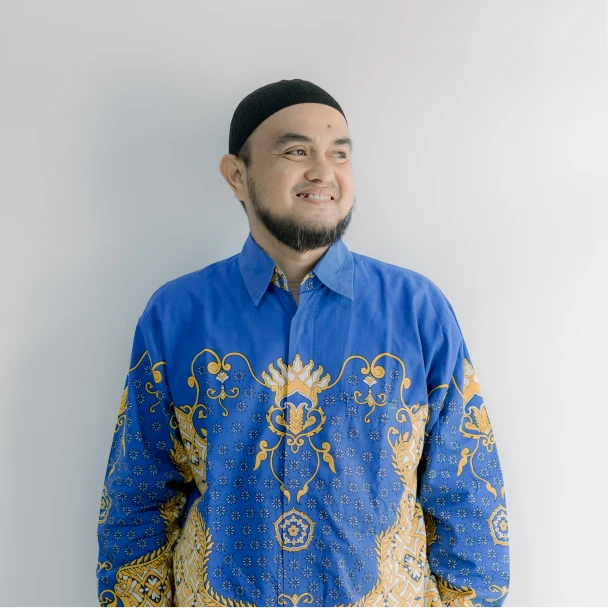
Prof. Andri Nirwana, S.TH., M.Ag., Ph.D., pioneered the Master of Al-Quran and Tafsir Studies as a first step in strengthening Quranic studies within Muhammadiyah.


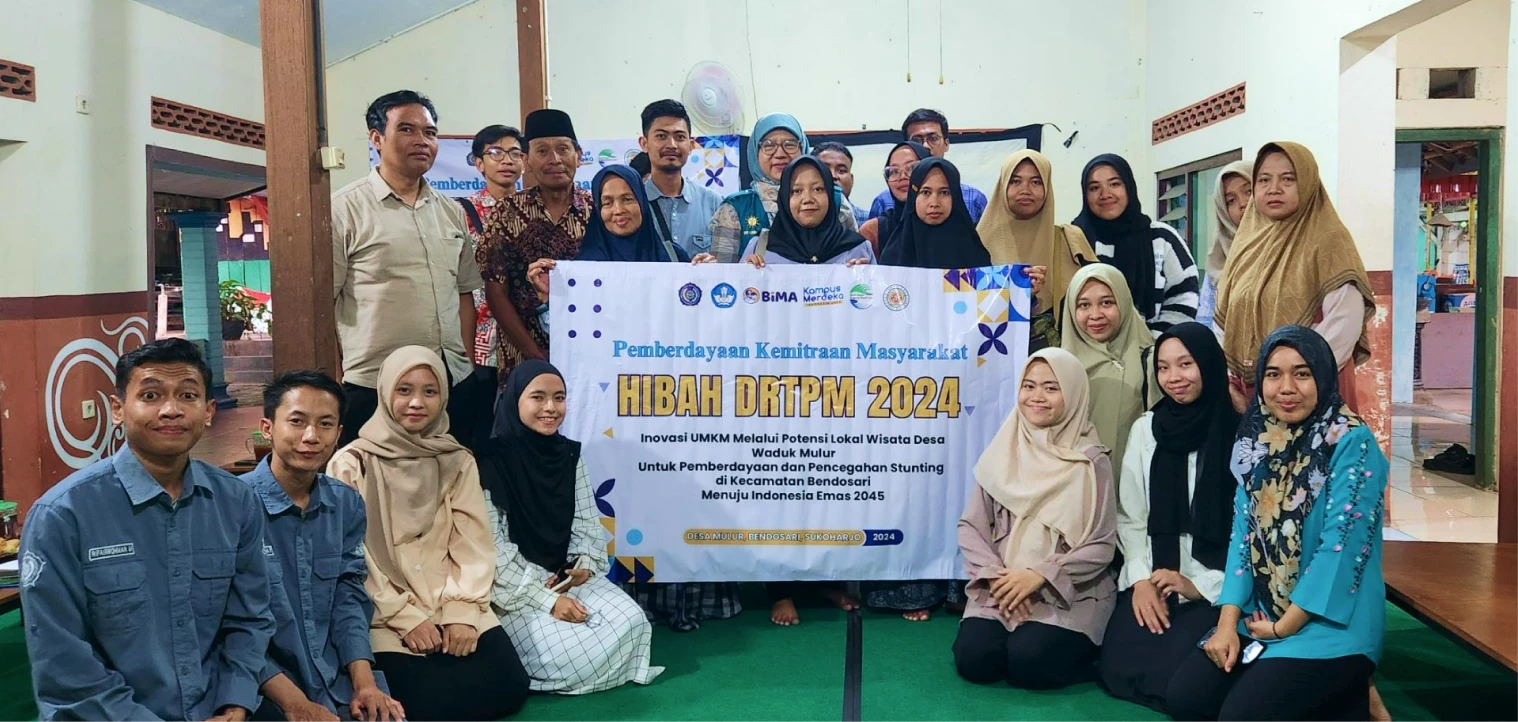
The Community Partnership Program team from Universitas Muhammadiyah Surakarta (UMS), sponsored by the Directorate of Research, Technology, and Community Service (DRTPM), conducted a training on tilapia fish processing to strengthen the local economy and prevent stunting in Mulur Village, Bendosari District, Sukoharjo Regency. The activity was held under the theme: “MSME Innovation through Local Potential of Mulur Reservoir Tourism Village for Empowerment and Stunting Prevention in Bendosari District Towards a Golden Indonesia 2045.”
A total of 14 participants, consisting of 9 PKK (Family Welfare Movement) mothers and 5 youth group members from 9 village, took part in the first session of the training led by Prof. Dr. Kuswaji Dwi Priyono, M.Si., a lecturer from the Faculty of Geography, on Monday (28/10/2024). Also present were the Chair of the Village Consultative Body (BPD) and three directors and managers of the Village-Owned Enterprise (BUMDes).
This initial training served as a starting point to boost participants' motivation in learning and improving practical skills, especially in applying economic and health values based on local wisdom to address the issue of stunting.
Kuswaji, who also serves as Head of Organizational Development at the Institute for Community Service and Organizational Development (LPMPP) UMS, emphasized the importance of empowering the local economy through MSMEs based on local resources, while simultaneously addressing stunting.
“Our activities begin with outreach, Focus Group Discussions, training sessions, mentoring, monitoring and evaluation, as well as dissemination efforts aimed at addressing stunting and supporting the village through tourism topography and processed fish products,” explained Kuswaji.
The training involved Dwi Linna Suswardany, S.K.M., MPH., a lecturer from the Public Health Program at UMS and Head of the UMS Chronic Disease Research Center, as the main speaker.
Linna explained various risk factors that cause stunting and its impact on child development and Indonesia’s future. She emphasized the importance of balanced nutrition, including fish protein as a food source to reduce stunting rates.
“When families in our villages choose to consume fish regularly, we’re not only giving children nutritious food but also building a healthier and more productive future for the nation. By involving MSMEs based on local fish products, we can create a virtuous cycle, increased income, better health, and improved village welfare,” she said.
Linna urged participants not to see stunting as solely the government’s responsibility, but as a shared concern.
“The choices we make every day at the dinner table significantly affect our children’s quality of life, and MSMEs can serve as a driving force to help families stay healthy and productive,” she added.
Adi Prihananto, Director of Mulur BUMDes, was also present as the second speaker. He presented material on the role of BUMDes in supporting fish-based MSMEs in Mulur Village.
“We at BUMDes are ready to support participants from marketing, access to capital, to expanding networks. With this synergy, we are optimistic that fish processing businesses can grow into strong and sustainable enterprises,” Adi affirmed.
“We will also assist with business legalization, product certification, and distribution so that these products can reach broader markets,” he added.
This commitment was echoed by Sukirso, Head of Mulur’s BPD, who expressed support for the MSME initiative and development of processed fish products, both during his opening remarks and throughout the training discussions.
The training was delivered through a variety of methods, including lectures, group discussions, and group presentations. Participants appeared enthusiastic throughout each session, especially during the group discussions on their motivations for joining the training and their hopes for the fish-based MSMEs in the next 5–10 years.
Dyah, representing a group of four PKK mothers, shared during her presentation that her group hopes to become part of the MSMEs.
“We want to be part of an MSME that has a vision and mission to educate people about stunting. With the availability of tilapia fish resources from the Mulur Reservoir, we hope it will make it easier for us to manage and deepen our knowledge about fish processing,” she said.
With support from the Directorate General of Higher Education (Dirjen Dikti), UMS, BUMDes, and BPD, Mulur Village is now more optimistic about developing fish-based MSMEs, which are expected not only to improve the community’s welfare but also help tackle the issue of stunting.
Writer: Maysali
Editor: Genis
Source: News UMS
Prof. Andri Nirwana, S.TH., M.Ag., Ph.D., pioneered the Master of Al-Quran and Tafsir Studies as a first step in strengthening Quranic studies within Muhammadiyah.
Nothing’s more special than reading curated news just for you.
Subscribe to the UMS Newsletter for free today.