How Sheep Manure Turns into Nutrient Rich Fertilizer
16 July 2026
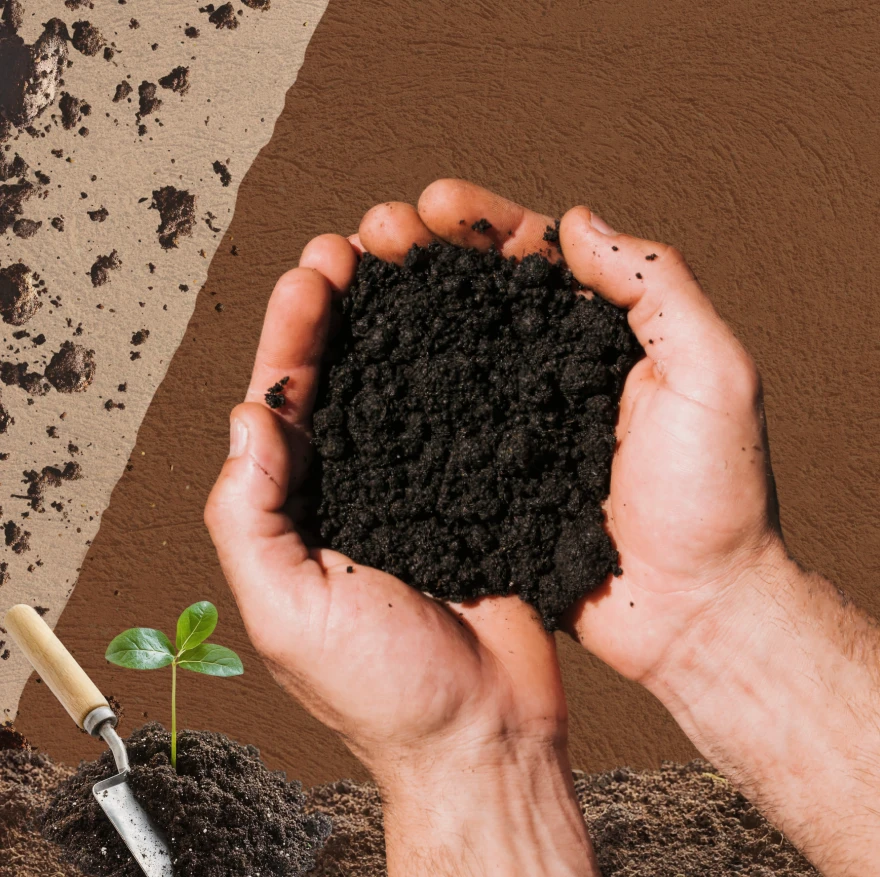
Sheep dunged nutrient-rich organic fertilizer for plants, made with the help of maggots. Built on community empowerment and a zero-waste principle.



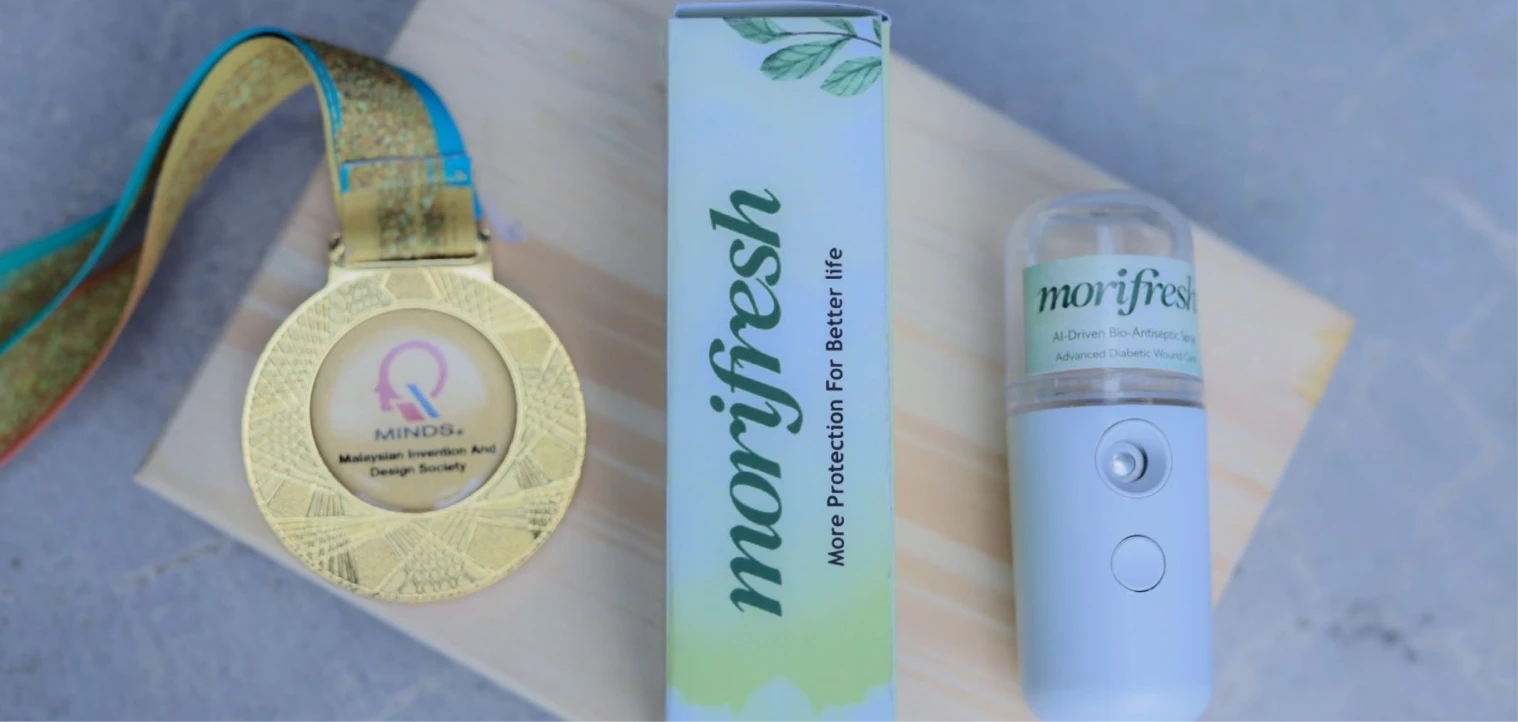
Another proud achievement has been recorded by students at Universitas Muhammadiyah Surakarta (UMS). A cross-disciplinary student team won a gold award at an international innovation competition in Malaysia through the development of MoriFresh (Moringa and Neem Nano Spray), a nanospray innovation made from moringa and neem leaf extracts designed to support diabetic wound care.
The team is led by Psychology student Muhammad Raihan Arrasyid, together with teammates from various disciplines: Taqiyyah Nurul 'Azzah (Physiotherapy), Irfan Malik Tamroini (Islamic Education), Hanin Shohwati Muthi'ah and Sri Kusuma Dewi (Pharmacy), and Alfa Utami (Psychology).
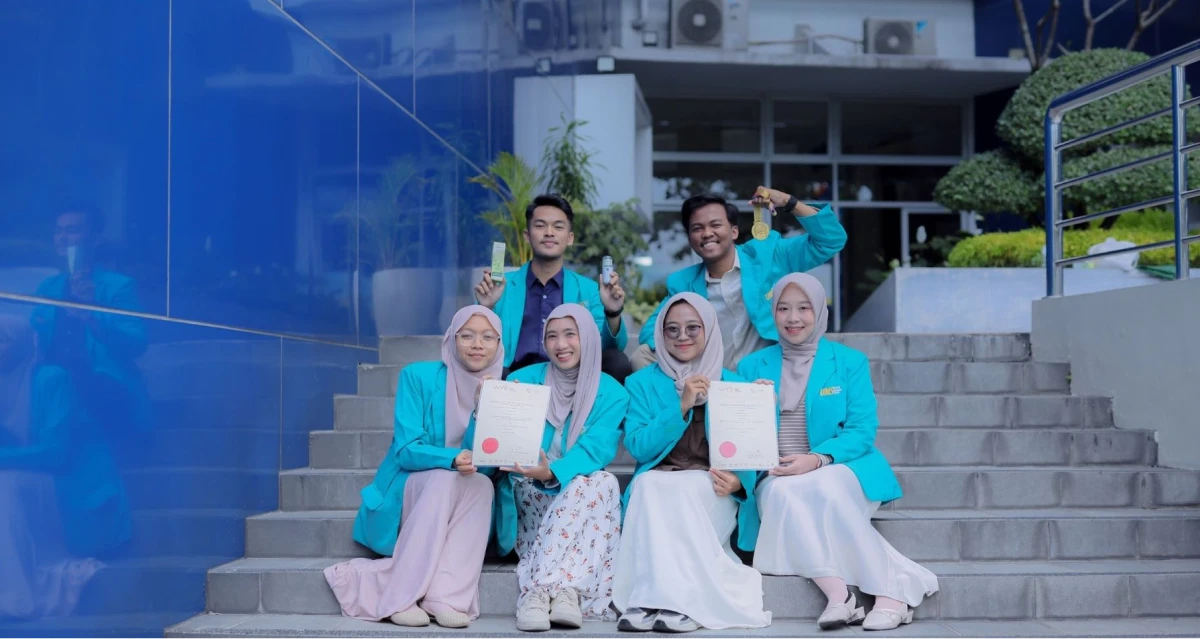 Muhammad Raihan Arrasyid and the team pictured together at the Siti Walidah Main Building after winning the gold award with the MoriFresh innovation. Photo: UMS Public Relations
 Muhammad Raihan Arrasyid, commonly known as Rasyid, explained that MoriFresh was born from concern over the high number of diabetic wound cases that frequently lead to serious complications. In his view, infections in diabetic wounds remain one of the leading causes of disability that can actually be prevented.
"Neem leaves function to accelerate wound closure, while moringa leaves serve as an antibacterial agent. So beyond helping to eliminate bacteria, this product also works to speed up the diabetic wound healing process," he explained on Friday (19/6/2026).
He noted that nanospray technology was chosen because its extremely small particle size makes it more easily absorbed by the skin and capable of reaching pores more effectively than conventional preparations.
"Nano-sized particles are smaller so absorption is more optimal. As far as we know, a nanospray made from moringa and neem leaves for diabetic wounds is still very rare and we have not yet found a similar product," he added.
Through the literature review conducted by the team, diabetic wound care currently faces a number of challenges, including recurring infections caused by bacteria such as Staphylococcus aureus and Pseudomonas aeruginosa, excessive side effects from chemical antiseptics, high long-term treatment costs, limited access to modern wound care services in developing countries, and growing antimicrobial resistance. These conditions drove the team to develop a natural ingredient-based alternative that is safer and more affordable.
Moringa leaves (Moringa oleifera) are known to contain phenolic compounds, flavonoids, and tannins with antioxidant and antibacterial activity. Neem leaves (Azadirachta indica) contain terpenoids, limonoids, saponins, and active compounds such as azadirachtin and nimbin, which have the potential to support wound healing and inhibit the growth of infection-causing microorganisms.
Notably, the development of MoriFresh also made use of artificial intelligence (AI) technology. The team used the molecular modeling platform Boltz-2 to map the interaction of moringa leaf bioactive compounds against the target proteins of wound infection-causing bacteria. This approach helped validate the potential effectiveness of the active ingredients before entering laboratory and clinical testing stages.
The journey to developing the innovation was not without obstacles. Initially, the team planned to develop a product based on gadung tuber extract as a repellent against Aedes aegypti mosquitoes. However, various challenges in the testing process led them to seek a more feasible alternative innovation.
The presence of Pharmacy students in the team then became the turning point that directed them toward moringa and neem leaves as the main ingredients.
In the division of tasks, each team member took on a role suited to their field of expertise. Psychology and Physiotherapy students were responsible for administration, proposal preparation, sponsor management, and competition coordination. The Islamic Religious Education student contributed in design, documentation, presentation, and English-language communication. Pharmacy students handled the technical aspects, from research, formulation, and laboratory testing through to product development.
Despite coming from different backgrounds and not knowing each other well beforehand, Rasyid said the collaboration process became a valuable experience for all team members.
"At first we were not close to one another. Some members were even meeting for the first time when we formed the team. But because we shared the same goal, we were able to trust each other and work through every challenge until we finally won the Gold Award," he said.
MoriFresh is currently still at the prototype stage and requires a series of further tests before it can be mass-produced. The team is targeting a product particle size of under 100 nanometers so that absorption into skin tissue is more optimal and can support the wound healing process more effectively.
Going forward, the team has mapped out a product development roadmap. In the short term, they will conduct in vitro antimicrobial testing, product safety testing, formulation optimization, and product stability studies.
The next stages will include preclinical testing, bioactive compound standardization, and pilot-scale production. In the long term, MoriFresh is targeted to undergo clinical validation and be produced at scale to support more affordable diabetic wound care, particularly in developing countries.
Rasyid also revealed that while competing in Malaysia, the team received attention from a Malaysian cosmetics company, Kursani Technology, which expressed interest in establishing a cooperation for product development and commercialization.
"Our hope is certainly that this innovation does not stop here. There is still a great deal of testing to be done for the product to mature further. We also want to continue developing this research and open up cooperation opportunities with various parties," he concluded.
Writer: Fika Annisa’ Sholihah
Editor: Maysali Sudarwati
Translator: Farizal Luqman Majid
Sheep dunged nutrient-rich organic fertilizer for plants, made with the help of maggots. Built on community empowerment and a zero-waste principle.
Nothing’s more special than reading curated news just for you.
Subscribe to the UMS Newsletter for free today.