
The Rise of Wellness Tourism in Indonesia
9 July 2026
As public awareness of healthy living grows, "wellness tourism" in Indonesia is increasingly seen as a necessity. It is projected to be worth billions of US dollars.


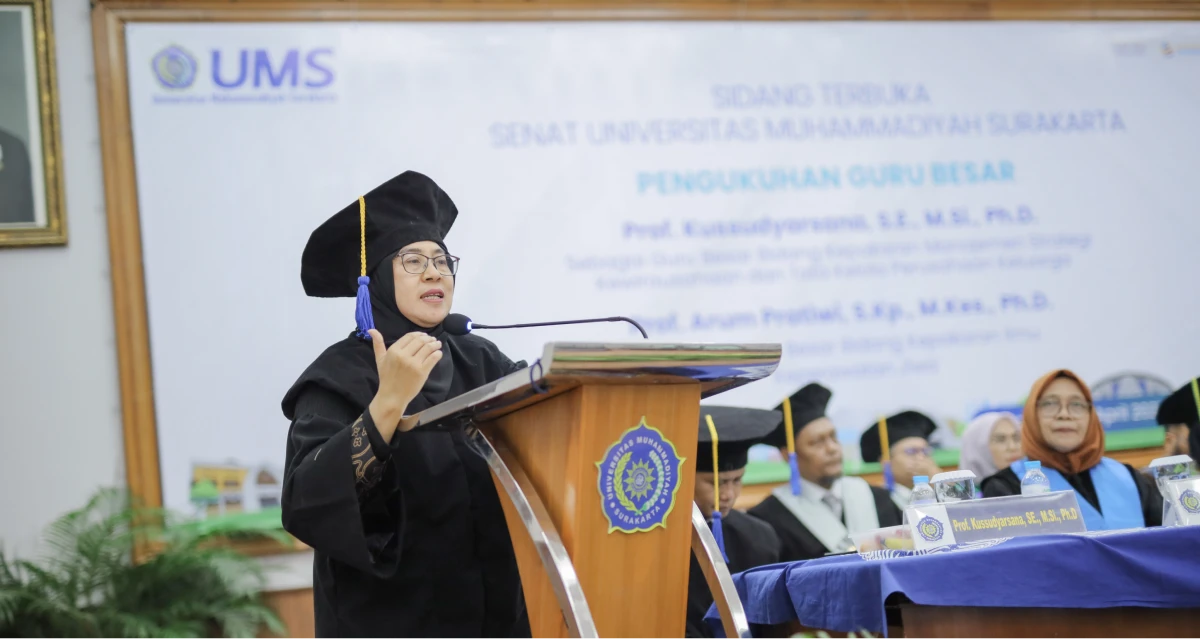
The Regional Mental Hospital (RSJD) dr. Arif Zainuddin Surakarta felt like a second home to Prof. Arum Pratiwi, S.Kp., M.Kes., Ph.D. Arum has been immersed in the world of psychiatric nursing since the late 1990s.
This Professor of Nursing at Universitas Muhammadiyah Surakarta is also actively researching patient care at RSJD Surakarta, covering patients with psychosocial problems through to severe psychiatric disorders. One of her most recent studies explores delusions in schizophrenia patients.
Schizophrenia is a severe mental disorder that disrupts a person's thinking, emotions, and behavior. Those who live with it often struggle to distinguish between reality and imagination.
The Ministry of Health estimates that schizophrenia affects around 2.6 million people in Indonesia. The Special Region of Yogyakarta ranks first among provinces in household schizophrenia prevalence at 9.3 per 1,000 households, followed by Central Java at 6.5 per thousand and West Sulawesi at 5.9 per thousand households.
The most common symptom of schizophrenia is delusion. Arum has encountered this symptom frequently among the schizophrenia patients she has met. "In general, the most prominent symptoms are delusions or hallucinations," she said.
Delusions in schizophrenia patients fall into several types, including paranoid delusions, grandiose delusions, persecutory delusions, religious delusions, magical delusions, and mystical delusions.
When Arum began her research into delusion symptoms in schizophrenia patients, she encountered a wide range of delusion types. She then narrowed her focus to magical and mystical delusions.
Thirty patients participated in the study titled "Magical Thinking and Mystical Experience: An Exploration of Delusional Disorder in Schizophrenic Patients." All were patients receiving nursing care at RSJD Surakarta. Both the patients and their families were involved as participants in the research.
Of the 30 participants, 13 experienced delusions strongly colored by magical and mystical elements. These findings were then classified into two broad groups: magical powers and mystical thought or supernatural entity forces.
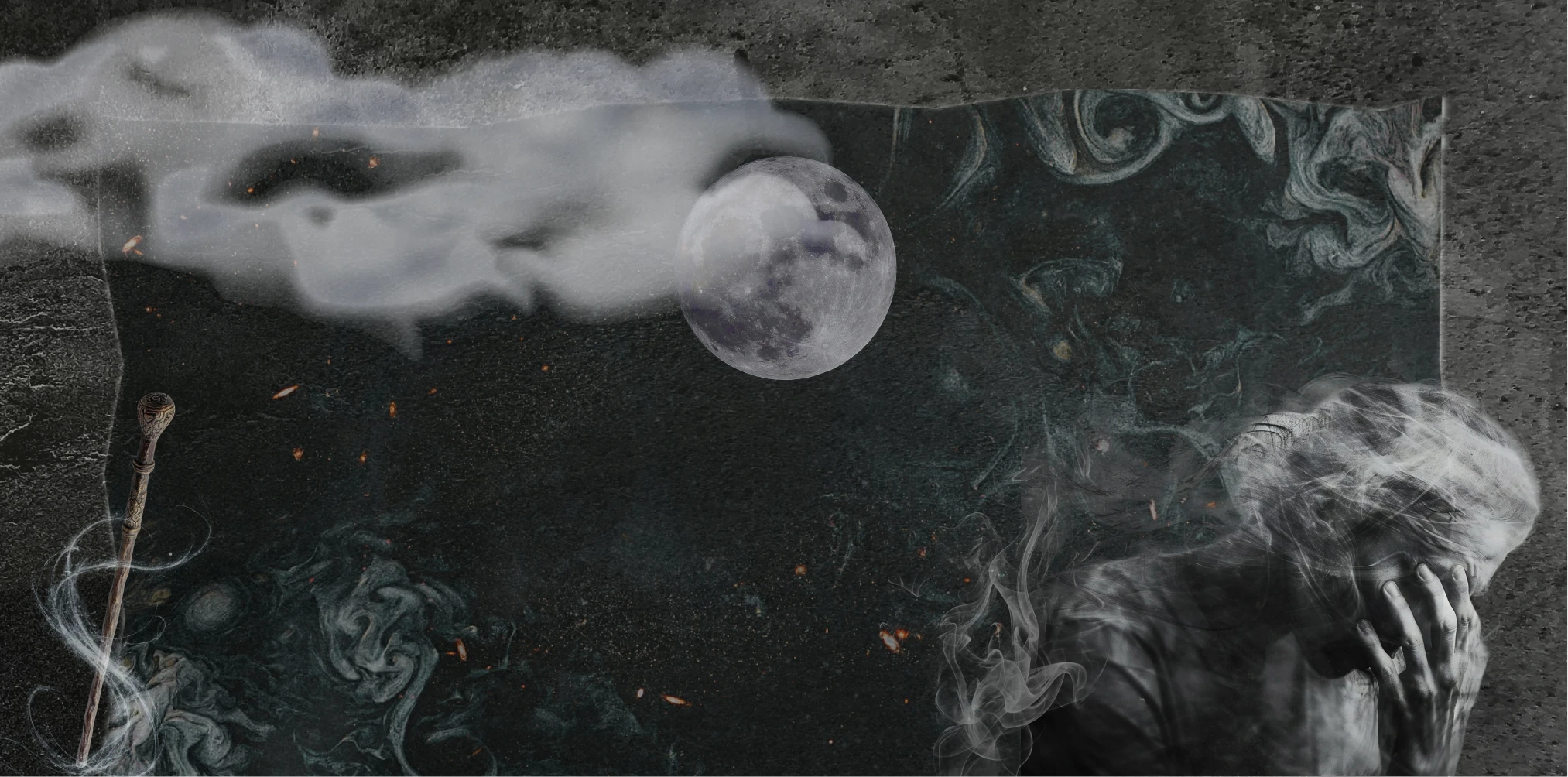
In the magical powers group, participants believed they possessed sacred objects or magical abilities, such as a magical staff, an invulnerable body, supernatural strength, or black magic. They believed that these objects and powers made others fear and respect them.
"I can disappear and reappear somewhere else. Yes, it feels wonderful to have a power like that," Arum said, recounting the words of one participant.
In the supernatural thought group, participants felt they were protected or accompanied by a greater supernatural force. Examples included the spirit of a tiger, the spirit of a powerful ancestor, an elderly figure in a white robe, a demon, or a sense of being deified or directly connected to God.
"My power also comes from being guarded by two large white tigers on my right and left. Both tigers always protect me and give me strength. Yes, I am happy to be guarded by tigers. No one dares to come near me," said another participant.
Arum suspects that participants' life histories may have influenced the nature of the delusion they experienced. "Delusion in patients does not appear suddenly without cause," she said.
Four triggering factors were identified among the 30 participants: divorce in 11 cases (36.66 percent), bankruptcy in 8 cases (26.68 percent), job loss in 7 cases (23.33 percent), and workplace pressure from superiors in 4 cases (13.33 percent). Failure in the real world gave rise to feelings of despair, low self-worth, and powerlessness.
These conditions led the subconscious to construct a fantasy in which the participant was an extremely powerful figure protected by supernatural forces, serving as a form of compensation for the vulnerabilities they experienced.
On the other hand, personal histories connected to spiritual and cultural elements also played a role in the emergence of magical and mystical delusions. The patients Arum encountered generally had backgrounds shaped by the concept of kejawen.
This belief is a Javanese spiritual tradition that blends elements of divinity with magical and mystical beliefs. This tradition then manifested in the form of delusions, such as feeling connected to deities, ancestors, white tigers, or sacred heirlooms. "This background is indeed relevant," she added.
Conducting research with schizophrenia patients comes with its own set of challenges. In some cases of acute schizophrenia, patients are simply unable to communicate. "For several days they cannot be spoken to at all," she explained.
Arum focused her research on schizophrenia patients who were no longer in the acute phase. She also prioritized therapeutic communication techniques with every patient, an approach specifically designed to encourage patients to express their feelings.
If a patient is in an acute phase, Arum waits approximately two to seven days to ensure the patient is in a calm state, so they can recount their experiences coherently and with greater stability. She also makes a point of obtaining consent forms from the patient's family.
Even starting an interview with a patient must be done gradually. Arum typically opens conversations with simple questions, such as "Have you eaten yet?" or "What did you have earlier?" The key, she said, is making the patient feel they are on equal footing.
The core principle of therapeutic communication is understanding the patient's condition, which means that the communication approach for psychiatric patients can differ from one person to the next. "The principle is to apply therapeutic communication that suits the specific psychiatric symptoms of each patient," she continued.
The research process involved students from UMS Nursing Professional program and UMS Faculty of Medicine lecturer dr. Erna Herawati, Sp.KJ. Arum also involved nurses at RSJD Surakarta.
Throughout the interview process, Arum and her team upheld research ethics and maintained careful researcher intervention. In psychiatric nursing research, researchers are required to conduct continuous participatory observation, from nursing diagnosis and delivering holistic therapy through to evaluating recovery outcomes.
"Yes, it is called participatory observation. We observe, take action, provide treatment, and then evaluate what the outcomes look like. That is why research at RSJD must be carried out together with the nurses there," she explained.
Arum acknowledged that chronic psychiatric disorders cannot be fully cured. The way to improve a patient's condition is to manage the disorder so that it does not relapse.
Support from family, the surrounding community, and the health institutions closest to the patient is essential to sustaining the patient's mental health. "Patients must be treated as human beings like anyone else, and their dignity and humanity must be respected," she said firmly.
When asked about future plans, Arum is currently preparing a strategy to train mental health posyandu cadres at a number of community health centers (puskesmas) across Sukoharjo Regency, Central Java, as not all puskesmas currently have a mental health posyandu.
"So my plan is to train mental health cadres. These cadres will serve as an extension of care, helping to prepare communities to accept patients and their families. Because the stigma does not only fall on the patients, it falls on their families too," she said.
Writer: Gede Arga Adrian
Translator: Farizal Luqman Majid
Editor: Al Habiib Josy Asheva
Designer: Muhammad Nur Haqqi
As public awareness of healthy living grows, "wellness tourism" in Indonesia is increasingly seen as a necessity. It is projected to be worth billions of US dollars.
Nothing’s more special than reading curated news just for you.
Subscribe to the UMS Newsletter for free today.