The Scholar Behind UMS's Master's Program in IQT
27 July 2026
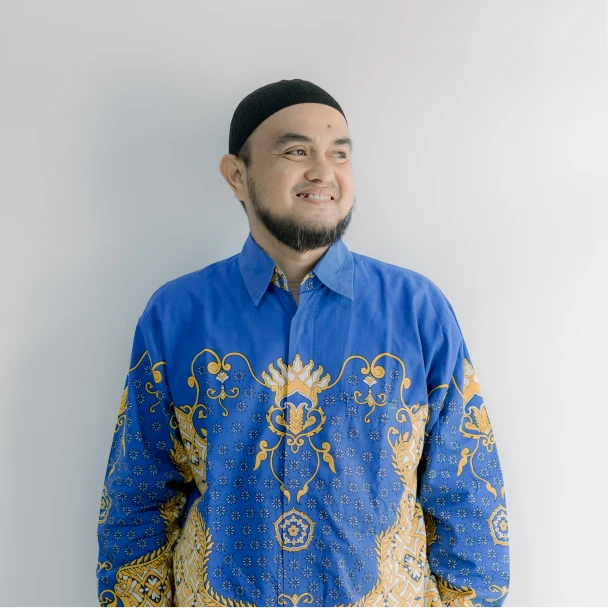
Prof. Andri Nirwana, S.TH., M.Ag., Ph.D., pioneered the Master of Al-Quran and Tafsir Studies as a first step in strengthening Quranic studies within Muhammadiyah.


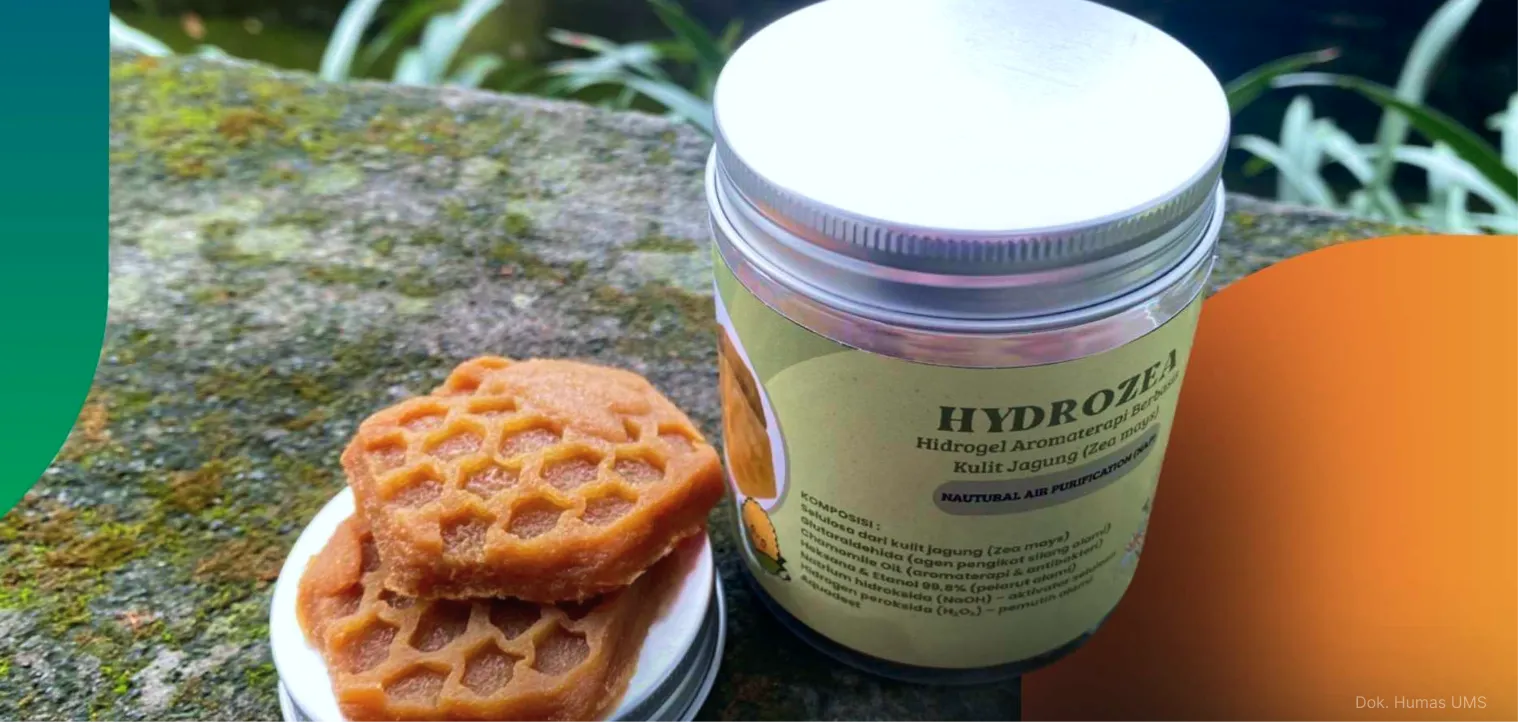
Chemical Engineering students from the Faculty of Engineering at Universitas Muhammadiyah Surakarta (UMS) have developed an innovative water-absorbing material in the form of a hydrogel derived from corn husks. The innovation is named Hydrozea.
The team, Shyerly Fauziah Nur Rizki, Siti Nurazilla, Rajiv Tamim Wicaksana, Mia Oktafia, and Rafeyfa Nadira Zakauha, chose corn husks (Zea mays) as the main raw material due to their high cellulose content and their abundance as agricultural waste. In addition to other chemical compounds, Hydrozea is enhanced with chamomile essential oil, which functions as a natural moisture absorber as well as an antibacterial aromatherapy agent.
“High indoor humidity often leads to unpleasant odors, mold growth, and the proliferation of harmful microorganisms. These conditions cause discomfort and can negatively affect human respiratory health,” Shyerly explained while describing the origin of the idea, Thursday (5/2/2026).

According to her, conventional solutions to address this issue often rely on synthetic silica gel, which is effective at absorbing moisture. However, such materials are not environmentally friendly because they are not biodegradable and may generate harmful chemical residues when exposed over long periods.
“Therefore, there is a need for innovative moisture-absorbing products made from natural, safe, biodegradable materials that support green technology principles,” Shyerly said.
These findings were obtained after six weeks of research and experimentation in the UMS Chemical Engineering laboratory. The research process began with the isolation of cellulose from corn husks sourced from farmers in the Sukoharjo region, followed by the hydrogel synthesis stage.
Another researcher, Siti, explained that the hydrogel developed by the team provides additional functions as an anti-inflammatory agent, antibacterial agent, and calming aromatherapy after the incorporation of chamomile essential oil, without disrupting the polymer structure.
In addition, she continued, the hydrogel can be dried again after becoming saturated with water using sunlight or a low-temperature oven, demonstrating strong reusability potential and environmental friendliness.
“The resulting Hydrozea has an appropriate chemical composition, high structural stability, and effective moisture absorption capacity, making it a promising candidate as an environmentally friendly natural moisture-absorbing material,” Siti added.
Siti noted that Hydrozea is a sustainable, eco-friendly innovation with high potential as a Natural Air Purification (NAP) material to replace synthetic substances.
Writer: Maysali Sudarwati
Editor: Fika Annisa Sholihah
Translator: Farizal Luqman Majid
Prof. Andri Nirwana, S.TH., M.Ag., Ph.D., pioneered the Master of Al-Quran and Tafsir Studies as a first step in strengthening Quranic studies within Muhammadiyah.
Nothing’s more special than reading curated news just for you.
Subscribe to the UMS Newsletter for free today.