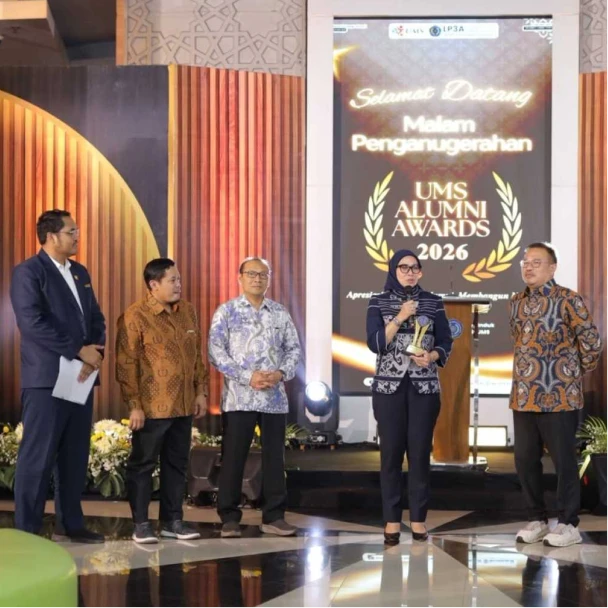

UMS Prepares to Launch Day Care Service to Support Staff Well-Being
4 August 2026
UMS Day Care and a number of other services are set to be introduced by UMS DSDMO to support staff well-being.



Biopore infiltration holes, also known as LRBs (Laminated Rubber Bearings), are vertical cylindrical holes dug into the ground measuring approximately 10 centimeters in diameter and no deeper than the groundwater. These holes are filled with organic waste that stimulates the formation of biopores. The purpose of creating LRBs is to enhance water infiltration into the soil, thereby mitigating flooding and replenishing clean water reserves.
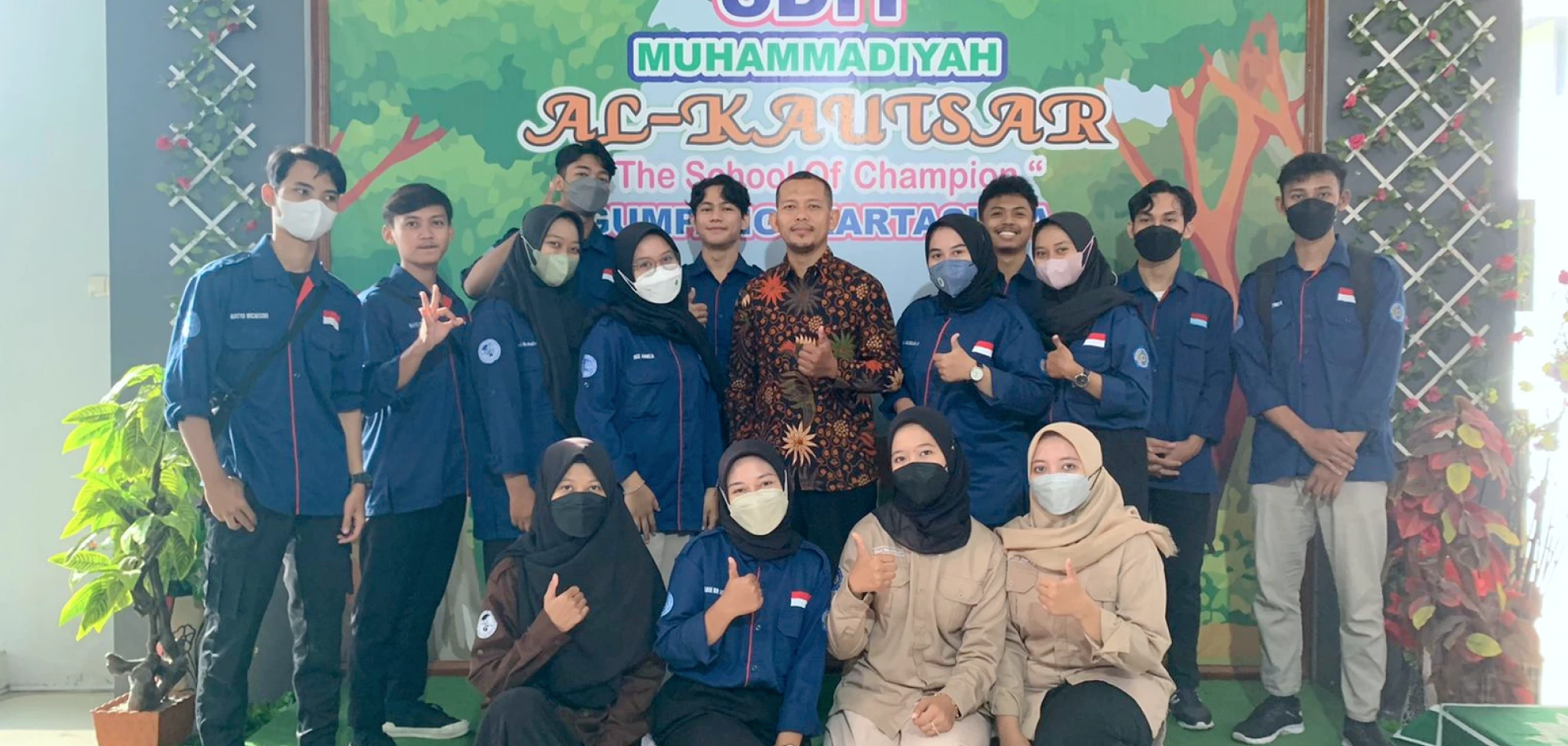
The Geography Education study program at FKIP UMS regularly engages in LRB (Laminated Rubber Bearing) creation activities, both within the community and in educational settings. On Saturday, June 4, 2022, Geography Education students conducted an LRB-making project at SDIT Al Kautsar Gumpang. This initiative aimed to introduce the concept of LRBs and their construction process to the school community, particularly students and teachers.
Students from the Geography Education program at FKIP UMS, along with their fellow students and teachers at SDIT Al Kautsar Gumpang, joined forces to construct LRBs (Laminated Rubber Bearings). The selection of the LRB placement sites was carefully considered, prioritizing areas prone to puddling. The LRBs were dug at multiple points, spaced approximately 1-1.5 meters apart, and reaching a depth of around 80 centimeters. The school community wholeheartedly embraced this initiative, raising hopes that the LRBs will yield significant benefits in the future.
Translator: Farizal Luqman Majid
UMS Day Care and a number of other services are set to be introduced by UMS DSDMO to support staff well-being.
Nothing’s more special than reading curated news just for you.
Subscribe to the UMS Newsletter for free today.