The Scholar Behind UMS's Master's Program in IQT
27 July 2026
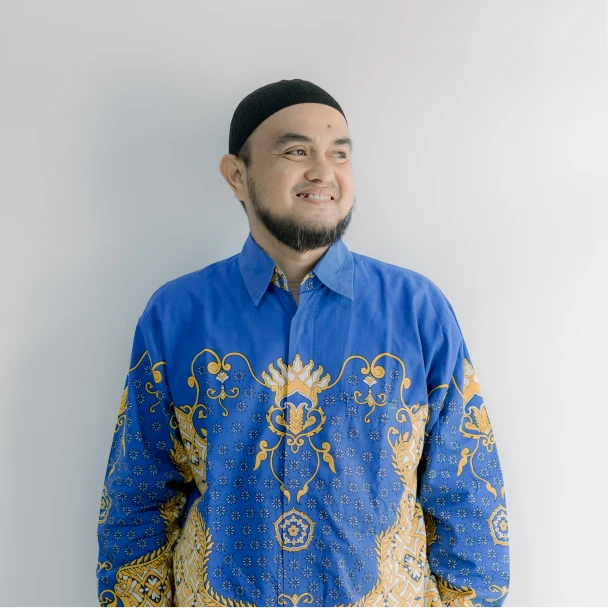
Prof. Andri Nirwana, S.TH., M.Ag., Ph.D., pioneered the Master of Al-Quran and Tafsir Studies as a first step in strengthening Quranic studies within Muhammadiyah.



Ramadan is a holy month during which Allah requires His people to fast from sunrise to sunset. It is when Allah opens the door of forgiveness and rewards those who draw closer to Him.
One of the Hadiths concerning Lailatul Qadr is narrated by Muslim and states, “Aisha (RA) reported that the Prophet Muhammad (SAW) was particularly devout in worship during the last ten days of Ramadan, surpassing his devotion at any other time.”
The significance of the last ten nights of Ramadan stems from the Prophet’s dedicated effort to worship during this period, as evidenced in the hadith. To delve deeper into the importance of these nights, we had the privilege of meeting with Dr. Muchamad Iksan, S.H., M.H., the Takmir (committee) of the Sudalmiyah Rais.
The significance of the last ten nights of Ramadan is attributed to the event of Lailatul Qadr. He referenced a saying of the Prophet, which roughly translates to: “Among the last ten days, there is a night that surpasses a thousand months in virtue,” said Iksan on Tuesday (21/03/2024).
According to the official website of the Indonesian Ministry of Religion, Lailatul Qadr is an exceptional night in Islam. It is believed that on this night, Allah grants the prayers and forgives the sins of His servants.
The hadith narrated by Bukhari states, “And whoever worships on the night of Lailatul Qadr solely out of faith and expects reward from Allah SWT, his previous sins will be forgiven.”
In line with the hadith, Iksan emphasized that Lailatul Qadr is a night blessed by Allah with multiplied rewards and blessings. On this auspicious night, Allah rewards human deeds equivalent to 83 years of righteousness.
“For example, if one reads one juz of Al-Quran on Lailatul Qadr, they receive a reward equivalent to reading one juz for 83 years,” explained Iksan.
The magnificence of the night of Lailatul Qadr draws Muslims to engage in many acts of worship in pursuit of its blessings. Worship during this night holds greater significance than worship at other times. Consequently, many Muslims often inquire about the timing of Lailatul Qadr.
Iksan emphasized that Lailatul Qadr typically falls on odd nights, such as the 21st, 23rd, and 29th of Ramadan. However, he also pointed out that the exact timing of Lailatul Qadar is a secret known only to Allah. Therefore, Iksan urged Muslims to dedicate themselves to worship during the last ten days of Ramadan, regardless of whether the date is odd or even.
“I believe there is a philosophy behind the Prophet mentioning Lailatul Qadr on odd nights. It implies providing opportunities and encouragement for Muslims to seek Lailatul Qadr during the last ten days, especially on odd nights,” explained the Takmir of Sudalmiyah Rais.
Iksan emphasized the significance of consistent worship, especially during Ramadan, highlighting the variability in the starting dates of each year. This variation can lead to differences in odd and even nights. Therefore, Iksan suggested that consistent worship throughout the last ten days of Ramadan is the safest approach to ensure one does not miss the Lailatul Qadr.
One method to attain the night of Lailatul Qadr is through iktikaf. According to Iksan, iktikaf involves remaining secluded in the mosque and praying silently to Allah. Some scholars suggest performing iktikaf in the jamik mosque, which is the mosque where Friday prayers are held.
During iktikaf, Muslims must concentrate on worship and strengthen their connection with Allah. The UMS Faculty of Law lecturer outlined several activities commonly undertaken during iktikaf, including night prayers, dhikr, reading and studying Al-Qur’an, seeking forgiveness, and reflecting on one’s sins.
The ideal iktikaf is to remain in the mosque during the last ten days of Ramadan, from the 21st day to the 1st day of Shawwal. Iksan emphasized that all activities during iktikaf revolve around the mosque. He referred to historical examples of people during the time of the Prophet who observed iktikaf by staying in the mosque for the entire last ten days.
“If iktikaf is following the teachings of the Prophet, it means that you stay in the mosque all the time. You leave the mosque only when necessary, such as to go home to shower and do other essential tasks. So, suppose iktikaf is only done at night. In that case, it deviates from the Prophet’s teachings of full immersion in the mosque,” added Iksan.
It’s not unexpected that many mosques are now offering iktikaf programs. According to him, these iktikaf programs are organized to ensure all participants can experience the night of Lailatul Qadar.
The Director of the Dana Pensiun Syariah UM stated, “Those who iktikaf for the full last ten days will easily experience the night of Lailatul Qadr. However, if one selects only a specific night, the probability of encountering Lailatul Qadar becomes even smaller.”
According to Iksan, every Muslim will undoubtedly pass through the last ten days of Ramadan. However, only those who perform righteous deeds will receive virtue and great rewards equal to the blessings of a thousand months. As for those who pass through those nights without doing any deeds, they will not receive any virtue. On the contrary, it could be the opposite if they do sinful deeds.
The busy pace of college life can often divert students’ attention, making it difficult to strengthen their relationship with the Creator through iktikaf. This busy schedule continues during the last ten days of Ramadan and usually doesn’t ease up until Eid al-Fitr. So, what are some practical tips students can follow to attain the blessings of Lailatul Qadr while effectively managing their academic responsibilities?
Although iktikaf requires individuals to be committed to the mosque throughout the day, Iksan suggested that students can still engage in iktikaf at night. “While it may not fully reflect the ideal iktikaf practiced during the time of the Prophet, it is still valuable to take advantage of the opportunity at night,” he explained.
Iksan stressed to the students the importance of continuing iktikaf, emphasizing that Allah appreciates all efforts made by individuals who seek to grow closer to Him. “Allah is the Most Just, truly,” remarked Iksan.
Iksan shared fascinating details with UMS students interested in iktikaf. He mentioned that one of the mosques offering iktikaf activities is the Sudalmiyah Rais UMS Mosque. Registration is free and is currently open. Participants can use various facilities, free iftar and sahur meals, mattress and also laundry services.
Writer: Gede Arga Adrian
Editor: Farizal Luqman Majid
Translator: Farizal Luqman Majid
Prof. Andri Nirwana, S.TH., M.Ag., Ph.D., pioneered the Master of Al-Quran and Tafsir Studies as a first step in strengthening Quranic studies within Muhammadiyah.
Nothing’s more special than reading curated news just for you.
Subscribe to the UMS Newsletter for free today.