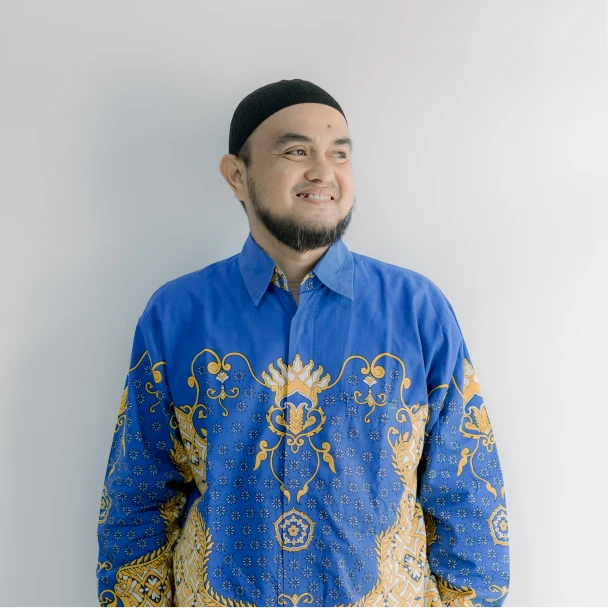
The Scholar Behind UMS's Master's Program in IQT
27 July 2026
Prof. Andri Nirwana, S.TH., M.Ag., Ph.D., pioneered the Master of Al-Quran and Tafsir Studies as a first step in strengthening Quranic studies within Muhammadiyah.

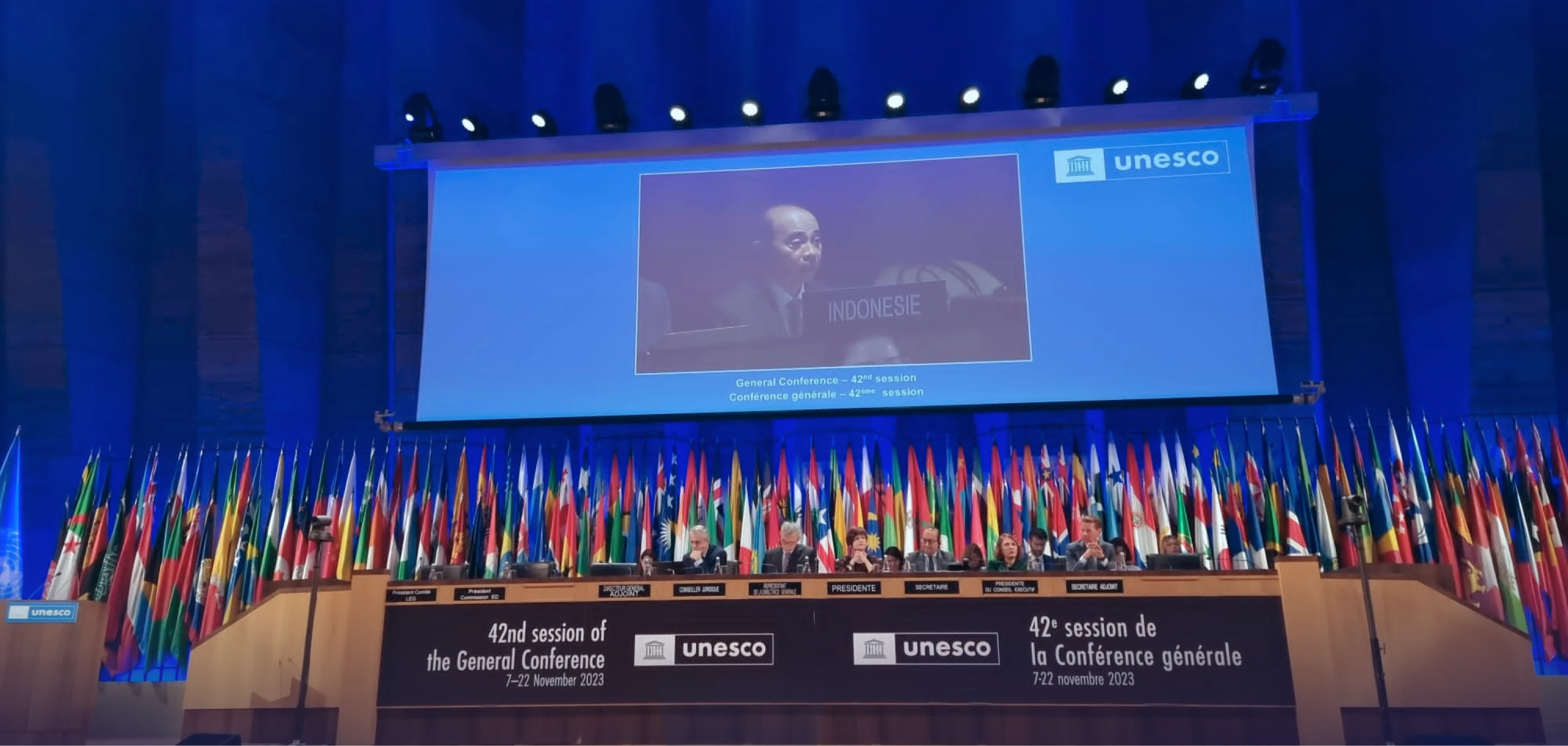
Bahasa Indonesia was officially designated as an official language of the United Nations Educational, Scientific and Cultural Organization (UNESCO) conference. This landmark decision was unanimously adopted through Resolution 42 C/28 during the Plenary session of the 42nd General Conference of UNESCO, held on Monday, November 20, 2023, at UNESCO Headquarters in Paris, France.
Bahasa Indonesia joins the ranks of UNESCO’s ten official languages alongside English, Arabic, Mandarin, Russian, French, Spanish, Hindi, Italian, and Portuguese. This momentous decision enabled Bahasa Indonesia to be used during official proceedings. Moreover, all official documents of the UNESCO General Conference will be translated into Bahasa Indonesia.
Head of the Division of Curriculum Development and Learning Innovation at Universitas Muhammadiyah Surakarta (UMS), Dr. Laili Etika Rahmawati, S.Pd., M.Pd., expressed her immense pride and admiration.
“The recognition of Bahasa Indonesia as an official UNESCO language is a resounding affirmation of its vast potential and promising future as a global language,” remarked Laili.
Laili emphasized the far-reaching positive implications of Bahasa Indonesia's official recognition by UNESCO. This decision will undoubtedly elevate the stature of Bahasa Indonesia on the global stage.
“This designation has bestowed upon Indonesian a newfound sense of prestige, both domestically and internationally,” She continued.
Drawing a comparison with other languages, She believes that Bahasa Indonesia holds a unique advantage in its pursuit of global recognition.
“Indonesian boasts a larger speaker base compared to Malay, its linguistic ancestor. This advantage is further enhanced by the inherent ease of understanding Bahasa Indonesia. From a semantic standpoint, Bahasa Indonesia is easier to understand,” elaborated Laili.
Within the country alone, the language is spoken by an estimated 269 million people, according to Kompas Research and Development. This figure is further complemented by data from the Ministry of Education, Culture, Research, and Technology (Kemendikbud), which indicates that 143,000 individuals are actively learning Indonesian. This upward trend reflects a growing global interest in the language, with an impressive 5.2 million speakers in Southeast Asia, as the Ministry of Education and Culture reported.
The lecturer further highlighted the adaptability of Bahasa Indonesia, which has embraced foreign words, resulting in a rich and diverse vocabulary. The language has seamlessly incorporated words from regional and foreign languages, including Dutch, Arabic, English, Spanish, and Portuguese.
“Bahasa Indonesia boasts a more extensive vocabulary compared to Malay. This linguistic richness is further enhanced by the absorption of words from over 700 regional languages in Indonesia,” She explains.
Laili emphasized that incorporating foreign words into Bahasa Indonesia is guided by a set of established rules known as the General Guidelines for the Formation of Terms (PUPI). This ensures that the adopted words are seamlessly integrated into the Indonesian language structure.
Despite the significant milestone of Bahasa Indonesia becoming an official UNESCO language, Laili who also teaches the Indonesian Language Development course, acknowledges that the journey towards establishing Indonesian as a global language is far from over. She emphasizes the need for continued and unwavering efforts to further elevate Bahasa Indonesian status on the international stage.
“Language can be said as an international language if they fulfill three indicators, namely: First, extensive history of written usage; Second, official recognition as a national or official language in multiple countries; Third, widespread adoption in various realms, including business, education, science, and diplomacy,” said Laili.
The path toward establishing Bahasa Indonesia as an international language comprises challenges. One of the most significant challenges arises from within Indonesia itself. Dr. Laili Etika Rahmawati observed a prevalent unfamiliarity with many Indonesian terms among the general public. This contrasts sharply with the widespread usage of foreign language terms, mainly English, in everyday conversations.
“English terms have become more deeply ingrained in everyday language compared to their Indonesian counterparts,” Laili observed. “For instance, the term drive-thru is more commonly used than its Indonesian equivalent, lantatur. Similarly, outbound is more widely recognized than mancakrida, seafood is more familiar than boga bahari, and marketplace is more prevalent than lokapasar.”
She underscores the need to initiate the efforts to promote the use of Bahasa Indonesia in all aspects of life. She acknowledges that there exists a considerable number of Bahasa Indonesia terms that are still unfamiliar to the general public. Therefore, she emphasizes the importance of the use of Bahasa Indonesia in daily interactions.
“The key is cultivating a habit of using Bahasa Indonesia in our daily lives. Just as the terms online and offline became normalized during the pandemic, so too can we familiarize ourselves with Indonesian terminology of daring and luring through consistent usage. The widespread adoption of these terms across various domains has embedded them in our daily communication,” Laili explained.
UNESCO’s recognition of Bahasa Indonesia as an official language should not be a source of complacency. Laili emphasizes the ongoing responsibility of Indonesians to uphold the dignity of their language by taking pride in speaking it correctly and effectively.
“A tangible step towards normalizing unfamiliar Indonesian terms is to actively use them in public spaces. The prevalence of the use of Bahasa Indonesia in public settings serves as a barometer of whether the language truly occupies a dominant position in its own country,” Shei asserted.
The lectures propose the implementation of a reward system to recognize institutions that actively promote and utilize Bahasa Indonesia across various spheres. She cites the existence of the Prasidatama award, bestowed by the Central Java Provincial Language Center to organizations and individuals in the Central Java Province who demonstrate exemplary language usage in diverse domains.
Beyond public spaces, the lecturer stresses the importance of prioritizing Bahasa Indonesia in the academic setting. She maintains that the correctness of an individual’s language usage serves as a reflection of their character and identity as an Indonesian speaker.
The Ministry of Education, Culture, Research, Technology and Higher Education (Kemendikbudristek) remains committed to fostering the use of proper Bahasa Indonesia. The Indonesian education system has mandated the teaching and usage of Bahasa Indonesia across the nation, from Sabang to Merauke.
“Bahasa Indonesia has permeated the educational setting of Indonesia, reaching even the most remote corners of the country. This widespread adoption is evident in the mandatory inclusion of Bahasa Indonesia subjects and courses at all levels of education, from primary school to higher education,” concluded Laili.
Prof. Andri Nirwana, S.TH., M.Ag., Ph.D., pioneered the Master of Al-Quran and Tafsir Studies as a first step in strengthening Quranic studies within Muhammadiyah.
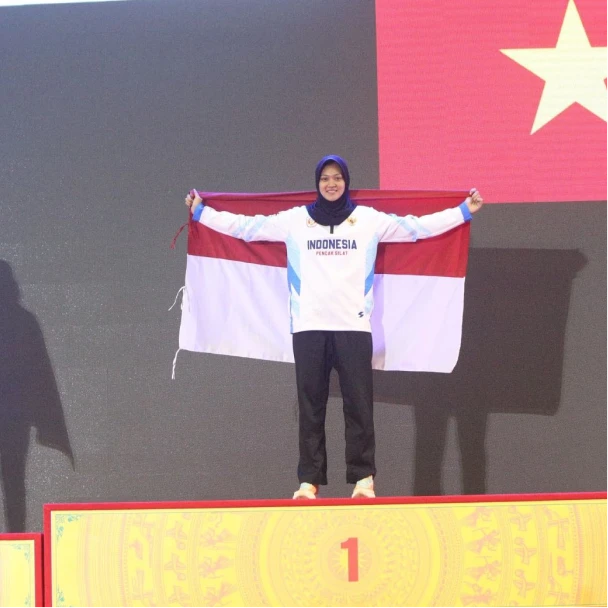
A UMS pencak silat athlete successfully claimed gold at the 10th Asian Pencak Silat Championship 2026.
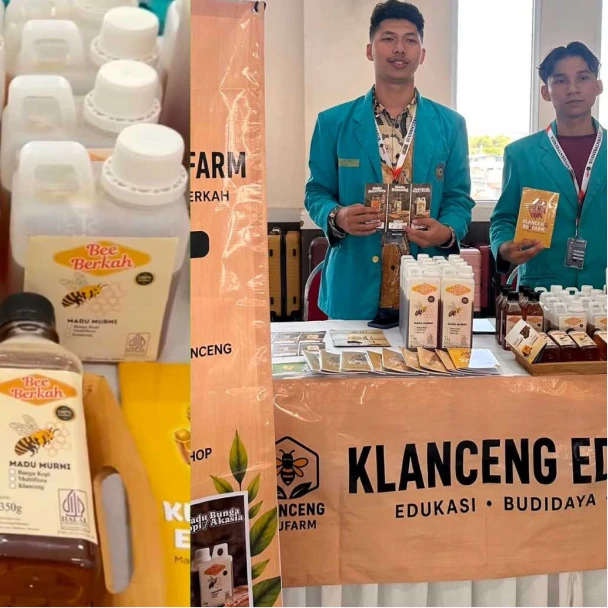
The Klanceng Edufarm startup is planning international expansion after being named national champion at the 2026 Studentpreneur Bootcamp organized by the Muhammadiyah Center for Entrepreneurship and Business Incubator.

Nothing’s more special than reading curated news just for you.
Subscribe to the UMS Newsletter for free today.