The Scholar Behind UMS's Master's Program in IQT
27 July 2026
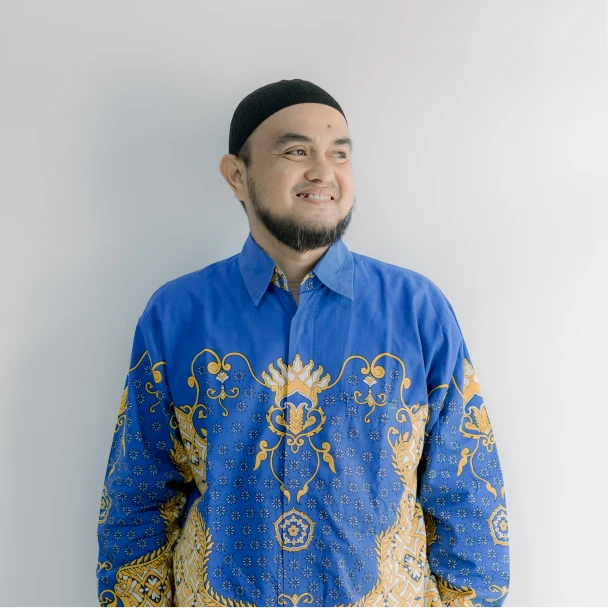
Prof. Andri Nirwana, S.TH., M.Ag., Ph.D., pioneered the Master of Al-Quran and Tafsir Studies as a first step in strengthening Quranic studies within Muhammadiyah.


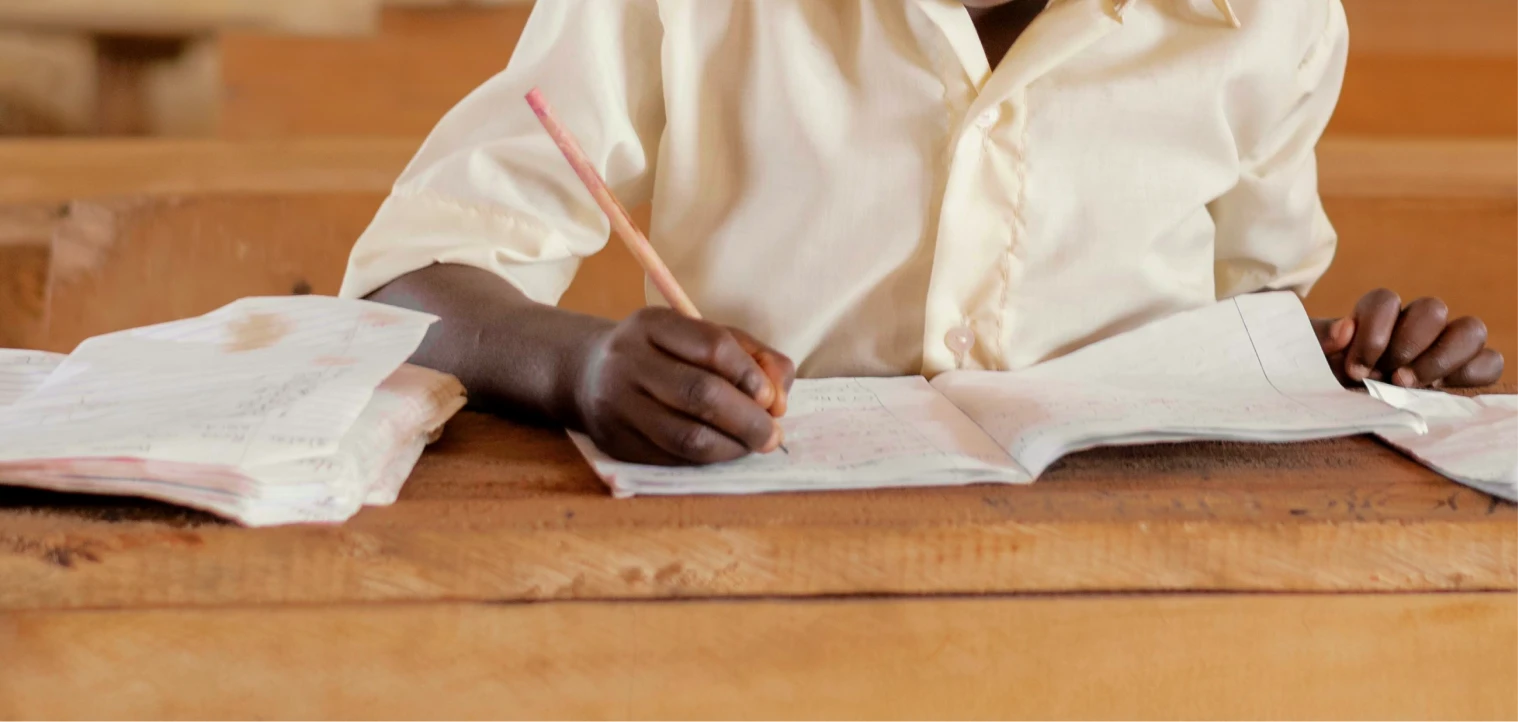
Amidst the scorching dry season, Sarjito made his way to the settlement of Tli’u Village in Amanuban Timur, South Central Timor, East Nusa Tenggara. Accompanied by the Majelis Pembedayaan Masyarakat (Community Empowerment Council), which included several Muhammadiyah officials, the rector of Muhammadiyah University, and colleagues, they initiated efforts to eradicate unequal education in this remote village. Pausing for a moment, he reflected on the undeniable truth he had heard earlier about the children of Timor-Leste eagerly awaiting the opportunity to receive an equal education.
For 111 years, Muhammadiyah’s dedication to contributing to the nation’s education has remained unwavering. Community empowerment programs are continuously intensified to ensure the quality of education for children nationwide, including in Tli’u Village. To call it a dire situation is an understatement, that is, the conditions in Tli’u Village back in 2016.
“At that time, the educational situation in Tli’u Village was extremely concerning, and this issue may not have been exclusive to Tli’u Village alone, given the evident educational disparities across our country, particularly between the western and eastern regions of Indonesia. The elementary school in Tli’u Village had only three classrooms, one allocated for grades 1, 2, and 3. However, the students in grade 3 had already completed the first semester and were prepared to advance to grade 4. Yet, there was a glaring lack of available classroom space,” recalled Sarjito during our recent online interview. This grim scenario epitomized the state of education in Tli’u back in 201.
The dire situation deeply affected the Muhammadiyah colleagues, prompting them to take proactive steps to enhance education in Tli’u. Consequently, UMS took the initiative to lead the construction and development of three new classrooms for the Muhammadiyah Elementary School in Tli’u as part of a comprehensive community service program.
“This is a joint project involving Universitas Muhammadiyah Surakarta (UMS), Universitas Muhammadiyah Yogyakarta (UMY), Universitas Muhammadiyah Kupang (UMK), and Universitas Muhammadiyah Prof. Dr. Hamka. For us, quality education at the elementary level is crucial in building a solid foundation for the future of the younger generation,” he added as the head of community service in Tli’u.
It is known that SD Muhammadiyah Tli’u stands on a seven-hectare land generously donated by the family of Abdul Qadir Lenamah, a native of Tli’u and a graduate of the Shobron Islamic boarding school, UMS class of 1982. Abdul Qodir returned to his homeland to improve the welfare of his community. With the support of Muhammadiyah, his aspirations could be accommodated and began to be realized.
Although most of the population in Tli’u Village are Christians, their positive response and acceptance of the assistance offered by Muhammadiyah depict the high level of tolerance among its residents. Working harmoniously, the local community cooperated to help build the new classrooms.
“The local community welcomed Muhammadiyah with open arms, which also serves as evidence that humanitarian solidarity knows no bounds regarding religious beliefs,” stated the Professor of the Faculty of Engineering at UMS.
In the construction and development of the new classrooms, the UMS community service team directly provided assistance from planning to implementation of the construction, which is estimated to cost Rp.650 million. One of the service team members we interviewed was Hasyim Asy’ari, a UMS Electrical Engineering Lecturer.
“When I received the design and floor plan of the project, I immediately checked the number of light points, outlets, etc., to calculate the required electrical load. However, the electricity had not yet reached the location at that time, so we had to coordinate with PLN (State Electricity Company). One solution to ensure the availability of electricity was to extend a long cable from PLN’s electrified area so that the project could proceed smoothly,” explained Hasyim, the electrical engineer at the time.
Facing such obstacles, Hasyim acknowledged that electricity availability sometimes fluctuated. Consequently, he and his colleagues contemplated installing solar panels. Not only is solar energy readily accessible, but using solar panels can also diminish electricity consumption and lower costs.
“Finally, we started calculating the required hours of electricity during the night if we rely on solar panel installations. Now, I’m confident that Tli’u has access to electricity. When Professor Sarjito’s service team arrived, PLN also accelerated the installation of electricity poles, despite my recollection that there were no cables carrying electricity that year,” he continued.
After inaugurating three new classrooms, MPM’s next objective is to advocate for free education for children from underprivileged families. This initiative reflects Muhammadiyah’s commitment to humanitarianism and addresses the complex issue of unequal access to education in Indonesian society.
“We have certainly considered financial support for the children. The free education offered by Muhammadiyah is funded by donations. Additionally, support from major companies that provide sponsorship also plays a significant role in ensuring the smooth operation of Muhammadiyah schools,” added Sarjito.
“There is no loss or gain in Muhammadiyah’s dictionary,” Sarjito exemplified the figure of Kyai Ahmad Dahlan, who actively sought students and established schools for the community in Kauman, Yogyakarta, during his time. “Similarly, today, we view educating the nation as amal jariyah (continuous charity). We do not seek any form of reward. We aim to cultivate a cultured and civilized society through quality and equitable education. There will always be wisdom derived from the sincerity of our efforts,” he concluded.
From Muhammadiyah’s perspective, quality education should be accessible to all children in Indonesia without exception. The collaborative efforts of Muhammadiyah and various stakeholders have paved a tangible path of change, particularly evident in the construction and development program of three new classrooms at SD Muhammadiyah Tli’u. This initiative is driven by a noble goal, to provide more equitable and high-quality access to education for children in eastern Indonesia.
“Through the programs we hope that the educational disparity between Indonesia’s western and eastern regions can diminish. This way, all Indonesian children will have equal opportunities for proper education. Hopefully, our efforts can serve as an additional milestone that inspires improvements in education in other remote areas of Indonesia,” concluded Sarjito.
Writer: Genis Dwi Gustati
Editor: Al Habiib Josy Asheva
Translator: Farizal Luqman Majid
Prof. Andri Nirwana, S.TH., M.Ag., Ph.D., pioneered the Master of Al-Quran and Tafsir Studies as a first step in strengthening Quranic studies within Muhammadiyah.
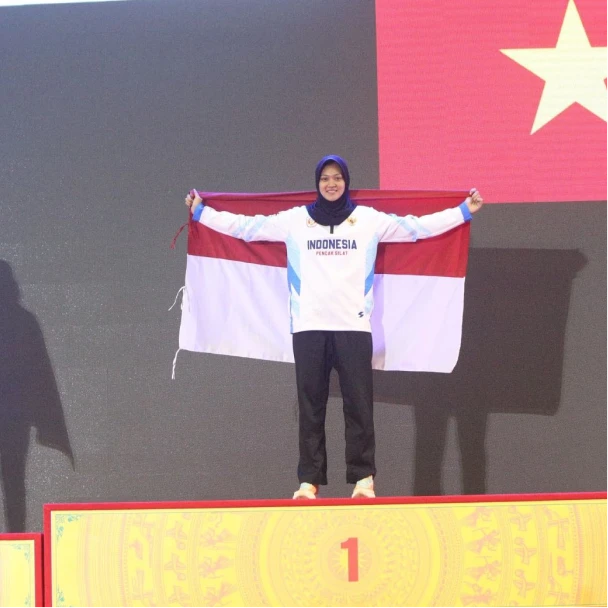
A UMS pencak silat athlete successfully claimed gold at the 10th Asian Pencak Silat Championship 2026.

The Klanceng Edufarm startup is planning international expansion after being named national champion at the 2026 Studentpreneur Bootcamp organized by the Muhammadiyah Center for Entrepreneurship and Business Incubator.

Nothing’s more special than reading curated news just for you.
Subscribe to the UMS Newsletter for free today.